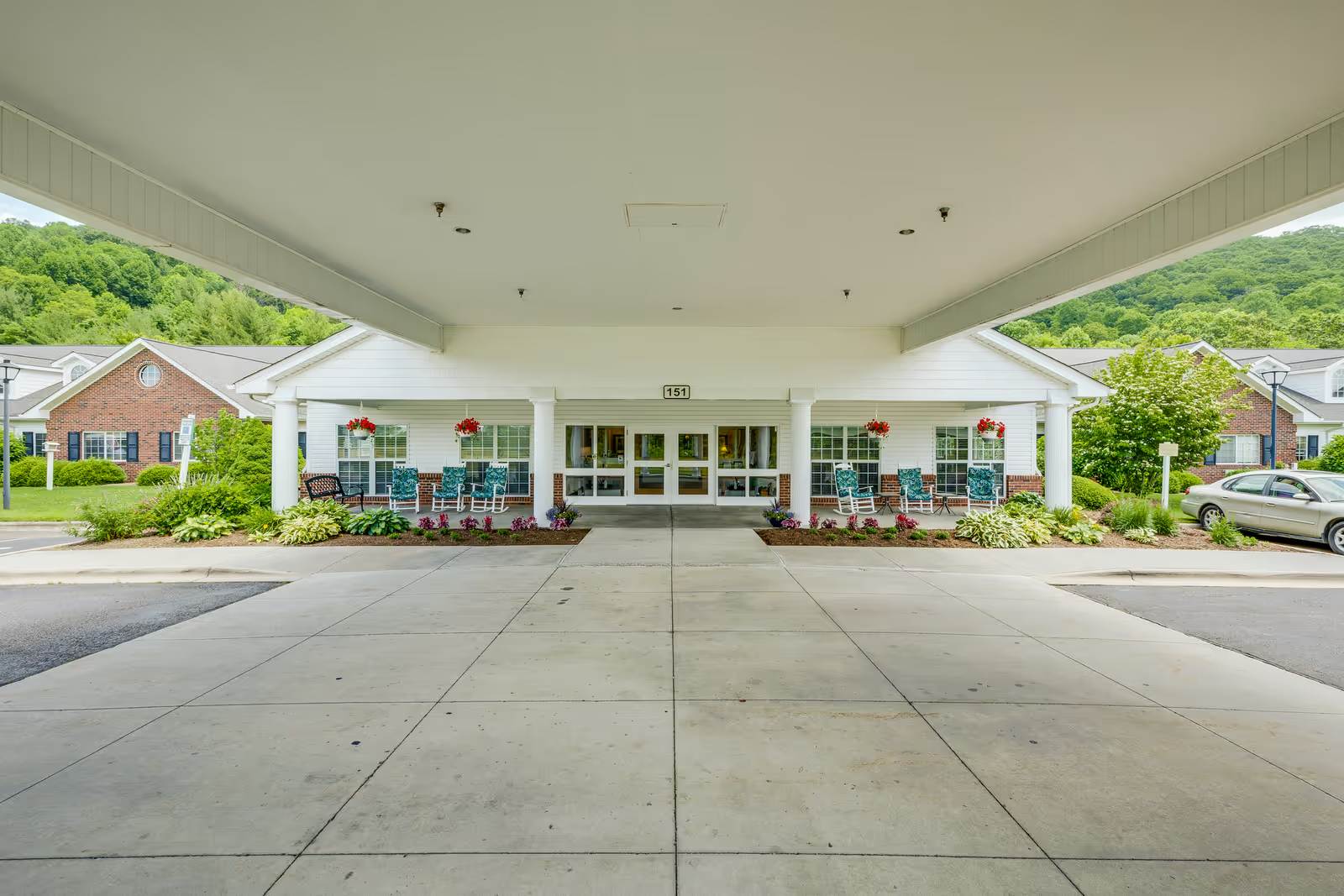
Reviewers convey highly mixed experiences at Abingdon Health & Rehab Center, producing a pattern of strong, mission-driven direct care alongside recurring operational shortcomings. Many families praise individual caregivers, therapists, and specific unit teams for compassionate, attentive support and successful rehabilitation outcomes. At the same time, recurring operational themes — particularly around staffing, housekeeping, and clinical escalation — create notable variability in day-to-day care quality.
Care and staff: A substantial number of accounts describe nursing and therapy staff as professional, caring, and personally invested in residents' wellbeing; therapy services are frequently identified as a strength, and staff members are credited with providing family-like emotional support and practical help (including transportation). However, other accounts point to inconsistent caregiver performance, limited supervision of less-experienced aides, and concerns about responsiveness. The most common clinical complaints relate to slow call-light response, delayed attention to acute symptoms, and perceived gaps in medication and treatment administration. Several reviews raise concerns about how clinical changes are escalated and how transfers to higher-acuity settings are handled.
Clinical systems and safety: Patterns in the reviews suggest instability in staffing levels and training that can affect monitoring, hygiene routines, and timely clinical intervention. There are specific references to delayed care and to family frustration when communication about clinical status is delayed or unclear. A small number of reviews describe alleged serious incidents, including medication-related events and unexpected hospitalizations; these accounts emphasize the need for stronger clinical protocols, clearer escalation pathways, and improved family communication following adverse events.
Dining and activities: Opinions about food are polarized. Some families note tailored meals, attentive dietary accommodations, and enjoyable dining; others describe inconsistent meal preparation, texture or chewability problems, and missed dietary orders due to communication lapses. Activities and social programming receive generally positive comments where noted, contributing to residents' social engagement and quality of life.
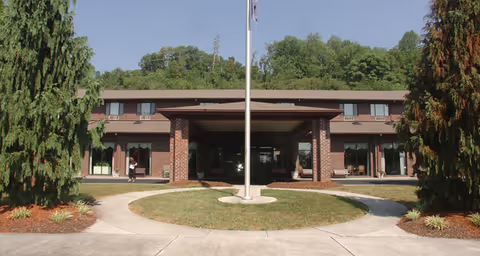
Facilities, housekeeping, and privacy: Physical plant feedback is mixed. Positive comments mention well-kept landscaping and clean common spaces, while negative comments describe inconsistent housekeeping, linen-change lapses, shortages of basic supplies, odor concerns, and pest-control issues in select areas. A recurring facility-level concern is limited in-room bathing options, with reliance on community showers that reduce privacy for some residents. Cleanliness and sanitation processes are an area callers expect clearer improvement.
Management and administration: Administrative themes include billing errors, difficulties reaching staff by phone, conflicting or unclear infection-control information, and occasional concerns about staff attitude or front-desk interactions. Families seeking reliable communication, transparent policy explanations, and consistent billing practices may experience variability. Praise for individual employees and specific teams is frequent, but systemic administrative reliability appears uneven.
Notable patterns and takeaways: The center elicits strong positive sentiment when direct-care staff are engaged and adequately staffed; those situations produce good rehabilitation outcomes and high family satisfaction. Conversely, understaffing, training/supervision gaps, inconsistent housekeeping, and weaknesses in clinical escalation and administrative processes create risk points that families should evaluate. Prospective residents and families would be well served by asking targeted questions during tours and admissions: current staffing ratios and turnover, protocols for call-light response and clinical escalation, laundry and housekeeping schedules, how dietary orders are communicated to kitchen staff, in-room bathing availability, and recent quality or incident-review outcomes. Arriving with those specifics will help determine whether the facility’s strengths align with an individual resident’s needs.