The reviews for Monroe Health and Rehabilitation Center describe a facility with clear strengths but also important variability in day‑to‑day operations. Many families praise the clinical services: skilled nursing staff, rehabilitation (PT/OT) teams, and engaged medical leadership receive frequent positive mention. Several accounts cite effective admissions and discharge coordination, strong therapy outcomes, an in‑house dialysis program, private rooms on some units, and renovated common areas — features that support both short‑term rehabilitation and longer‑term stays.
Care quality and staff behavior appear to be uneven. Numerous reviewers describe compassionate, attentive nurses and therapists who build rapport with residents and families; concurrently, other reviewers describe delayed responses to calls, communication shortcomings, and concerns about medication management. Specific clinical concerns reflected in reviews include worries about medication effects, instances of incorrect medication administration, and delays in addressing residents' toileting and hygiene needs. These should be interpreted as operational weaknesses in medication oversight and responsiveness rather than single isolated complaints; prospective families may wish to ask about medication‑administration protocols and staffing ratios during a tour.
Dining, activities, and social programming are often cited positively: multiple reviewers mention varied menu options and pleasant meals, along with active recreation and a friendly social atmosphere. Therapy programs receive consistent praise for hands‑on care and good functional outcomes. At the same time, some reviews describe inconsistent meal delivery and nutrition oversight, which indicates a need to review meal‑service continuity for residents with higher needs.
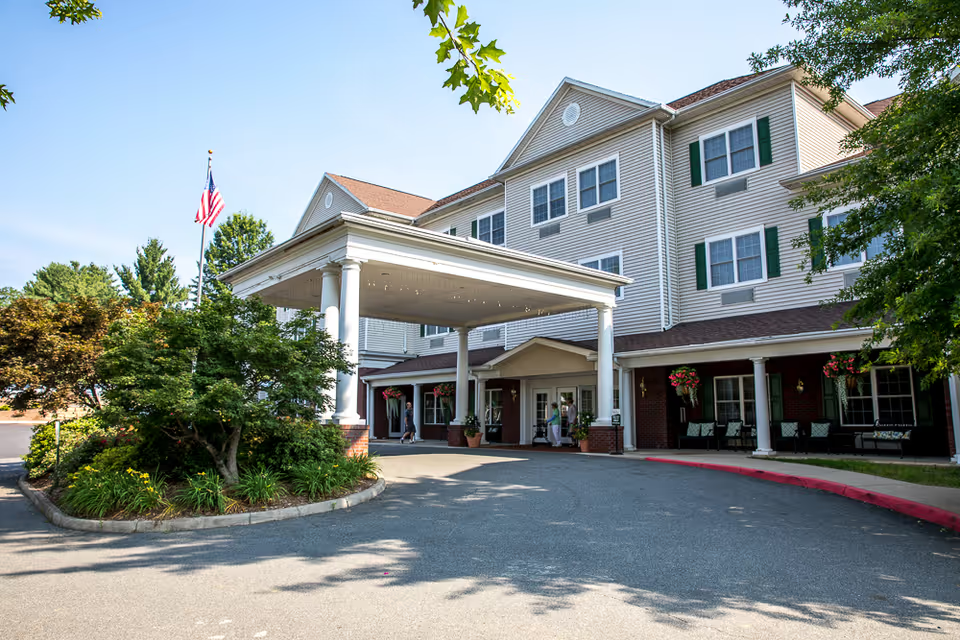
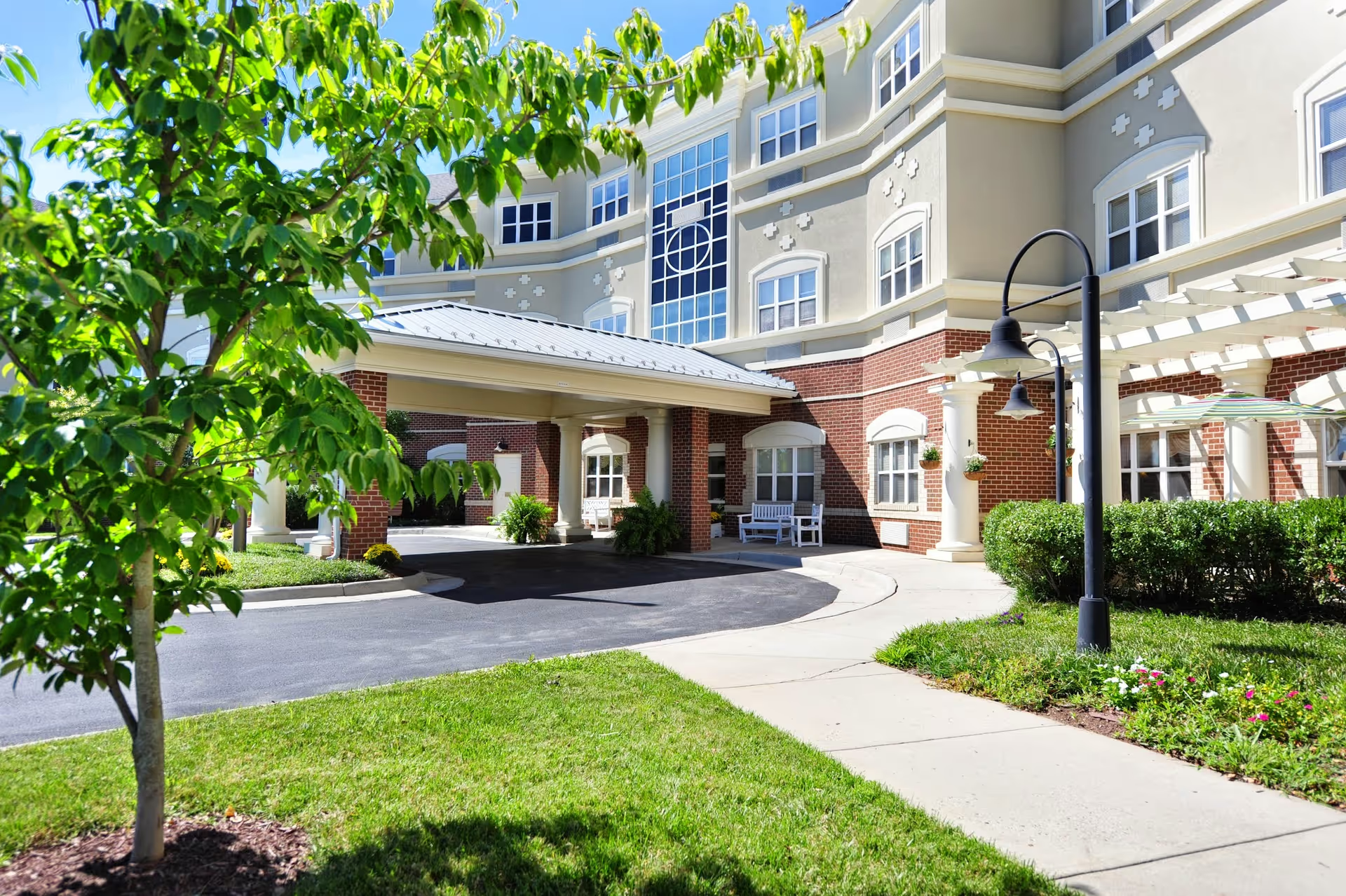
Facility condition observations are mixed. Several reviewers note recent renovations and a generally clean, welcoming environment in many areas, while other reports raise sanitation and pest‑control concerns in specific units. This contrast suggests variability across wings or time periods; families should check unit‑specific cleanliness records and state inspection results. Private rooms and updated decor were noted positively in several accounts.
Management and communications are a prominent theme. Positive comments reference transparent leadership, improvements tied to management changes, and strong DON presence. However, a substantial portion of reviews describe weaknesses in management follow‑up, unreliable voicemail/phone responsiveness, and inconsistent family communication — including frustration after serious clinical events or end‑of‑life situations. A small number of reviews include serious allegations such as missing belongings, medication diversion, and abrupt discharge actions; those items are described here as allegations and warrant review of facility policies, incident reporting procedures, and regulatory history.
Overall pattern: experiences appear polarized. Many families describe high‑quality, compassionate care and strong rehabilitation outcomes, while others report operational lapses in responsiveness, medication oversight, cleanliness, and communication. Prospective residents and families should schedule an in‑person tour, request recent state inspection and incident logs, ask about current staffing levels and use of agency staff, review medication‑management and incident‑report procedures, and evaluate unit‑level cleanliness and pest‑control measures before making a placement decision.