The reviews for Monticello Ridge Crossing Fac present a mixed picture, with clear strengths at the level of day-to-day care and tangible operational concerns centered on leadership and family communication. On the positive side, multiple accounts emphasize a clean, well-maintained interior and rooms that many found attractive and comfortable. Frontline staff and service delivery receive direct praise in several reviews, and some residents expressed satisfaction with their daily care experience.
Care quality appears to be uneven in perception: while routine care and responsiveness are highlighted by satisfied residents, there are also consistent concerns about how care-level decisions are managed. Several reviewers described situations in which management recommended or insisted on higher levels of care for relatively minor needs; this pattern suggests an institutional tendency toward conservative or assertive escalation of services rather than a purely clinical assessment model.
Staff interactions and responsiveness are described in two distinct ways. Many reviewers praised staff for attentive service and cleanliness, indicating strengths in everyday caregiving and environmental hygiene. At the same time, other accounts raise concerns about staff attentiveness being compromised by personal device use, and about the tone of communication between staff/leadership and residents or families. These contrasting observations point to variability between frontline caregivers and supervisory practices.
Dining and basic amenity provisioning are not a dominant theme in the reviews, but a few practical issues were noted. One specific example was inconsistent availability of simple amenities (for example, ice for beverages). That item suggests there may be occasional gaps in hospitality or housekeeping routines rather than a systemic food-quality problem described in the feedback.
Activity programming received little detailed feedback in the collected summaries; reviewers did not provide a clear signal about the breadth or frequency of organized activities. Prospective families seeking an active program should request current activity schedules during a visit.
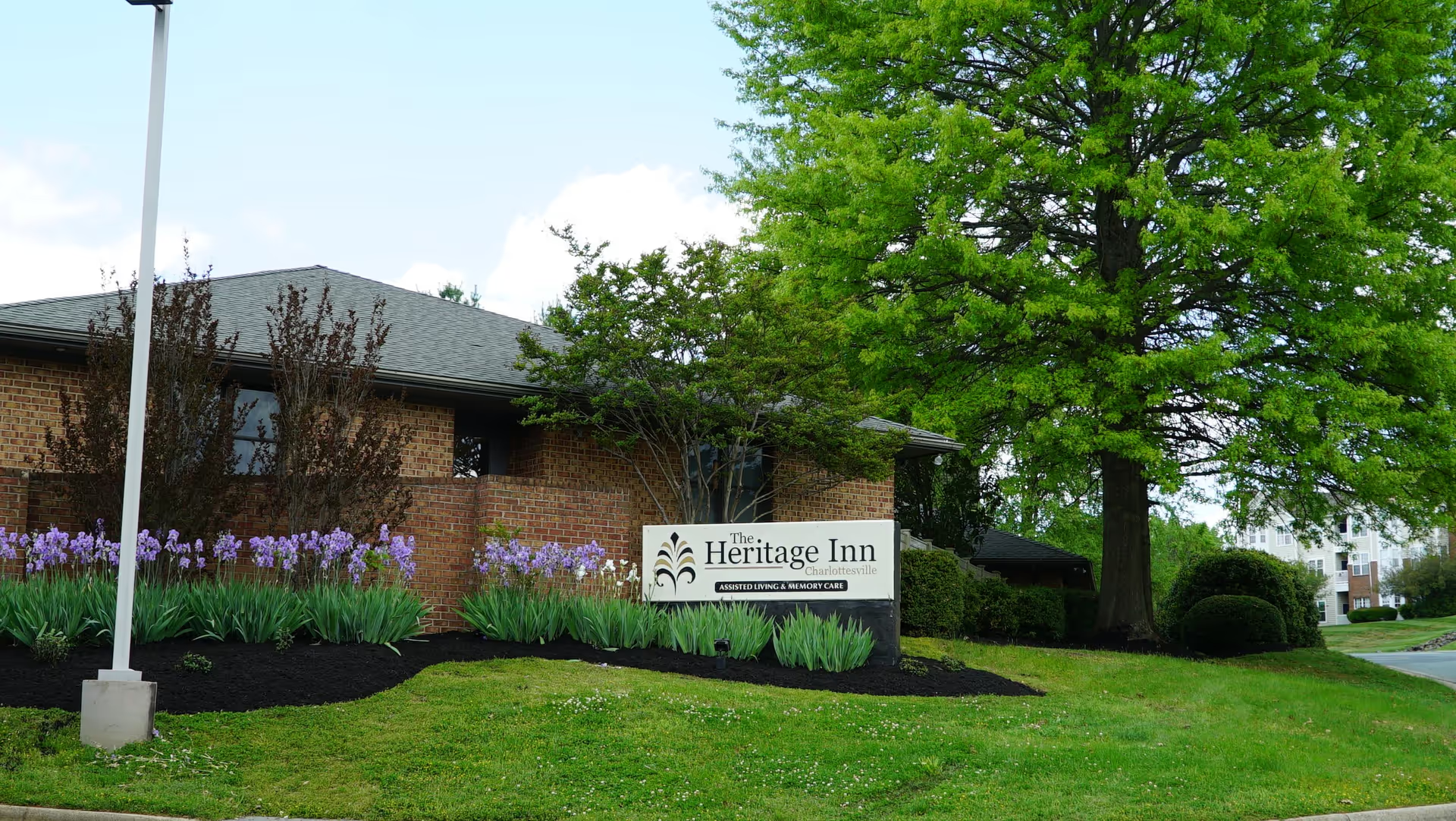
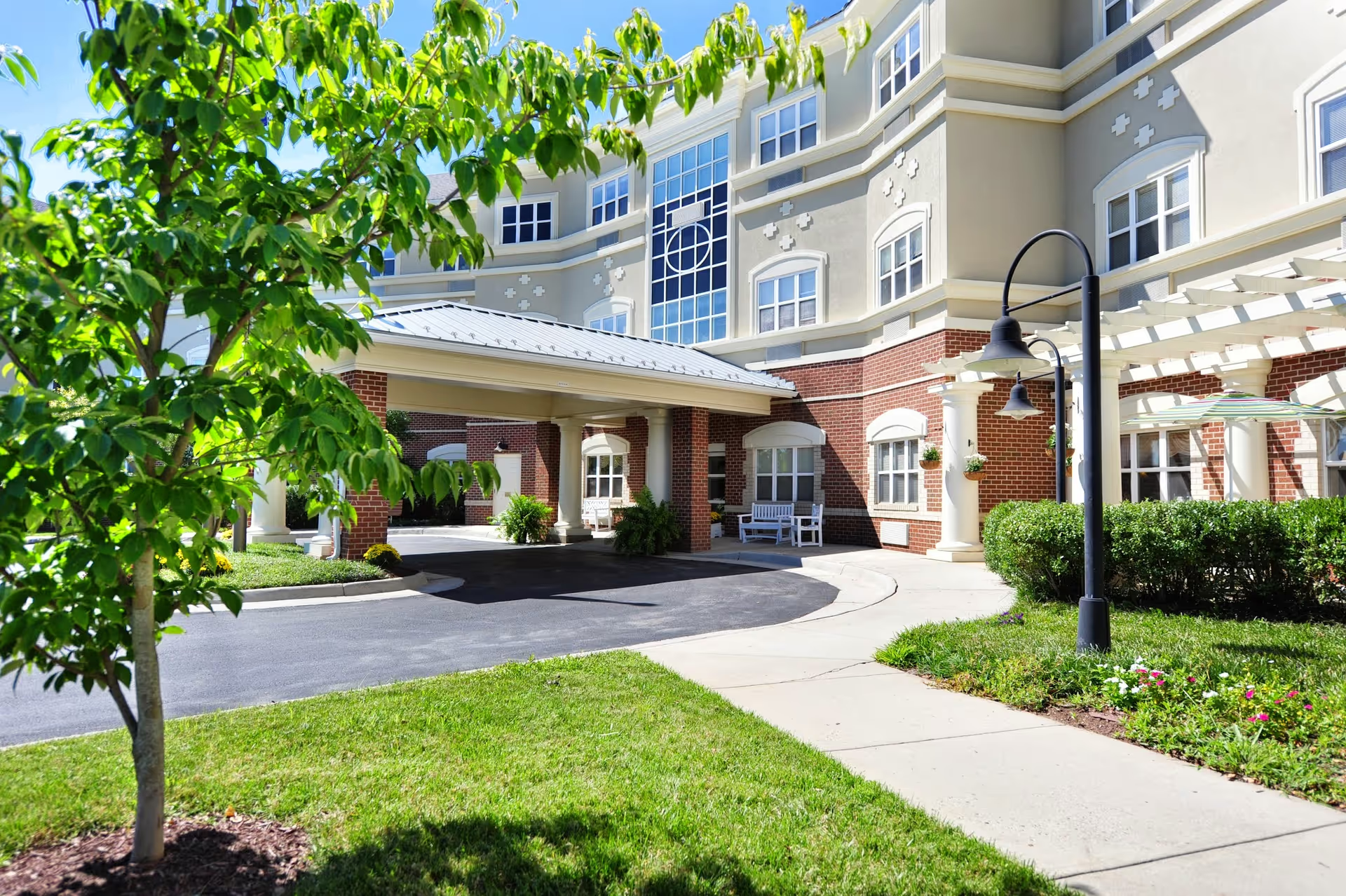
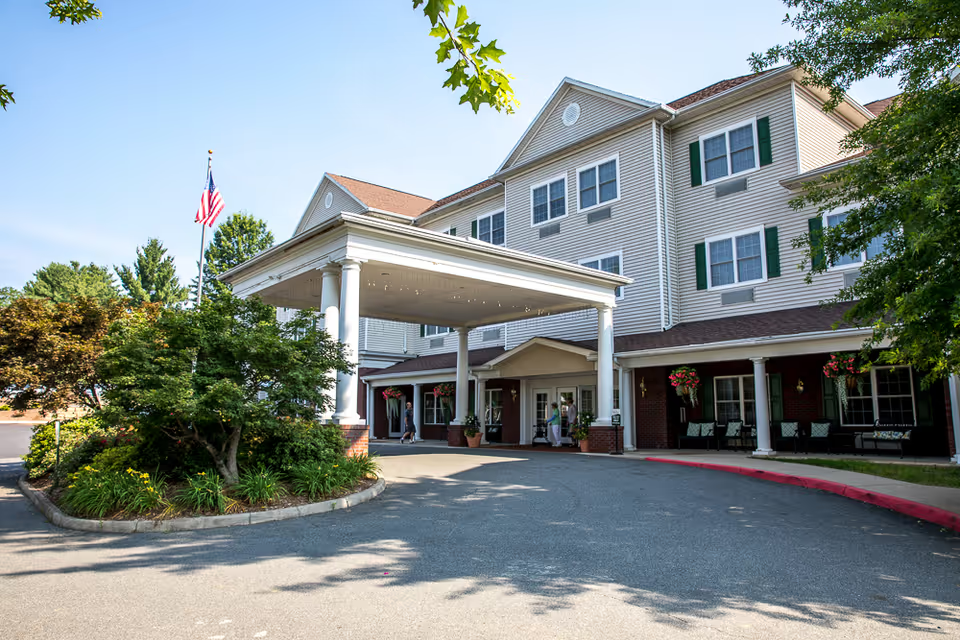
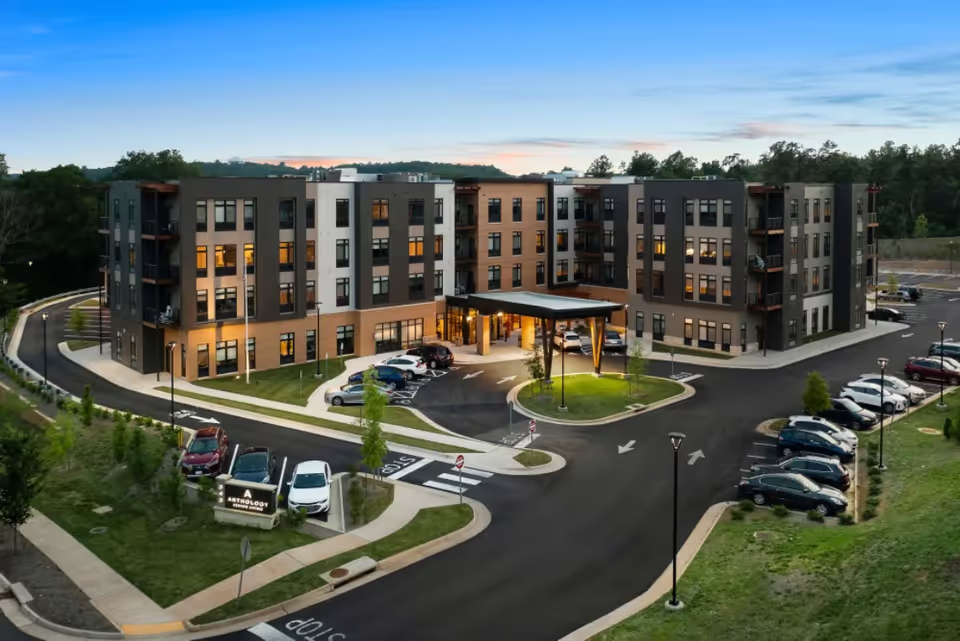
Facilities show a split between interior and exterior impressions. Internally the facility is described as clean and well-kept, with rooms that some reviewers found pleasant. Conversely, reviewers noted that some rooms feel small or cramped and that exterior areas and curb appeal are less well maintained. Those differences indicate generally sound interior maintenance with opportunities to improve outdoor spaces and unit layout usability.
Management and ownership are the most commonly cited areas of concern. Multiple comments characterize leadership as controlling and describe limited openness to family involvement and questions. Communication tone and enforcement of policies are recurring themes; reviewers describe interactions that feel intimidating or restrictive, and families expressed frustration with perceived barriers to involvement. Taken together, these items point to a need for clearer, more family-centered communication practices and review of care-escalation and visitor-engagement policies.
In summary, Monticello Ridge Crossing Fac demonstrates operational strengths in cleanliness, room presentation, and many aspects of frontline caregiving, but exhibits notable leadership-and-policy-related weaknesses. Prospective residents and families should consider an on-site visit that probes current management-family communication practices, clarifies care-level escalation criteria, inspects room sizes, and confirms amenity routines (for example, beverage service) before making a placement decision.