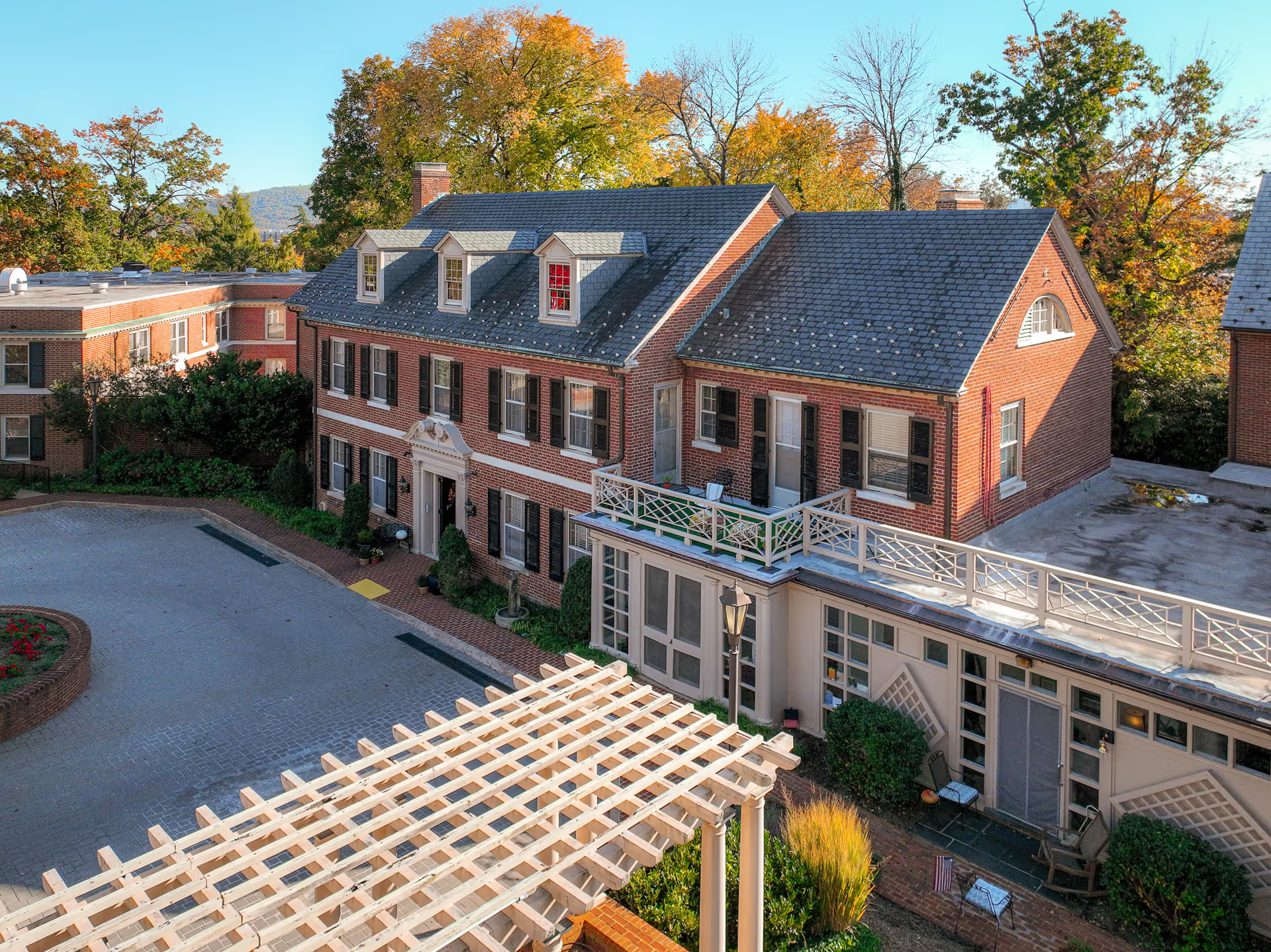
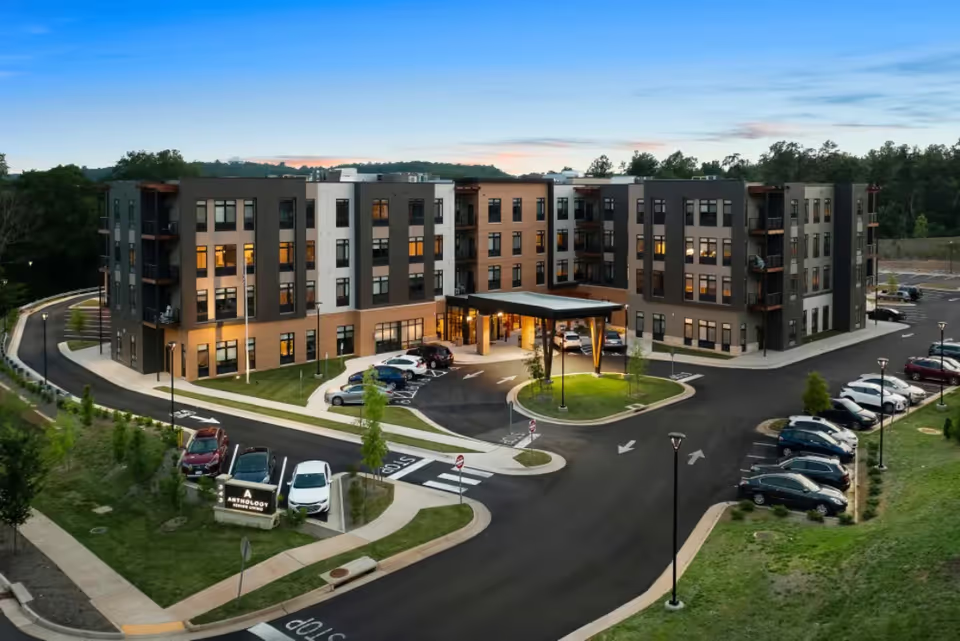
Westminster-Canterbury of the Blue Ridge presents as a high-end continuing care retirement community with many facility-level strengths and a few operational weaknesses to weigh. The campus is repeatedly described as attractive and well cared for: graceful architecture, tasteful interior finishes, extensive landscaping, private gardens, and sweeping Blue Ridge views. Housing options are varied (cottages, multilevel apartments) and many common areas — meeting rooms with up-to-date technology, music recital spaces, library, game rooms, and communal dining venues — support a full social life. The location and partnerships with the University of Virginia and nearby cultural centers are emphasized as enhancing lifelong-learning and recreational opportunities.
Clinical and therapeutic offerings are a clear strength. Review content indicates an on-site continuum of care that includes a dedicated healthcare unit, 24/7 clinical oversight, on-site physical therapy and rehabilitative services, and therapeutic pool programming. Direct care staff receive frequent positive mentions for attentiveness and compassion, and volunteers are noted as an important supplement to daily life. At the same time, several operational patterns raise concern for prospective residents who anticipate higher-acuity care needs: reviewers indicate instances of insufficient staffing at the highest levels of care and examples of delayed clinical or administrative responses, suggesting a need to confirm current staffing ratios and escalation procedures.
Dining, programming, and on-campus amenities are consistently highlighted. Multiple dining rooms, a generous buffet approach, specialty dining options, and ancillary services such as dining vouchers and the Compass Club are cited positively. The activity schedule appears robust, with sporting opportunities, classes, water therapy, music, and lifelong-learning ties to the university. Transportation services, including shuttle options and scheduled trips, add practical value for residents who wish to remain engaged in the broader Charlottesville community.
Several administrative and management concerns recur across the summaries. Financial and billing controls are an area of caution — reviewers referenced billing overcharges and broader financial-administration weaknesses. There are also references to pharmacy coordination problems and at least one specific allegation related to unauthorized pharmacy changes; prospective residents should verify pharmacy and medication-management workflows. Communication gaps are another theme: management-level responsiveness, unreturned calls, and uneven follow-through on maintenance requests were described. Some reviewers singled out gate or front-desk interactions as brisk or unwelcoming, indicating variability in front-line conduct.
Practical considerations include cost, site topography, and wayfinding. The community is positioned as premium-priced, with both a substantial entrance fee and notable monthly charges. The mountaintop, hilly setting delivers strong scenic value but may present mobility and parking challenges; several reviewers described sparse signage and a confusing layout. Prospective residents and families would benefit from touring the campus multiple times, asking detailed questions about higher-acuity staffing, medication/pharmacy procedures, billing practices, emergency response protocols, and amenity supervision policies for family use.
Overall, Westminster-Canterbury of the Blue Ridge is consistently praised for its environment, amenities, dining, and many frontline caregivers, making it an attractive option for those seeking a well-appointed continuing-care community with strong social and therapeutic offerings. At the same time, notable administrative gaps — in financial controls, management responsiveness, and certain clinical coordination areas — suggest that careful contract review and direct verification of operational practices are advisable before committing.