Overall assessment: Reviews indicate Heritage Hall Grundy provides a clean, well-maintained environment with many staff members described as caring, knowledgeable, and professional. Several families praised short-term rehabilitation, regular housekeeping, and compassionate end-of-life care. The activities department and portions of the administrative and clinical leadership received positive remarks for resident engagement and supportive interactions with families.
Care quality and clinical practices: Clinical care is characterized by many comments about compassionate nursing and attentive caregiving, particularly for short-term rehabilitation and comfort-focused needs. However, recurring operational concerns include inconsistent medication-management practices and limited communication to patients and families about medications. Reviewers also described slow responses to call requests; one specific example cited a long wait for assistance. These patterns point to areas where clinical workflows and response protocols may require attention.
Staff and management: Staff kindness, empathy, and professional demeanor are consistent strengths. At the same time, reviews point to workforce stability issues tied to compensation and recognition, and to inconsistent leadership follow-through. These operational and human-resource challenges appear to affect responsiveness and continuity of care in some cases. Communication with social work or case-management staff was described as uneven, with reports of delayed or missed callbacks.
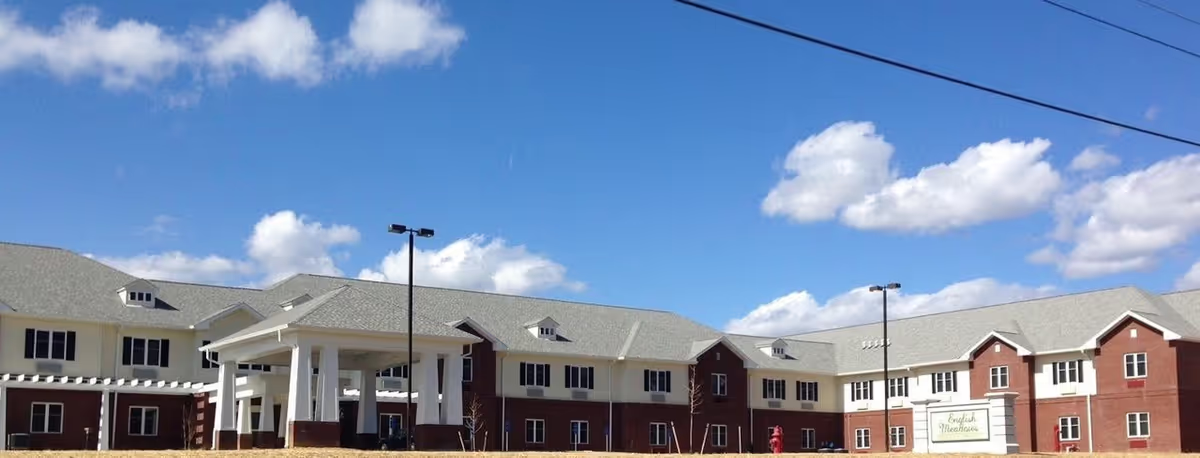
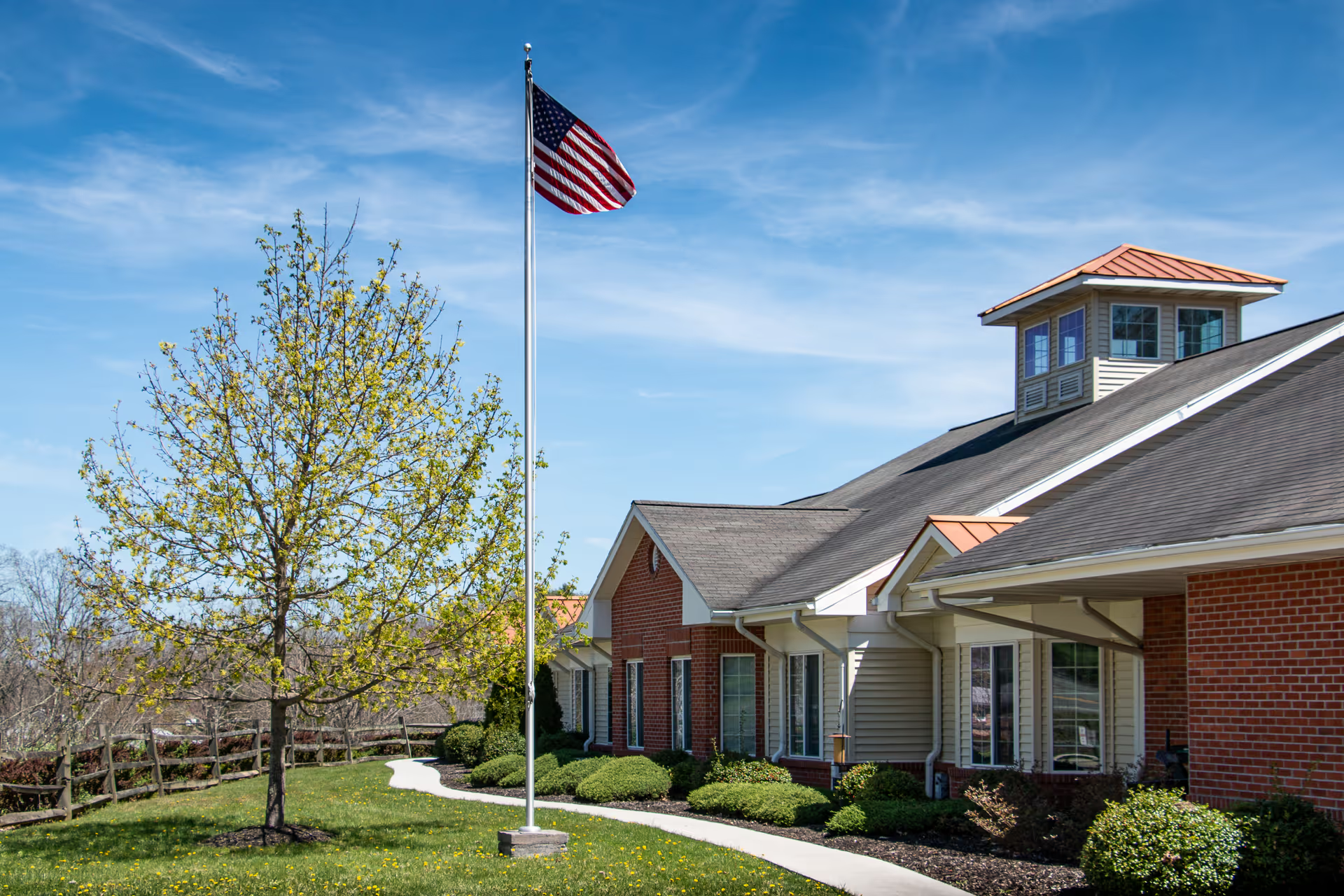
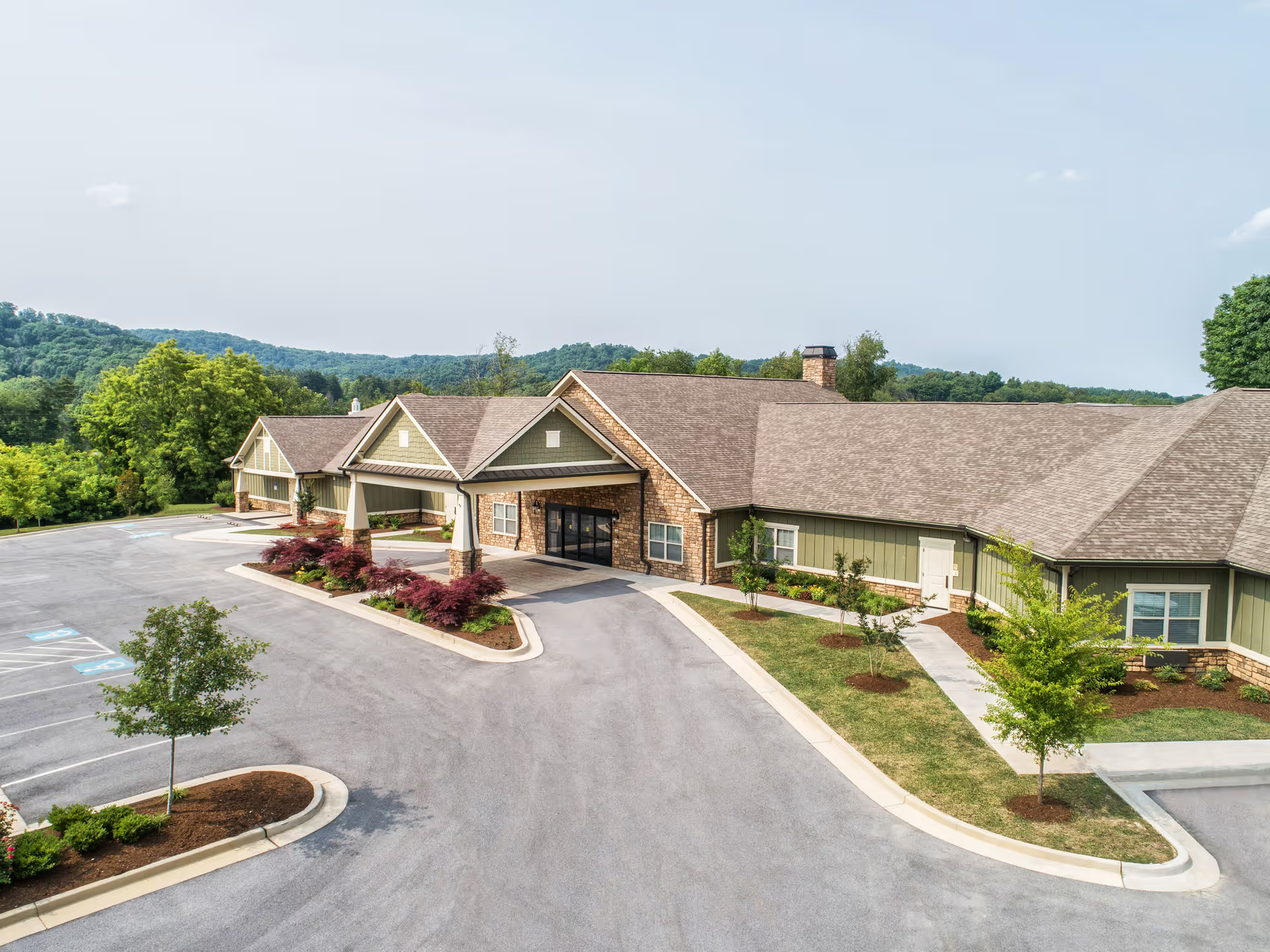
Facilities, environment, and safety: The facility is frequently described as updated and well kept, with routine cleaning and adequate supplies. Noted environmental concerns include pest-control issues observed on the property and limited outdoor spaces or structured outdoor activities. Reviewers also raised concerns about enforcement of smoking policies among residents, indicating a need for clearer behavioral supervision or policy implementation.
Activities, family involvement, and dining: The activities program received positive feedback for engagement and resident participation. At the same time, some families experienced limited opportunities for involvement or felt communication about a resident's status could be improved. There was little specific feedback about dining quality or consistency; reviewers did not provide enough detail to assess meal services reliably.
Notable patterns and guidance for prospective families: Strengths center on compassionate bedside care, clean facilities, and a robust activities program. Operational weaknesses cluster around responsiveness, medication practices, communication channels, staff retention, and some environmental-control issues. Prospective residents and families should consider touring the facility, asking for details on medication administration protocols, average call-response times, staffing stability, pest-control plans, outdoor access and activities, and how smoking policies are enforced. Confirming current leadership initiatives to address communication and retention may also clarify how ongoing concerns are being managed.