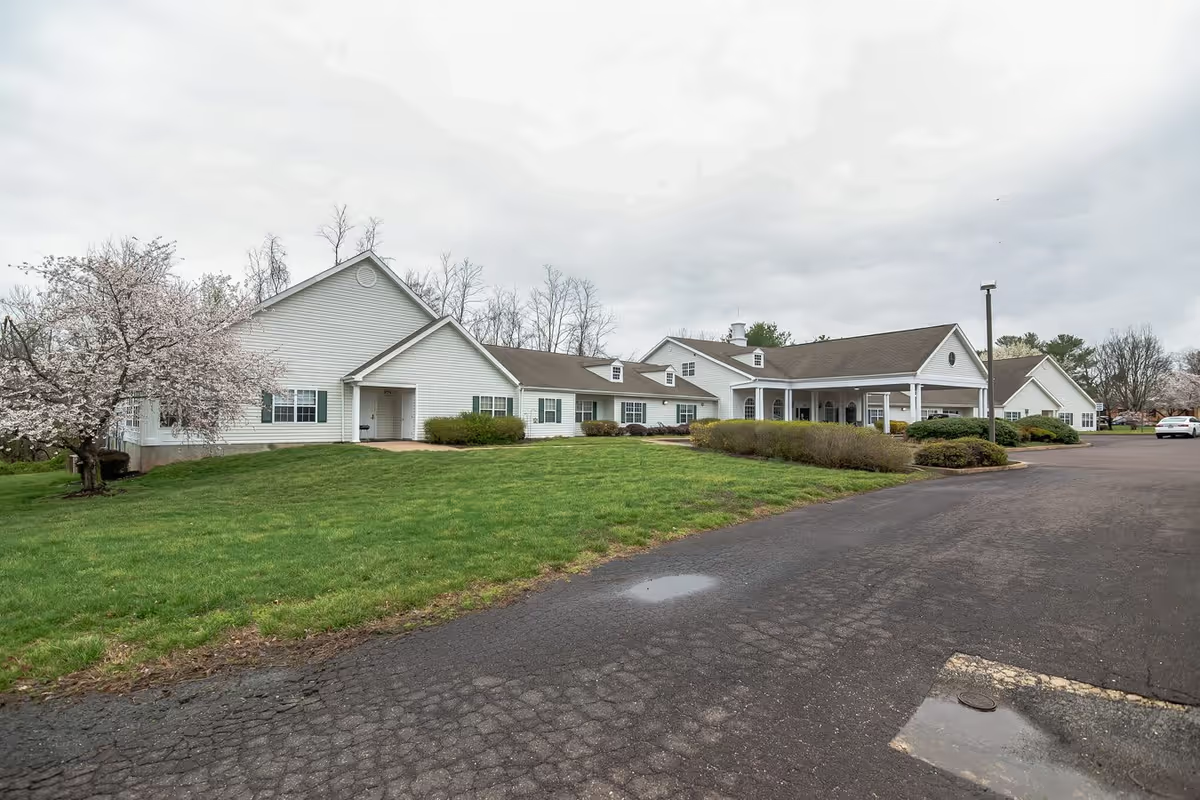
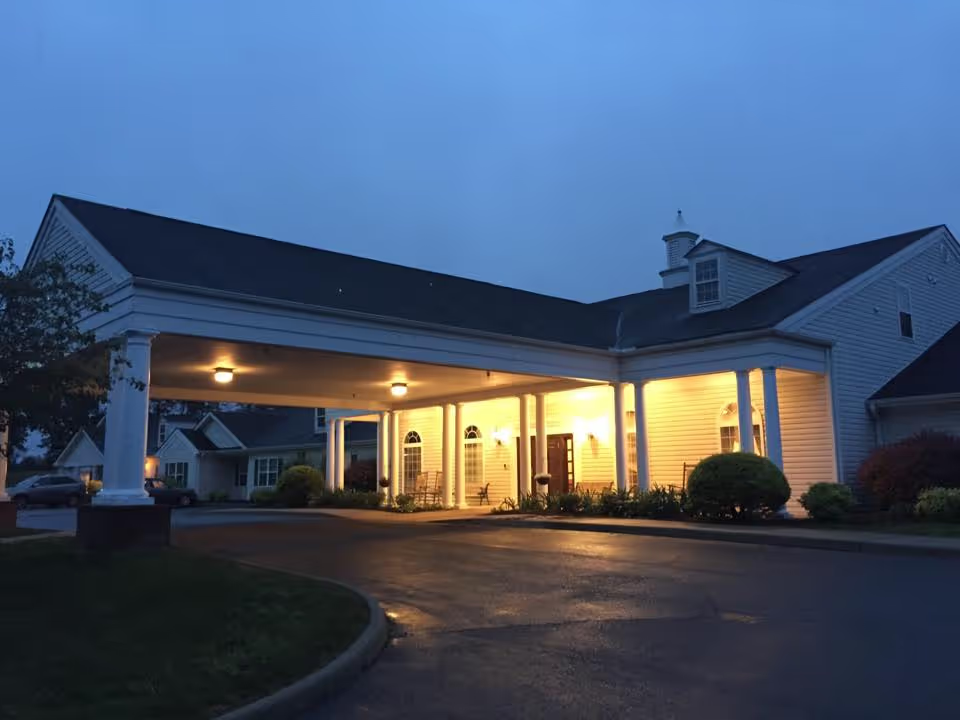
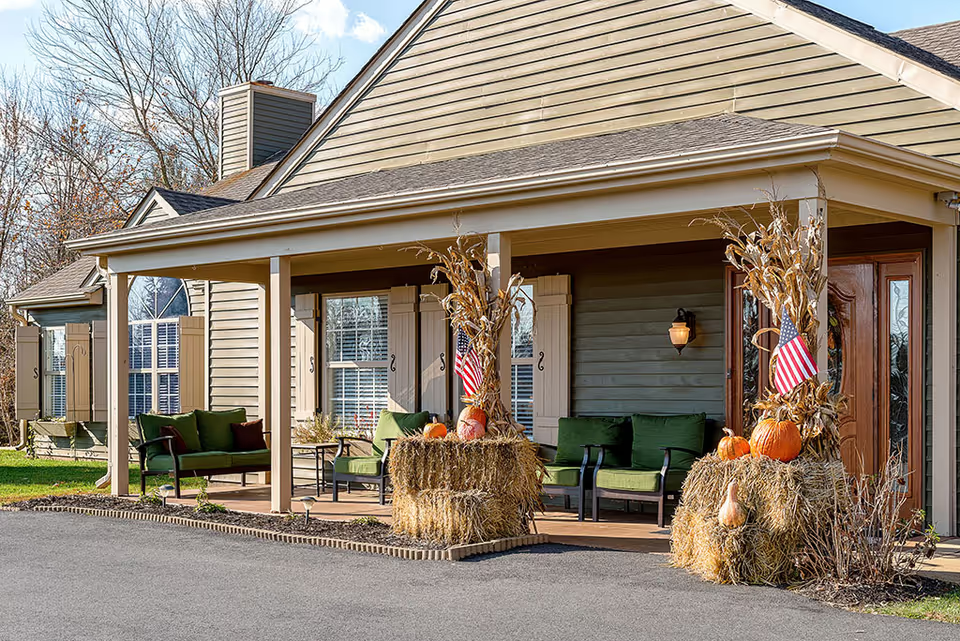
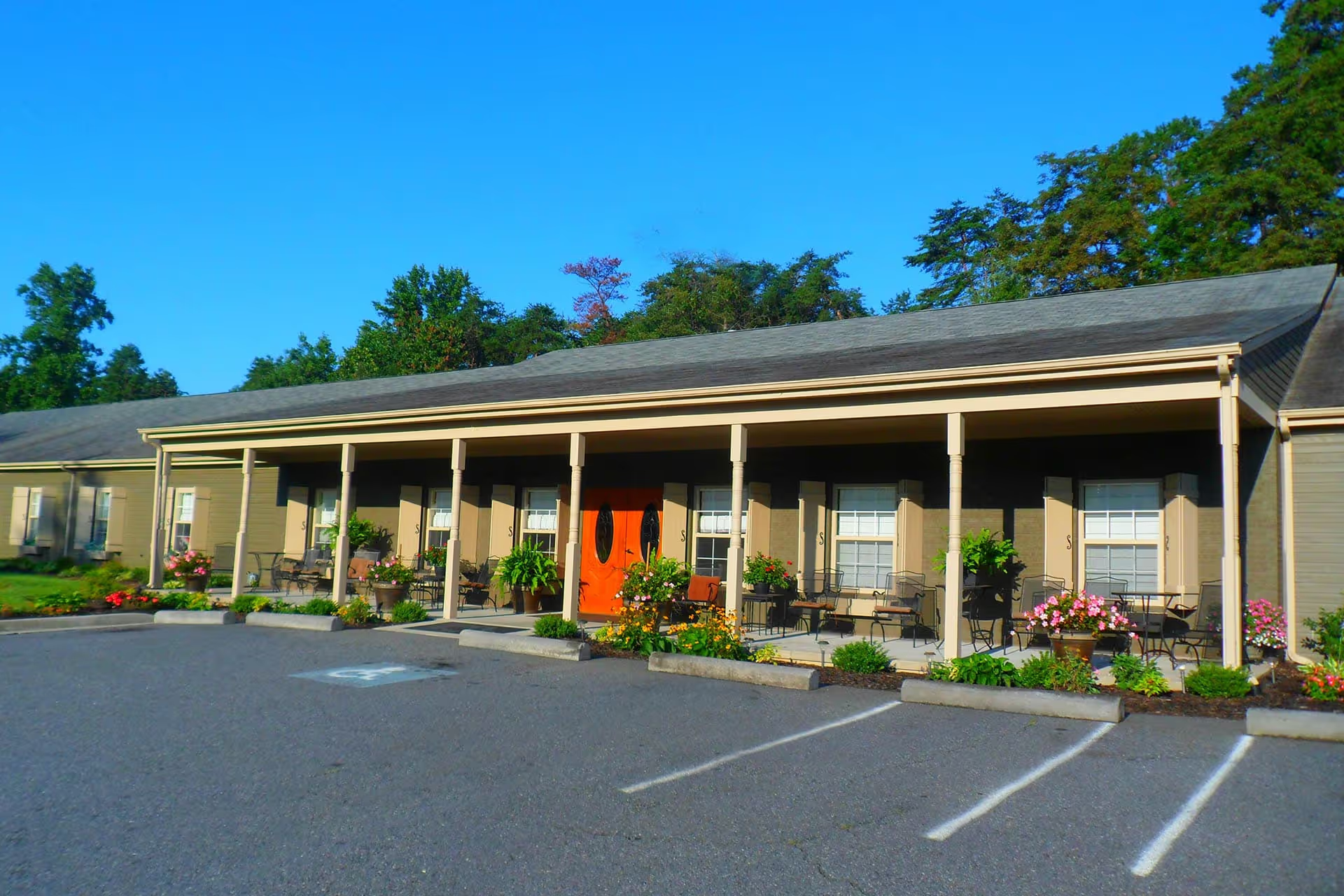
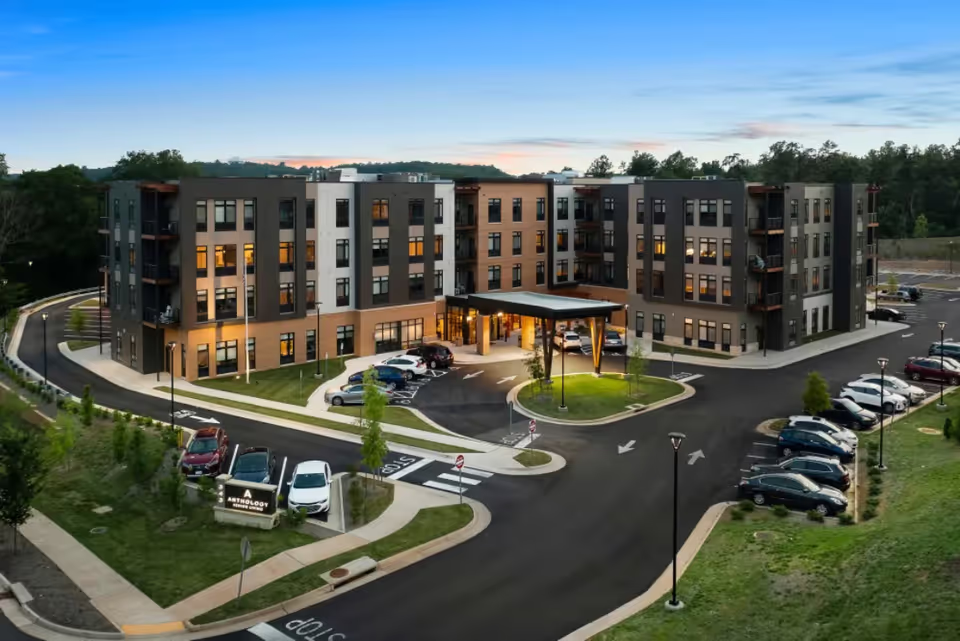
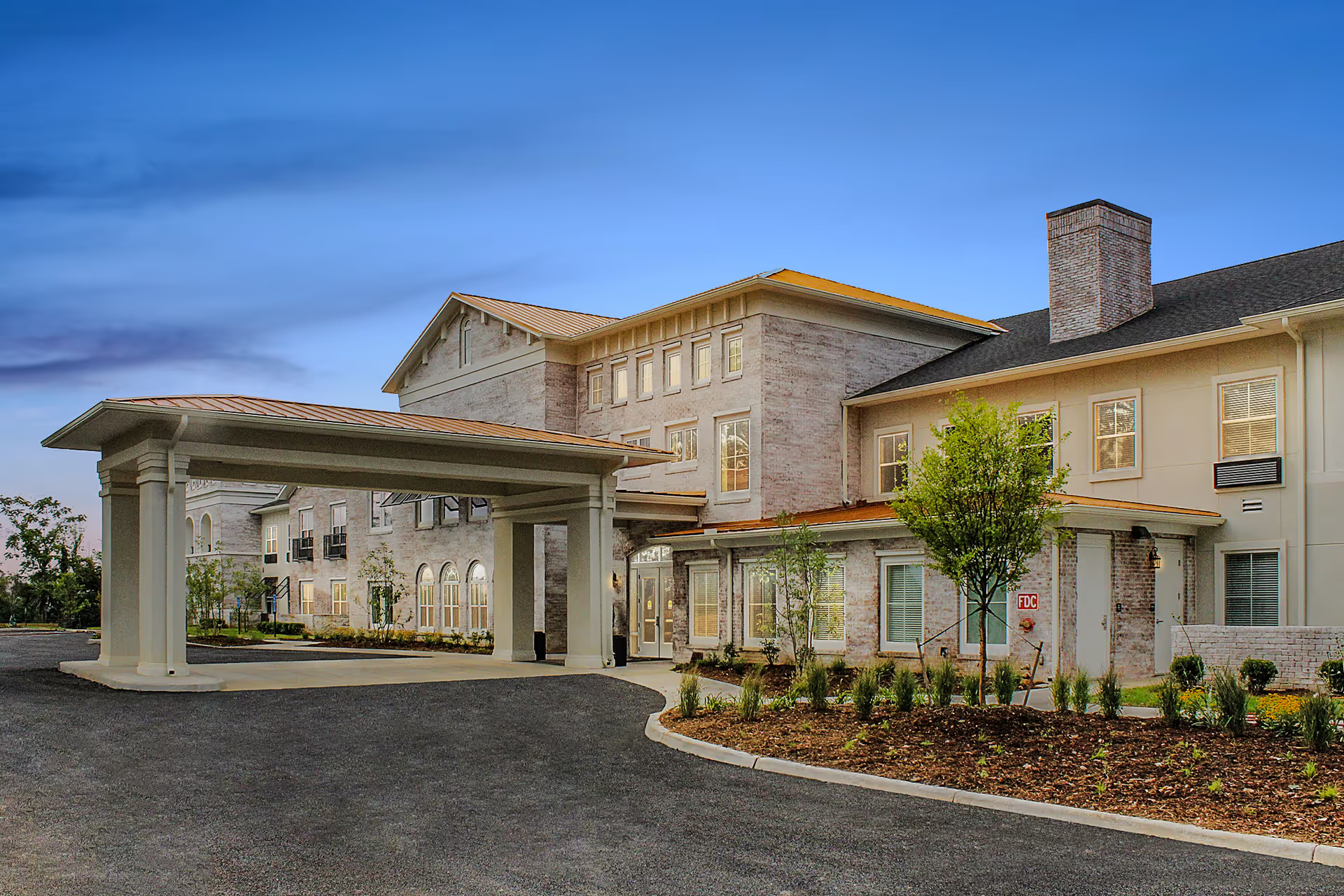
The reviews present a strongly polarized picture of Lavender Hills Orange Campus. Many families highlight genuinely strong elements—compassionate, attentive caregivers; solid dementia/memory-care capabilities; a small, family-like atmosphere; and several examples of proactive communication and cross-department teamwork. The facility’s physical setting and recent renovations, pleasant outdoor spaces, and an established dining reputation also attract positive comments. For some residents the environment appears to support dignity, grooming, and meaningful social engagement.
At the same time, a substantial set of operational concerns appears across the reviews. Staffing is uneven: while individual employees are described as exceptional, there are recurring descriptions of inconsistent staff performance, high turnover, and pay/morale problems that appear to affect continuity of care. Several accounts raise concerns about staff conduct and responsiveness to resident needs, and a few describe clinical events (including a fall) that point to gaps in fall-prevention and clinical-incident response processes.
Dining and activities receive mixed assessments. The campus has a positive reputation for some meals and special dining events, but there are also consistent comments about limited menu variety, reliance on packaged or convenience items, and snack offerings that some families find inadequate. Activity programming exists and can be engaging, but others characterize the schedule as limited or not consistently delivered, and participation is sometimes constrained by residents’ functional abilities.
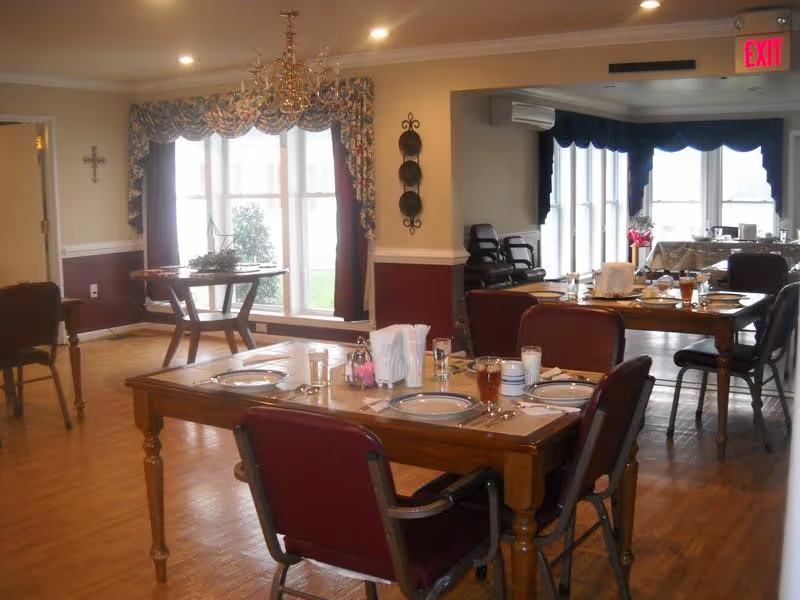
Facility maintenance and sanitation are another area of divergence. Many reviewers describe a clean, well-maintained, and attractive setting with no institutional odor, while others cite sanitation and odor concerns, moisture or mold issues, and specific maintenance failures that suggest gaps in preventative maintenance or safety-system reliability. These facility issues, coupled with occasional safety-system deficiencies, indicate a need for stronger facilities management and routine safety checks.
Management and administrative issues are a recurrent theme. Families describe inconsistent leadership responsiveness: some managers communicate proactively and address concerns, whereas others appear unresponsive or slow to act. Financial-administration problems—including billing disputes and questions about program charges—are raised and contribute to distrust in operations. There is also mention of external scrutiny in at least one instance, which prospective families should evaluate further.
Overall, the pattern is one of contrasts: a core of committed, compassionate staff and strengths in memory care and community atmosphere, alongside operational and management shortcomings that create risk and variability in resident experience. Prospective residents and families should consider touring the home, asking targeted questions about staffing levels and turnover, fall-prevention protocols, maintenance and safety checks, menu planning and activity schedules, billing practices, and recent regulatory or ownership changes. Speaking directly with current family contacts and requesting documentation of incident response procedures, staff training, and financial transparency can help assess whether the facility’s strengths will meet a particular resident’s needs.