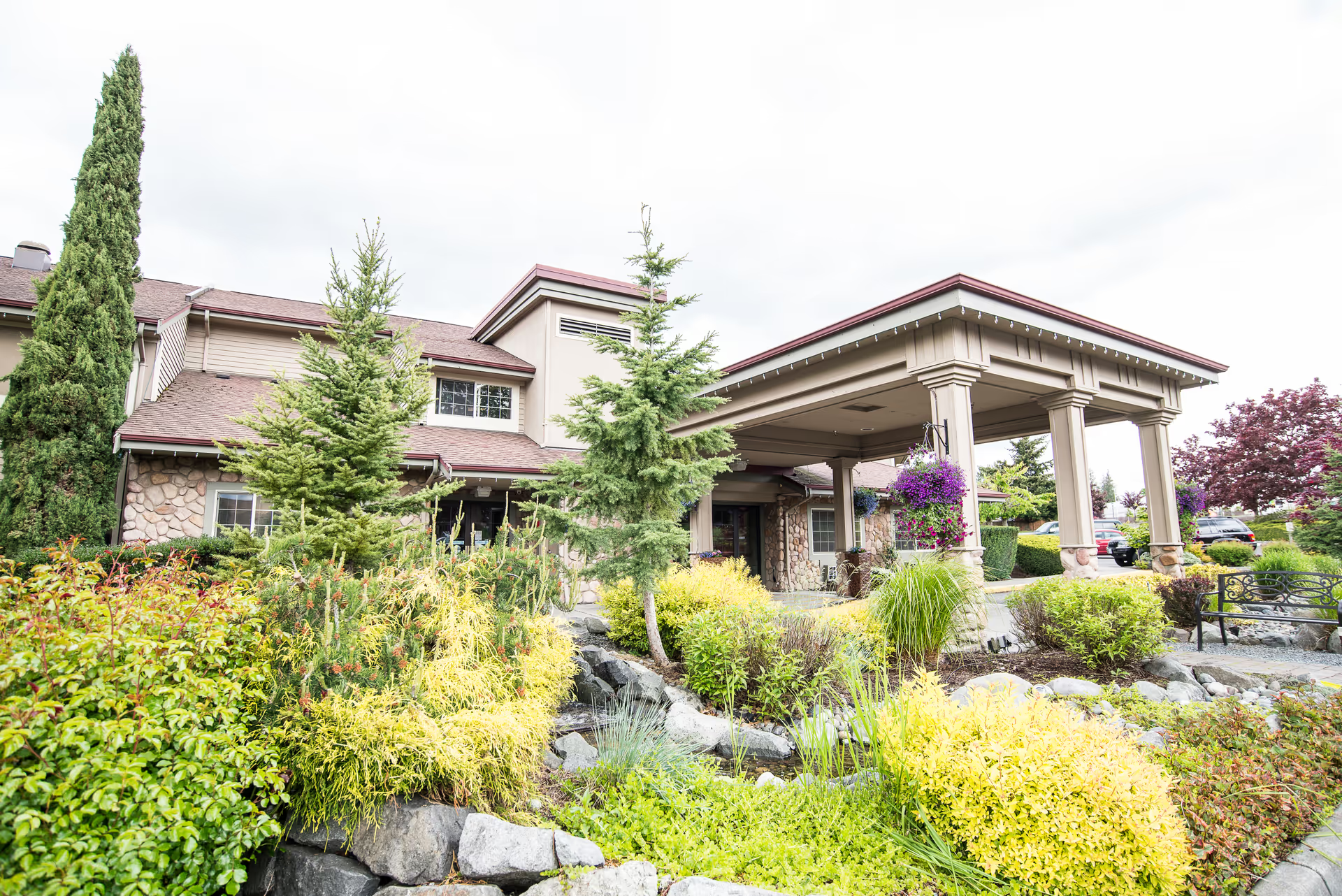
The reviews present a mixed but clear pattern: many comments emphasize compassionate, dignity-focused caregiving and a homelike, well-appointed atmosphere. Several reviewers used phrases such as "treats mom like a human" and "genuine care," indicating strengths in personalized attention and an emphasis on resident respect. The facility's characterization as a "great home" with a "touch of class" and "excellent services" suggests above-average presentation and service delivery in common areas and day-to-day support.
Care and staff: Overall impressions of care quality skew positive, with caregivers described as compassionate and attentive. At the same time, reviewers also raise concerns about inconsistent staff conduct and responsiveness. This creates a mixed picture: while many families experience respectful, individualized care, there are isolated reports indicating variability in how staff interact with some residents. These contrasting impressions point to strengths in frontline caregiving but potential gaps in consistent staff training, supervision, or shift-to-shift continuity.
Dining and activities: The summaries do not provide detailed information about meals or scheduled programming; however, references to "excellent services" and a "touch of class" imply that dining presentation and amenity-level offerings may be above average. Prospective families should ask for sample menus, accommodations for dietary needs, and an activities calendar during a visit to confirm the fit between expectation and daily practice.
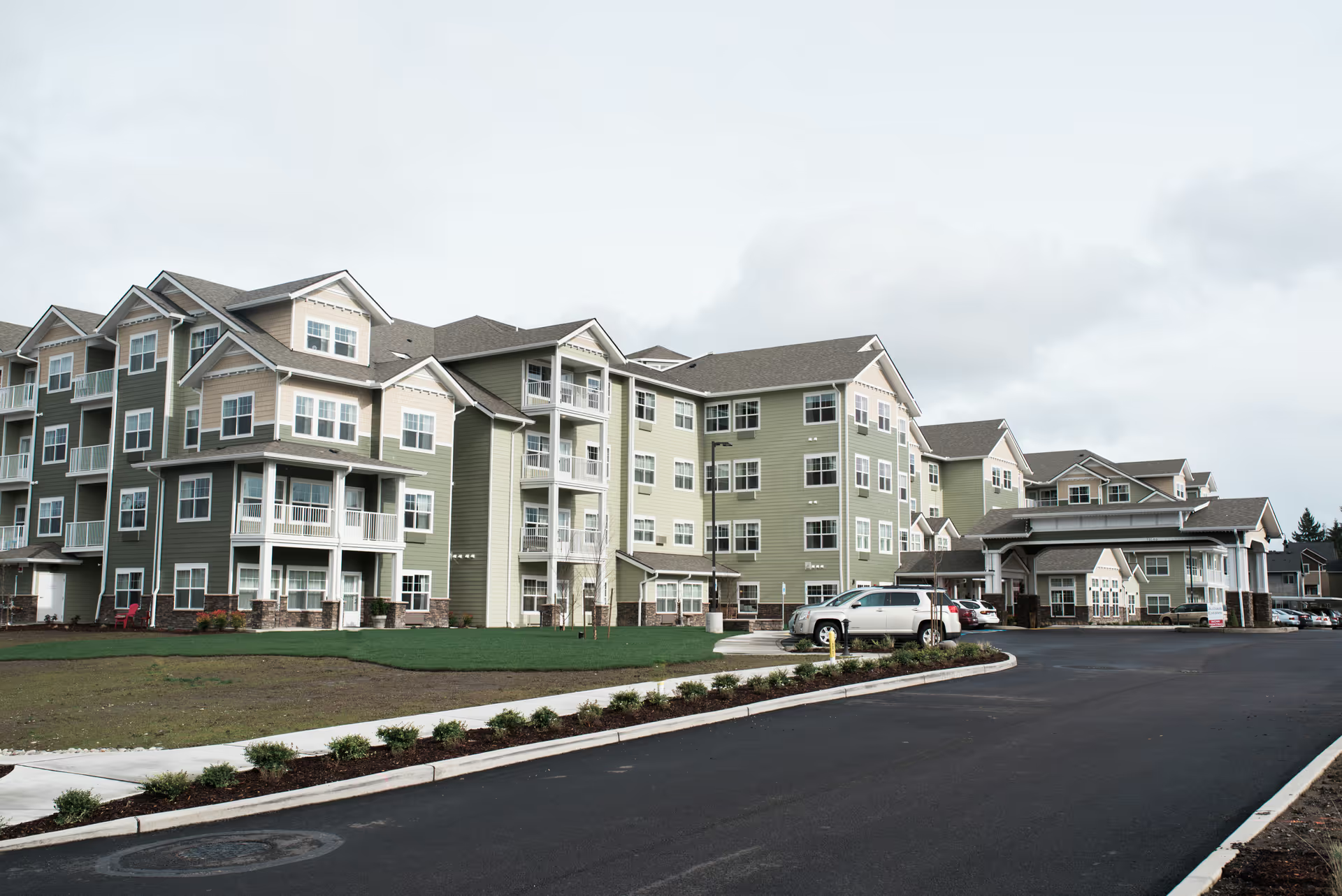
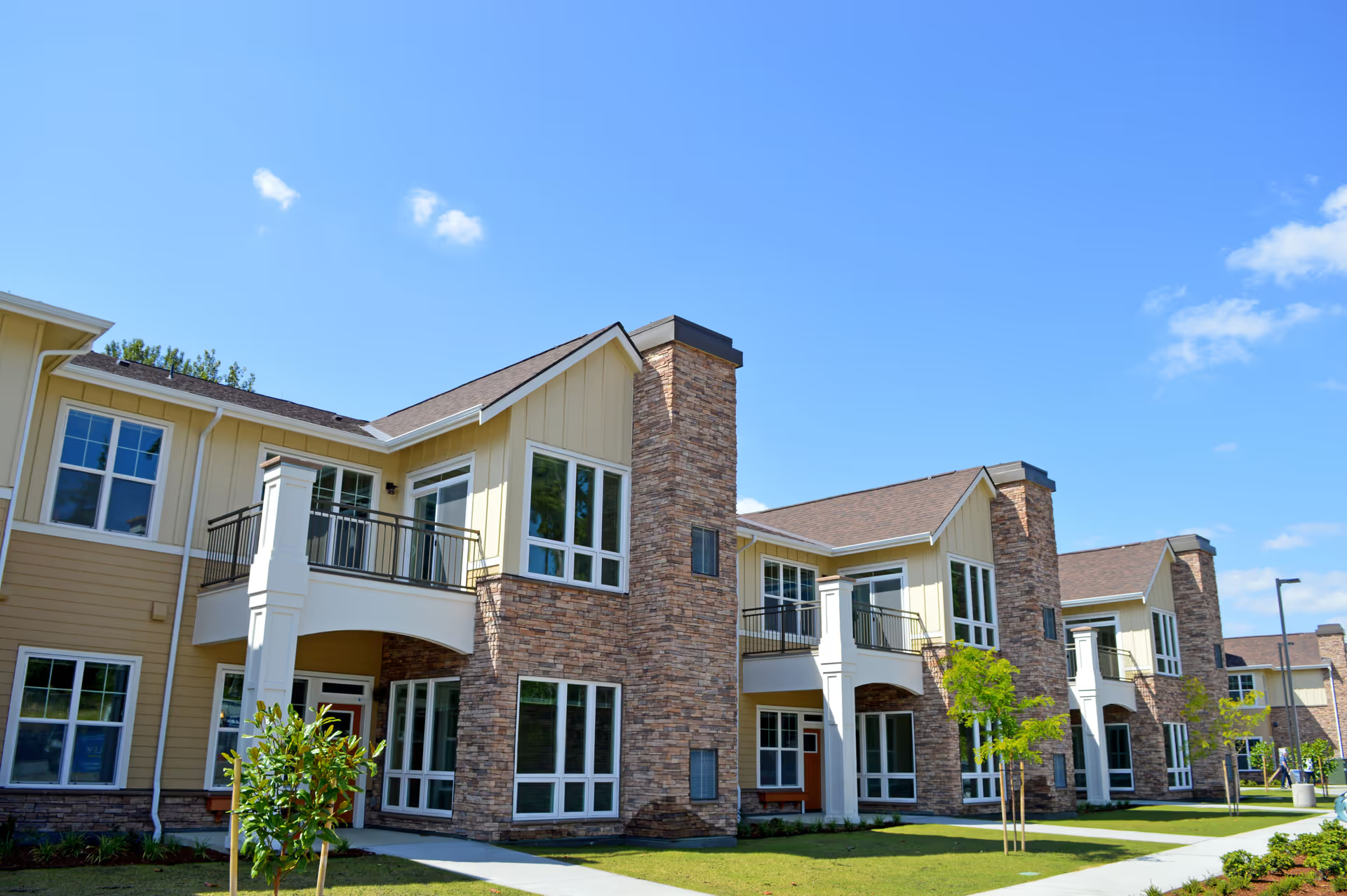
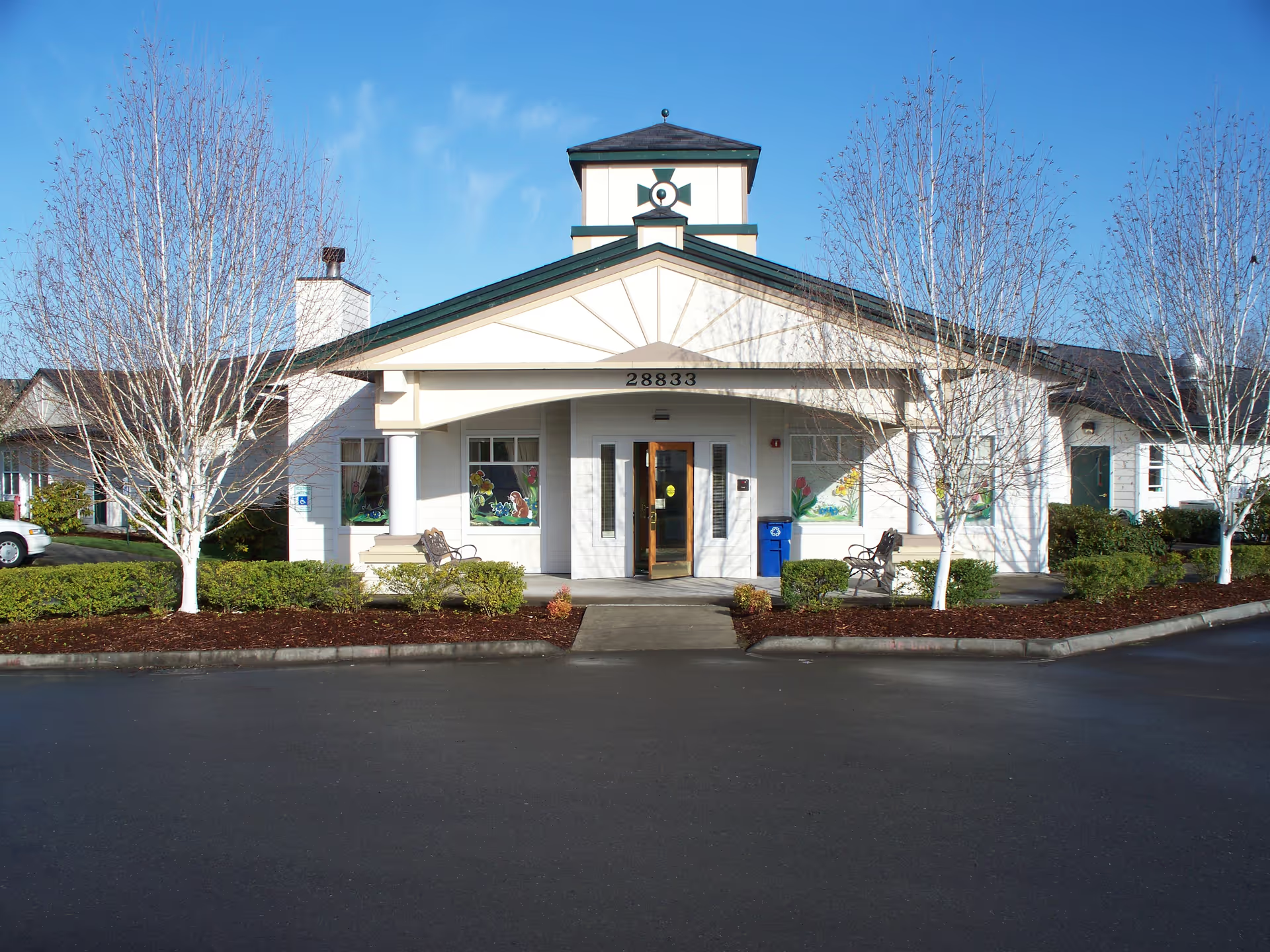
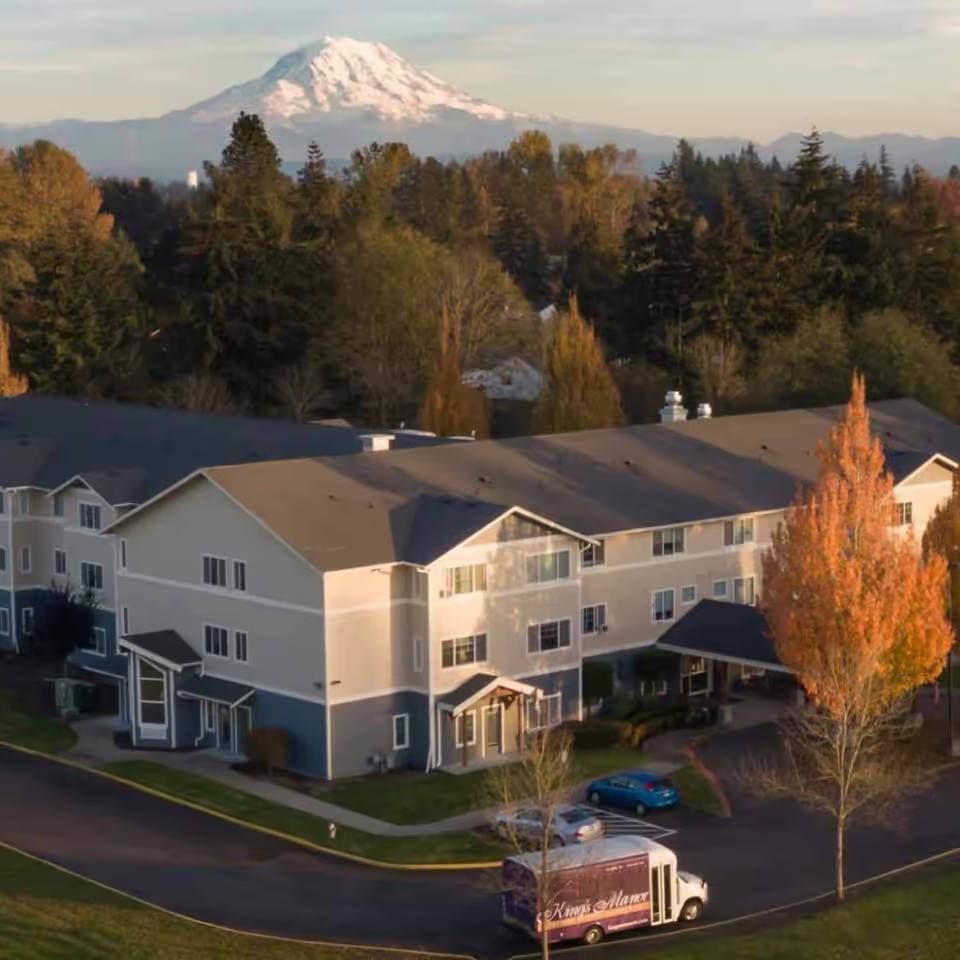
Facilities: Descriptions such as "homely" and "touch of class" suggest comfortable, well-maintained interiors and a pleasant residential environment. There is no specific mention of sanitation or maintenance problems in the summaries provided. Still, an in-person tour to assess room sizes, common spaces, accessibility features, and overall upkeep is recommended.
Management and policies: Notable concerns relate to restrictions on resident freedom and potential cultural-sensitivity issues. These indicate opportunities for clearer policies around resident autonomy, visitation, and staff communication standards, as well as targeted training on cultural competence and nondiscriminatory practices. The coexistence of strong, compassionate caregiving with reports of restrictive practices and conduct concerns suggests that management oversight and policy enforcement may be inconsistent.
Notable patterns and guidance: The overall pattern is one of generally positive caregiving and a pleasant environment, tempered by isolated but significant concerns about staff behavior, resident autonomy, and cultural sensitivity. Prospective residents and families should observe staff–resident interactions during a visit, request written policies on resident rights and visitation, inquire about staff training and complaint-resolution procedures, and speak with current families about consistency of care. If concerns about discriminatory conduct are a particular worry, ask how the facility trains staff on cultural competence and how it investigates and documents such complaints.