Reviewer feedback for Washington State Soldiers Home is markedly mixed, with distinct positive themes around caregiving, social programming, and the campus environment alongside significant operational concerns. Many accounts praise the quality of personal care: staff and nursing teams are described as attentive, compassionate, and willing to engage residents in meaningful ways. The facility offers 24-hour nursing coverage and a broad activities calendar — examples include fishing at a private pond, pizza-making, motorcycle and car shows, AA meetings, and other community events — which several reviewers said contributed to residents’ quality of life and social engagement.
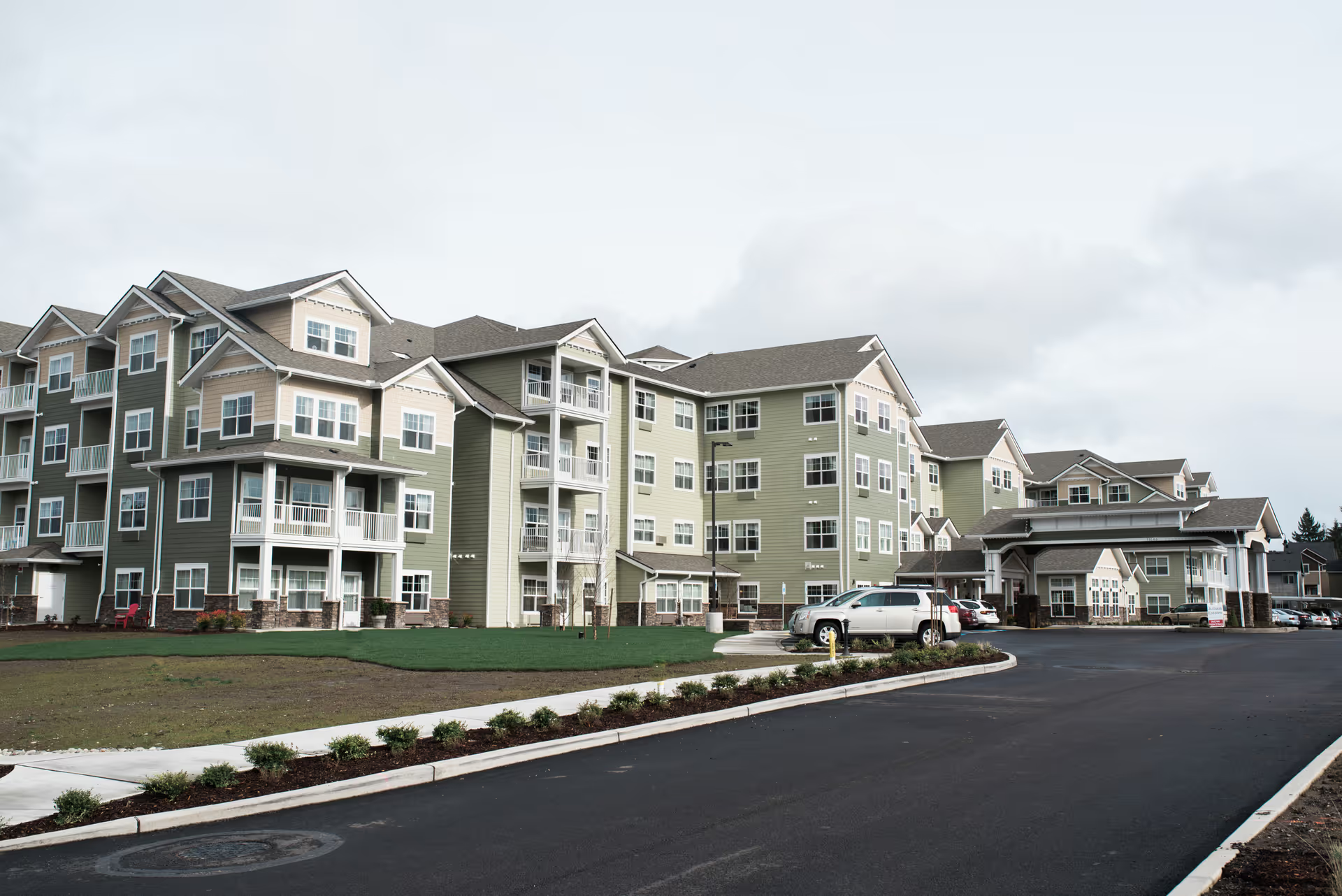
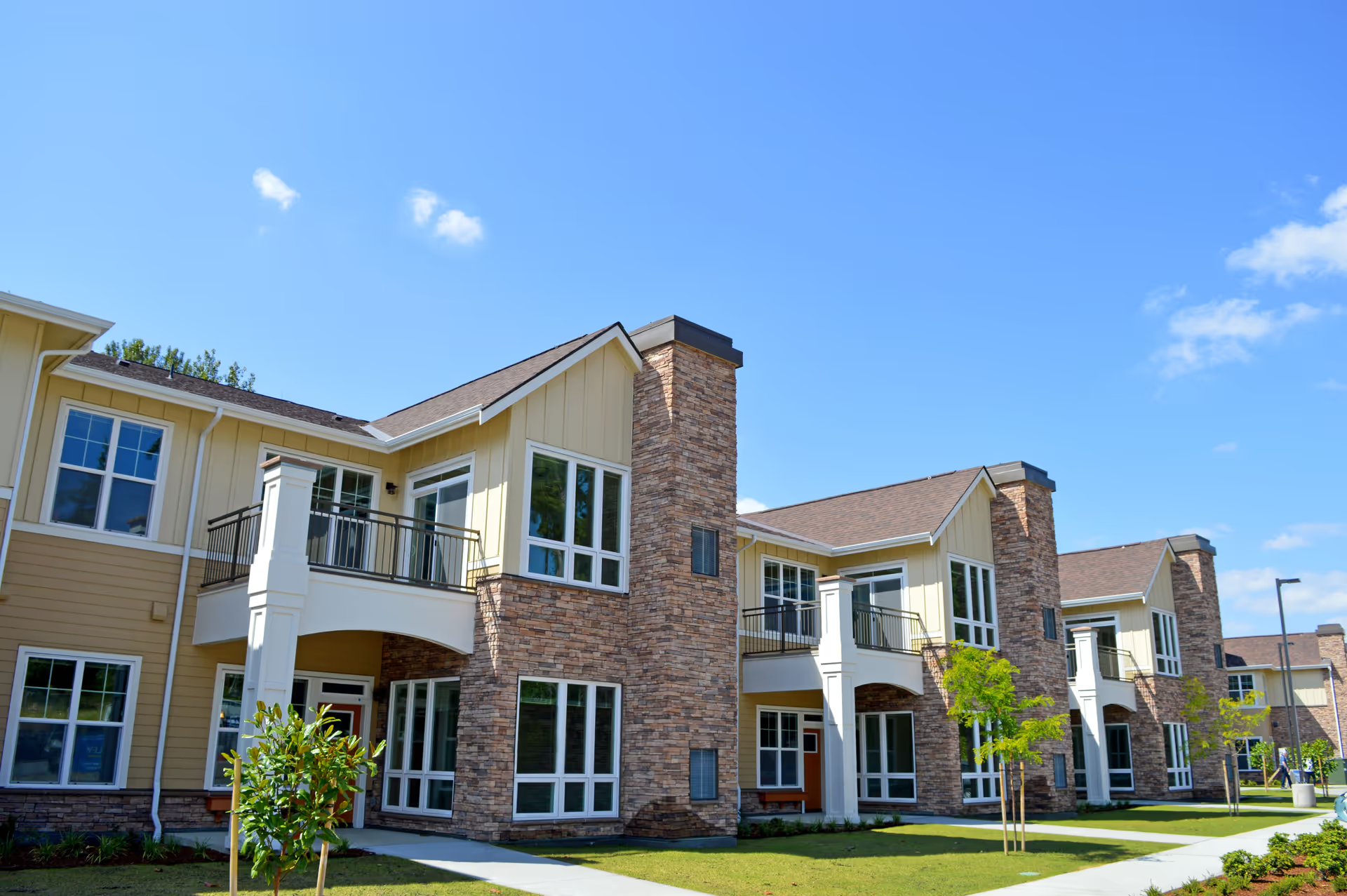
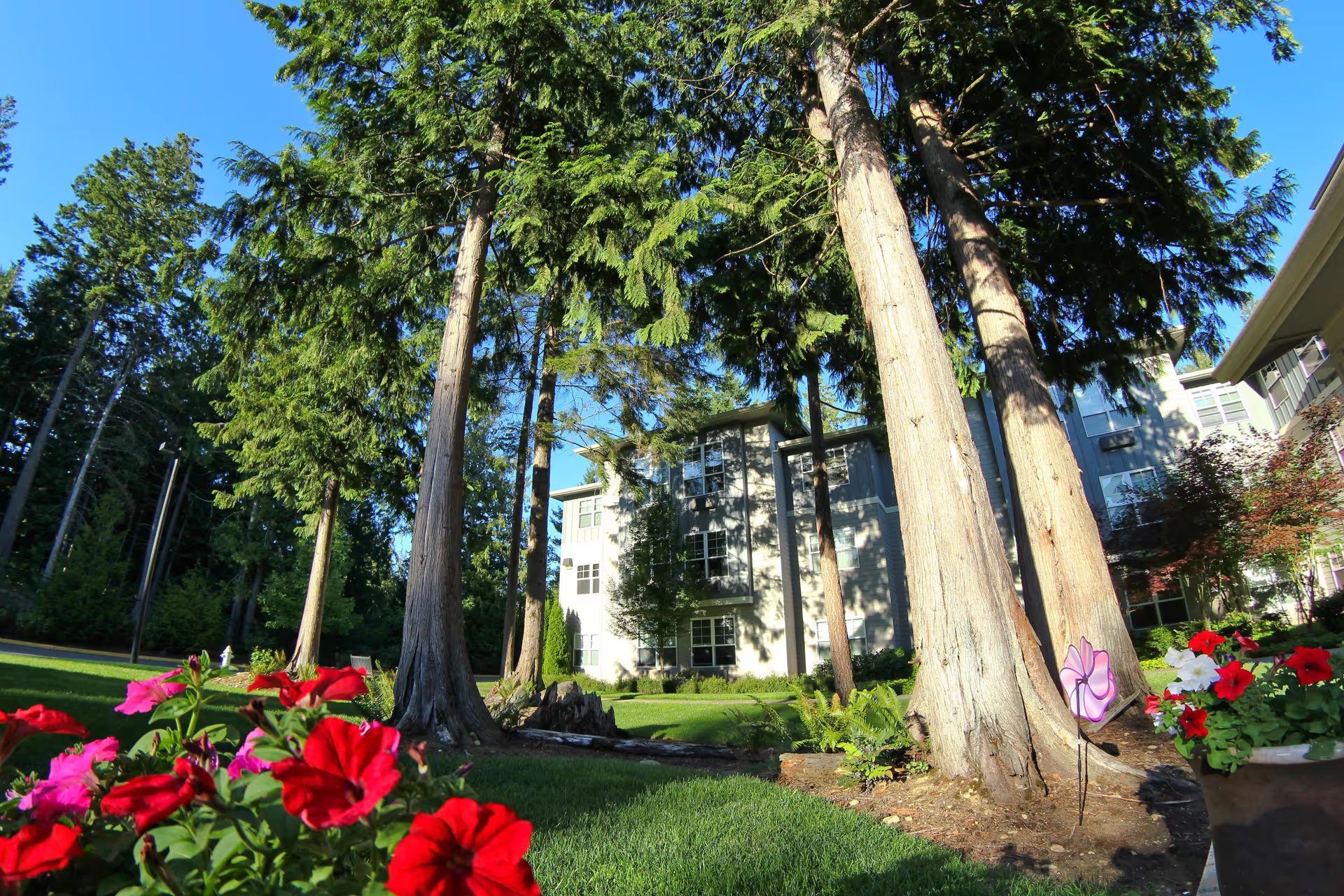
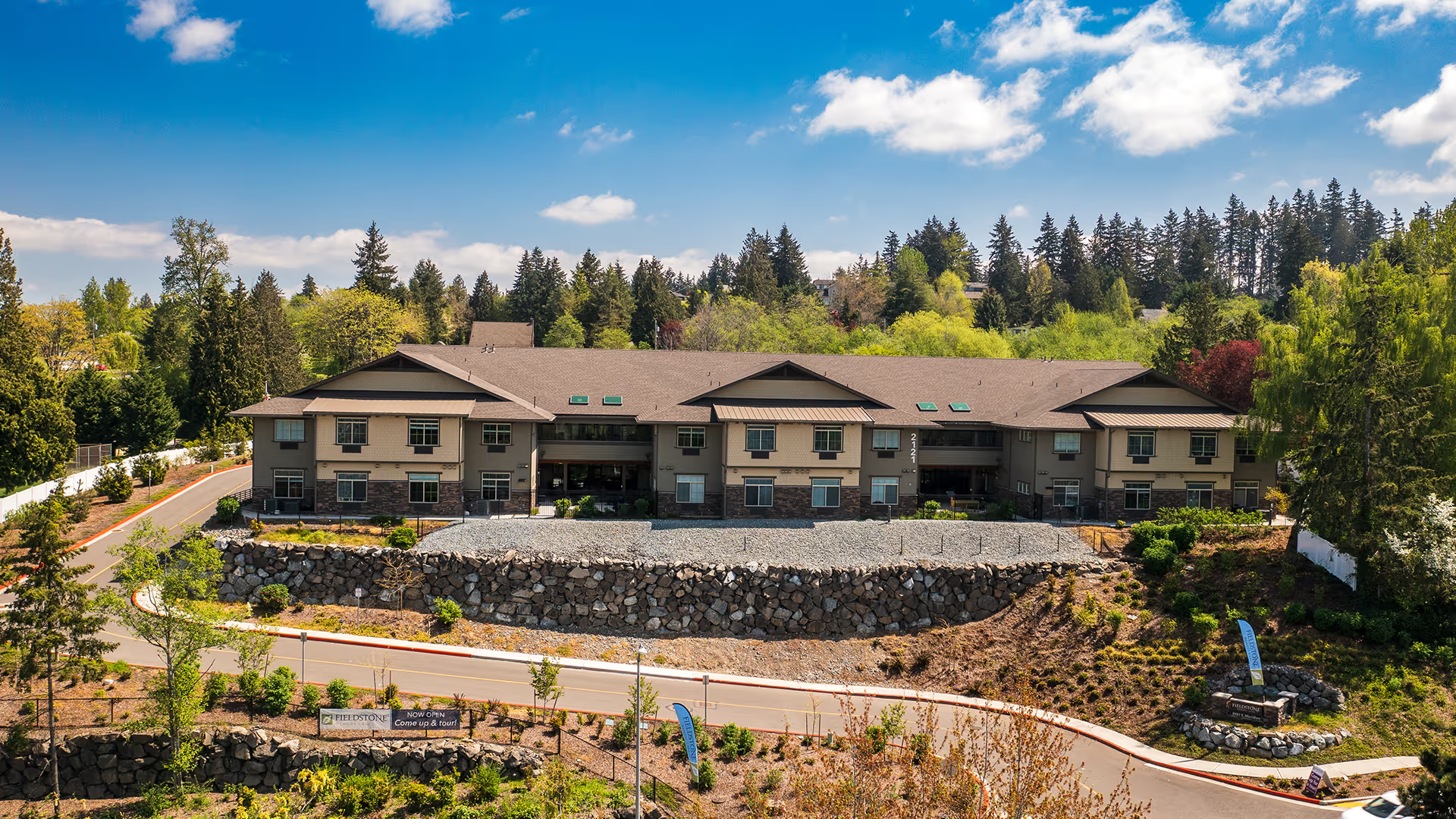
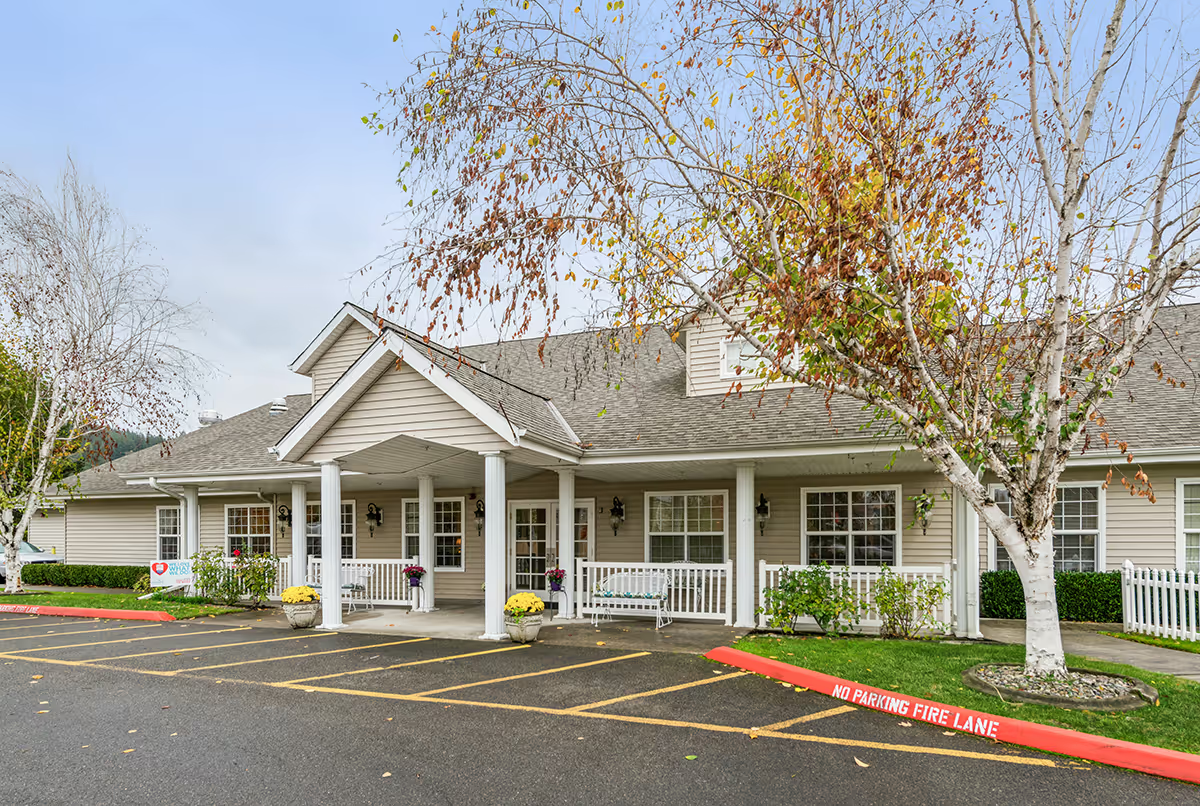
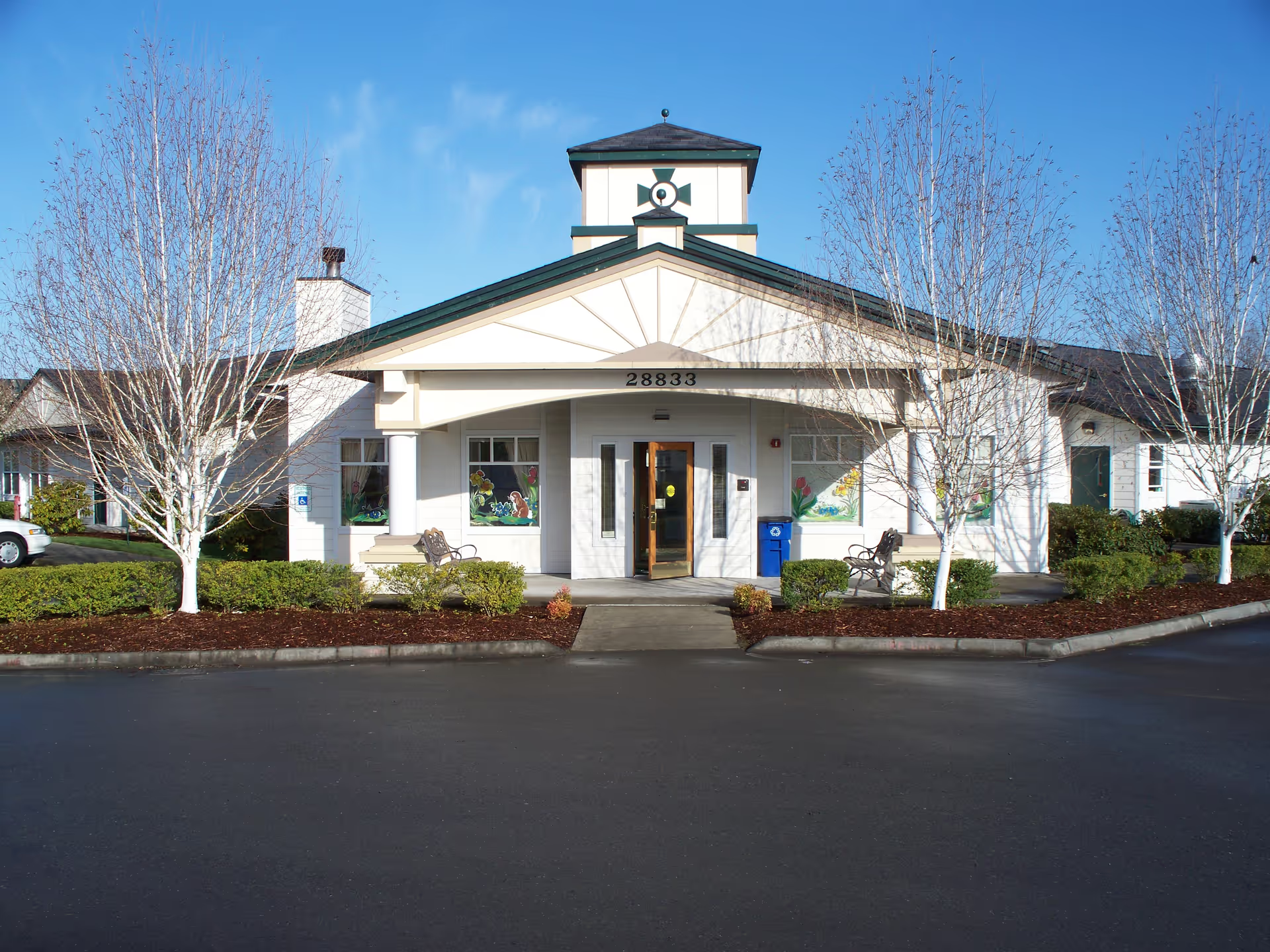
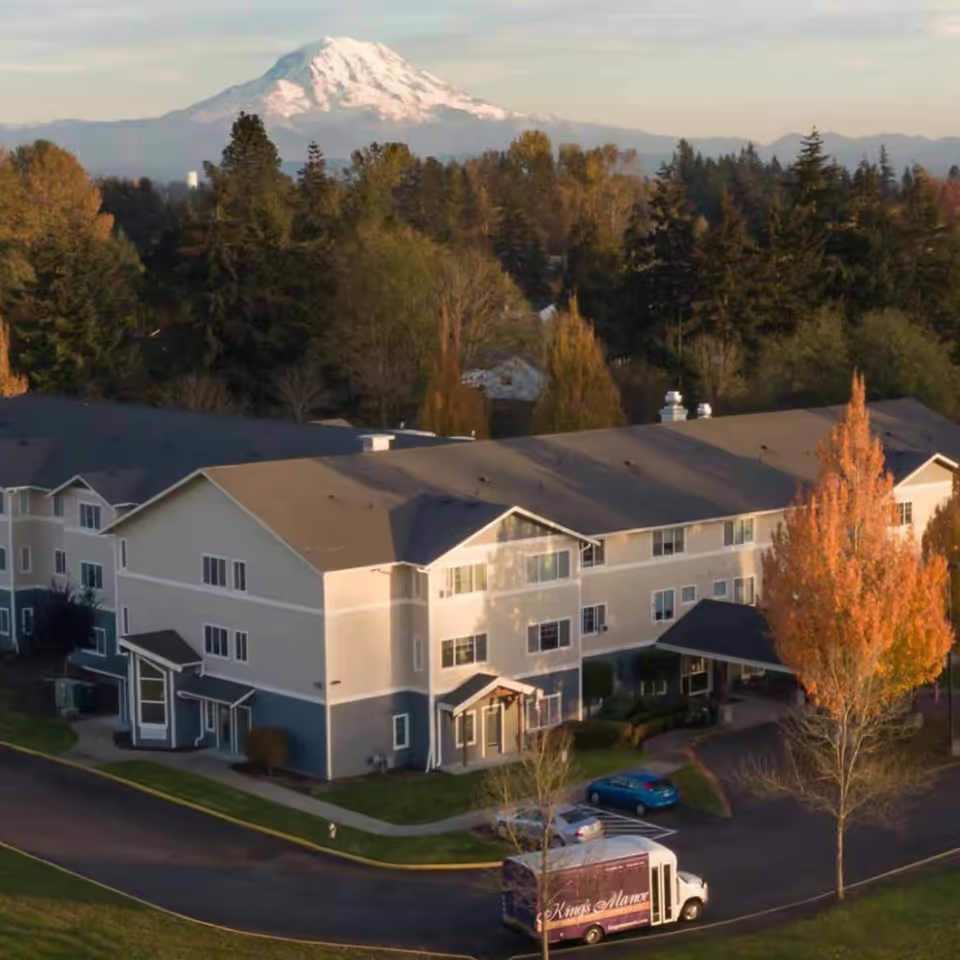
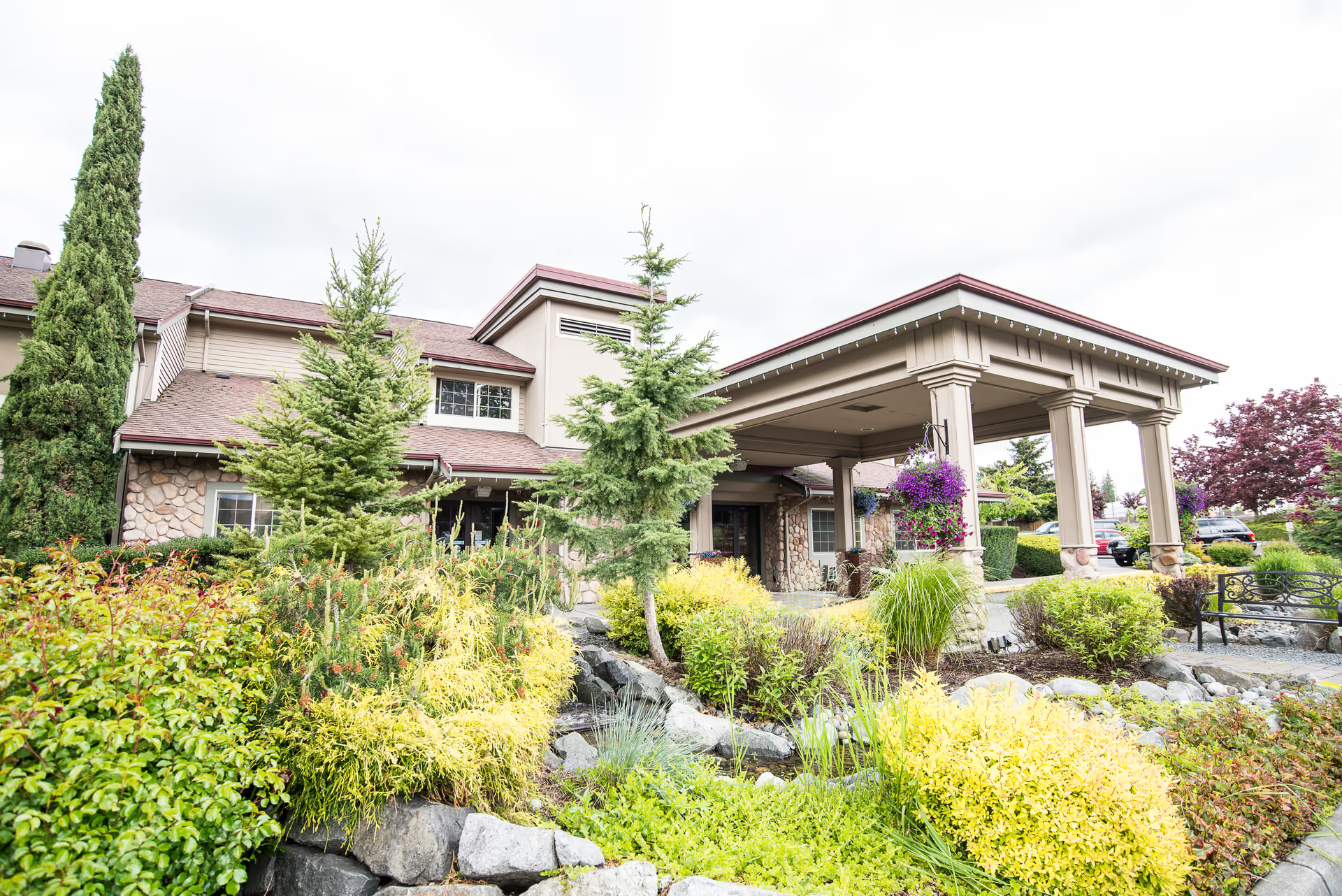
The campus’ historic character and scenic grounds are frequently cited as strengths. Reviewers note a comfortable, homelike atmosphere with opportunities for outdoor recreation and a tiny-home community model in some areas. Volunteers and community involvement are reported as active, and some families recounted positive long-term outcomes and continuity of care for residents who stayed for extended periods.
Counterbalancing those positives are persistent operational issues. Multiple accounts describe inconsistent staff conduct and communication tone, including instances of unprofessional behavior and insensitive interactions; this is reflected in reports of variability in how staff engage with residents and families. Staffing levels and supervisory oversight are described as inconsistent, with allegations of absenteeism and lapses in on-shift supervision that raise concerns about reliability of routine care. Relatedly, reviewers identified gaps in incident response and family communication following critical events.
Facility maintenance and safety are additional areas of concern. Specific maintenance problems such as leaking roofs, falling ceiling material, and a need for broader refurbishing indicate weaknesses in building upkeep. Reviewers also raised sanitation and odor concerns in some common areas. Safety and access-control procedures were described as uneven, with mentions of closed doors during off-hours and other security limitations. There are substantive operational risks noted around medication and substance-control practices, and questions about property and financial protections for residents were raised, implying a need for stronger internal controls.
Admissions and administrative processes show inconsistency in some reports: challenges with benefits coordination (for example, voucher handling), perceived lack of transparency during admissions, and concerns about staff integrity during interactions. These administrative issues, coupled with the other operational gaps, suggest that oversight and policy enforcement are uneven across the facility.
For prospective residents and families, the facility presents clear strengths in veteran-focused programming, social engagement, and committed direct-care staff. At the same time, the pattern of maintenance deficits, staffing variability, safety/controls concerns, and administrative inconsistencies warrants careful due diligence. Recommended next steps before placement include touring multiple areas of the campus, asking for documentation of staffing ratios and supervision practices, reviewing incident-response and medication-management protocols, and confirming how the facility secures resident property and manages benefit coordination.