Alaska Gardens Health and Rehabilitation elicits a mixed but consistent pattern: clinical rehabilitation and several individual staff members receive strong praise, while operational and staffing issues create recurrent concerns. Therapy services (PT/OT) and skilled rehabilitation are frequently cited as strengths, with many families describing measurable mobility gains and supportive therapists. Nursing and caregiving quality is uneven: some nurses and aides are described as compassionate and effective, while others are associated with delays in assistance, inconsistent personal-care routines, and variable attention to medication timing.
Staffing and response-time problems are a prominent pattern. Multiple accounts describe slow responses to call lights, delayed medication administration, and delays in bathing, toileting assistance, or repositioning. These operational gaps are linked to understaffing, shift-to-shift variability, and frequent turnover; day shifts are often portrayed more positively than swing or night shifts. Family communication and care coordination are also inconsistent — administrative staff and social workers receive praise for helpfulness at times, but families also describe unclear discharge notices, insurance confusion, and limited follow-up from clinical supervisors.
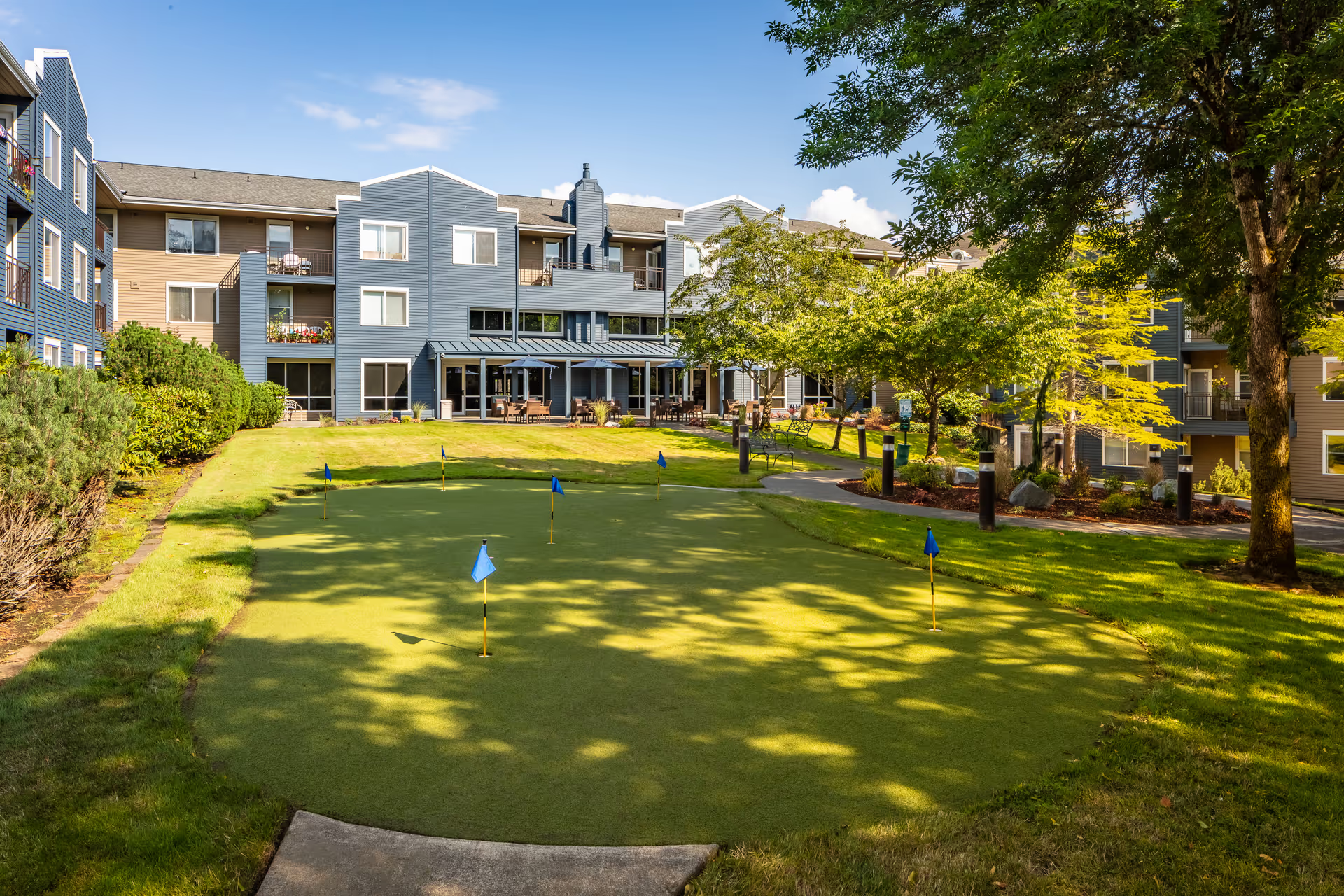
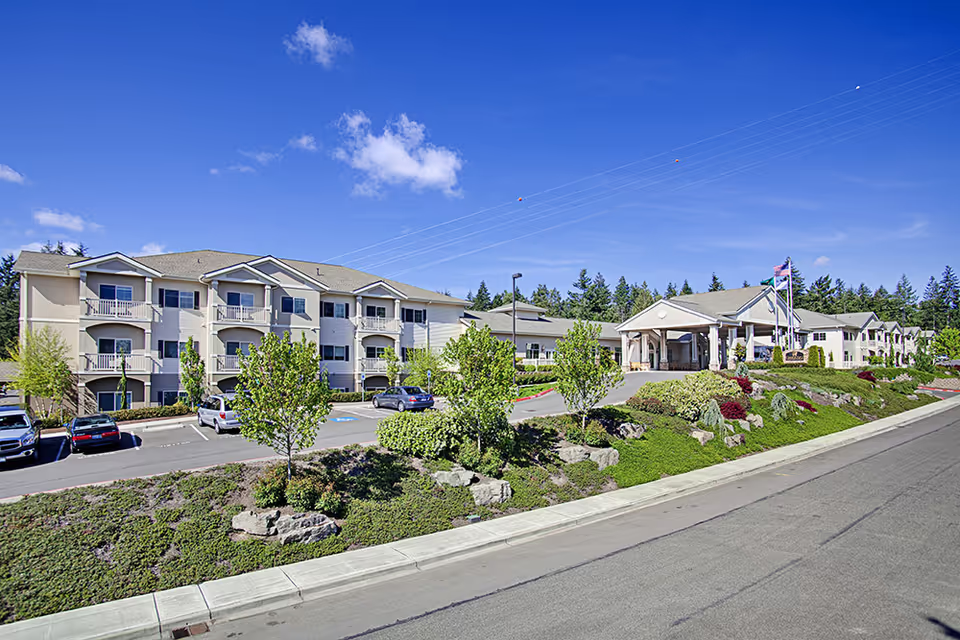
Facility and environmental issues are reported as mixed. Several reviewers praise private rooms, garden areas, and certain units that are well-maintained and clean. Others note maintenance and sanitation concerns in portions of the building, including inconsistent housekeeping, broken in-room equipment, and odor concerns in some common areas. Dining quality and meal service are variable: some residents enjoy meals and social dining events, while others report small portions, missed meal deliveries, or inconsistent meal timing.
Activities and nonclinical services are a relative strength. The activities department and individual staff are repeatedly described as engaging, welcoming, and effective at creating a participatory atmosphere. Transportation coordination and certain administrative roles receive positive mention for responsiveness and problem resolution. These elements contribute to resident well-being and social engagement.
Management and organizational patterns show mixed capacity. Families describe administrative staff who can be helpful with admissions, scheduling, and insurance navigation, but also cite uneven managerial oversight, inconsistent supervisory follow-through, and high staff turnover that affects continuity of care. There are also serious governance concerns raised by reviewers, including allegations of financial or administrative irregularities and mentions of regulatory attention; these items suggest the need for careful inquiry by prospective families.
Overall, Alaska Gardens demonstrates clear strengths in rehabilitation, some compassionate caregivers, and an active activities program, but persistent operational weaknesses—particularly staffing instability, care-response delays, medication-timing issues, inconsistent communication, and variable housekeeping—create risk areas that families should evaluate closely. Prospective residents and families would be advised to tour during multiple shifts, ask for up-to-date staffing ratios and medication-administration protocols, review recent regulatory communications, and identify the specific team members (therapy, social work, transportation) who will coordinate care during a stay.