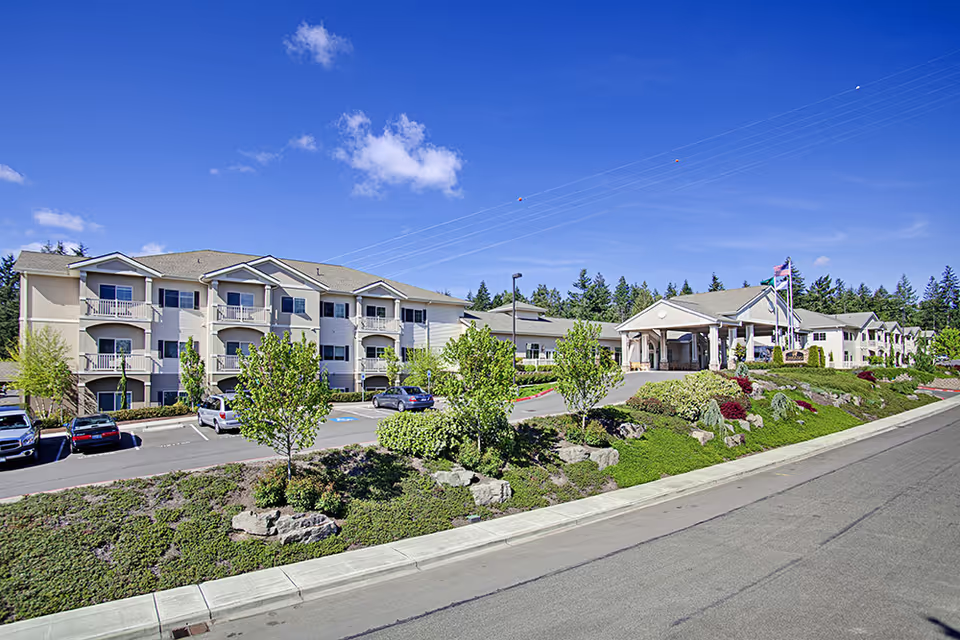
The Village Senior Living presents a mixed but informative profile. Strengths commonly described include a stable, compassionate caregiving team and an active life-enrichment program. Many families and residents praise staff who are engaged and available, a restaurant-style dining program with varied menus (including in-room delivery and a 24/7 menu), onsite salon and spa services, and multiple communal amenities such as a theater, gym, craft spaces, and transportation/shuttle service. Unit offerings include studios and one-bedroom apartments with ample closet space and natural light; portions of the building have been remodeled to a hotel-like standard and feel bright and welcoming.
Care quality elicits divergent impressions. Numerous accounts describe attentive, knowledgeable caregivers and supportive memory-care staff who improve residents' quality of life and help families with transitions. At the same time, there are recurring operational concerns: inconsistent staffing and coverage, gaps in medication-administration processes, and irregular personal-care scheduling (bathing, oral care, and linen changes). A small number of families described events they attributed to medication or clinical-management problems, including emergency evaluation; these statements point to a need for clearer clinical oversight and communication protocols. Safety and access-control issues were also noted, including difficulties reentering the building after hours and occasional unlocked doors.
Dining and activities are among the facility's stronger features for many residents. Reviewers frequently mention freshly prepared, home-style meals, table service, frequent activities, outings, and a proactive Life Enrichment coordinator. However, meal quality and kitchen continuity are not uniformly consistent: some families reported days with limited options or shortages. Activity offerings appear broad and well-executed where staffing permits, contributing to resident engagement and social opportunities.
Facility condition is uneven. Renovations have produced attractive, updated areas with improved finishes, but other parts of the building remain older and in need of upgrading; ongoing construction has been disruptive for some residents. Unit amenities vary—many units lack full kitchens, some have no in-room climate control (notably on upper floors), and internet connectivity is unreliable in places. There are isolated sanitation and pest-control concerns, indicating variability in housekeeping standards across units and common areas.
Management and administration reviews are mixed. Several families commend smooth move-ins, helpful admissions staff, and responsive leadership who improved care after leadership changes. Conversely, others describe poor follow-through on financial matters, delayed refunds, difficult front-desk access, and unresponsive communication. Concerns about personal-property security and inconsistent staff conduct or tone were raised in a number of accounts, suggesting the need for clearer policies and stronger oversight.
Notable patterns for prospective residents and families: The community tends to excel where staffing is stable and leadership is engaged—residents report good meals, meaningful activities, and a warm, family-like culture. Operational weaknesses cluster around staffing consistency, clinical oversight (particularly medication management), cleanliness variability, security/access controls, and disruption from ongoing renovations. These are the areas families should assess during a tour: ask about staffing ratios and backup coverage, medication-safety protocols, housekeeping standards, security and after-hours access procedures, current renovation timelines, and connectivity/amenity specifics for particular units. Overall, The Village offers meaningful strengths in social programming and interpersonal care but presents operational risks that warrant targeted questions and careful monitoring by families and decision-makers.