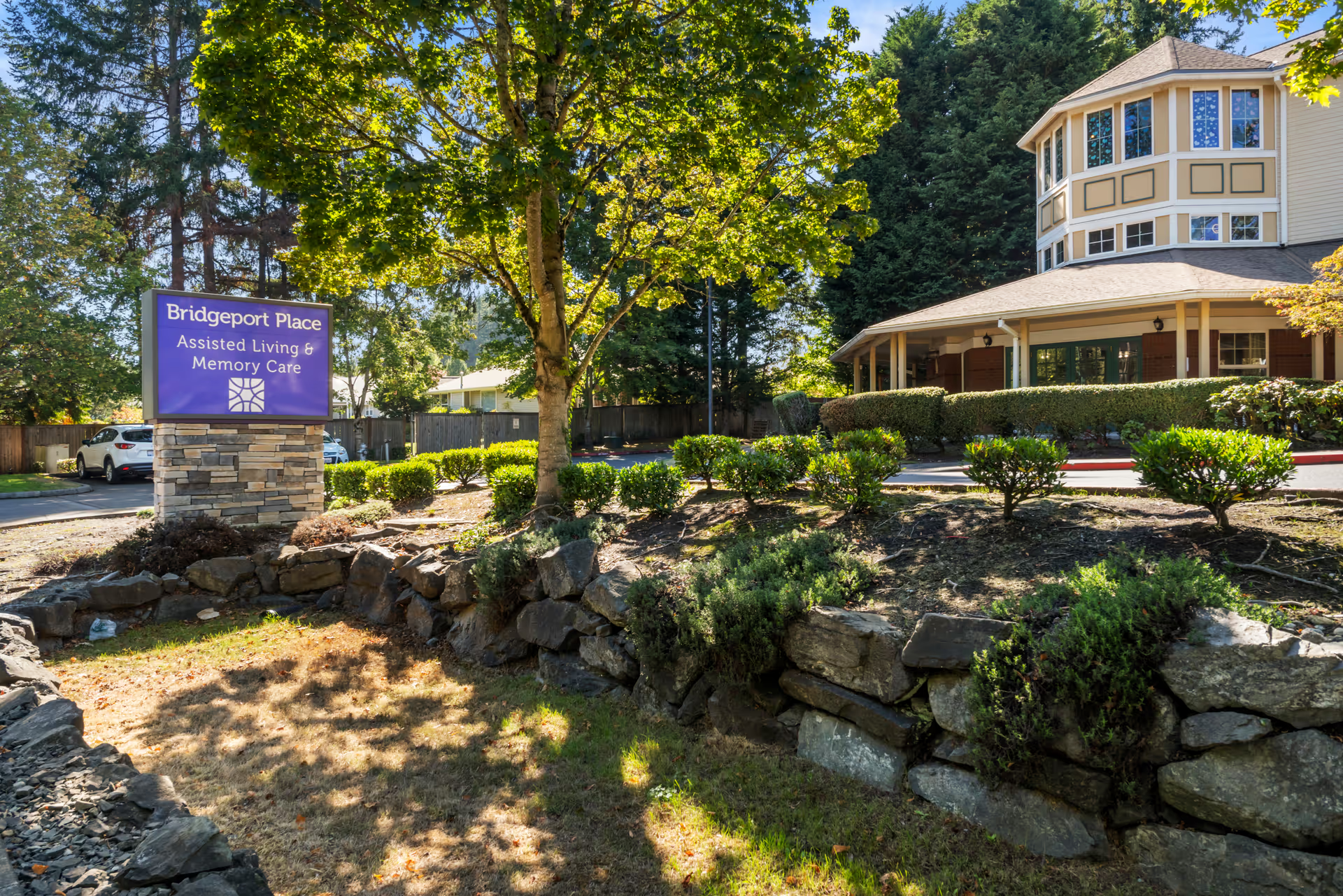
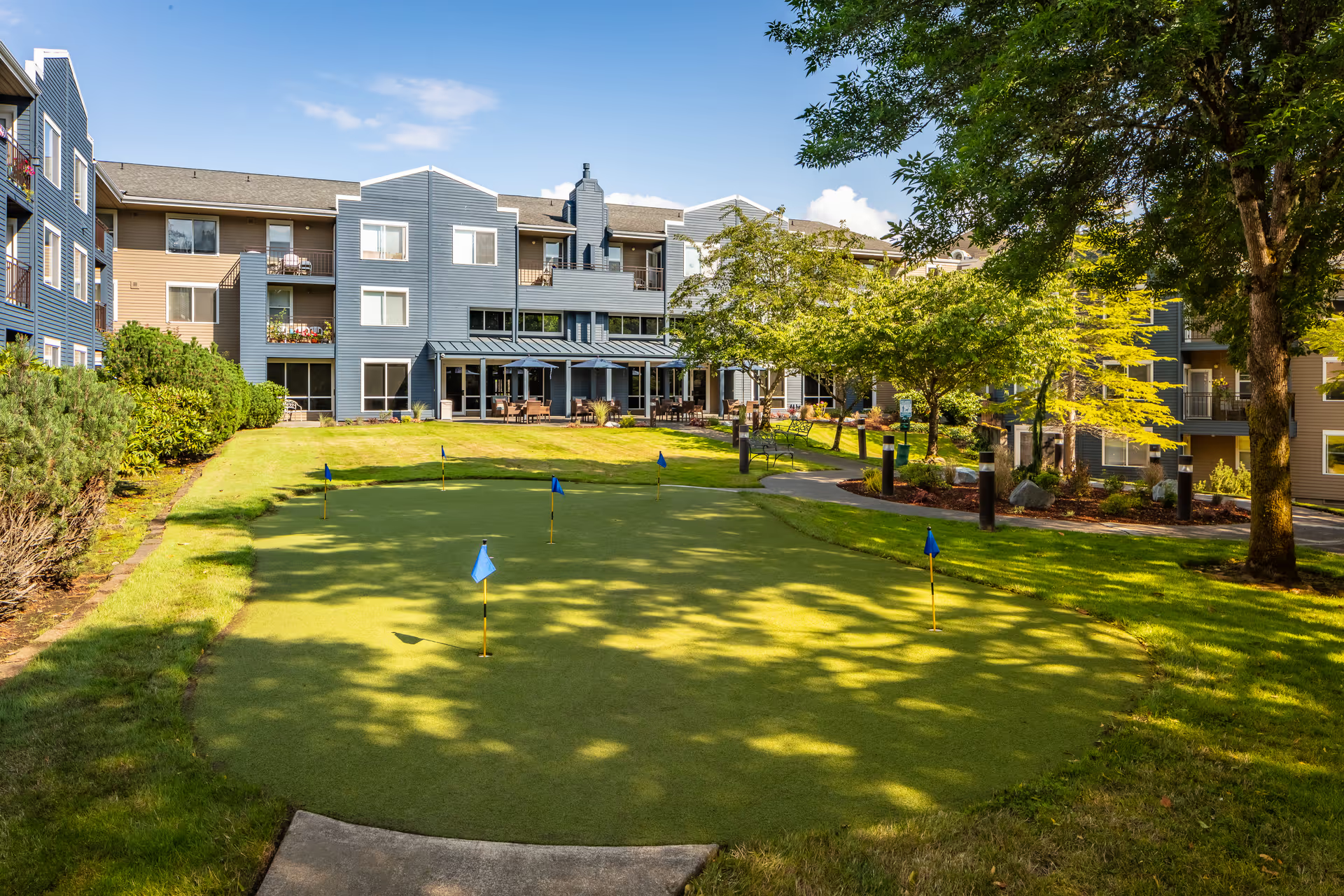
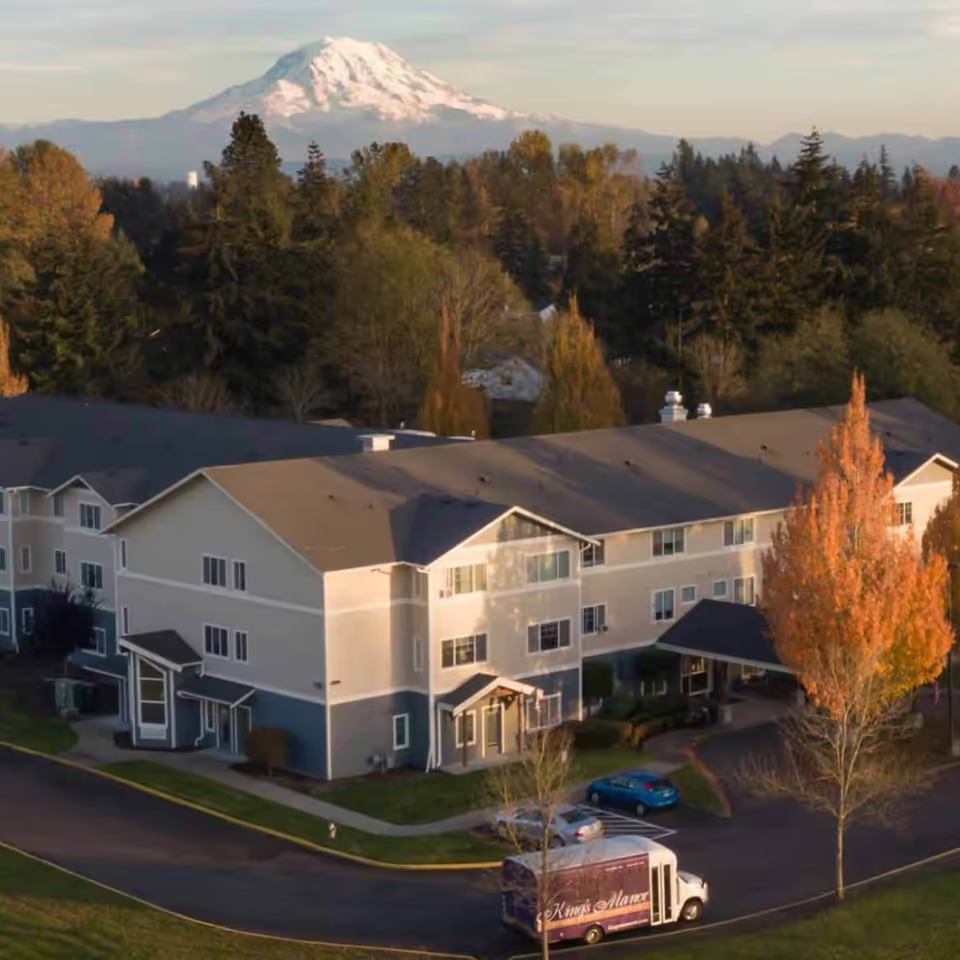
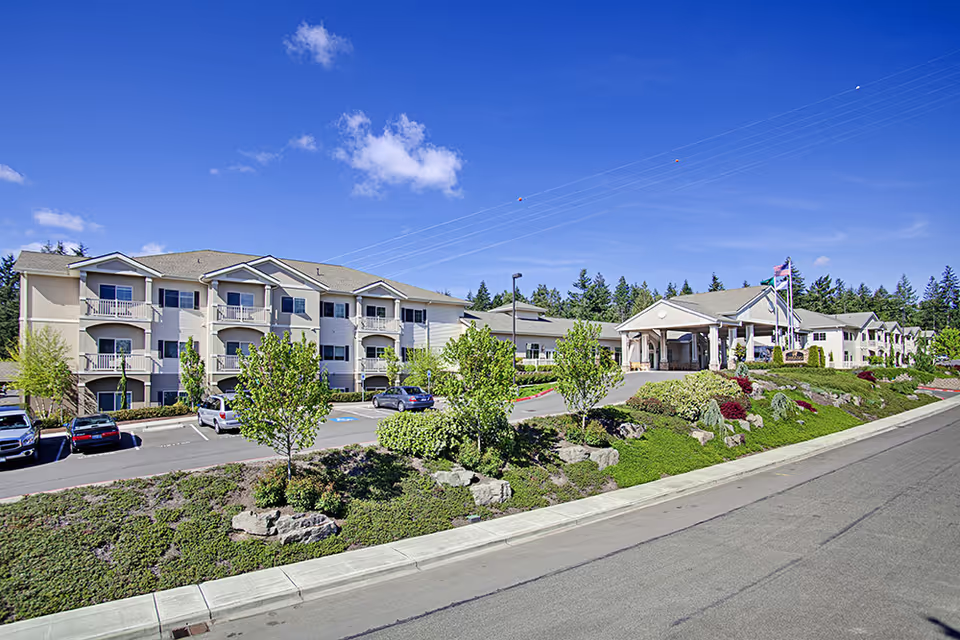
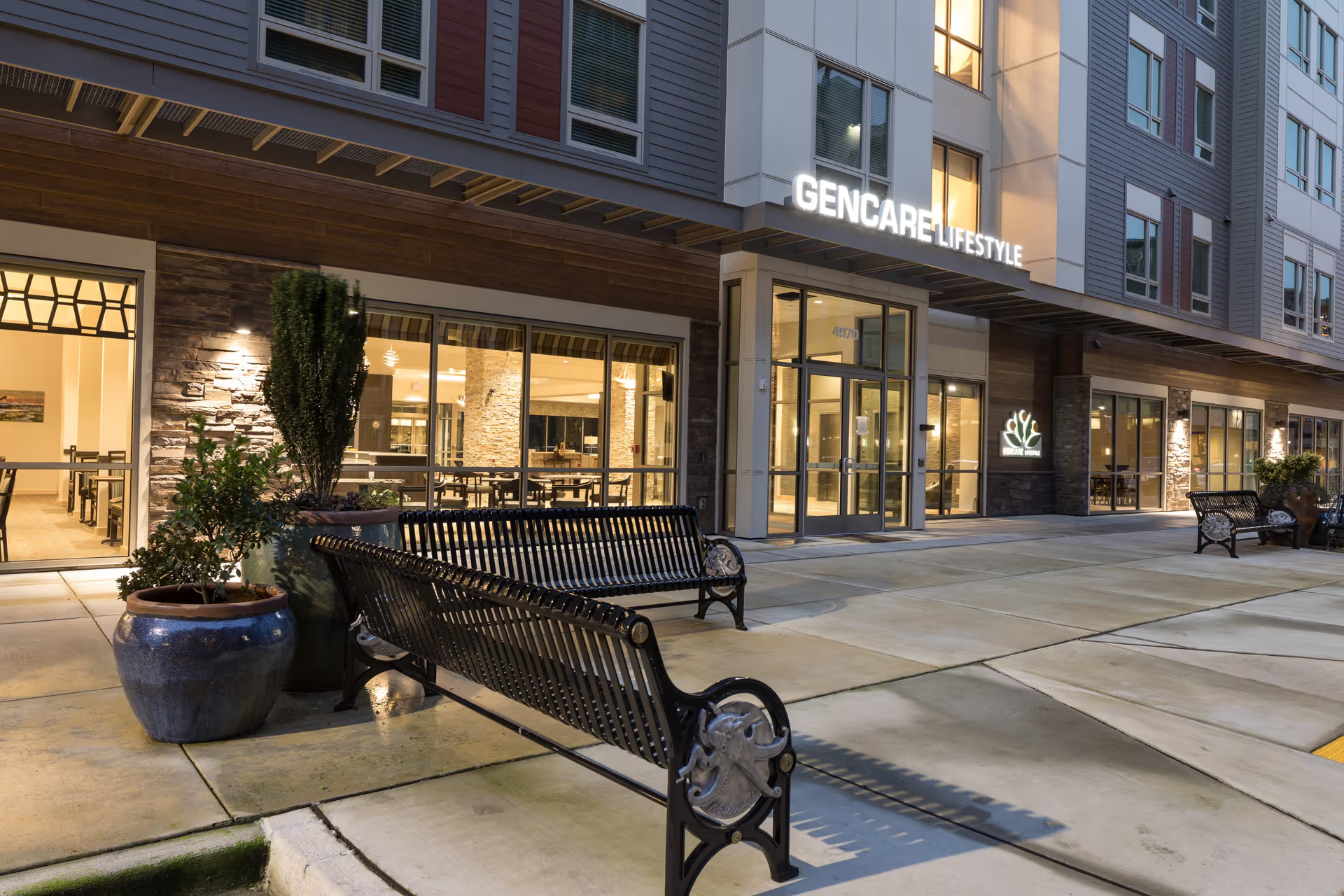
Overall impression: Reviews present a mixed but distinct pattern. Many families praise the facility for compassionate, hands-on caregiving, a small cottage atmosphere, and a clear focus on memory-care needs. The physical environment—including a clean interior, private-room options, and an attractive courtyard—receives consistent positive comment. Several families described smooth move-ins, reassuring check-ins, and active advocacy from some administrators, which contributes to a sense of safety and comfort for many residents.
Care and staff: Direct-care staff and medication technicians receive frequent commendation for attentiveness and compassion; reviewers often cite dignity-preserving interactions and responsive personal care. At the same time, recurring operational concerns appear: staffing shortages and frequent staff turnover are linked to inconsistent assistance, variable medication administration, and elevated stress among employees. Reviewers describe gaps in staff training and clinical competency that can affect care reliability. In a few particularly serious notes, families raised issues about adherence to advance directives and a single allegation regarding documentation falsification by leadership; these were described as exceptional but important to verify when evaluating the community.
Dining and activities: Many families report appropriate meal portions, daily snacks, and generally good dining experiences. Others note inconsistency in meal quality and inadequate mealtime assistance for residents who need help, with some indicating weight loss concerns tied to assistance gaps. The facility’s small footprint and simple layout are regarded as supportive for memory-care programming; outdoor spaces and courtyard use are repeatedly cited as positive elements that support resident well-being.
Facilities, management, and communication: The cottages’ décor, cleanliness, and small-scale environment are strengths, but reviewers also identified operational weaknesses such as rooms not being fully prepared at move-in, missing window coverings, and sanitation/odor concerns in some common areas. Communication is uneven: while some families praise clear, reassuring updates and strong advocacy from specific staff or directors, others describe poor coordination, delayed responses, and unclear care-plan communication. Leadership instability (frequent administrator changes) and inconsistent supervisory practices appear to underlie several of the operational problems noted.
What prospective families should do: Given the mixture of consistently strong direct caregiving and recurring operational concerns, prospective residents and families should tour in person, observe staffing levels at different times of day, ask about staff turnover and training programs, review medication and advance-directive protocols, and inquire about housekeeping and sanitation procedures. Asking for recent examples of clinical-incident responses and family communication practices may help clarify whether the operational weaknesses cited by some reviewers have been addressed.