The reviews present a mixed picture in which direct-care staff receive consistently positive remarks while administrative and financial operations generate substantial concerns. Families described warm, attentive interactions between caregivers and residents, indicating that day-to-day personal care is a relative strength. However, reviewers also raised questions about the facility’s leadership and operational priorities, particularly around billing and vendor relationships.
Care quality and staff: Feedback indicates that caregiving personnel engage well with residents and family members, with specific praise for staff who worked with residents’ family members. These comments suggest competence and compassion at the point of care. At the same time, several reviewers expressed concerns about the facility’s emphasis and follow-through on nonclinical goals, for example describing a lack of focus on rehabilitation planning. This pattern suggests a divergence between frontline caregiving and higher-level care-planning or therapy priorities.
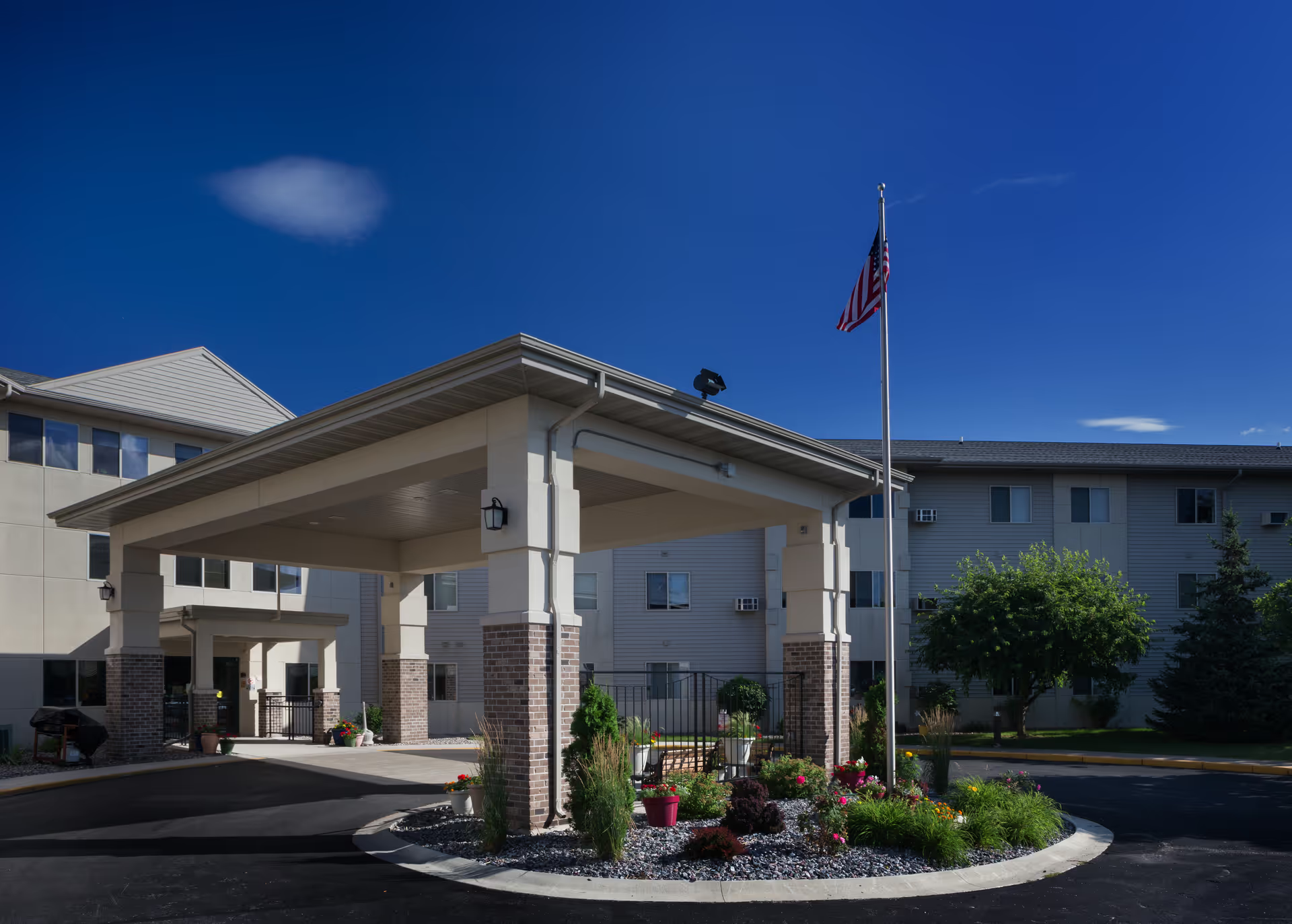
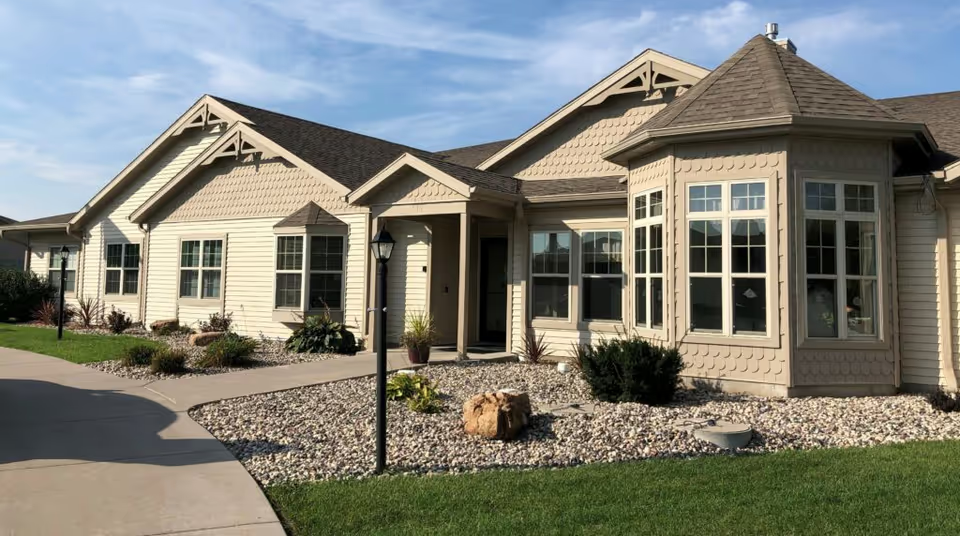
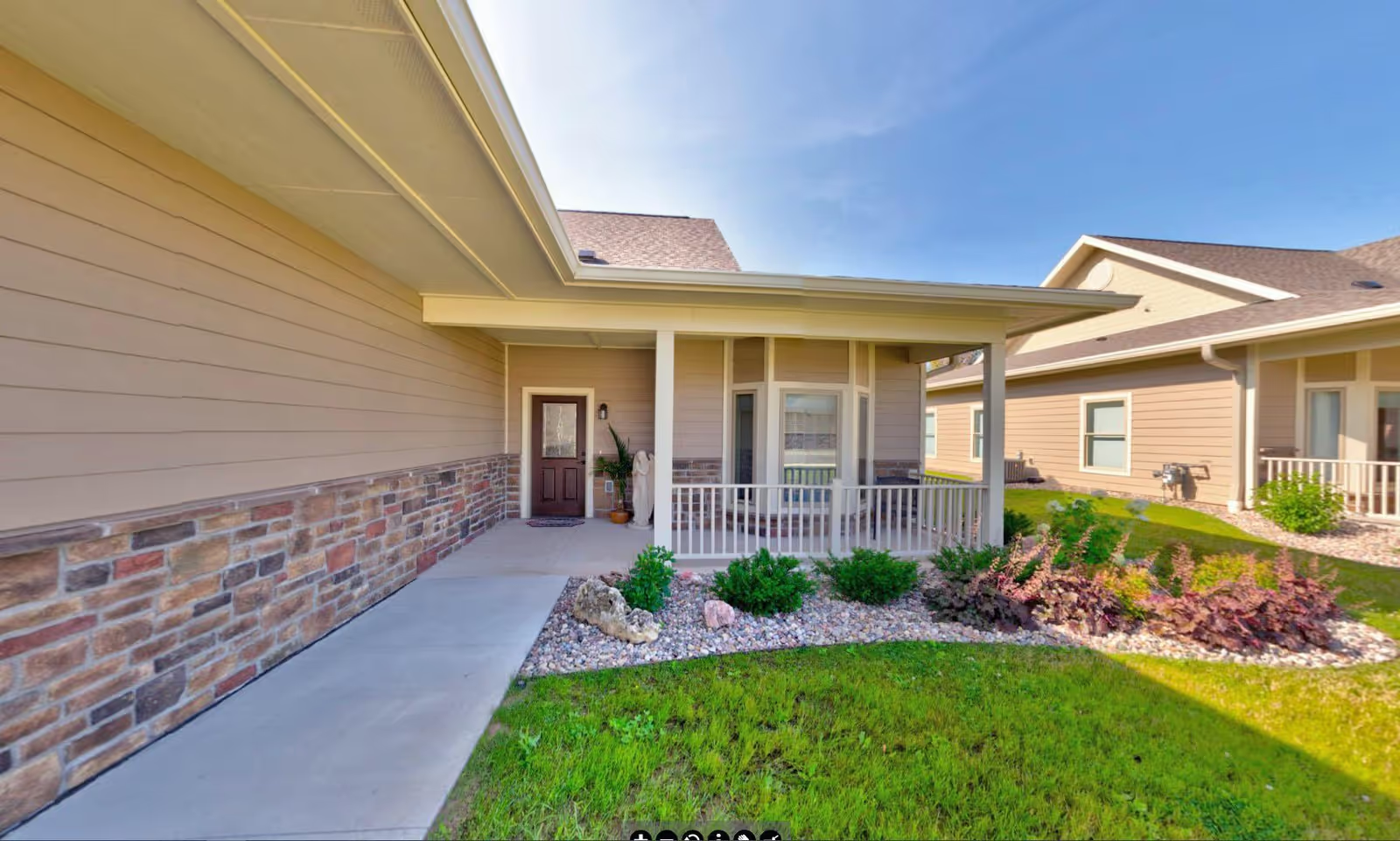
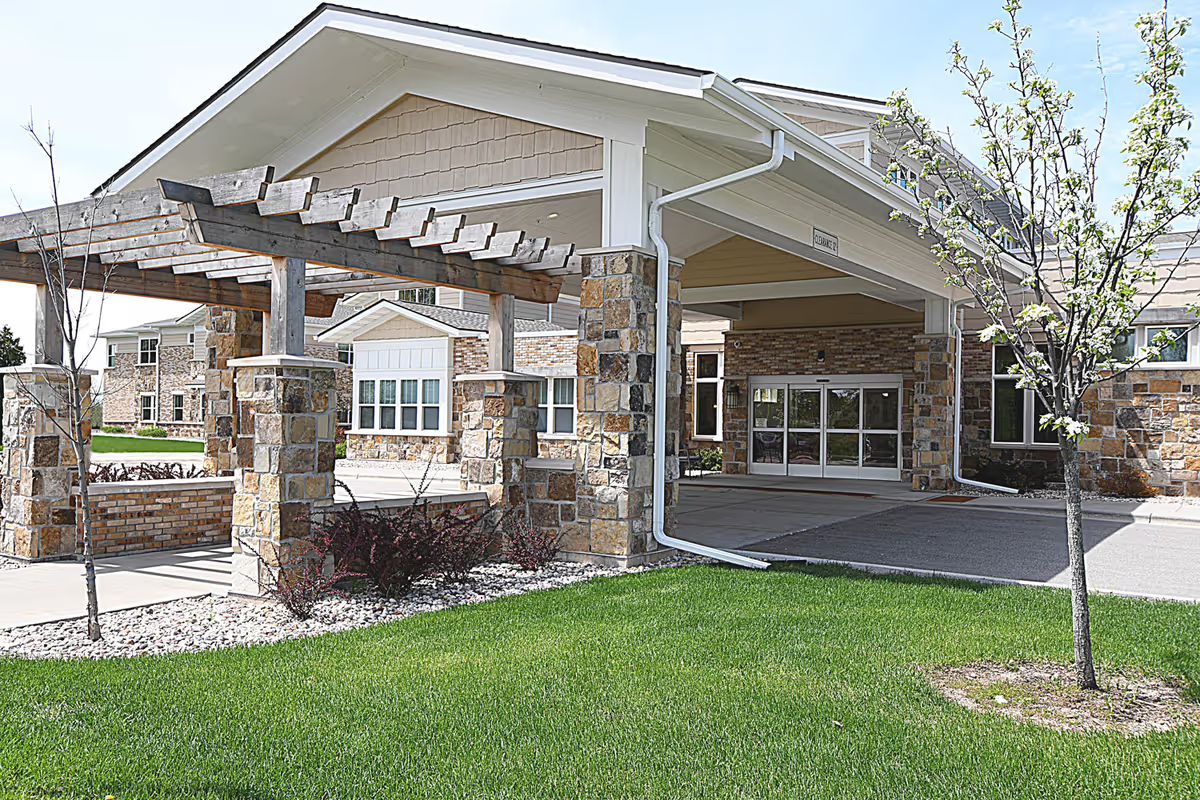
Dining, activities, and facilities: The supplied summaries contain little specific, consistent information about dining quality, activity programming, or the physical condition of the facility. No clear patterns emerge about meal service, recreational offerings, or building maintenance; prospective families should request current menus, sample activity calendars, and a facility tour to evaluate these domains directly.
Management and administration: The dominant theme across the reviews is operational and financial dysfunction. Multiple items describe delayed or missing vendor payments, accounts being sent to collections, and slow or unprocessed refunds to families. Medicaid or insurance billing delays were also noted. Reviewers described limited responsiveness from administrative staff and a requirement to address some disputes in person, which increases inconvenience and impedes timely resolution. These factors combine into a pattern of weak billing controls and poor customer-service processes that can affect vendor relationships and family trust.
Notable patterns and implications: The juxtaposition of praised caregiving staff with criticized administrative practices creates a risk that clinical strengths may be undermined by operational shortcomings. Persistent billing and communication issues can strain relationships with vendors and families and may divert attention from clinical programs such as rehabilitation. Prospective residents and their families should request written explanations of billing procedures, timelines for refunds, and how Medicaid or insurance claims are handled. It is also advisable to ask for contact points on the administrative team, typical response times for account inquiries, and documentation of any third-party vendor arrangements before committing.
Overall, the facility appears to offer capable frontline caregiving but exhibits notable weaknesses in financial administration, communication, and organizational focus that merit careful inquiry prior to admission.