Care quality: Reviews describe a mixed care picture. Positive accounts highlight suitable short-stay placements and occasions when staff provide attentive, friendly care. At the same time, multiple accounts indicate operational gaps that affect basic personal care — for example, inconsistent bathing schedules, delayed incontinence-care attention, bedding-change delays, and identified medication-administration concerns. These patterns suggest variability in daily clinical routines and oversight rather than a uniform standard of practice.
Staff: Staffing levels and workforce stability are recurring themes. Reviewers point to chronic understaffing and high staff turnover, which reviewers link to inconsistent care delivery. Several reviewers also raised concerns about staff preparedness for residents with cognitive impairment, indicating a need for stronger dementia-specific training. Reports of staff distraction while providing care (use of personal devices) and indoor vaping also raise questions about professional conduct and supervision; at the same time some families described individual staff members as courteous and helpful.
Dining: Feedback on food service is inconsistent. Some reviewers found meals acceptable, while others described variable quality and meal selection that did not meet expectations. Dining-area cleanliness and table-maintenance concerns were noted in some accounts, indicating gaps in sanitation and meal-service monitoring.
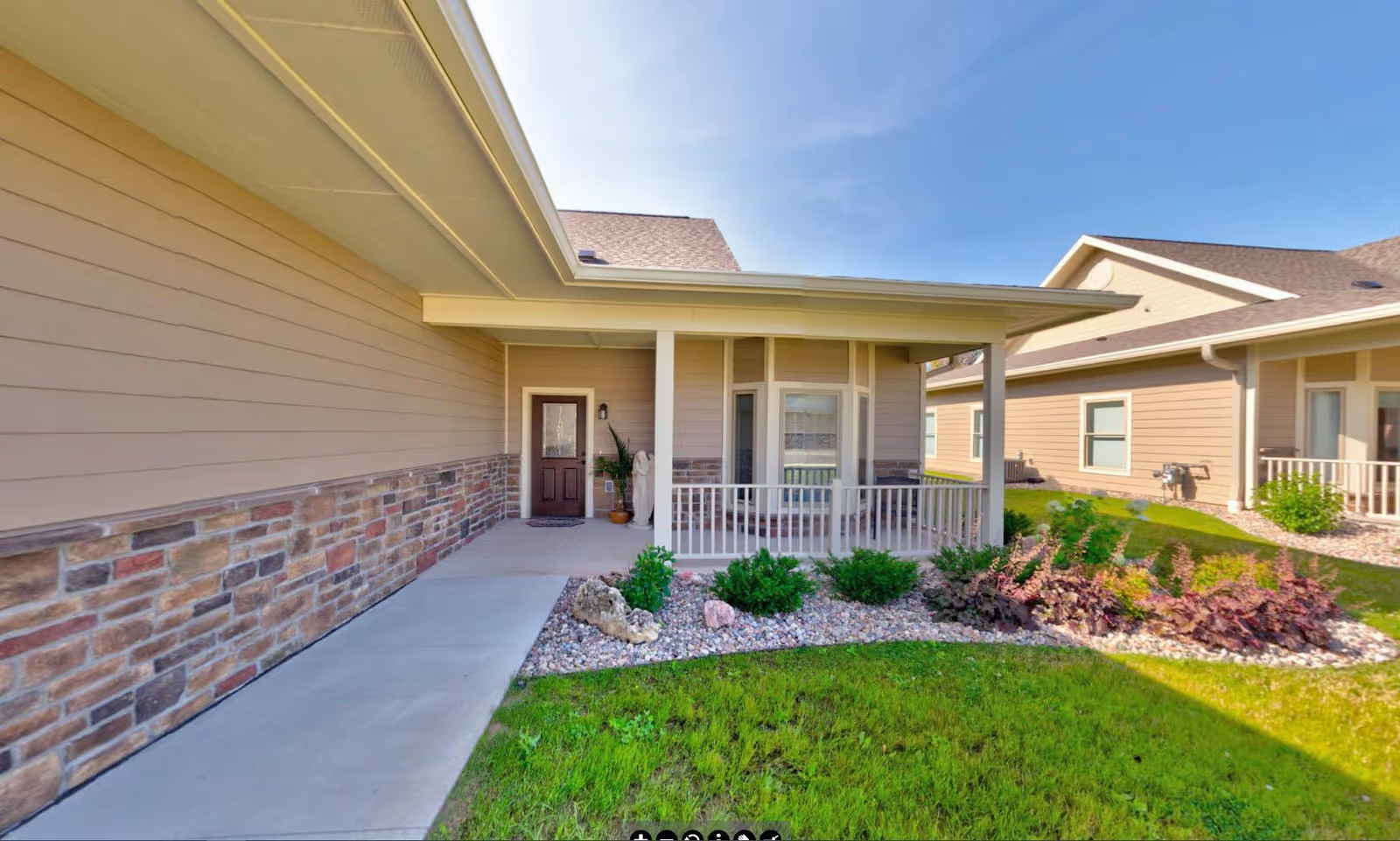
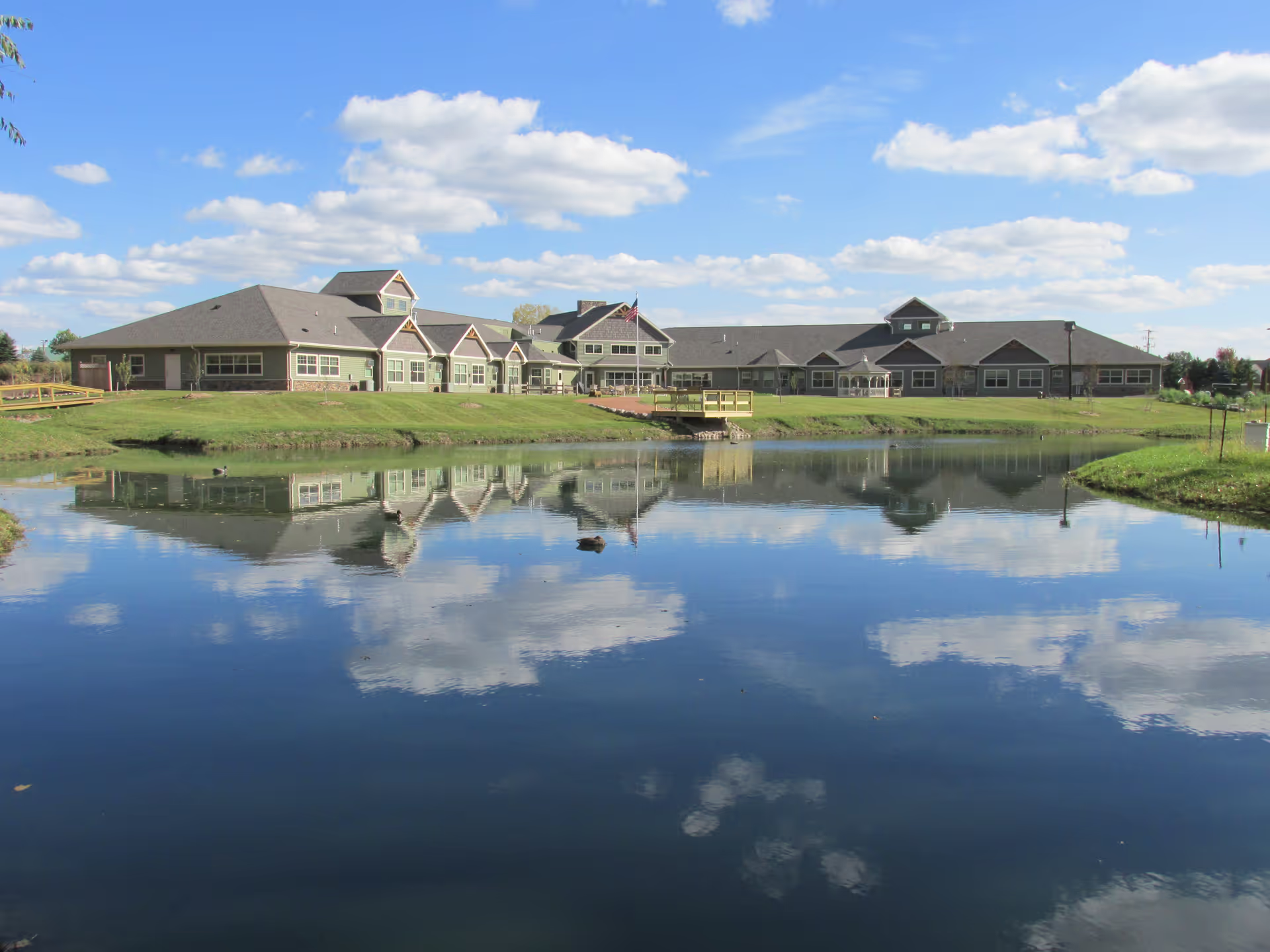
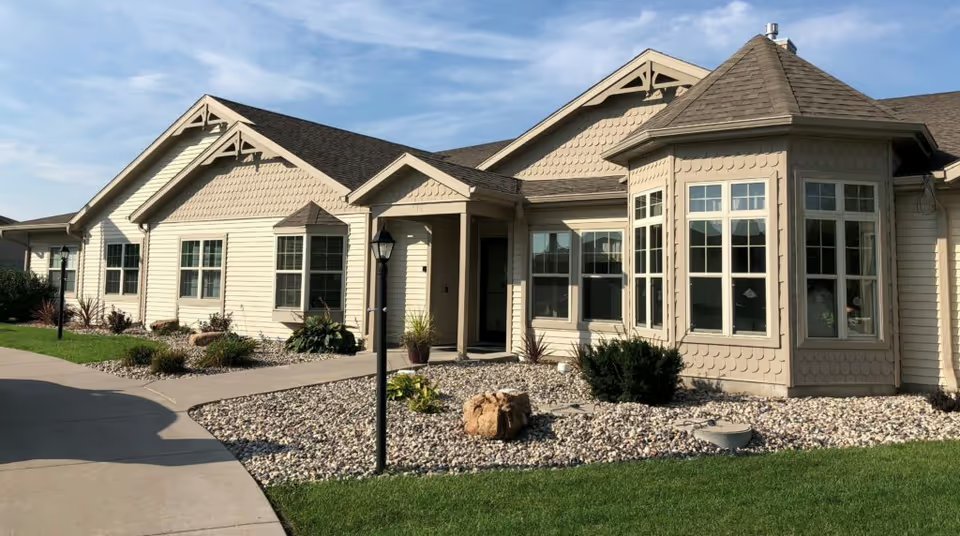
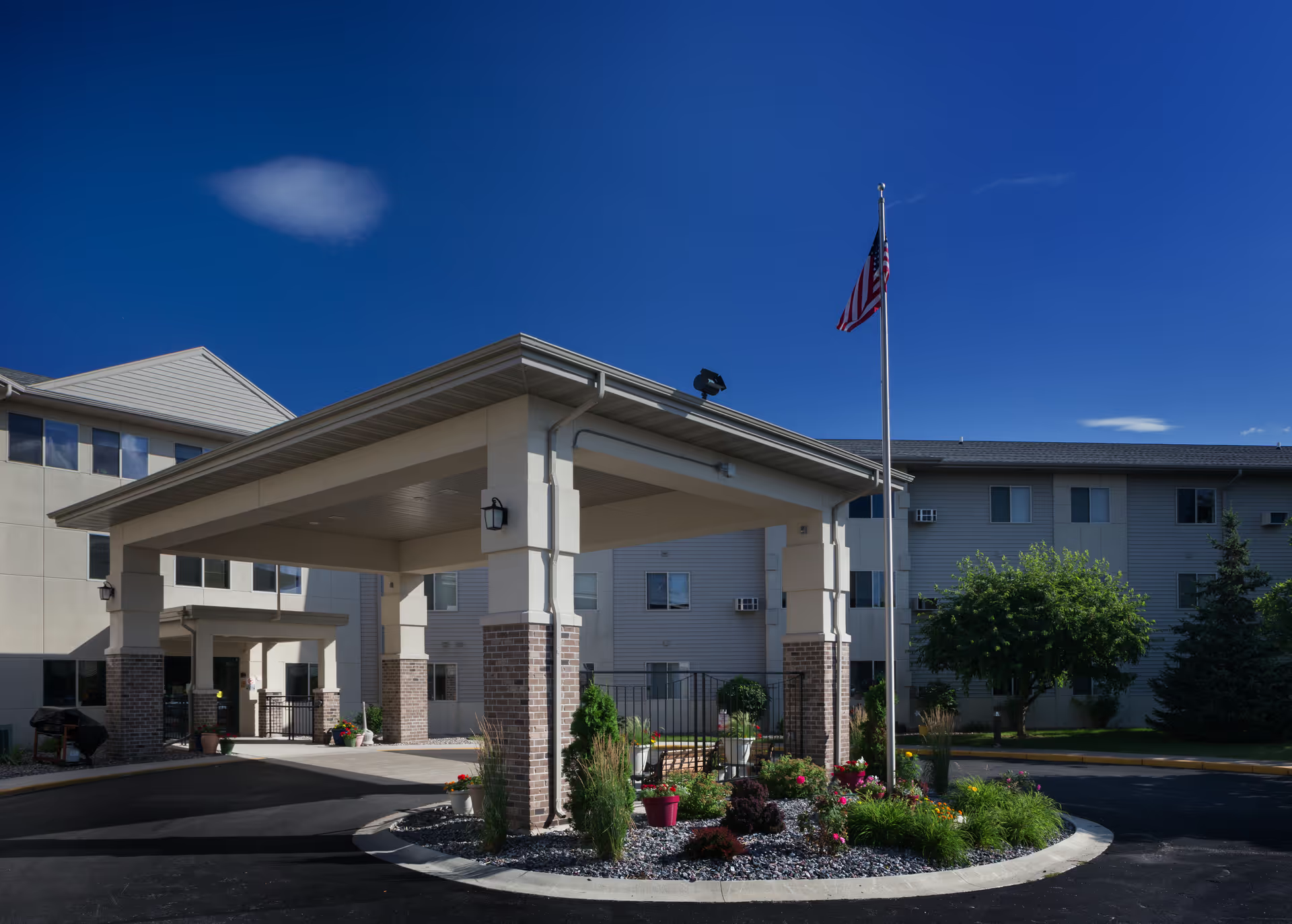
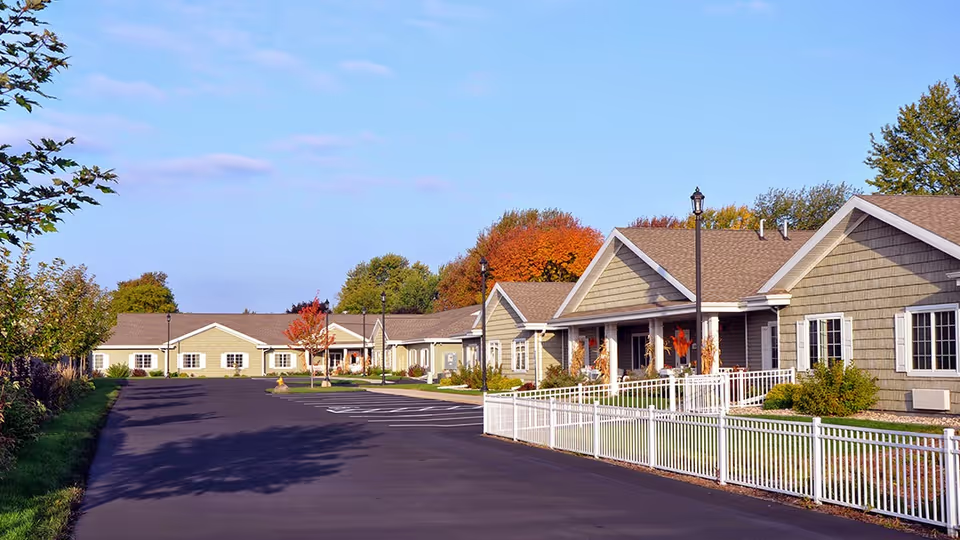
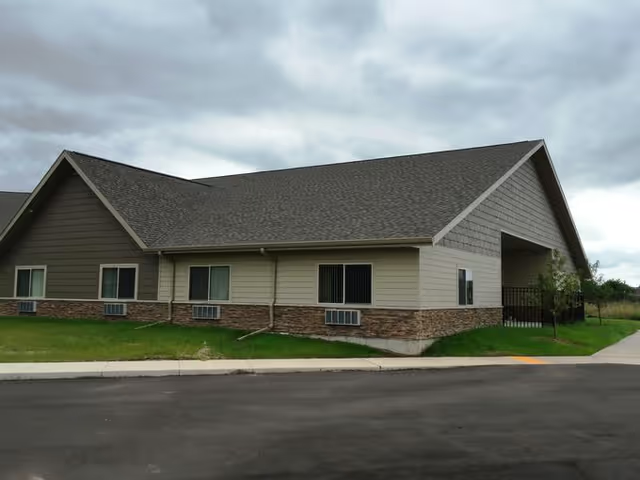
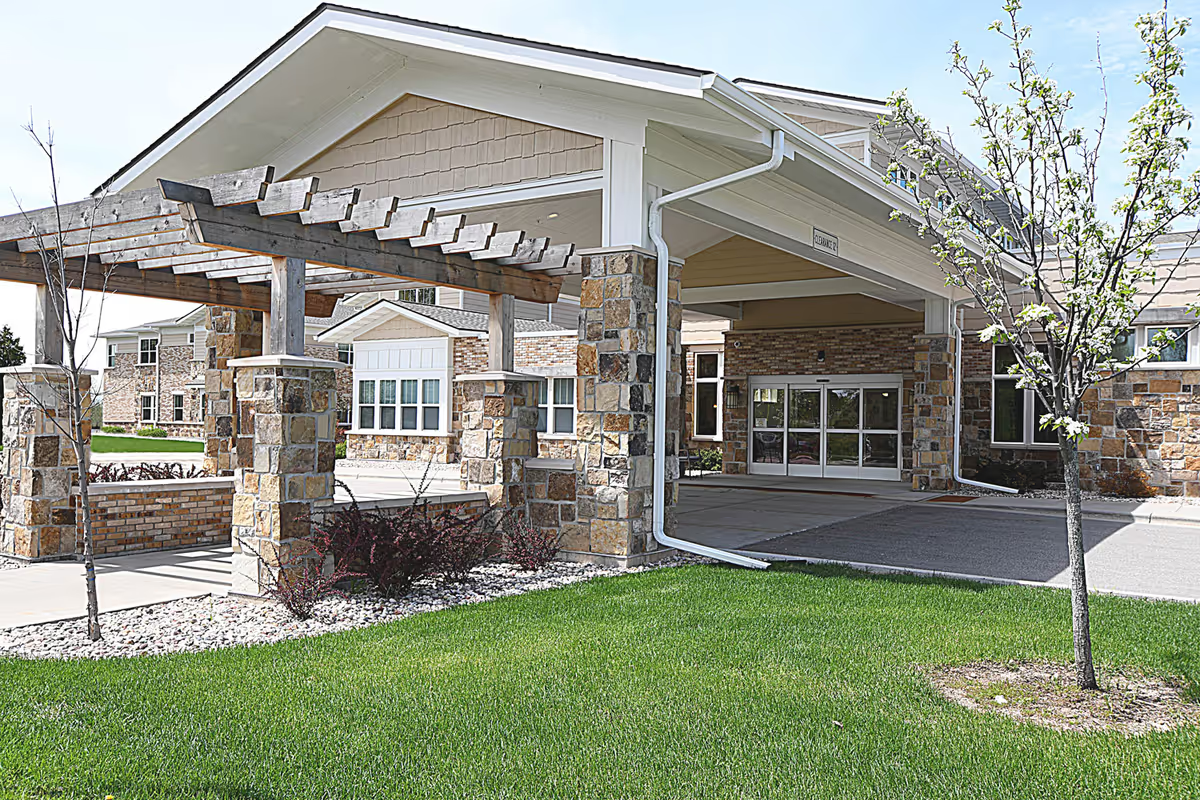
Activities and facilities: The facility's physical environment is described positively — attractive, spacious common areas and grounds. The activities program receives favorable comments when it is active: bingo, painting, and arts projects were called out as enjoyable and meaningful to residents. These offerings appear to be a clear strength when they are reliably scheduled and staffed.
Management and patterns: Frequent management changes and perceived weak leadership continuity were a notable pattern. Reviewers associate leadership instability with inconsistent policy enforcement, staff turnover, and variable responsiveness to family concerns. Positive experiences co-exist with significant operational lapses, producing a wide range of reported outcomes depending on unit, shift, or time frame.
Recommendations for prospects: Families considering this facility should inquire specifically about current staffing levels and turnover, dementia-care training and certifications, medication-administration protocols and error-prevention measures, daily personal-care routines (bathing and continence support), cleaning and linen-change schedules, and smoking/vaping policies and enforcement. Visiting during multiple times of day and discussing a care-suitability assessment with staff may help gauge whether the facility can meet an individual resident’s needs consistently.