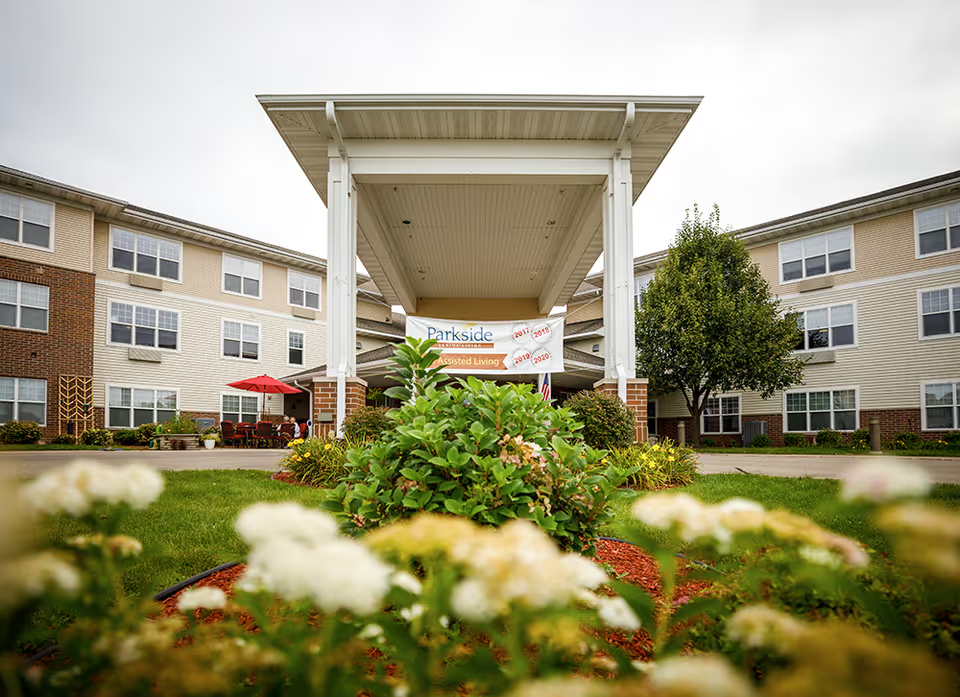
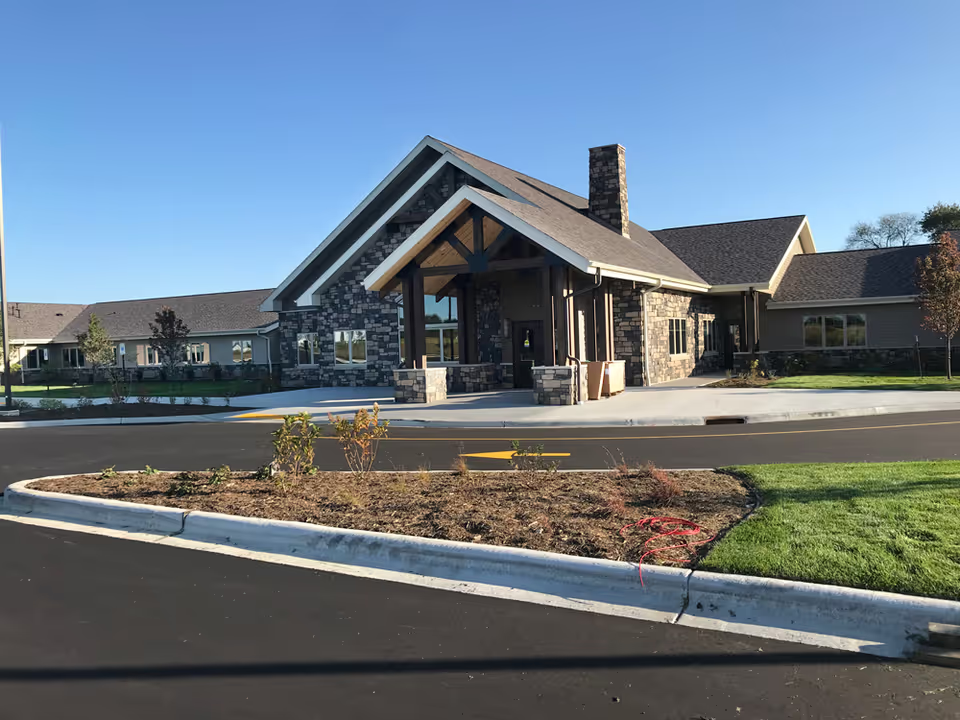
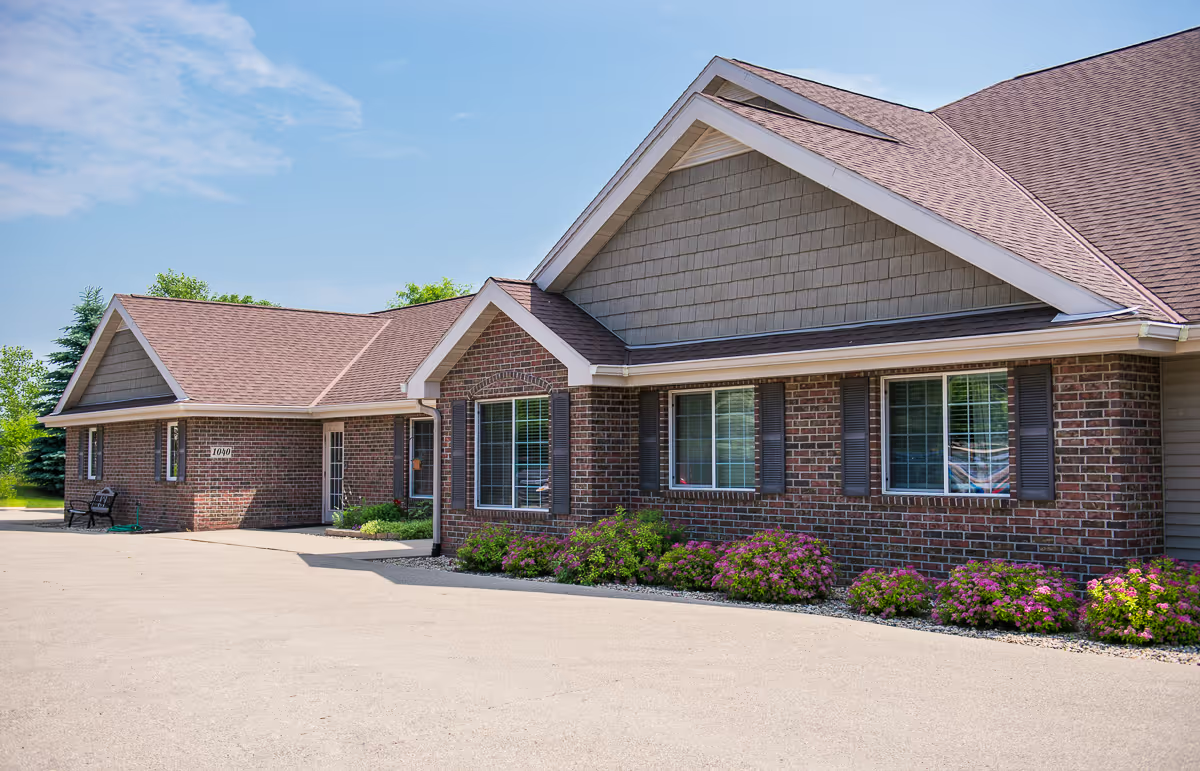
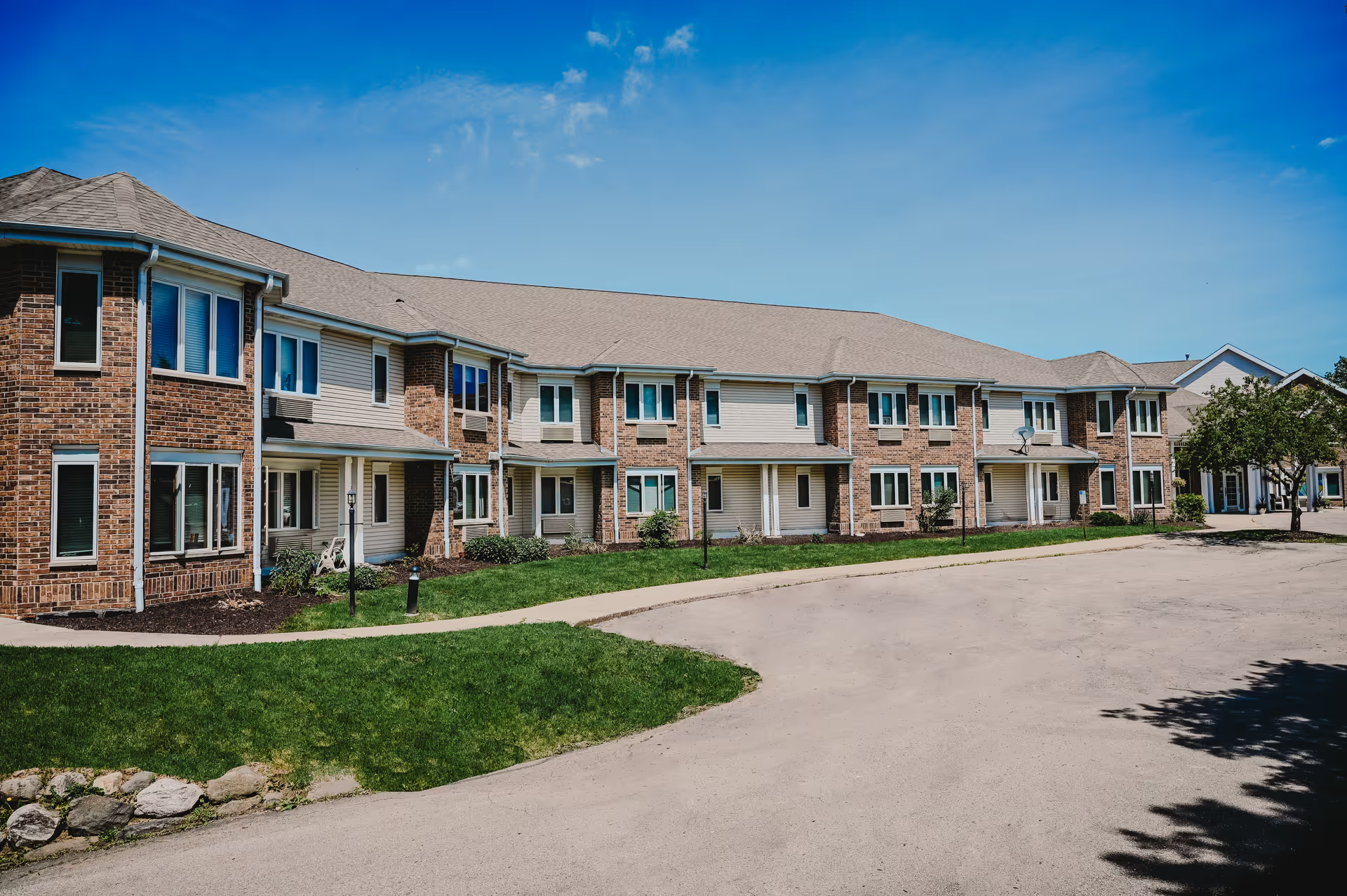
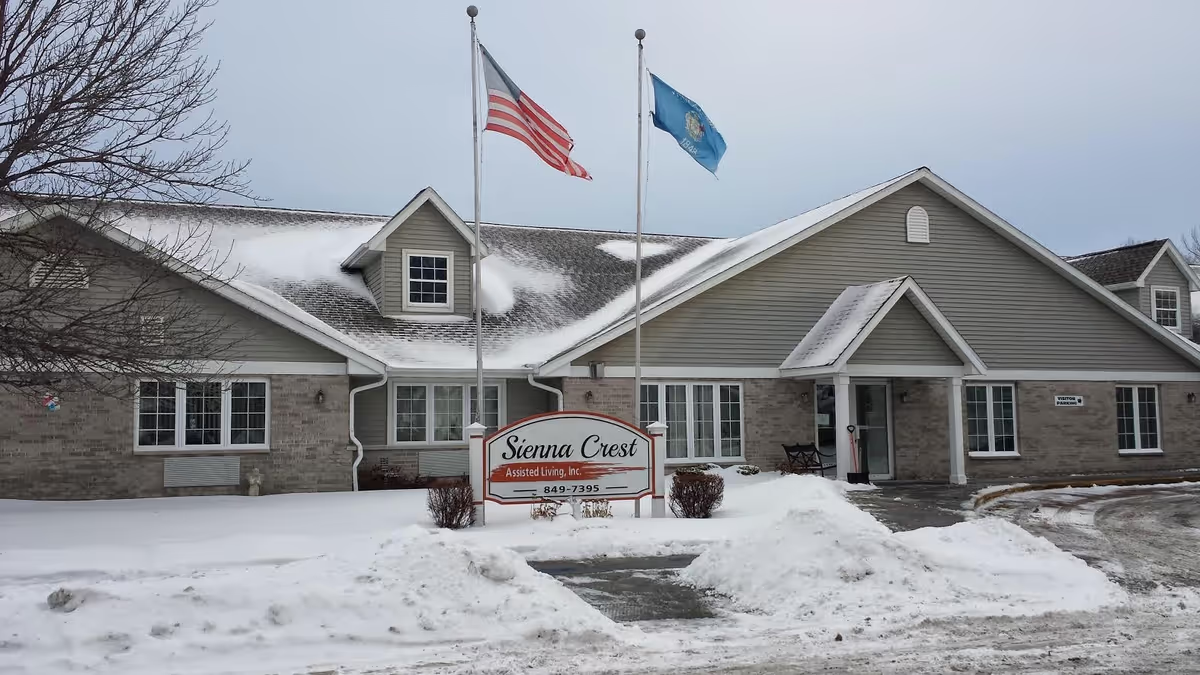
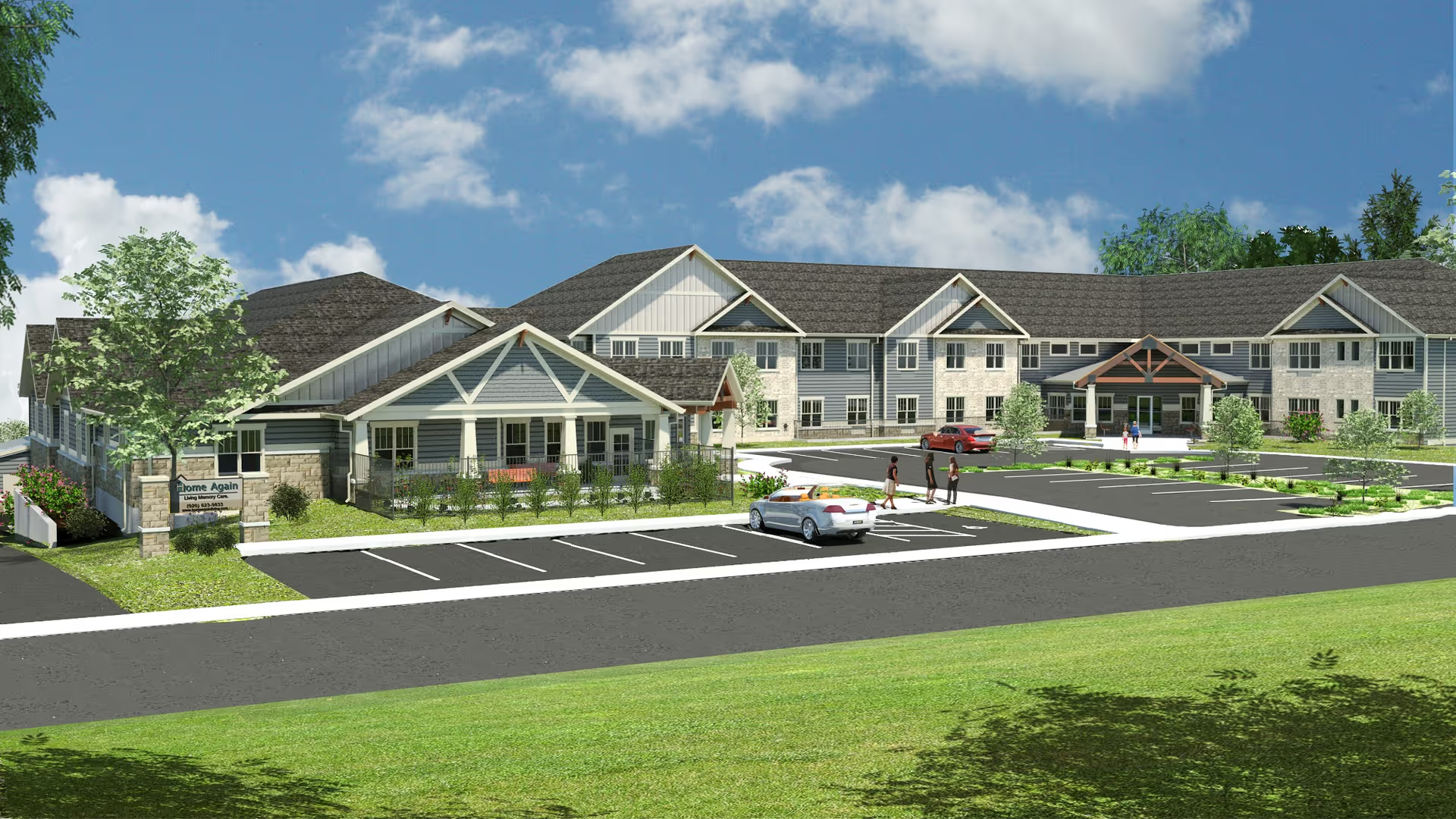
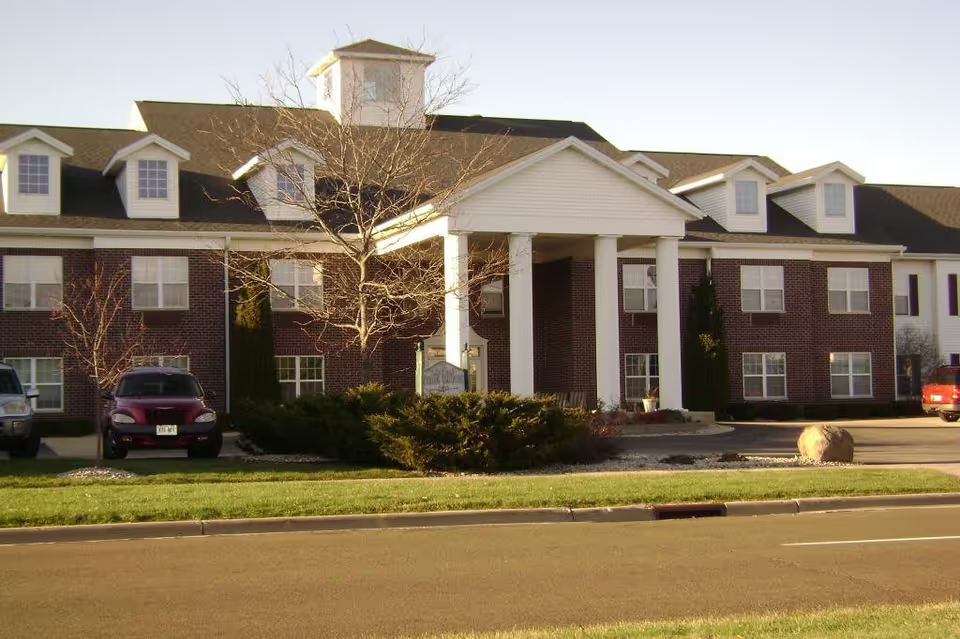
Reviews of Bay Harbor Memory Care & Assisted Living present a divided picture: multiple families praise the physical environment, dining when led by an experienced chef, and the compassion of many frontline caregivers, while several operational and clinical concerns recur across accounts. The building itself is frequently described as clean, modern, and spacious, with wide hallways, accessible bathrooms, large windows and pleasant outdoor areas that residents and families find attractive. When leadership and clinical staffing are stable, reviewers note attentive nursing, effective hospice partnerships, personalized intake assessments, and an activities program that includes outdoor options.
Staffing and care quality are the most common areas of concern. Reviewers describe high turnover, chronic understaffing, and variable staff training, which translate into inconsistent basic-care delivery and slower call-button response at times. A number of families credit specific caregivers and recent hires (a new director and nurse) with marked improvements in day-to-day care, while others describe ongoing lapses in communication and clinical follow-up after incidents. There are also concerns about clinical-incident response and family notification pathways; some families reported prolonged hospitalizations following falls and raised concerns about follow-up communication and care coordination.
Dining and activities receive mixed evaluations. Many reviewers praise the kitchen when led by a chef with a restaurant background and describe generally good, accommodating meals; others note warmed or reheated meals, limited menu choices on certain days, and inconsistent access to fresh vegetables. The activities program is described as lively at times, including outdoor events, but it has also experienced instability related to staff turnover and leadership changes that affected program continuity.
Operational and leadership issues are prominent themes. Frequent director changes and perceived limited onsite management presence have contributed to a sense of weak oversight. Reviewers identify low starting wages, resulting morale pressures, and operational gaps such as insufficient housekeeping and laundry coverage when staffing is limited. Concerns were also raised about property-security practices and specific allegations of theft; whistleblower concerns were mentioned by a small number of reviewers. These issues underscore inconsistent administrative follow-through on family communication and property management.
Taken together, the pattern in reviews suggests a facility with strong physical assets and many dedicated caregivers, but one that has struggled with staffing stability, leadership continuity, and consistent clinical oversight. Several families report tangible improvement after targeted leadership hires; others caution that problems may re-emerge if turnover resumes. Prospective families would likely benefit from asking about current staffing ratios, leadership tenure, incident-response protocols, medication-safety procedures, and housekeeping/laundry coverage, and from visiting during different shifts to observe care consistency firsthand.