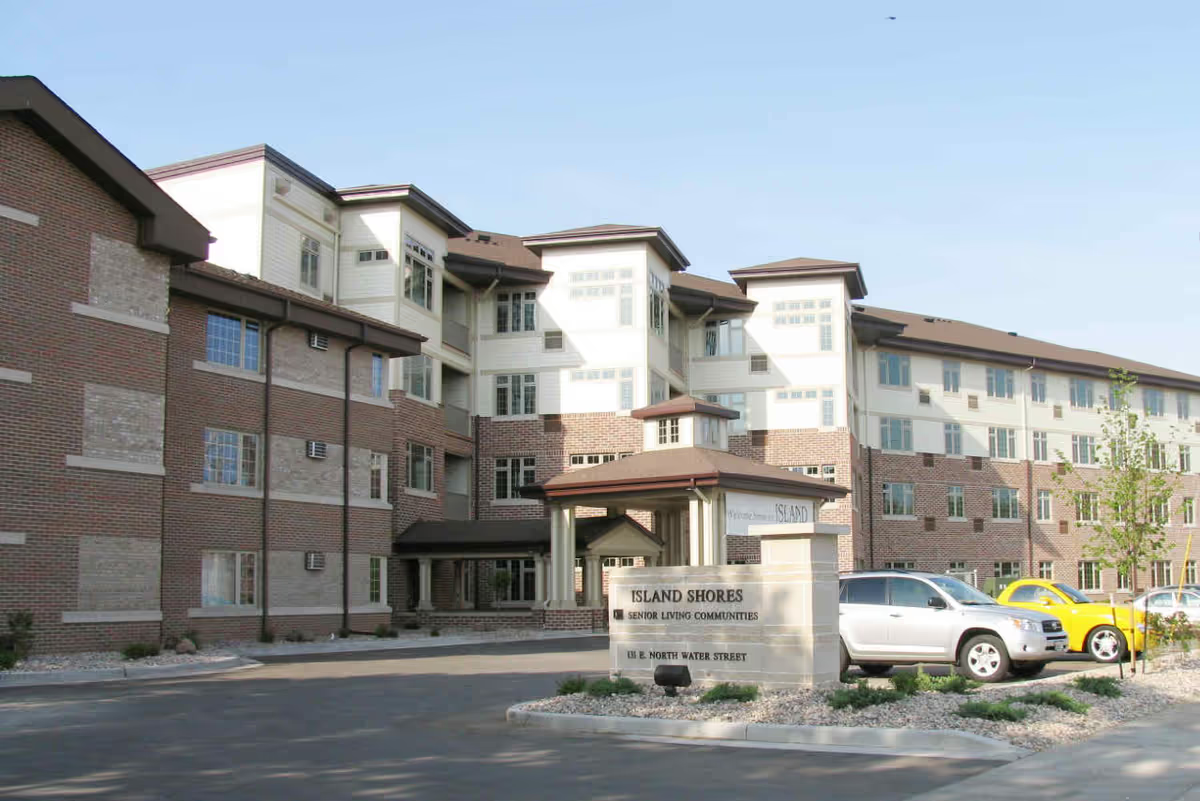
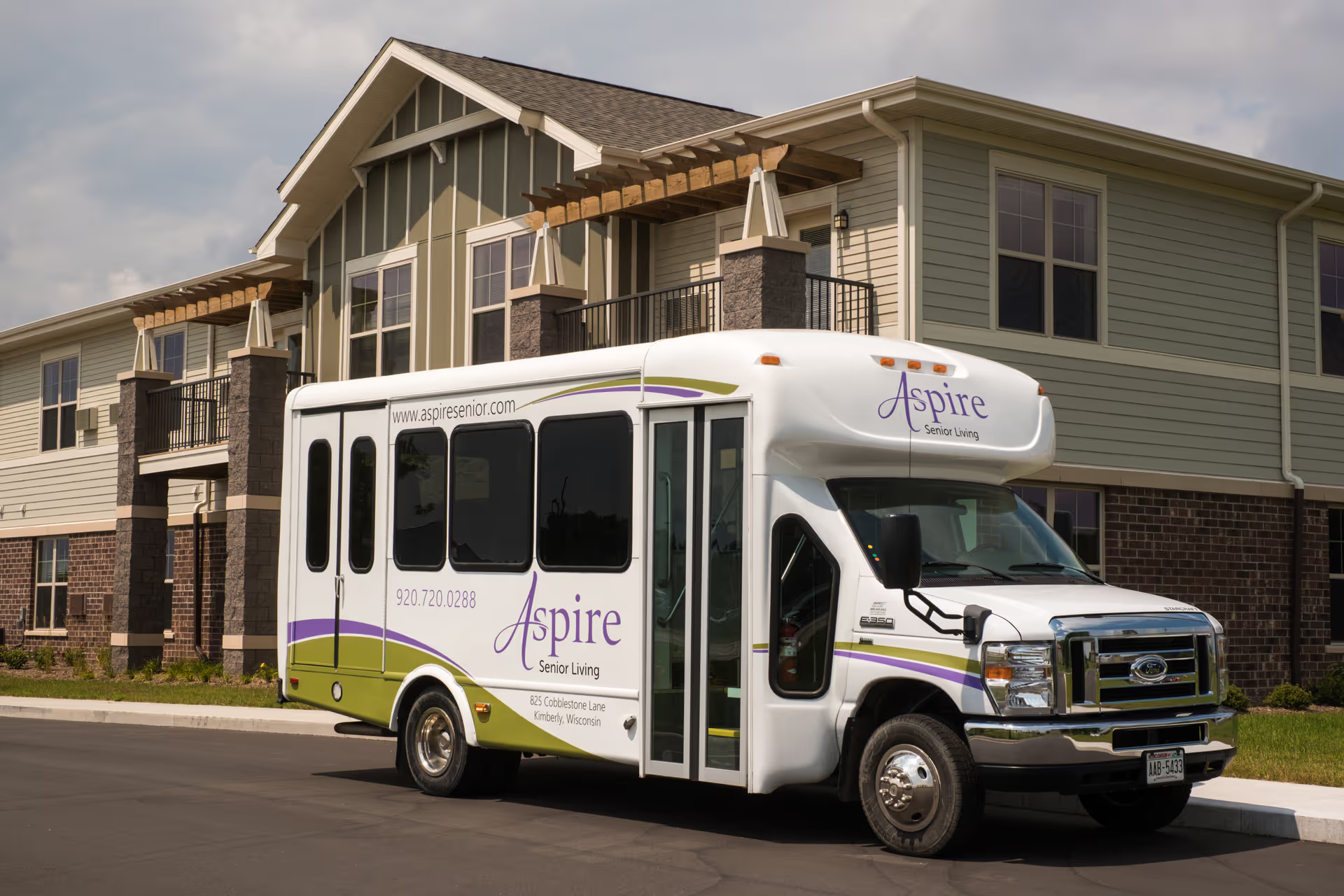
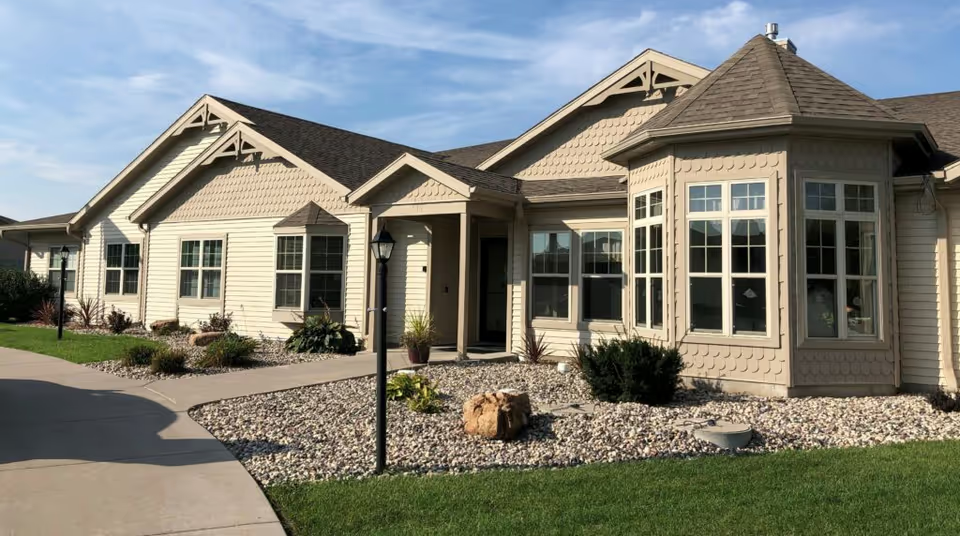
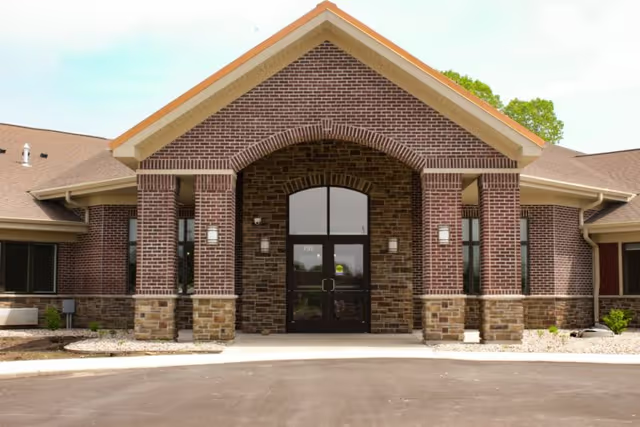
Reviews present a mixed picture: many families praise frontline caregivers and therapy staff for compassion, responsiveness, and effective rehabilitation work, while a number of operational and management weaknesses recur across accounts. Positive comments highlight helpful nursing aides, effective physical and occupational therapy that supported independence gains, clean rooms, functioning laundry and maintenance services, and pleasant common spaces such as a welcoming lounge. Several reviewers described staff who communicated well and provided thoughtful hands-on care.
At the same time, multiple reviewers raised concerns about clinical-operations processes. Medication handling and administration were described as inconsistent, and one reviewer raised concerns following a resident's death related to medication handling. Discharge planning and transitional care processes were also cited as unreliable by some families — examples included missing supplies, incorrect equipment, and inadequate coordination at the time of discharge. Call-light response times and delays attending to basic needs (for example, assistance with drinks and bathing) were recurring themes, indicating gaps in timely direct-care coverage.
Dining and day-to-day living show variable experiences. Several reviewers found the food acceptable and some residents enjoyed meals, but others described inconsistent food quality and interruptions to meal service tied to kitchen or construction issues. Facility-level services such as laundry, maintenance, and on-site personal-care offerings (hair/nails) were noted as strengths; however, construction work and room relocations have disrupted visiting and feeding spaces and created planning challenges for residents and families.
Management and staffing emerged as an important axis of variability. Some accounts complimented an involved director of nursing and accommodating staffing coordinators, noting improved staff engagement. Contrastingly, other reviewers described concerns about manager conduct, perceived disrespect toward staff and families, favoritism, and inconsistent enforcement of sick-call policies that contributed to staffing shortages. These management and staffing dynamics appear to correlate with the operational weaknesses described above: delayed care, inconsistent housekeeping, and gaps in equipment provisioning.
For prospective residents and families: the facility shows clear strengths at the bedside and in therapy, but persistent operational issues warrant targeted questions during a tour. Ask about current staffing ratios and vacancy coverage, medication-administration protocols and error-reporting procedures, discharge planning and equipment coordination, call-light response metrics, construction timelines and visitor accommodations, and recent housekeeping/quality audits. Observing meal service, speaking directly with therapy staff, and requesting examples of how management addresses complaints may help clarify whether the facility's current practices match a family's needs.