Overall impression: Reviews of Muskego Health and Rehabilitation Center are highly polarized. Many families and residents highlight strong clinical and social strengths — particularly compassionate frontline staff, an active therapy department, and an engaging activities program — while other accounts describe persistent operational and environmental concerns that affect perceived quality of care.
Care quality and staffing: Positive comments emphasize attentive nurses, helpful CNAs, and a focus on rehabilitation and therapy. Social workers and select leaders are credited with good family communication and coordination of care. However, recurring themes indicate inconsistent staffing levels and long response times to call bells or care needs. Reviewers raised concerns about medication management and monitoring, and some described inconsistency in hygiene and incontinence-care practices. There are also noted gaps in dementia-specific protocols and training.
Dining and activities: The activity program is consistently praised for variety and engagement (bingo, music, church services, outdoor events), and staff-facilitated outdoor time on a lake-view patio is a distinctive positive. Comments on food quality are mixed: some find meals acceptable while others describe uneven meal experiences.
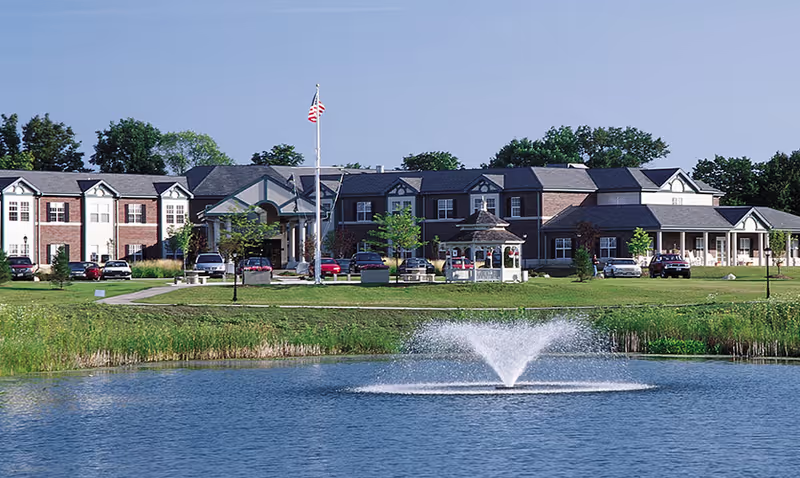
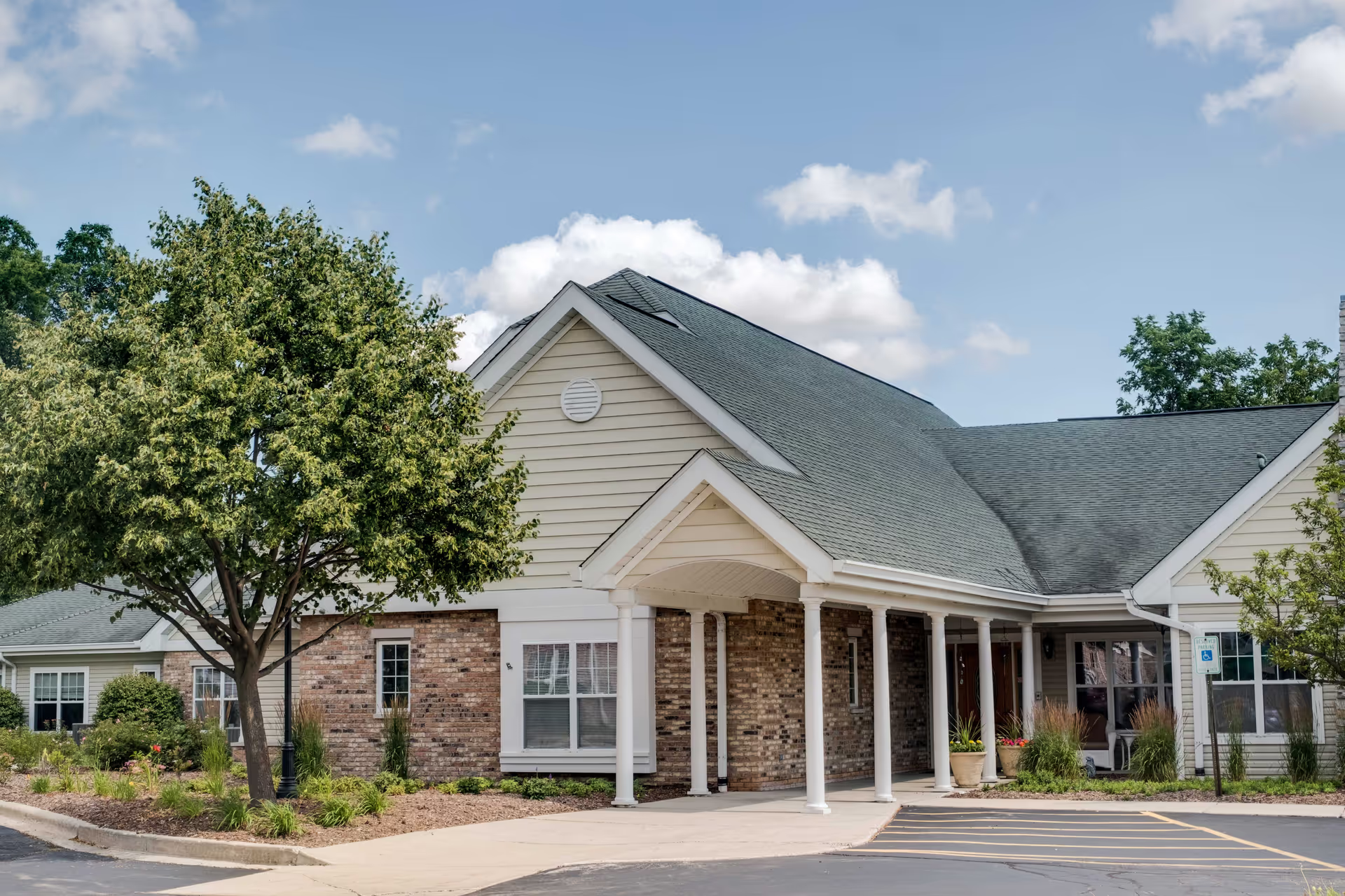
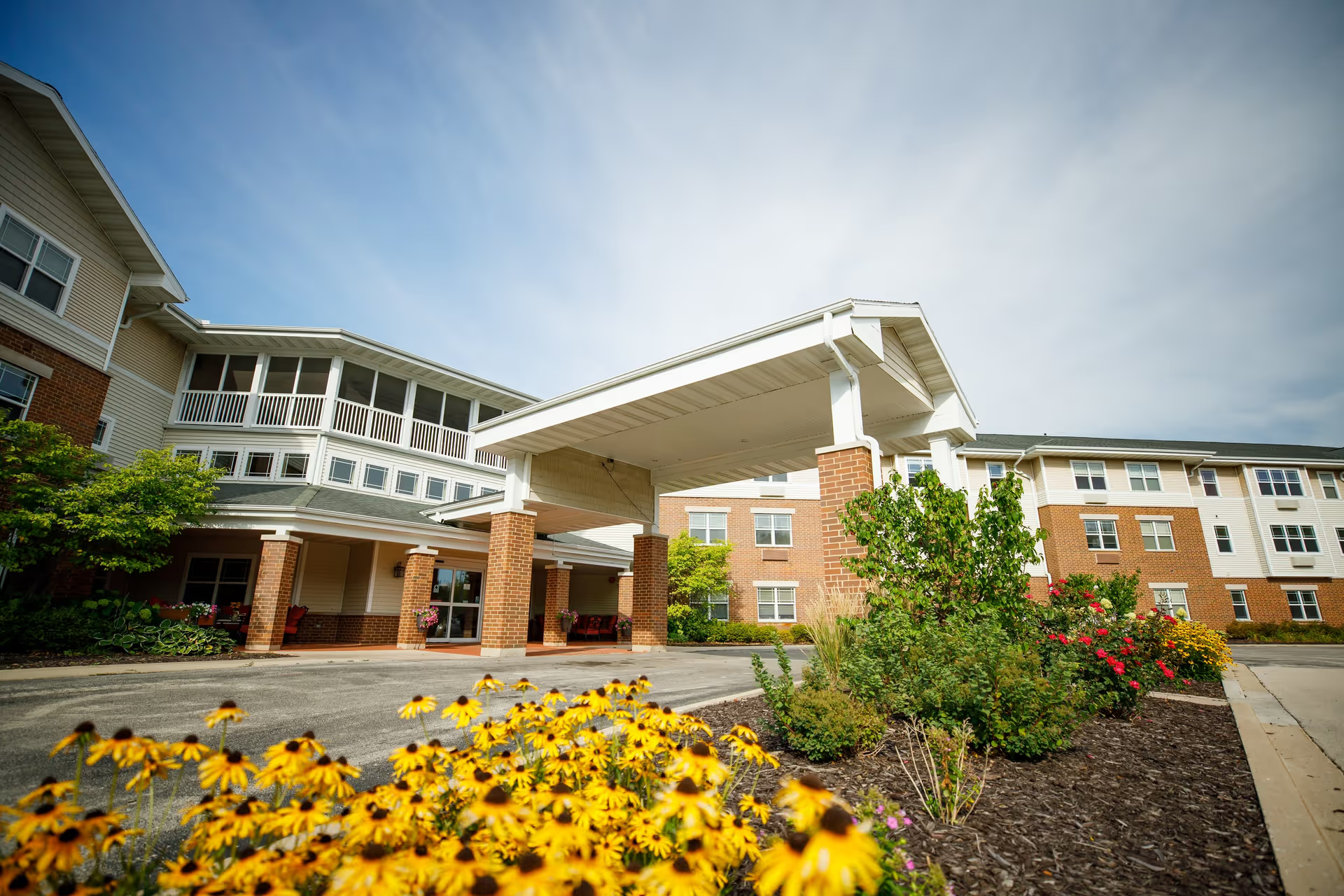
Facilities and environment: Multiple reviewers describe maintenance and cleanliness issues, odor concerns in parts of the building, and pest-control problems in lower-level areas. Physical plant complaints include dim, outdated rooms, broken safety hardware, crowded rooming in some units, and limited in-room communication devices. These environmental and maintenance shortcomings were linked to safety and fall-risk concerns by several families.
Management, administration, and processes: Accounts reflect variability in administrative performance over time. Some families note improved responsiveness and cleaner facilities following a leadership change, including proactive virtual-visit support during COVID. Conversely, other reviews describe weak front-desk coverage, delayed or absent family notifications about hospital transfers, and duplicate or confusing billing practices. There are also serious process concerns around admission practices and financial-obligation pressure that some reviewers characterized as coercive.
Notable patterns and practical considerations: The facility appears to offer strong relational and rehabilitative strengths at the unit and staff level, but systemic operational weaknesses (sanitation control, staffing consistency, medication oversight, property management, and administrative communication) create risk and variability in resident experience. Prospective families should tour multiple times, observe meal and activity periods, inspect cleanliness and odor control, ask about staffing ratios and dementia-care protocols, review medication-audit procedures, clarify personal-belongings and billing policies, and request the facility's emergency-notification process for hospital transfers. Follow-up questions for leadership about recent improvements and ongoing corrective actions may be particularly useful given the reported variability in management performance.