Overall impression: Reviews for St Joseph Residence are mixed, with a sizable set of positive experiences around amenities, rehabilitation services, dining, and social programming, and a smaller but significant set of concerns about clinical consistency, space, and administrative practices. Many reviewers praised the facility’s physical environment and programming, while others described problems concentrated in the skilled nursing/nursing-home side and in administrative interactions with families.
Care quality: Clinical care impressions vary. Several reviewers praised the rehab and therapy services, noting a recently remodeled rehab area and positive outcomes after short stays. At the same time, a number of comments describe inconsistent care coordination among nursing staff and disagreements about care plans; this points to gaps in handoffs and clinical communication. There are also concerns about medication-management practices, including use of calming agents, which prospective families should clarify with clinical leadership and in care-plan reviews.
Staff: Staff behavior drew both positive and critical remarks. Many families and visitors described staff as friendly, helpful, and attentive, particularly in assisted-living and rehab areas. However, reviewers also reported variability in staff conduct and continuity across shifts, and a few described interactions that were upsetting; this suggests staffing consistency and staff-training reinforcement are areas for ongoing oversight.
Dining and activities: Dining is a consistent strength in the feedback—reviewers cited a pleasant dining room and generally good meals. The activity program appears robust, with a variety of social and religious offerings (including regular church services) and visible resident engagement. The community offers opportunities for residents to be active and socialized, which reviewers noted as a benefit to daily life.
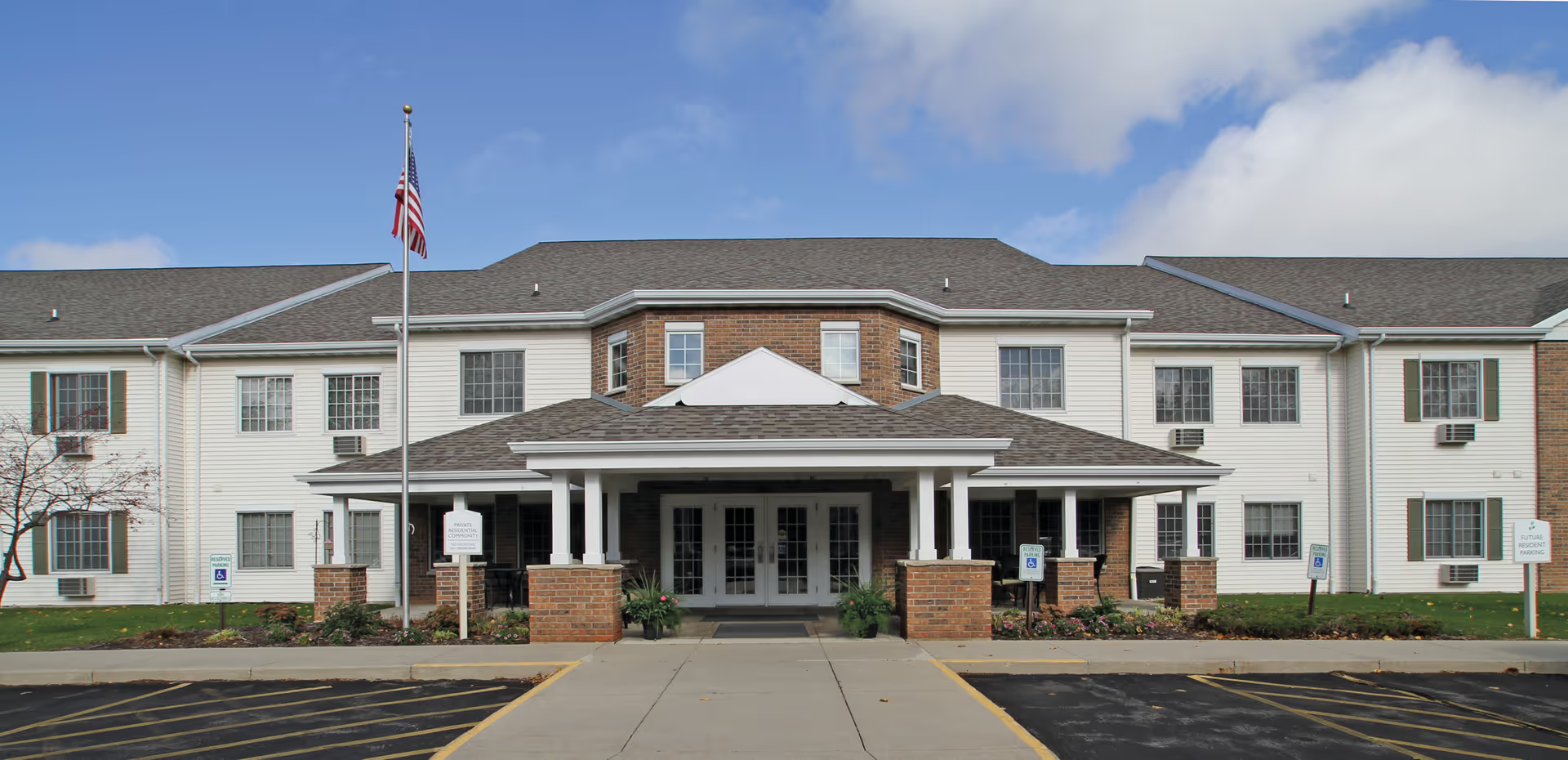
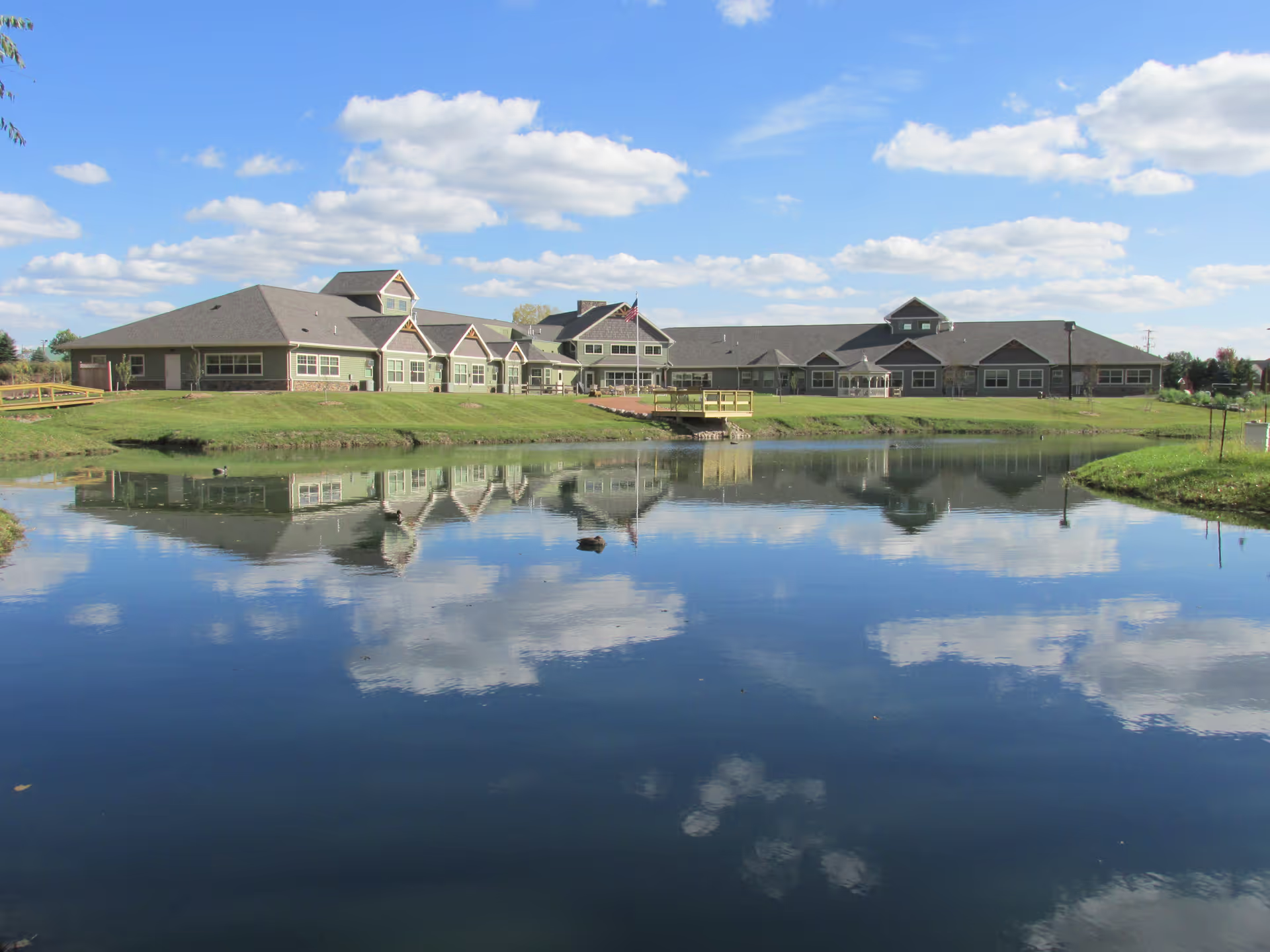
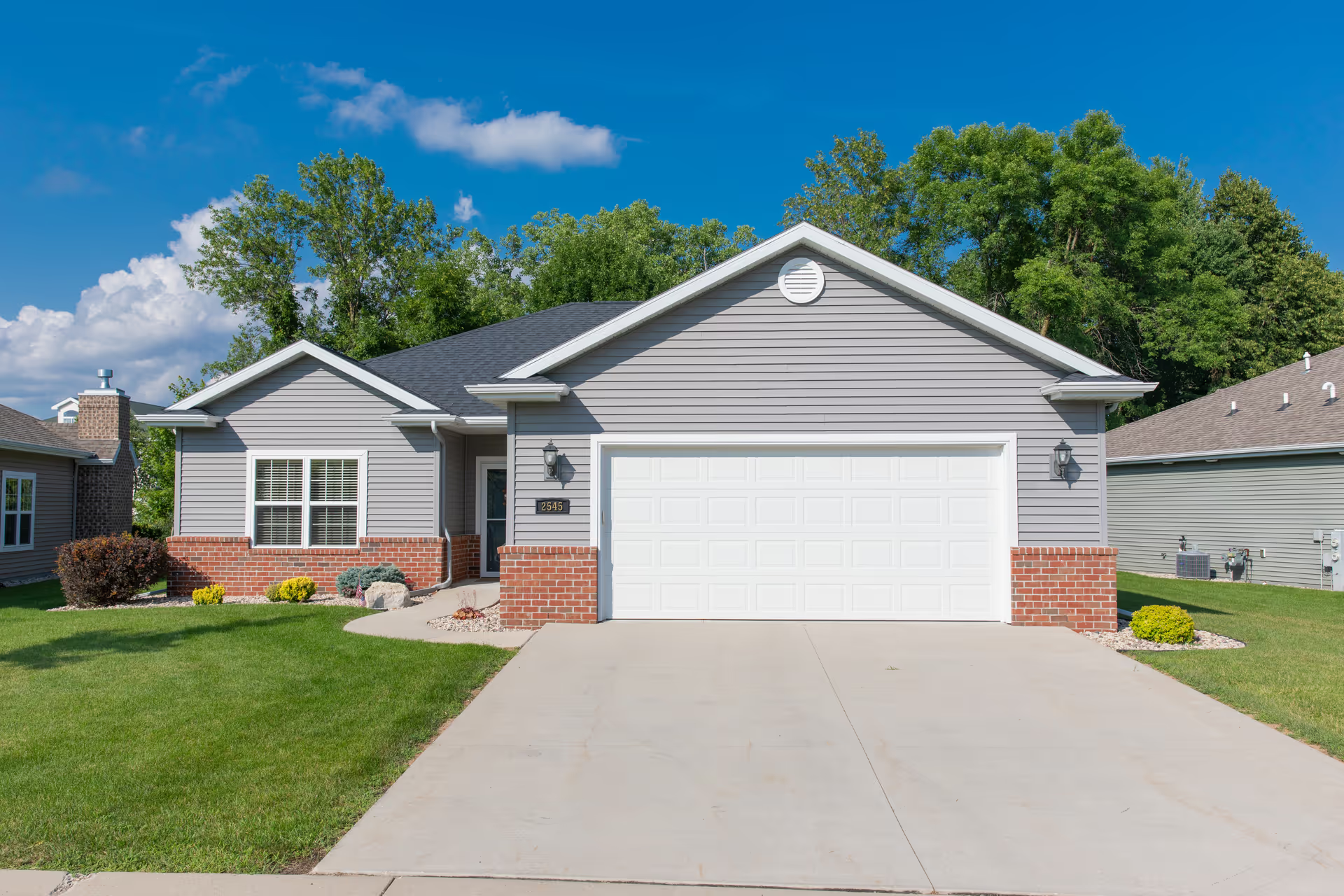
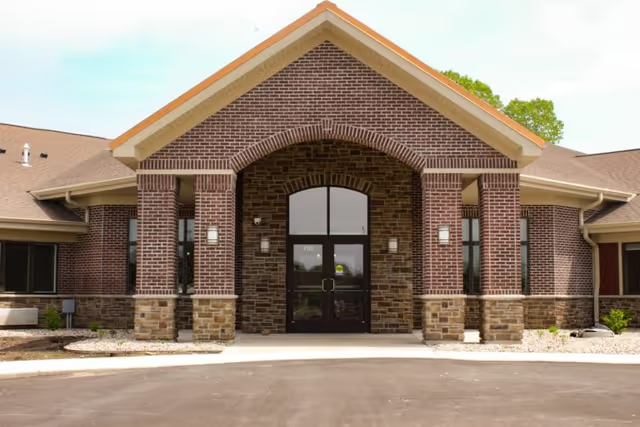
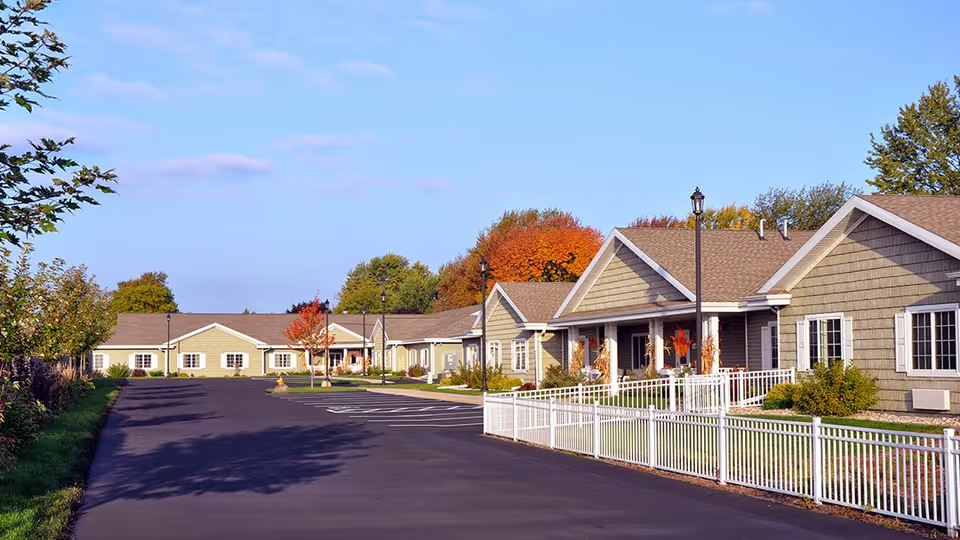
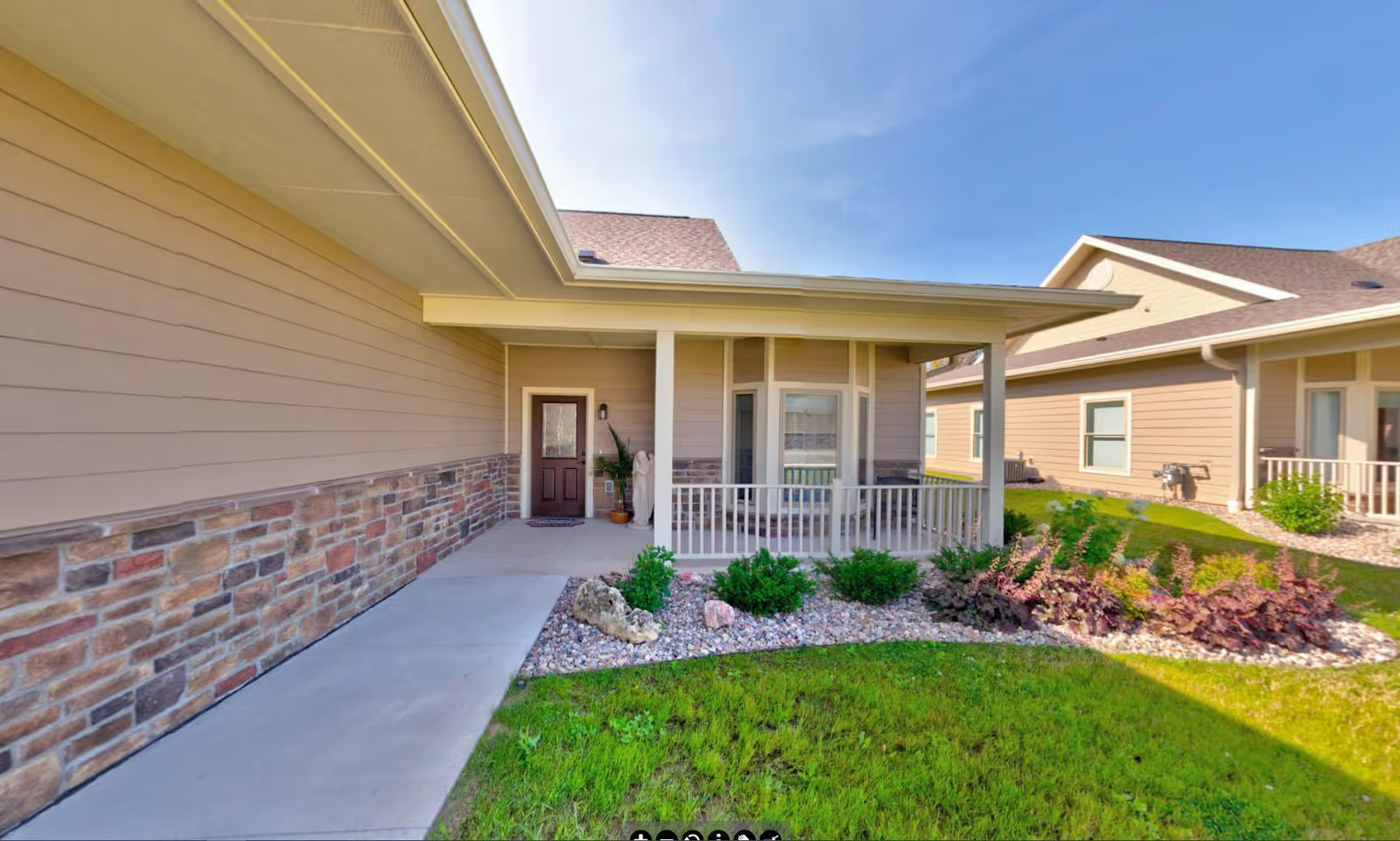
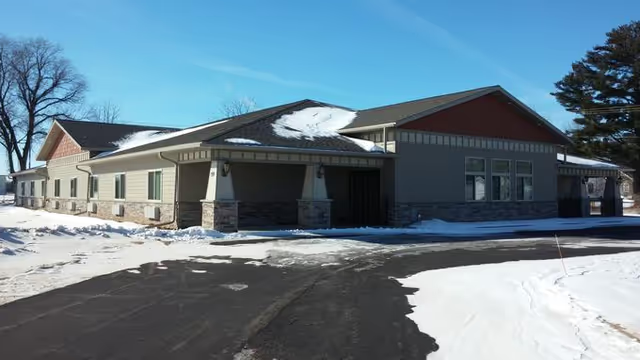
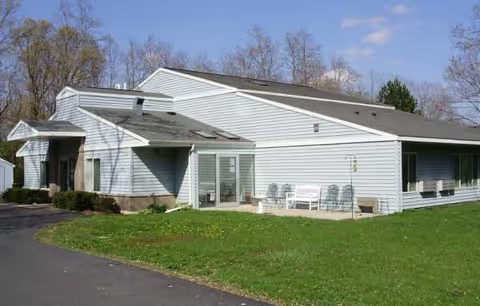
Facilities and environment: The campus and grounds receive favorable comments—landscaped grounds, attractive common spaces, and even on-site wildlife were noted positively. The assisted-living areas were described as comfortable. In contrast, the nursing-home side was characterized by several reviewers as crowded and cramped, with small room layouts and furniture placements limiting usable space and privacy. Some reviewers also described a more institutional or impersonal atmosphere in certain care areas.
Management and administrative patterns: Most operational feedback about management was positive where communication and attention to detail were present; some reviewers noted improvements in staff communication. Conversely, there are notable administrative concerns: families reported distress related to billing and collections practices, including aggressive communications that were particularly upsetting following bereavement. Prospective residents and families should ask about billing policies, collections procedures, and how the facility handles sensitive communications.
Notable patterns and guidance: The facility shows clear strengths in rehab, activities, dining, and campus aesthetics, and many families have positive experiences with staff and therapy outcomes. However, pattern-level issues—crowding in the nursing unit, inconsistent clinical communication, variability in staff continuity, medication-management concerns, and aggressive billing practices—emerge repeatedly enough to warrant attention. Recommended next steps for prospective residents and families are to tour both assisted-living and nursing areas, review typical room layouts, ask clinical leadership about care-plan handoffs and medication protocols, and request written billing and collections policies before making a placement decision.