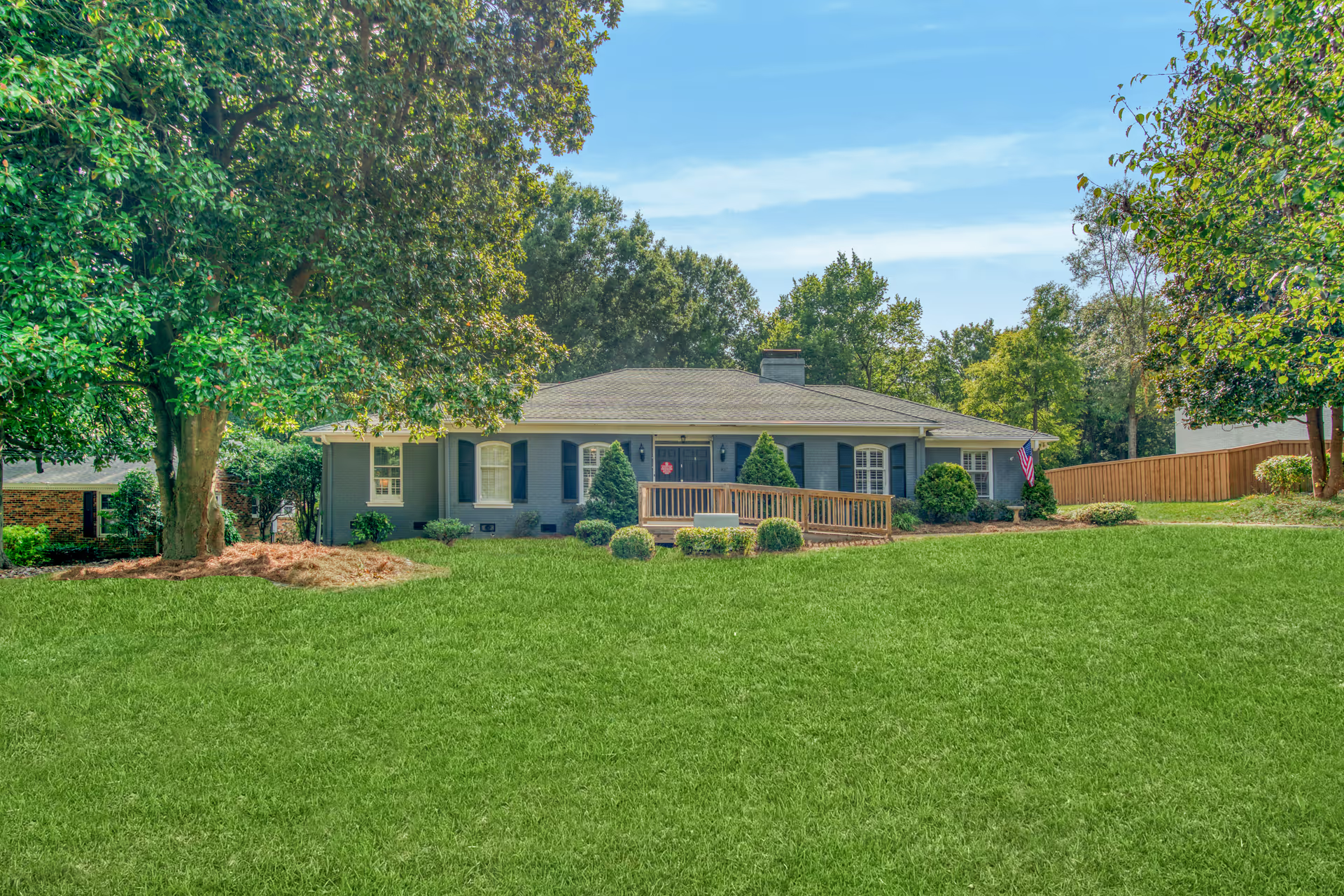
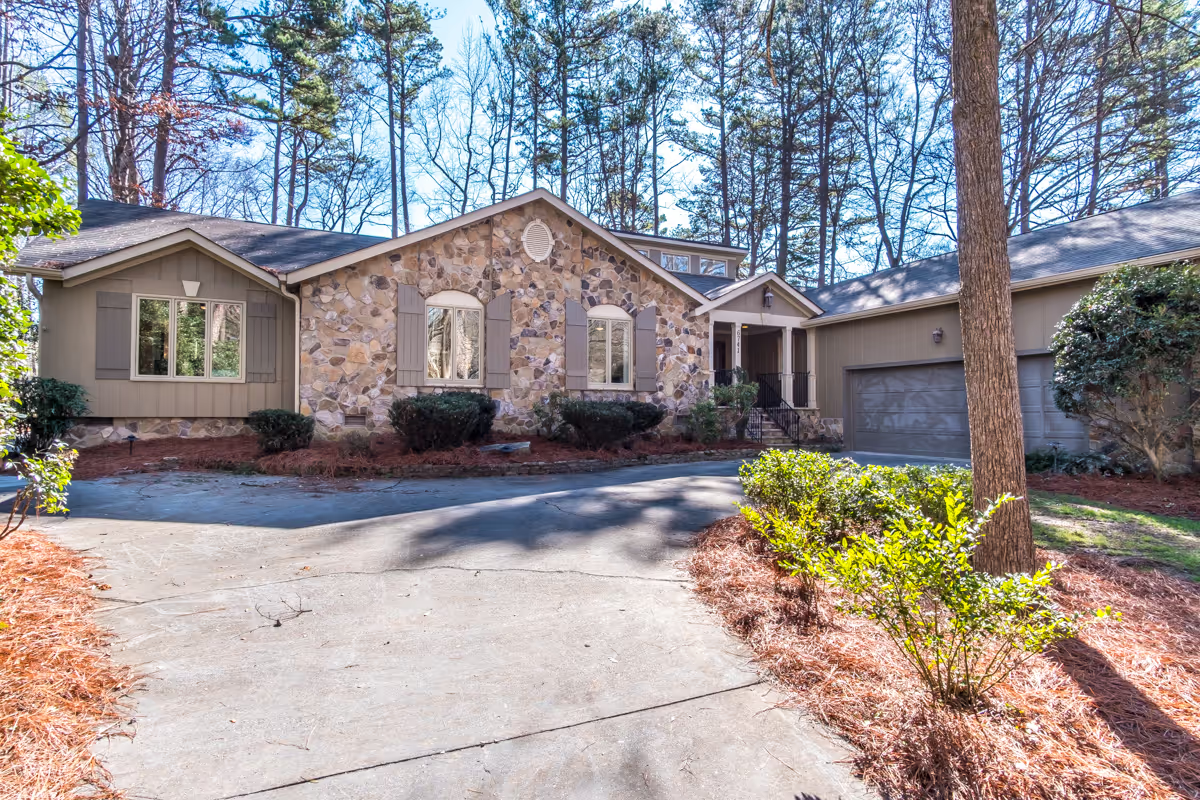
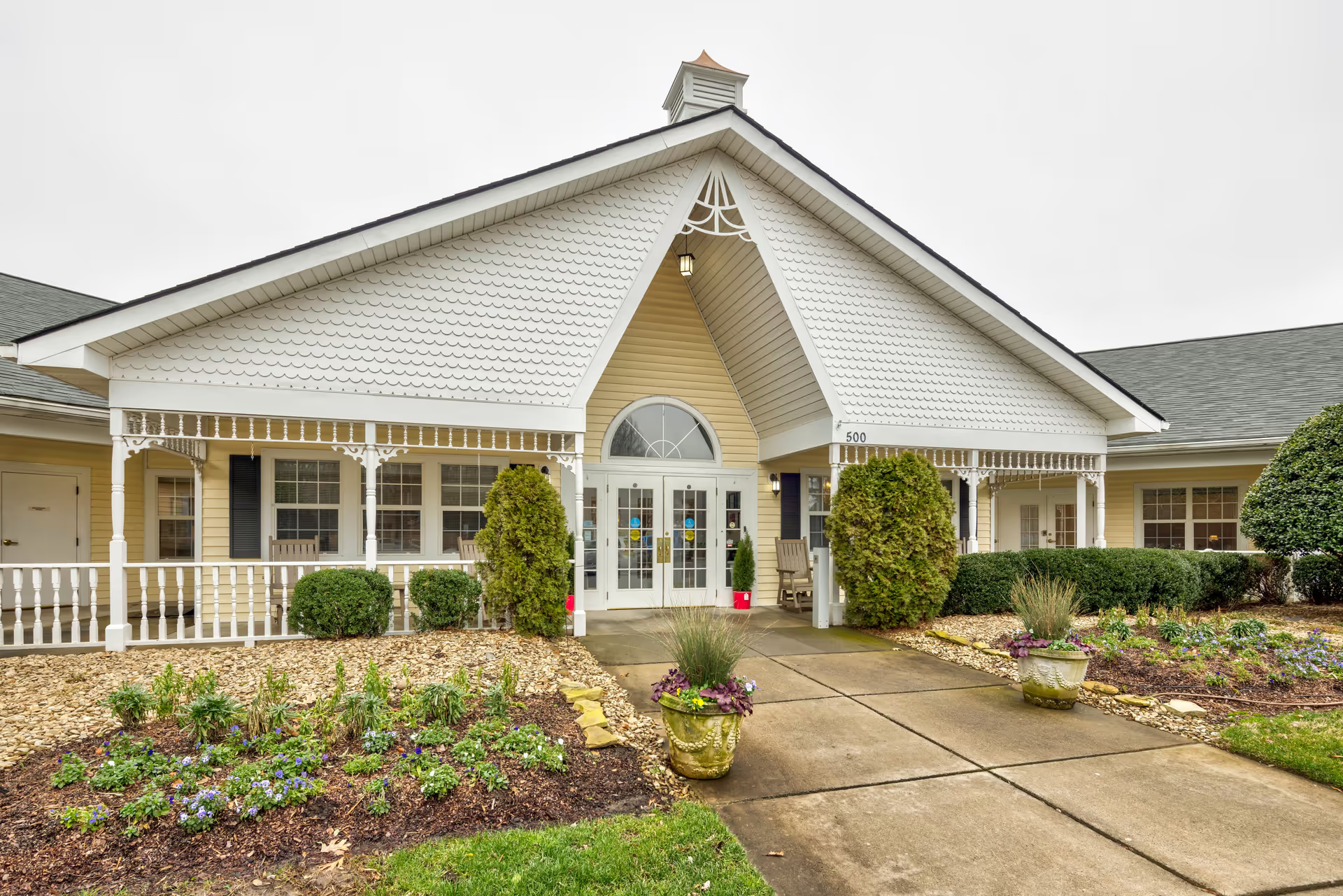
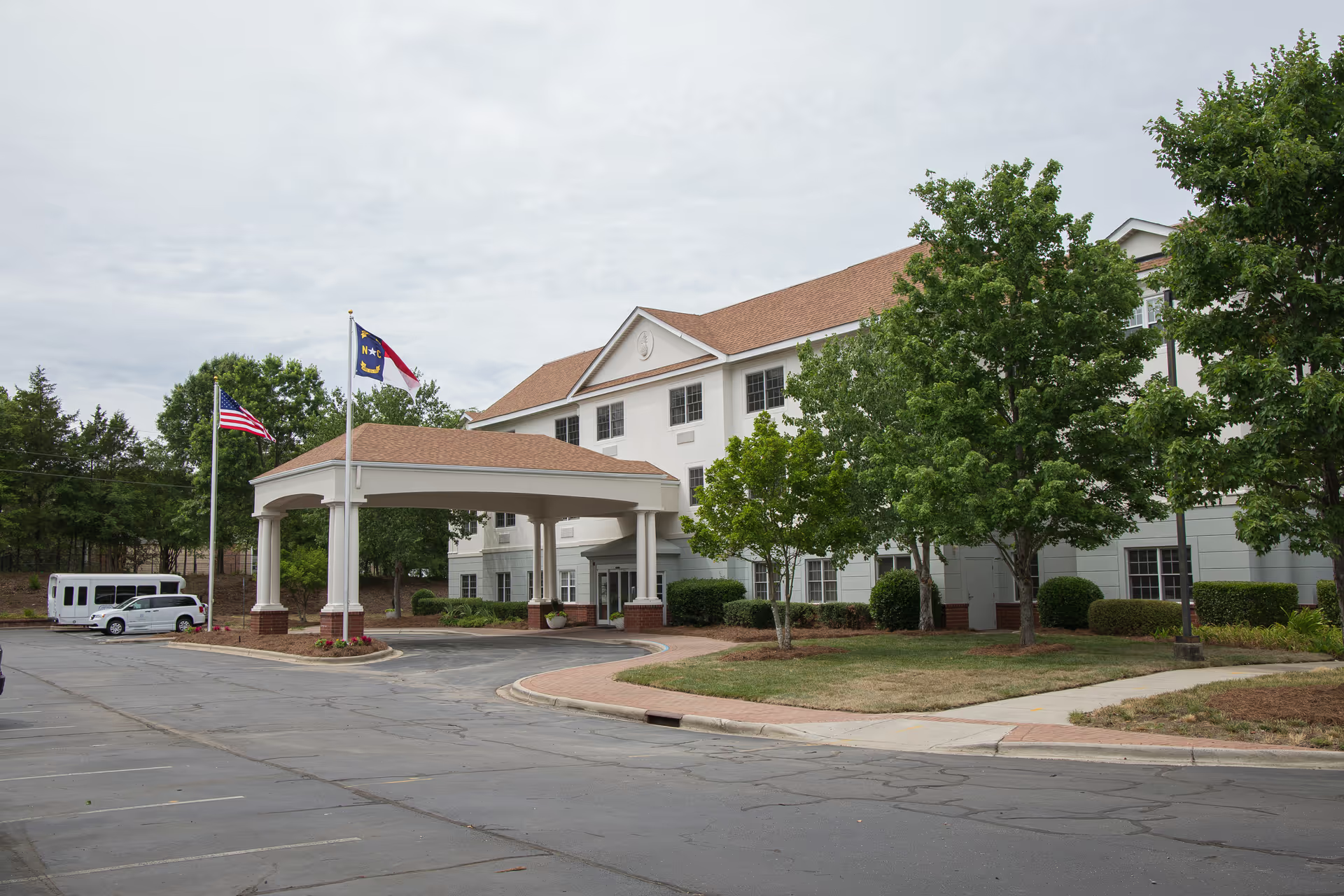
The Senior Villages presents a mixed but coherent profile: physically older buildings with a number of positive operational strengths alongside several recurring infrastructure and administrative weaknesses. Unit interiors are often described as clean and quietly maintained; several reviewers highlighted large screened balconies, good kitchen storage, and updated accessibility features such as walk-in showers and widened doorways. Grounds are generally kept, the community is gated, and the property is positioned conveniently near grocery stores, pharmacies, and hospitals, which many prospective residents and families will find useful.
Maintenance and front-line staff are a prominent strength. Multiple accounts describe efficient, friendly maintenance teams, same-day responses for routine issues, and a 24-hour emergency maintenance line. Management and specific staff members were praised for accommodating move-in needs and reasonable customer service in many interactions. That said, administrative practices are uneven: office hours, billing overlaps, delays during move-in, and occasional front-desk coordination problems were also noted. These operational inconsistencies can affect the move-in experience and day-to-day communication with the office.
Facility-level infrastructure issues recur across the feedback. Water-intrusion problems (leaks, water on surfaces, and at least one structural failure) and periodic pool maintenance problems including algae and seasonal closures were raised. These suggest gaps in large-system upkeep and preventive maintenance beyond routine apartment repairs. Laundry capacity is limited and there is no resident shuttle, which reduces convenience for residents with mobility or transportation needs. Mail handling and package security also emerged as an operational weakness.
Community life and programming appear limited and uneven. There is at least one recurring activity (a Thursday Bible study), but reviewers characterize communal space as scarce and some residents experience difficulty integrating socially; descriptions of cliques and limited shared venues point to variable social engagement. Noise and light conditions vary widely by unit: many apartments have limited natural light and few windows, and others experience hallway, upstairs, or highway noise. Accessibility is similarly mixed: some units have been remodeled for wheelchair access, but the property has few elevators and first-floor availability is constrained, making the site a better fit for more mobile residents unless a specific accessible unit is obtained.
On balance, prospective residents should weigh the facility’s strengths in maintenance responsiveness, some unit-level accessibility upgrades, and convenient location against recurring infrastructure and administrative issues. Ask management for documentation on recent repairs and preventive-maintenance schedules (roofing/plumbing/pool), clarify pet-policy details and building-specific pet rules, confirm availability of first-floor or accessible units, and verify office hours and billing timelines before committing. These targeted questions will help determine whether the property’s mix of reliable day-to-day responsiveness and longer-term building issues aligns with an individual resident’s priorities.