Overall impression: Reviews present a mixed but informative picture. Many families and residents describe The Dorchester as a clean, well-maintained independent living community with spacious apartment options and a welcoming social environment. Strengths most consistently noted are the personal interactions — staff and maintenance are frequently described as attentive and helpful — and the breadth of amenities, including multiple housing choices, libraries, pool/aerobics, and an active calendar of events.
Care and clinical scope: The Dorchester operates primarily as an independent living community. Reviewers emphasize that on-site clinical supports are limited and that the community does not provide fall-assistance or higher-level skilled nursing services. Prospective residents who need frequent clinical monitoring or assistance with transfers should confirm available services and emergency-response protocols before committing.
Staff and operations: Many accounts praise individual staff members and describe prompt maintenance, a helpful front desk, and friendly resident interactions. However, a clear pattern of management instability emerges in a number of reviews: recent turnover, reorganizations, and departures of long-standing staff have raised concerns about morale, continuity of care, and administrative responsiveness. Reviewers also cite occasional gaps in front-desk or weekend reception staff training and some dissatisfaction with communication and tone from management in certain situations.
Dining: Dining quality is generally described positively — reviewers note an executive/gourmet chef, appealing menu items, and available a la carte meals. At the same time, multiple comments highlight operational limitations: limited meal-service availability on weekends and holidays, relatively high meal prices for ala carte items, and occasional inconsistencies in menu availability. Families should verify meal hours, weekend coverage, and pricing for regular and a la carte options.
Activities and social life: The community offers a robust activity schedule with live music, comedians, bus trips, religious groups, and social events; many residents describe an excellent social life. Conversely, some reviewers find activity participation low or the programming inconsistent for certain groups. The degree to which a prospective resident will engage appears to depend on personal initiative and the current activity-coordination effectiveness.
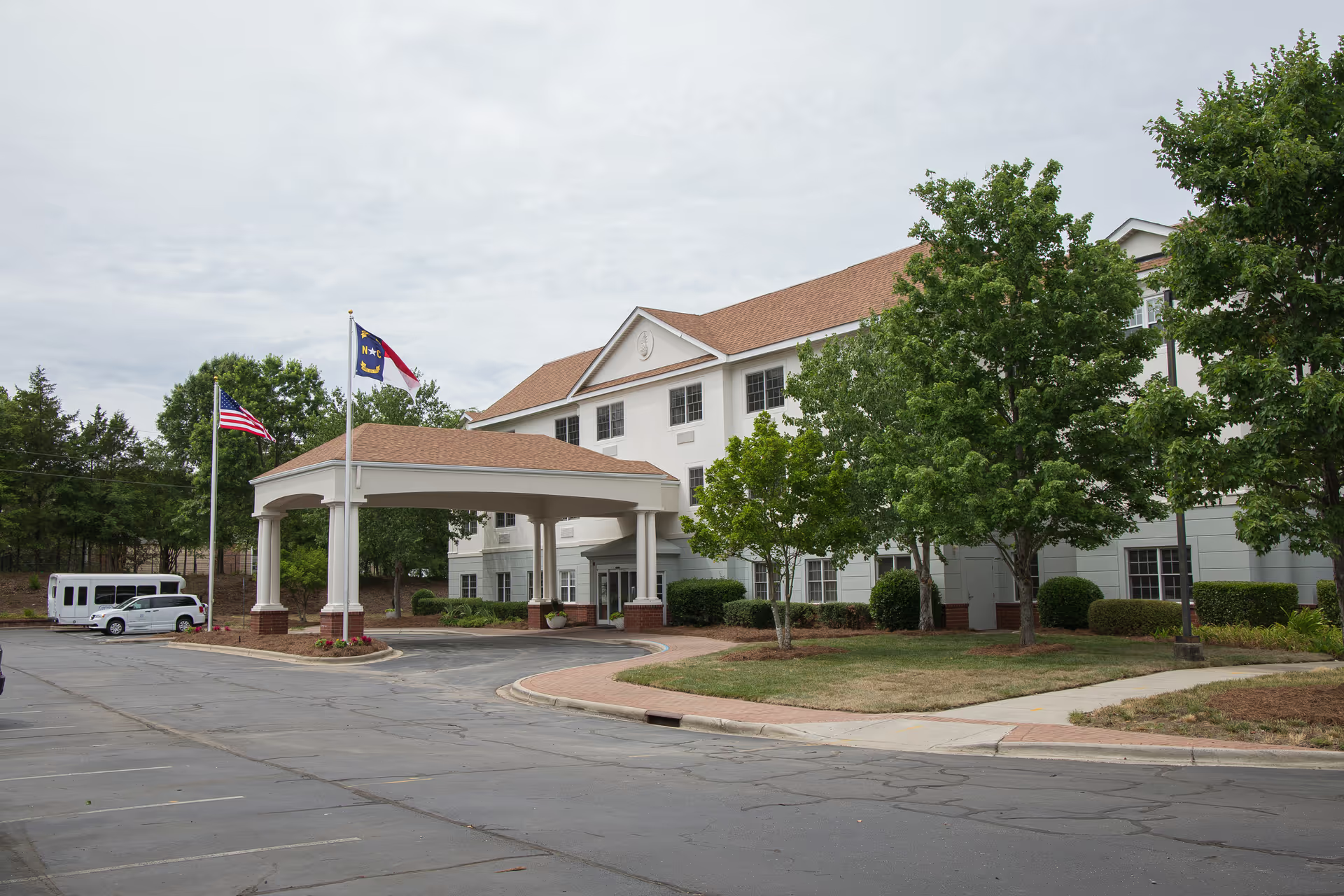
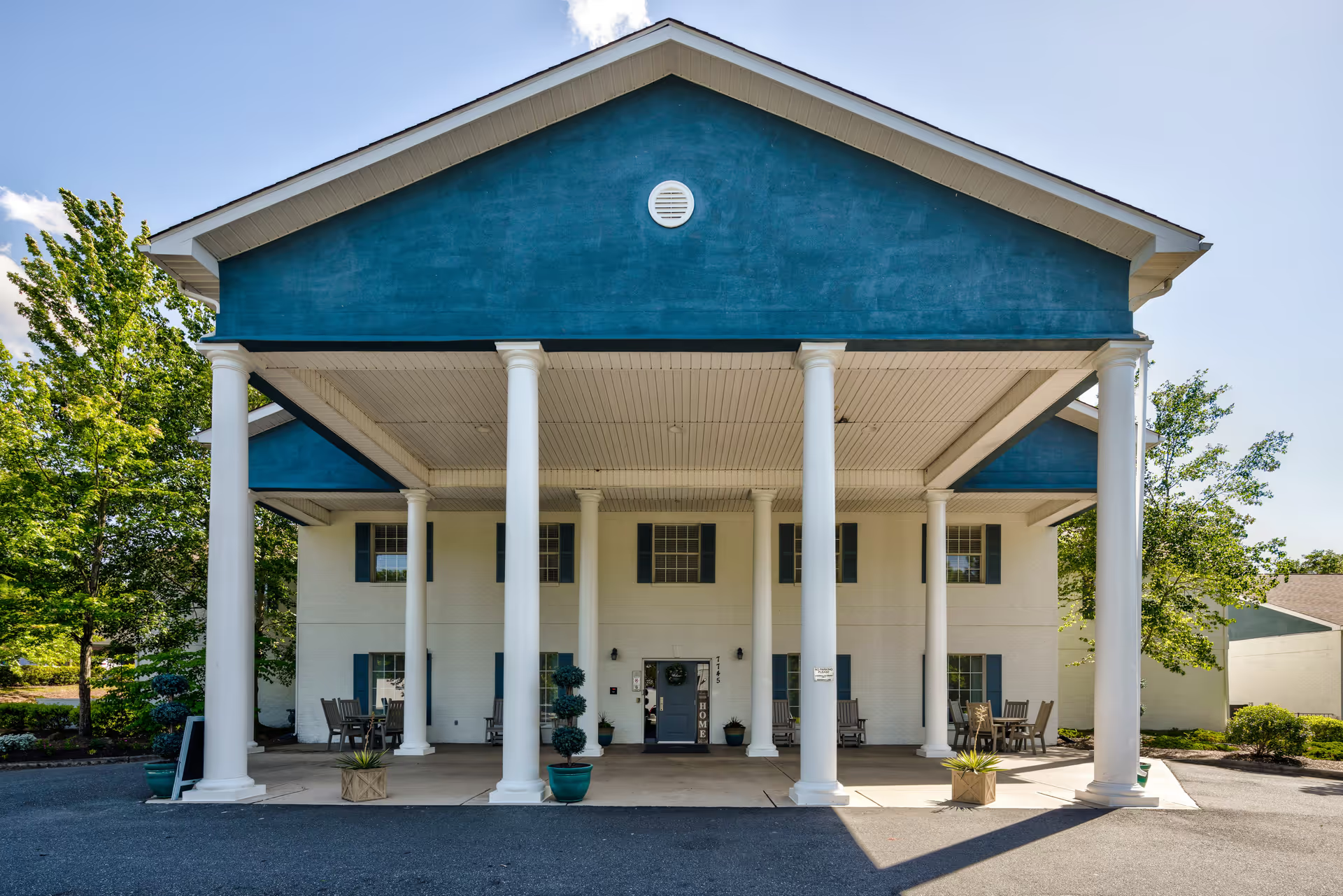
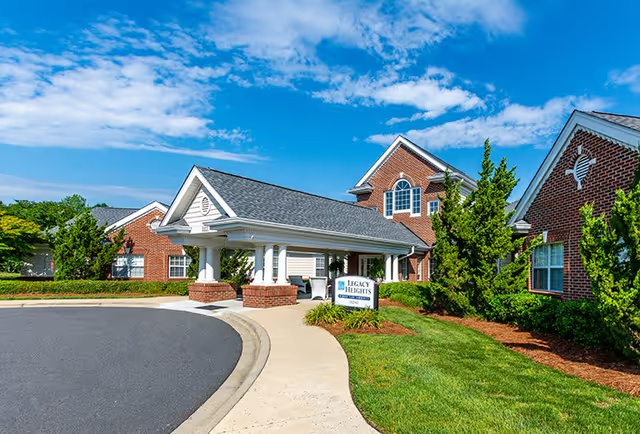
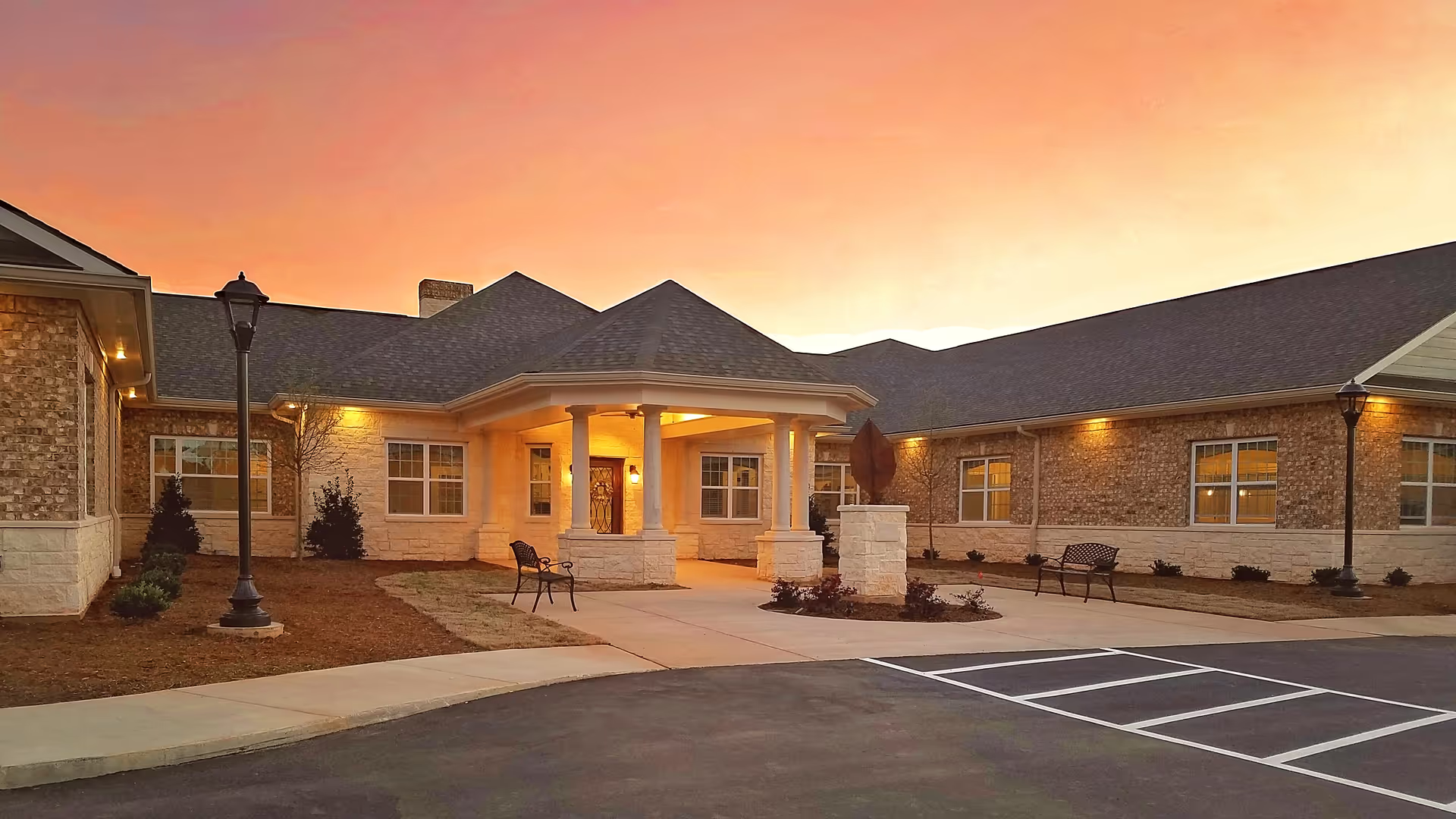
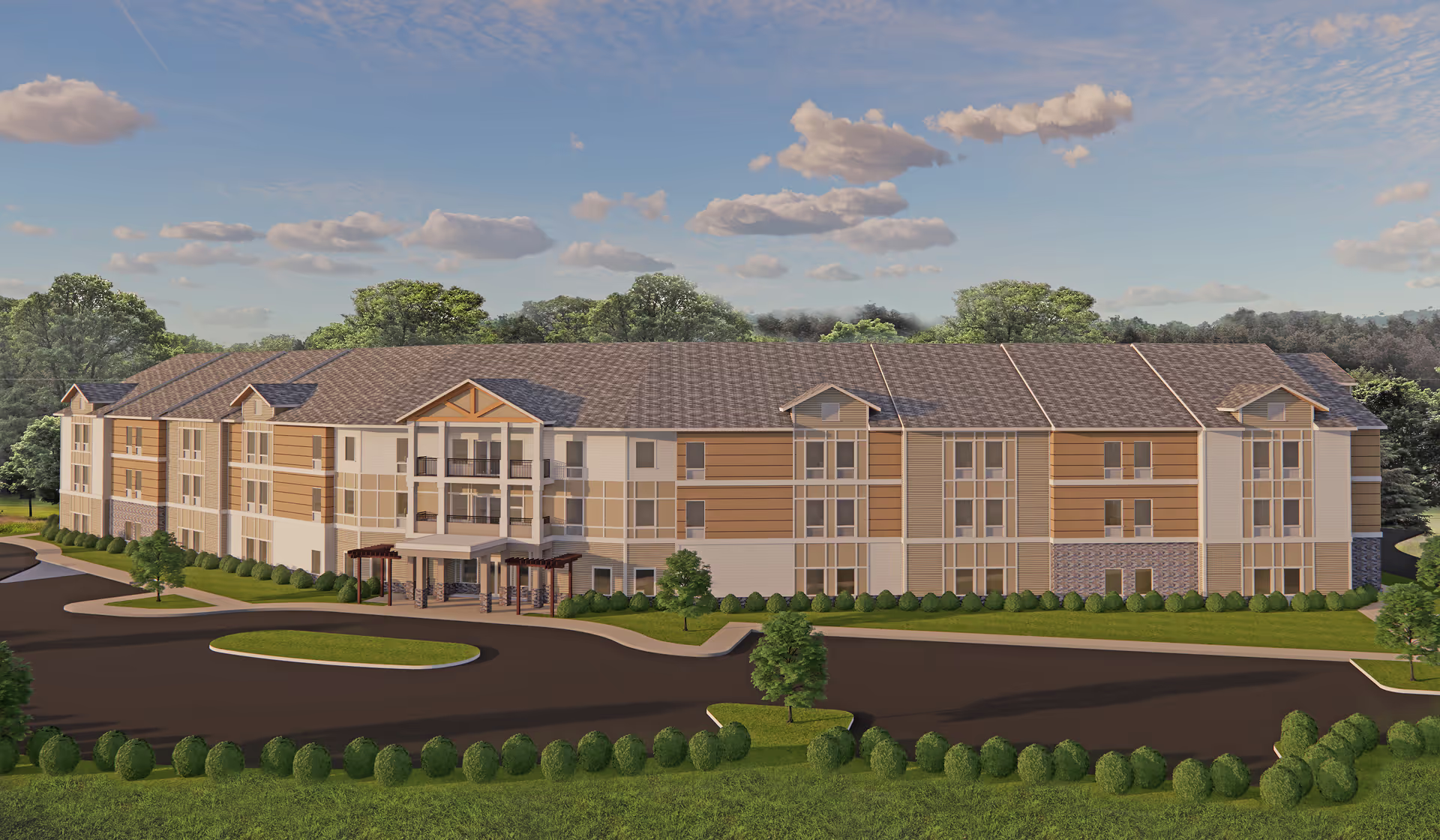
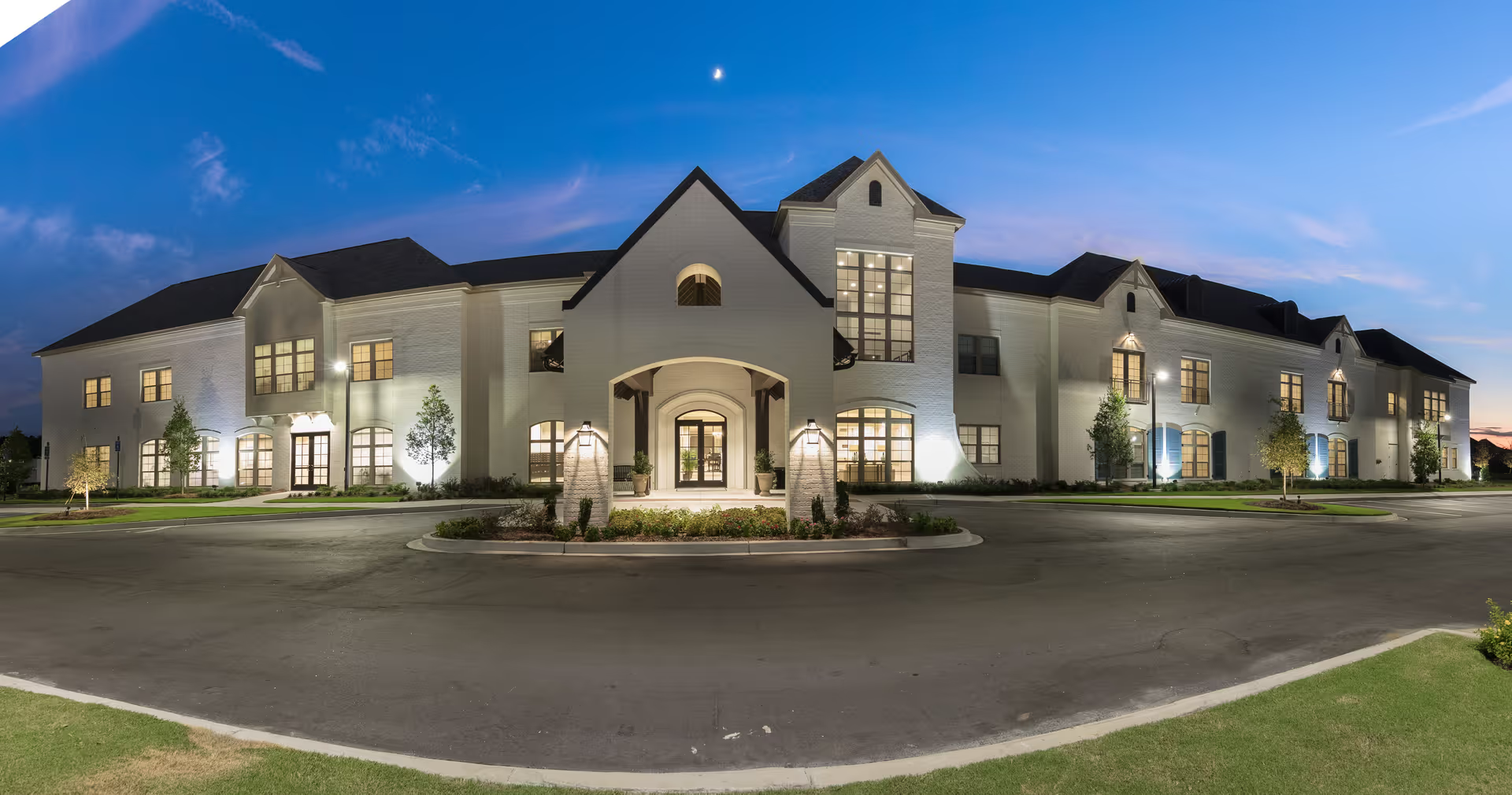
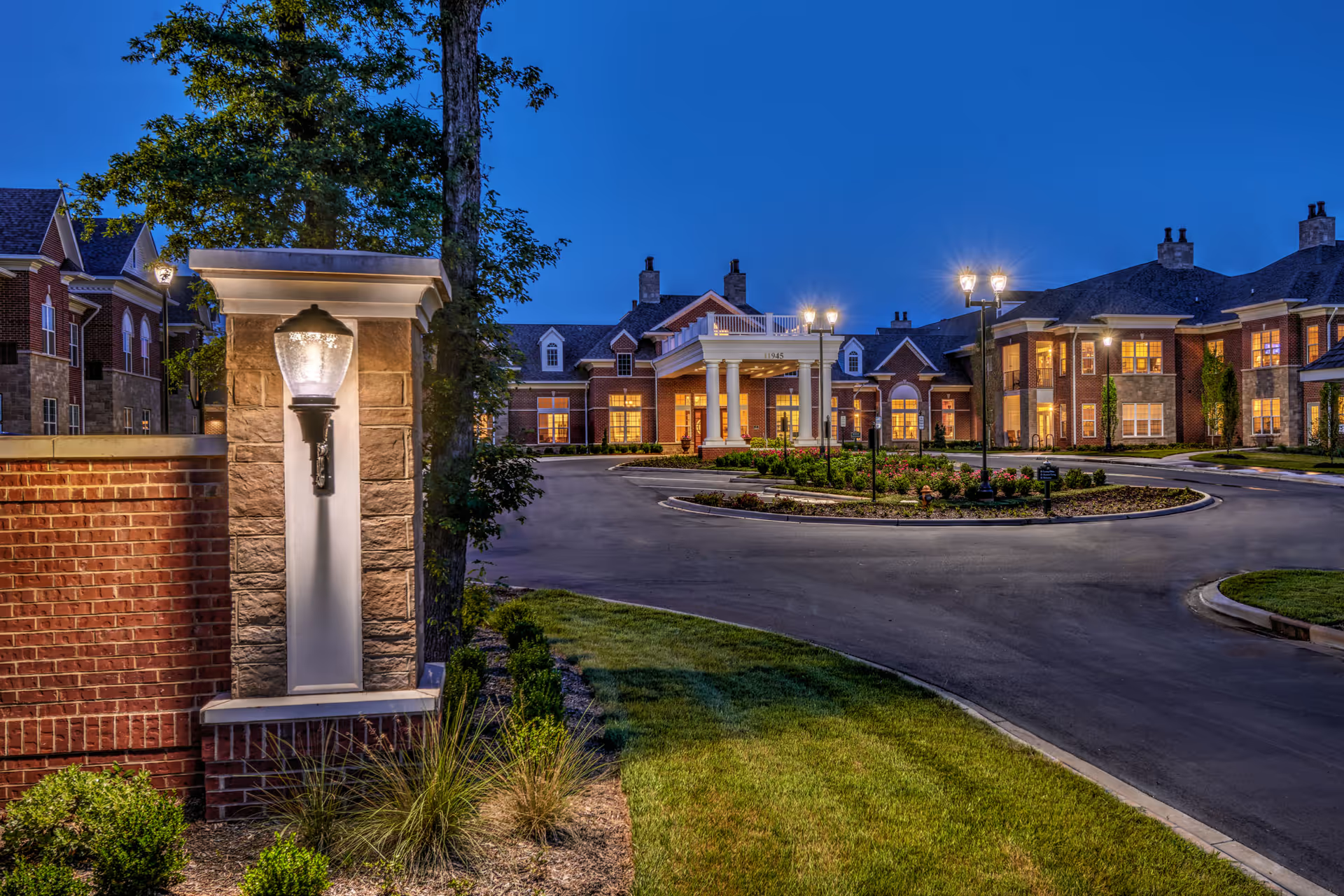
Facilities and apartments: The campus and grounds are frequently described as immaculate and attractive, with larger units and luxury Manor apartments available alongside smaller, budget-sensitive options. Reviewers note variability in unit age and condition across buildings: some apartments are modern and spacious, while others are older and less roomy. The facility’s size can make navigation difficult for residents with mobility limitations; accessible unit availability is present but should be confirmed during a tour.
Management, billing, and reliability: Several reviewers raise concerns about billing accuracy and occasional nontransparent fees (including waitlist fees). There are also isolated operational reliability issues reported, such as pest-control concerns in some units and episodes of prolonged HVAC outages. Together with reports of management cost-cutting and staff changes, these items suggest prospective residents should carefully review contracts, billing practices, pest-control history, and maintenance SLAs.
Notable patterns and recommendations: The dominant themes are strong staff–resident relationships, good dining when available, and active social programming, balanced against managerial turnover, operational inconsistencies, and the independent-living care limitations. Prospective residents and families should schedule a guided tour, ask specifically about clinical services and emergency response, verify meal hours and weekend coverage, confirm current staffing stability and turnover trends, review sample bills and fee policies, inspect the specific unit condition, and inquire about transportation options to medical appointments. Doing so will help align expectations with the facility’s strengths and known operational limitations.