Casa Scalabrini presents as a faith-based senior community with many strengths but also discernible operational variability. Strengths repeatedly cited include compassionate, attentive staff and a strong Catholic identity with daily Mass, chapels, and clergy involvement. The grounds and interior common areas are frequently described as clean and well maintained, and independent-living apartments are noted for roomy layouts, kitchenettes, and practical features such as floor laundry and reserved parking. Admissions and placement processes generally receive positive feedback for being helpful and organized.
Clinical care and staffing produce mixed impressions. Physical and occupational therapy teams receive frequent praise for effective rehab work, and several accounts describe proactive clinicians and good outcomes. At the same time, reviewers note inconsistent responsiveness to call buttons and family communication, intermittent delays in medication dispensing, and gaps in clinical documentation. There are examples suggesting limited on-site physician coverage and constrained speech or rehab session lengths; together these point to variability in clinical capacity that prospective residents with significant medical needs should assess carefully.
Dining and activities are central to community life here. Many residents and families laud the dining room, occasional restaurant-style service, and specific menu highlights; others characterize the food as institutional or inconsistent. The community offers a broad activity calendar—exercise classes, games, lectures, outings, holiday entertainment, and social clubs—and accessible outdoor spaces that support walking and socializing. However, some reviewers mention a cliquish social dynamic that can limit integration for newcomers, and a few suggest indoor recreational space is limited by the building’s layout.
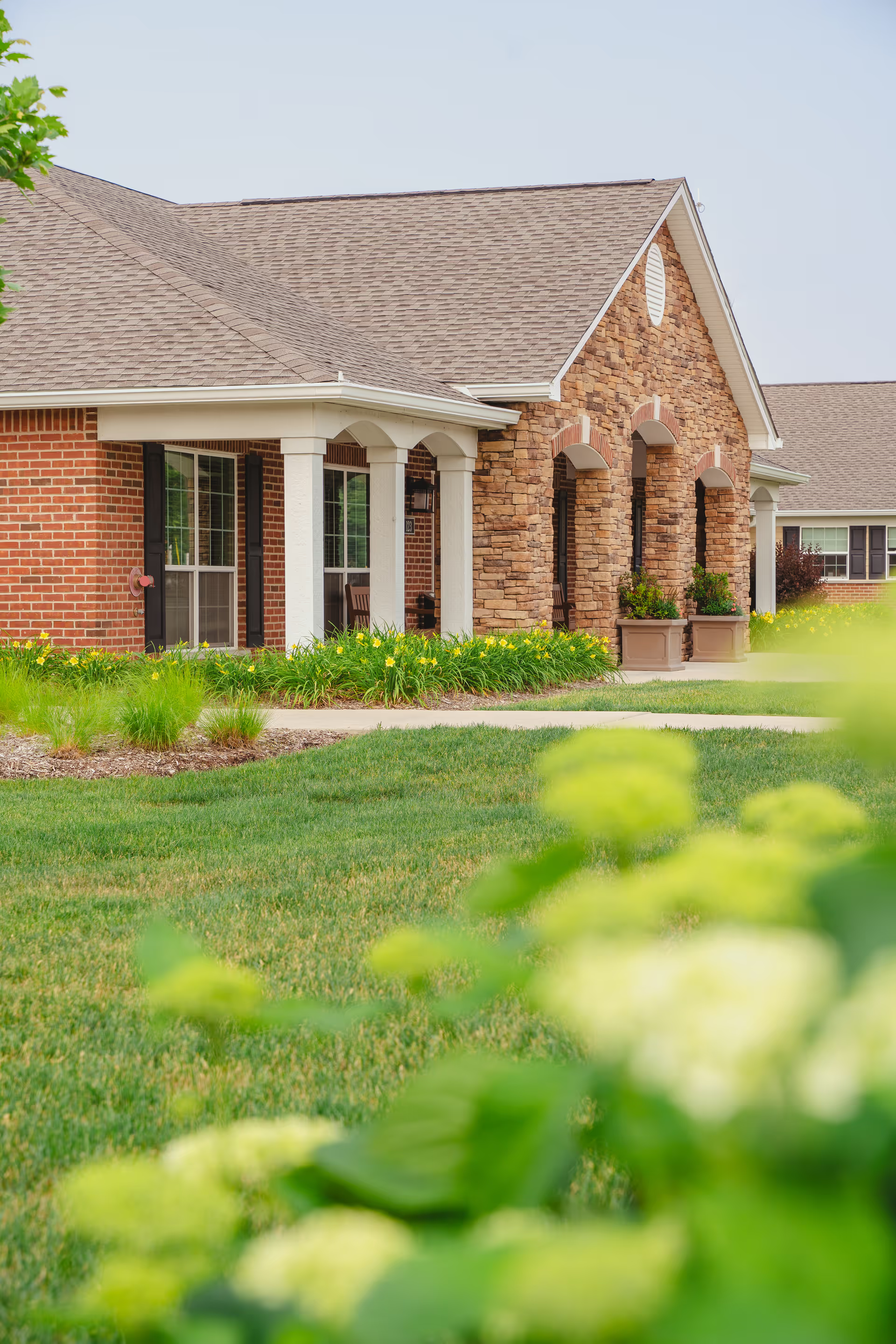
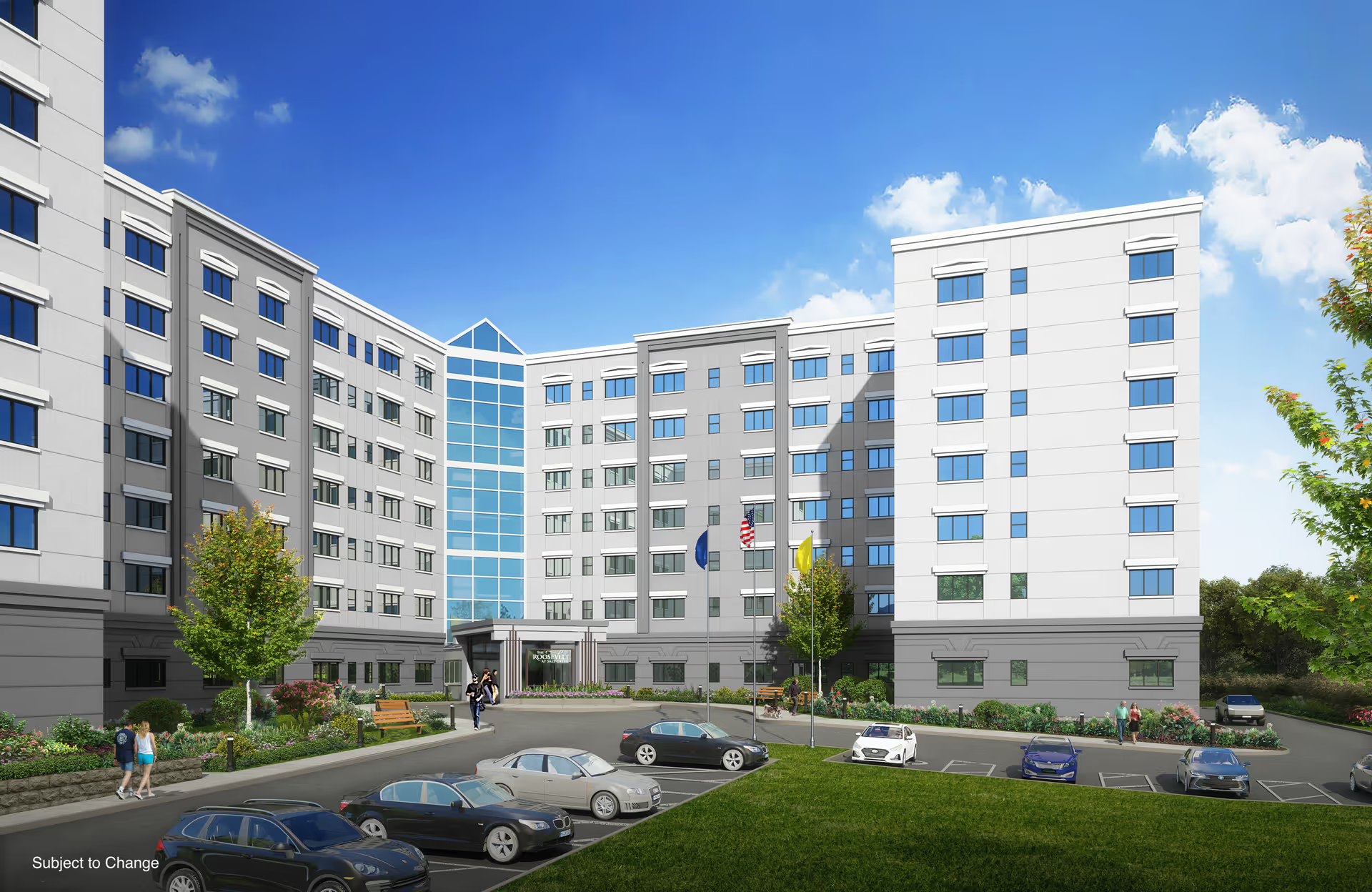
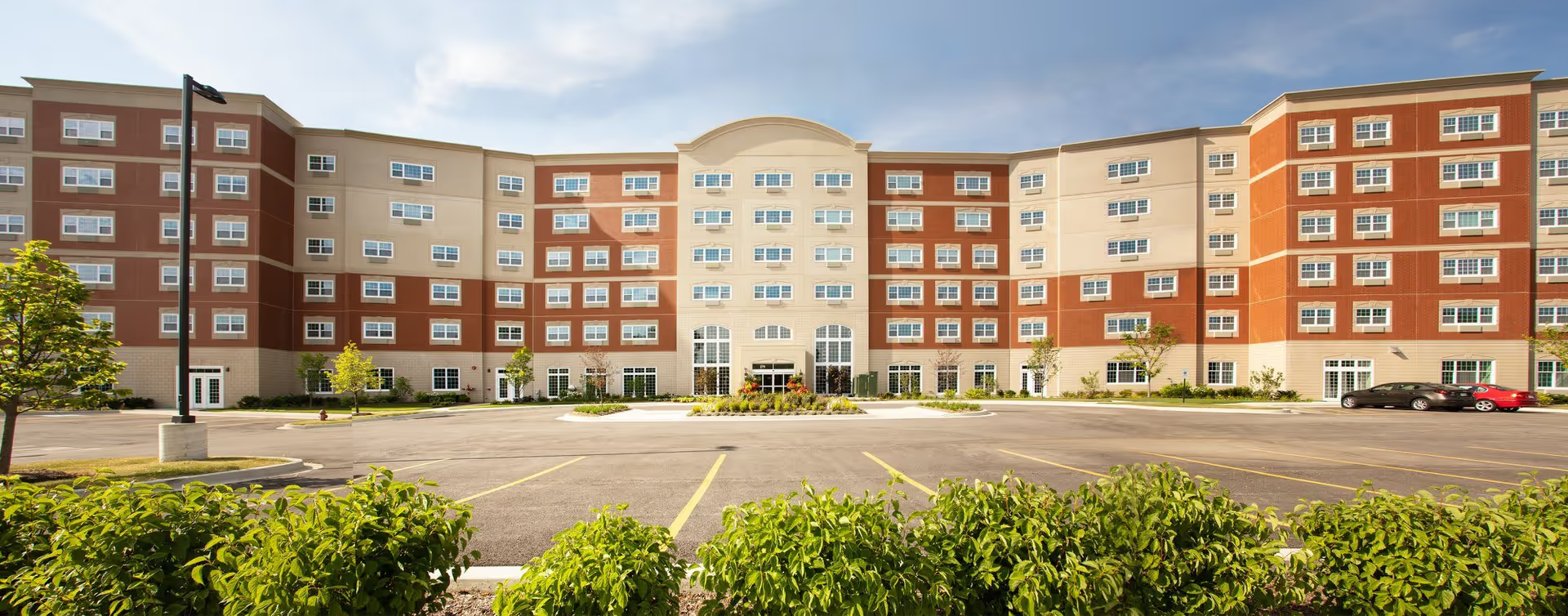
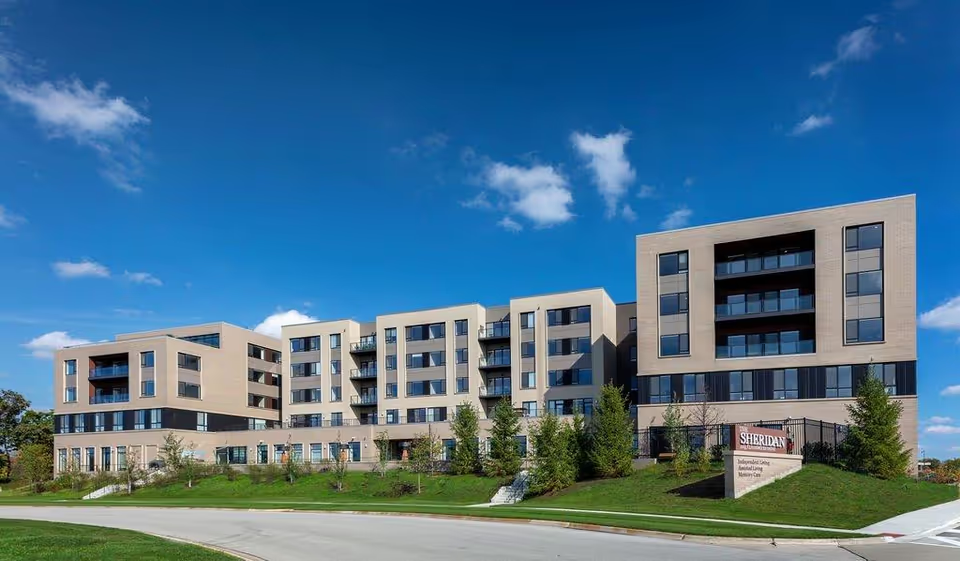
Facilities are a blend of renovated independent units and an older physical plant. Positive notes include attractive landscaping, greenhouse and arboretum features, chapels, and well-kept common rooms. Conversely, reviewers report occasional odor and pest-control issues in common areas, aging infrastructure (limited elevators, older decor in places), and uneven housekeeping responsiveness. The location provides a campus-like setting but is somewhat remote from restaurants and cultural venues, which may affect visitors and residents who expect frequent off-campus options.
Management and operations show both competency and areas for improvement. Admissions staff and certain leaders are described as professional and communicative, and the campus implemented effective COVID-19 measures. Yet there are multiple mentions of administrative coordination problems—scheduling errors, mishandled reservations, and intermittent lapses in communication—that can affect family confidence. Financially, the community appears competitively priced within the market, but private-pay residents should evaluate the time horizon of their funds and the facility’s suitability if long-term skilled medical care becomes necessary.
Overall, Casa Scalabrini is well suited to independent and assisted residents who value a faith-oriented, community-focused environment with strong therapy resources and on-site amenities. Prospective residents and families should confirm clinical staffing levels, medication- and documentation practices, and social fit during a visit, and weigh the community’s physical plant characteristics and remote location against their expectations for long-term medical needs and lifestyle preferences.