Overall impression: Reviews describe a facility with notable strengths in rehabilitation and a number of compassionate front-line staff, balanced by operational inconsistencies in clinical oversight and resident monitoring. Therapy services are consistently praised for being goal-oriented and effective at improving mobility and enabling return home. Many families highlight individualized attention, teamwork among caregivers, and a welcoming, well-maintained physical environment.
Care quality and clinical issues: Therapy and some aides receive high marks for clinical skill and personalized interventions. At the same time, several recurring concerns point to gaps in nursing-level oversight — particularly around response times to call lights, bedside safety practices (bed height, bedside placement of call devices), and fall-prevention processes. These are described as operational patterns rather than isolated compliments, and they can materially affect perceived safety for higher-risk residents. Prospective families should ask about current staffing ratios, fall-prevention protocols, and how clinical incidents are reviewed.
Staff and management: Many reviewers describe staff as compassionate, family-focused, and cooperative, with management that listens and will address discrete problems (for example, resolving billing disputes). Strong teamwork and individual staff members were repeatedly singled out as strengths. At the same time, reviewer comments indicate notable staff rotation and variability in staff competency between shifts or units; this contributes to uneven experiences and can undermine continuity of care. Management responsiveness appears present for administrative concerns, but some families reported communication lapses around clinical issues.
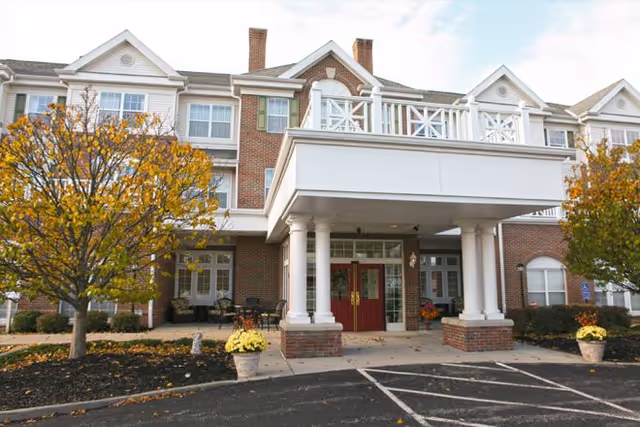
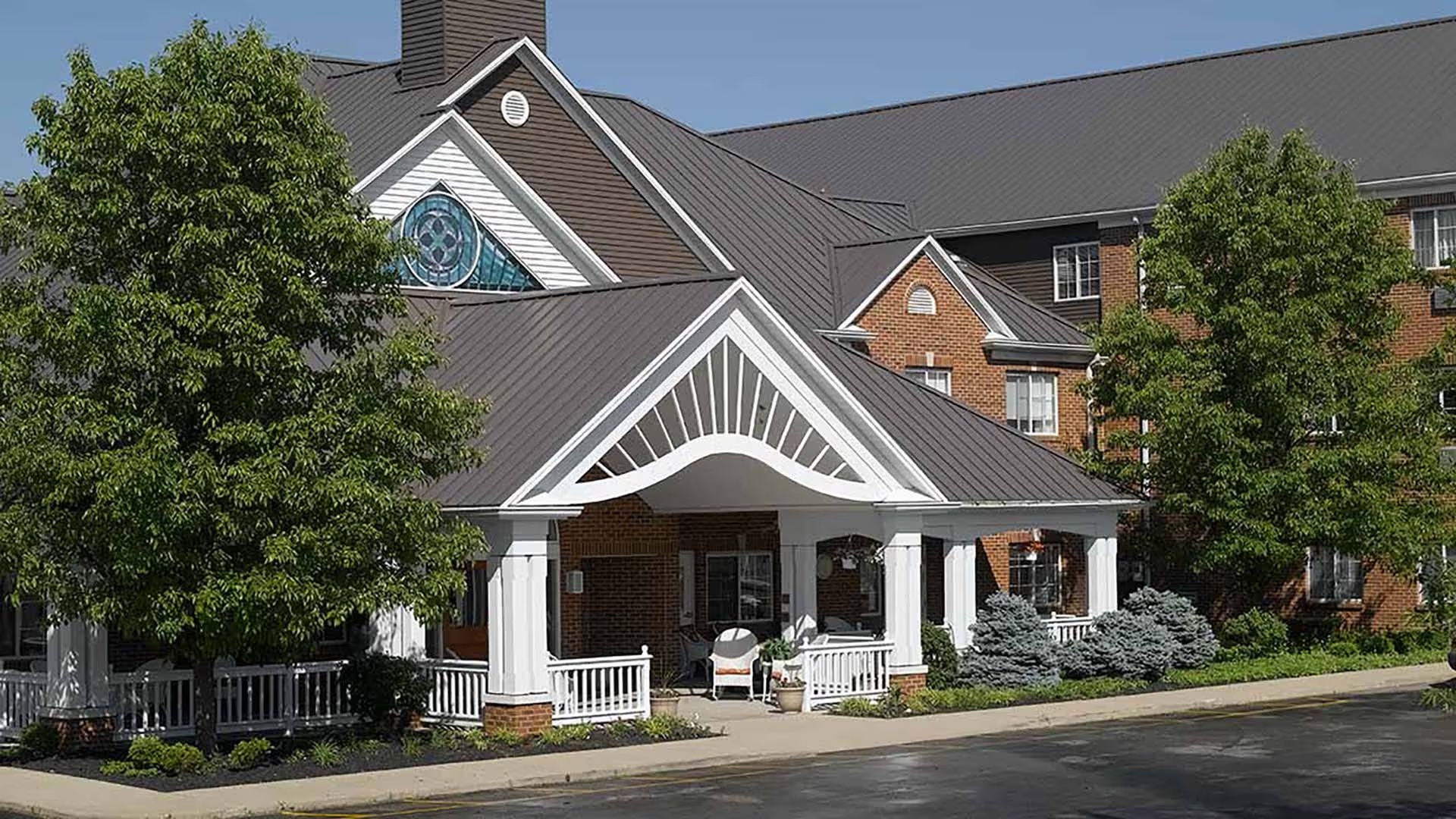
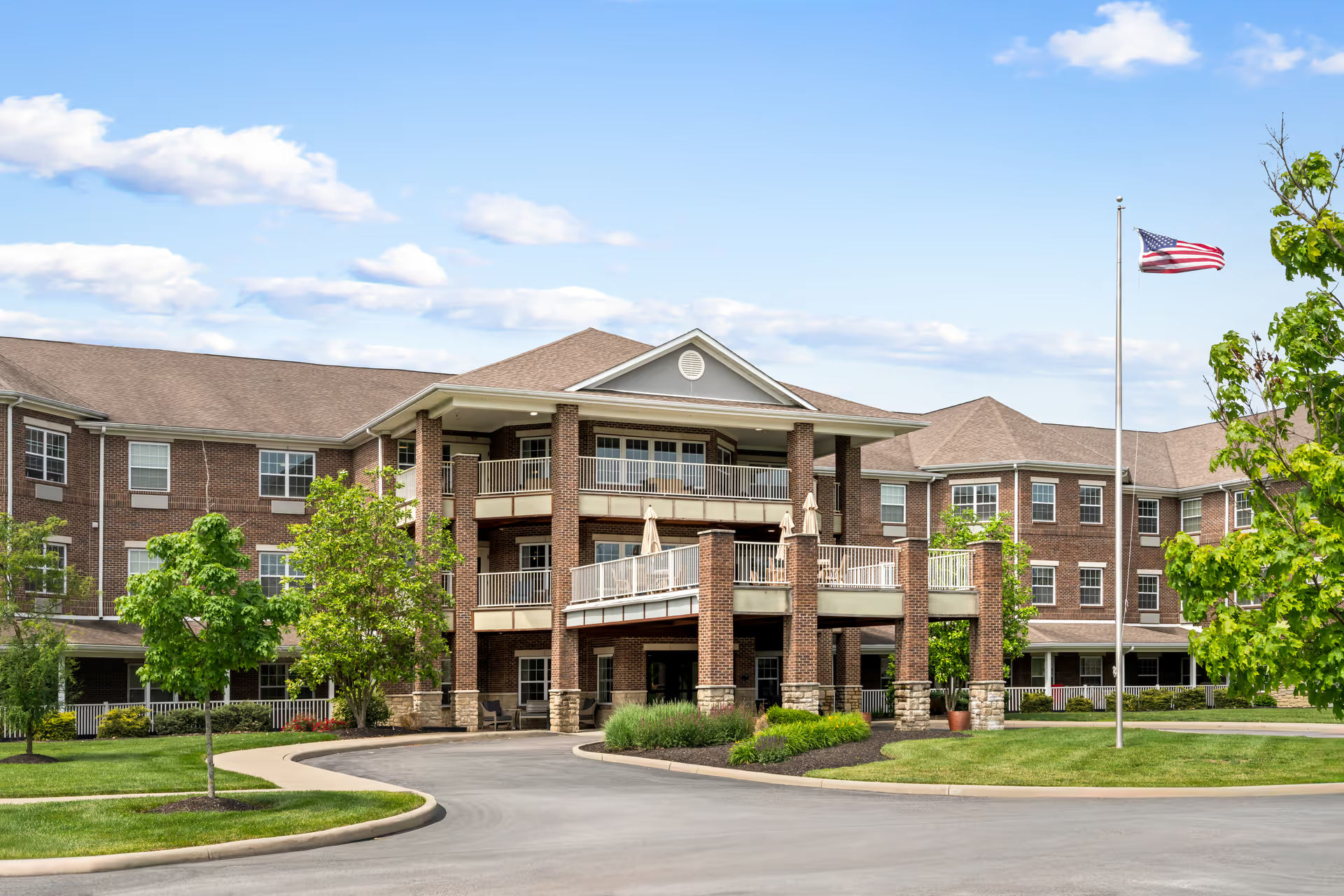
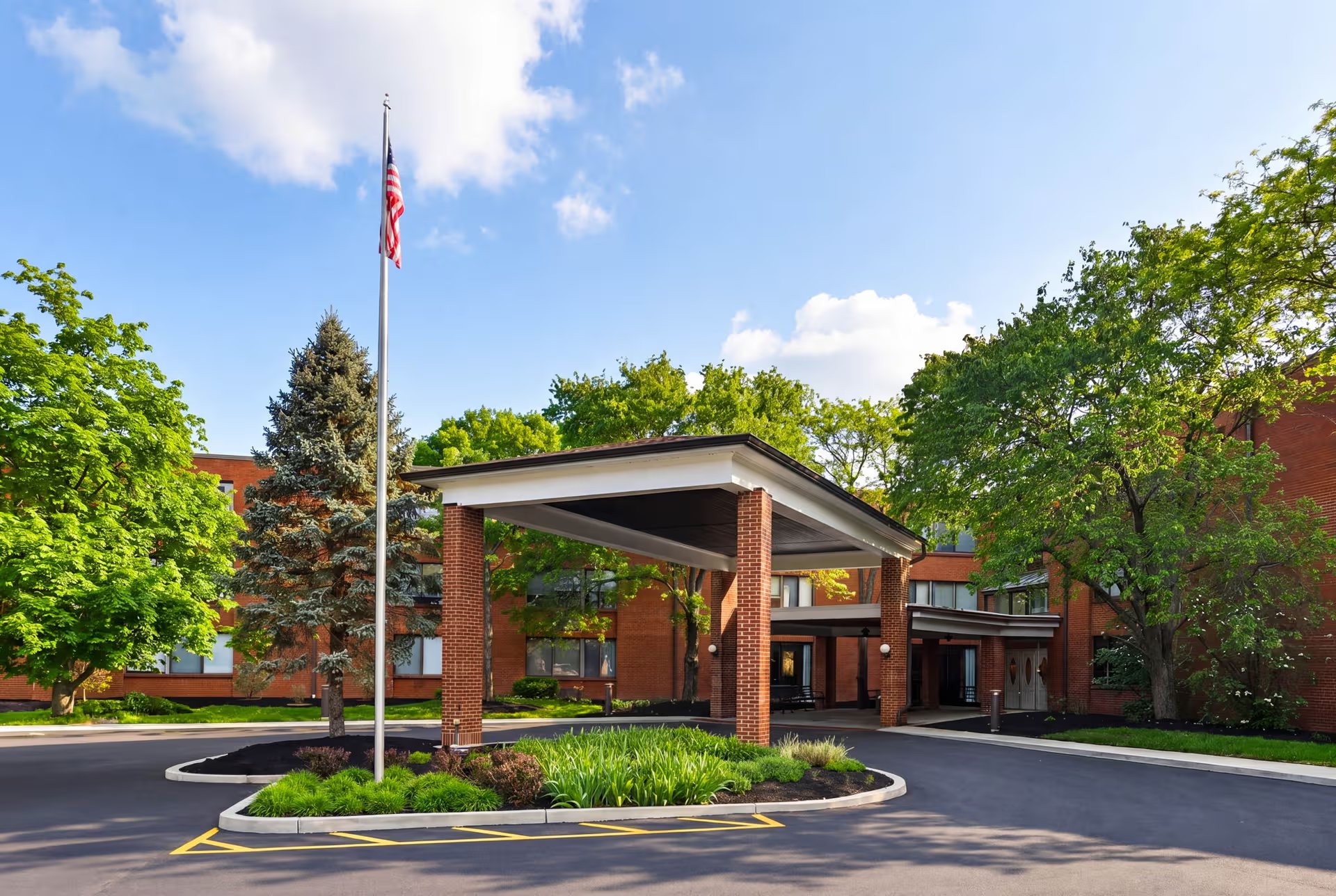
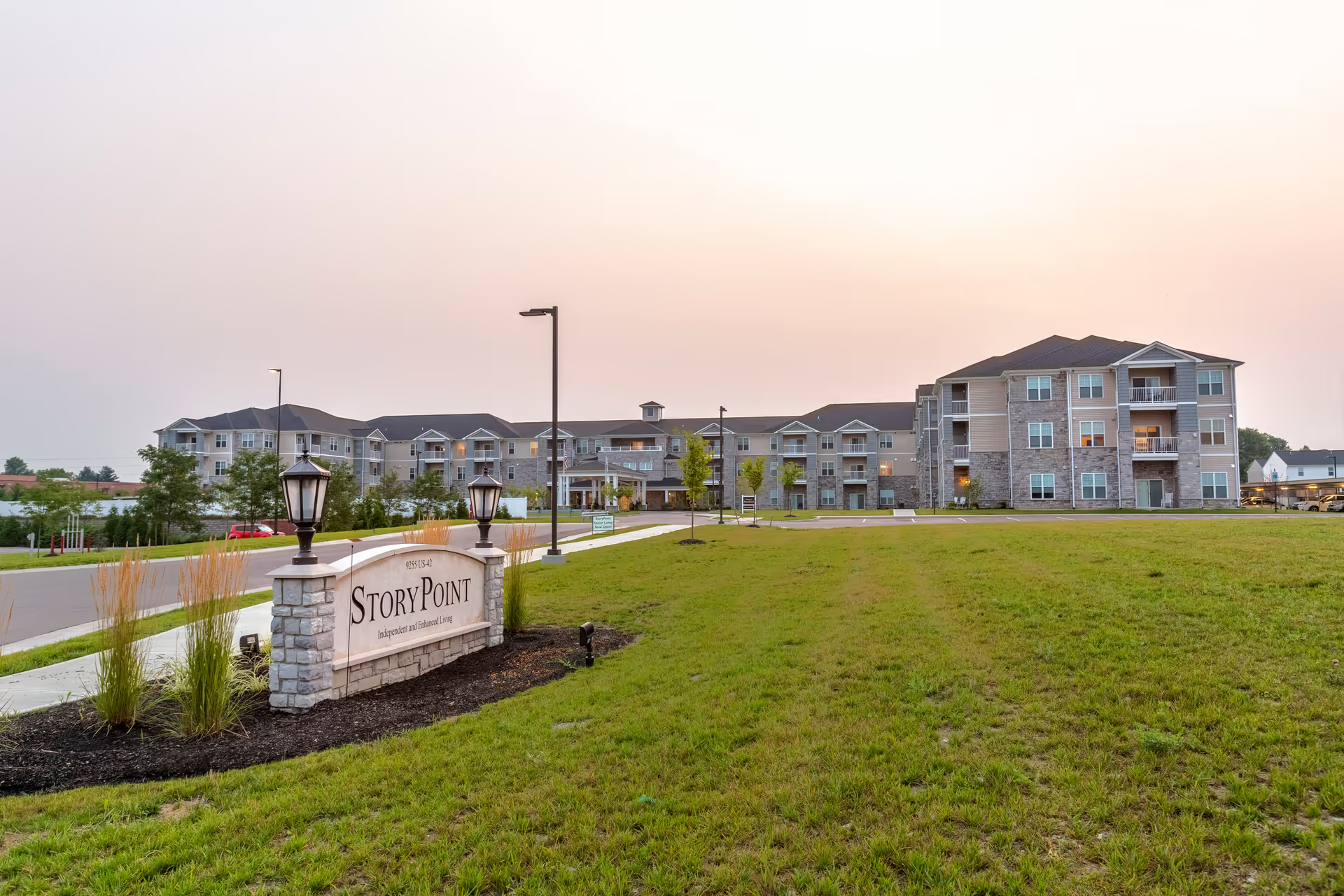
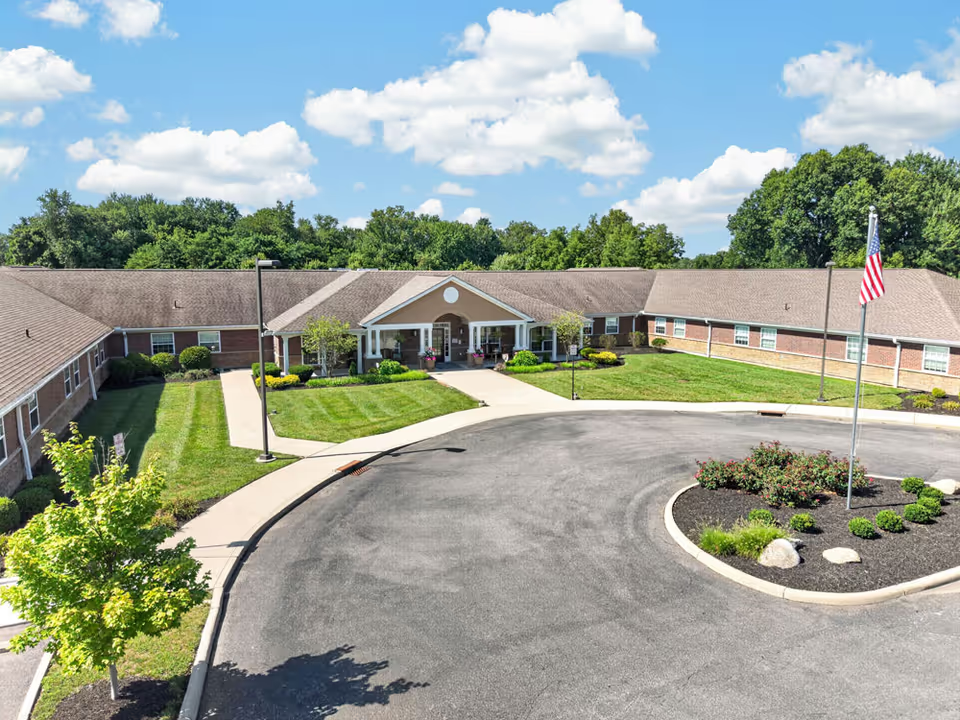
Facilities, dining, and activities: The building and common areas are described as clean and recently updated, and reviewers report a pleasant, resident-friendly atmosphere. There are positive comments about residents appearing happy and about the facility being large with modern furnishings. Specific feedback on dining and formal activity programming is limited in these summaries; however, the general tenor suggests an engaged social environment. Prospective visitors should tour dining and activity spaces and ask for an activity calendar and sample menus if those areas are priorities.
Notable patterns and recommendations: The clearest pattern is a strong rehabilitation program and many compassionate caregivers contrasted with variability in nursing consistency and safety practices. Some families raised serious concerns following clinical incidents, including a resident’s transition to hospice and questions about monitoring and post-incident communication; these notes merit direct inquiry during a visit. Recommended questions for families: current nurse-to-resident ratios, fall-prevention protocols, handoff and staff-rotation practices, how the facility communicates clinical incidents to families, and examples of recent quality-improvement actions. Overall, Villaspring of Erlanger may be a good fit for residents who prioritize strong therapy services and a supportive team environment, provided families evaluate the facility’s current approaches to safety and nursing consistency during an in-person assessment.