Overall impression: Reviews present a mixed picture. Many families praised the facility’s rehabilitation program, specific therapy staff (PT and SLP), and the food and dietitian services; several accounts describe measurable functional improvement during rehab stays and positive interactions with aides and certain clinicians. At the same time, there is a clear pattern of operational and oversight concerns that temper those positives.
Care quality and safety: Clinical performance appears inconsistent. Positive accounts describe attentive aides and effective therapy, while numerous other reports identify long delays in staff response, inconsistencies in basic care tasks (including bathing and continence-related assistance), and instances where resident supervision and transfer-safety practices were inadequate. These patterns correlate with repeated mentions of falls or post-incident delays in care. Medication-administration and documentation gaps were also described, creating concerns about clinical reliability.
Staff and communication: Staff quality is variable by role. Aides and some therapists receive frequent praise for compassion and competence; nurses, front-desk personnel, and supervisory staff are described as uneven in responsiveness and professionalism. Families noted long call-button response times, distracted staff behavior (for example, personal-device use), and limited management visibility. Case-management and discharge coordination were highlighted as weak areas—delayed plan-of-care meetings, social-work unavailability, and missed discharge meetings contributed to family frustration. Language-access limitations and inconsistent front-desk professionalism also affect family interactions.
Dining and activities: The facility’s dining and nutrition services are a consistent strength—food quality and dietitian oversight are mentioned positively. Activity offerings and amenities exist, but several reviewers noted they were underutilized or limited because of infection-control restrictions (COVID-era limitations) or staffing constraints.
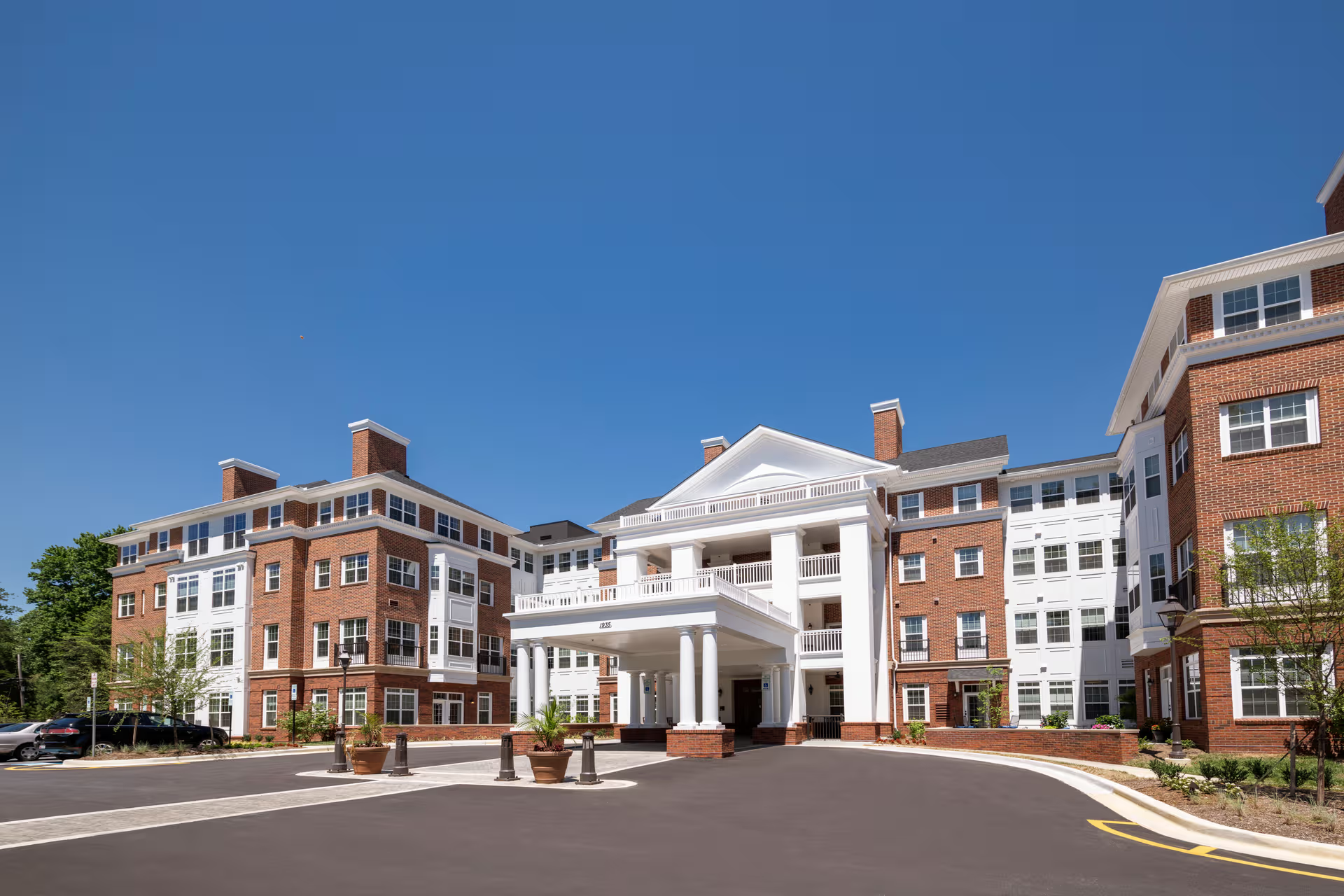
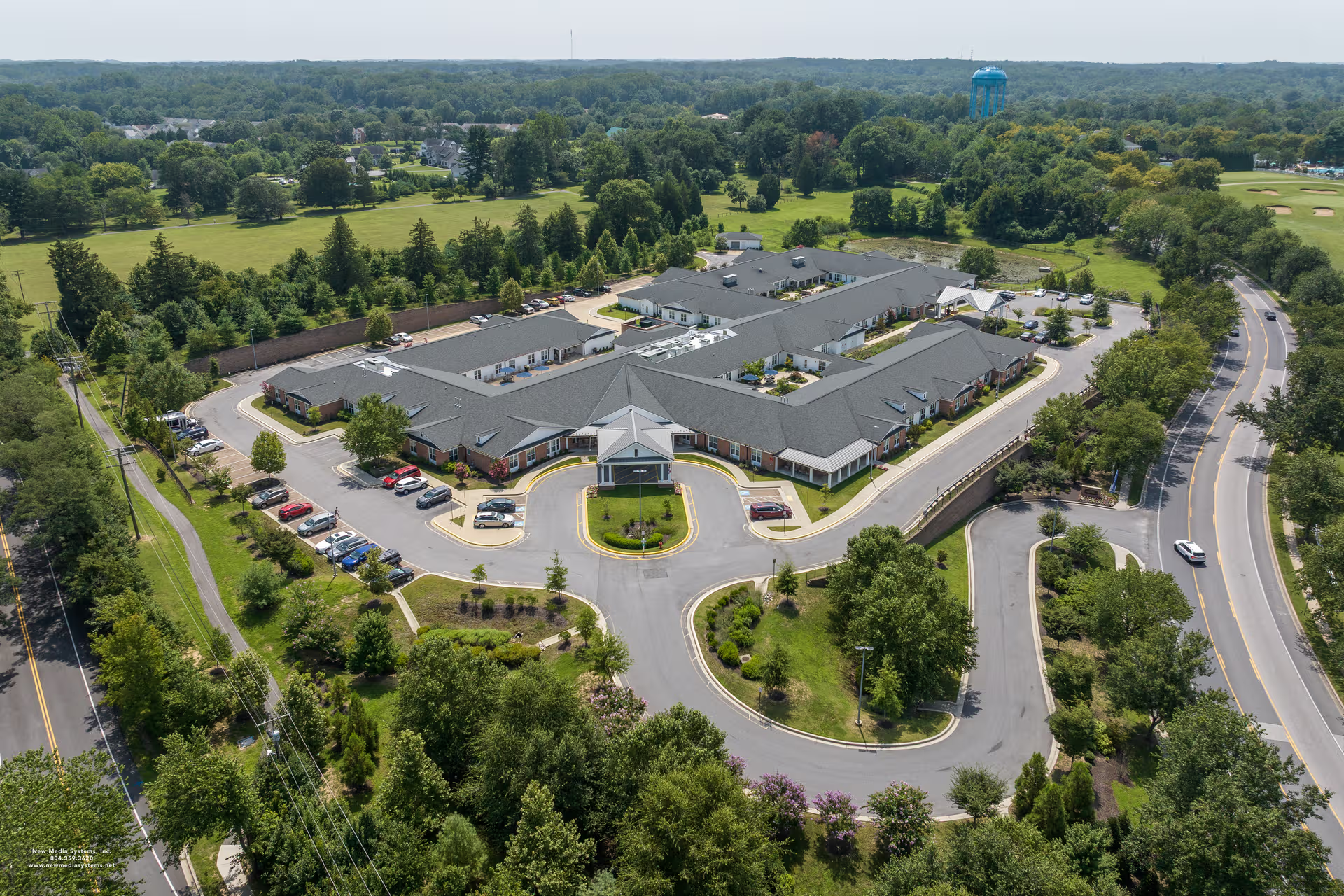
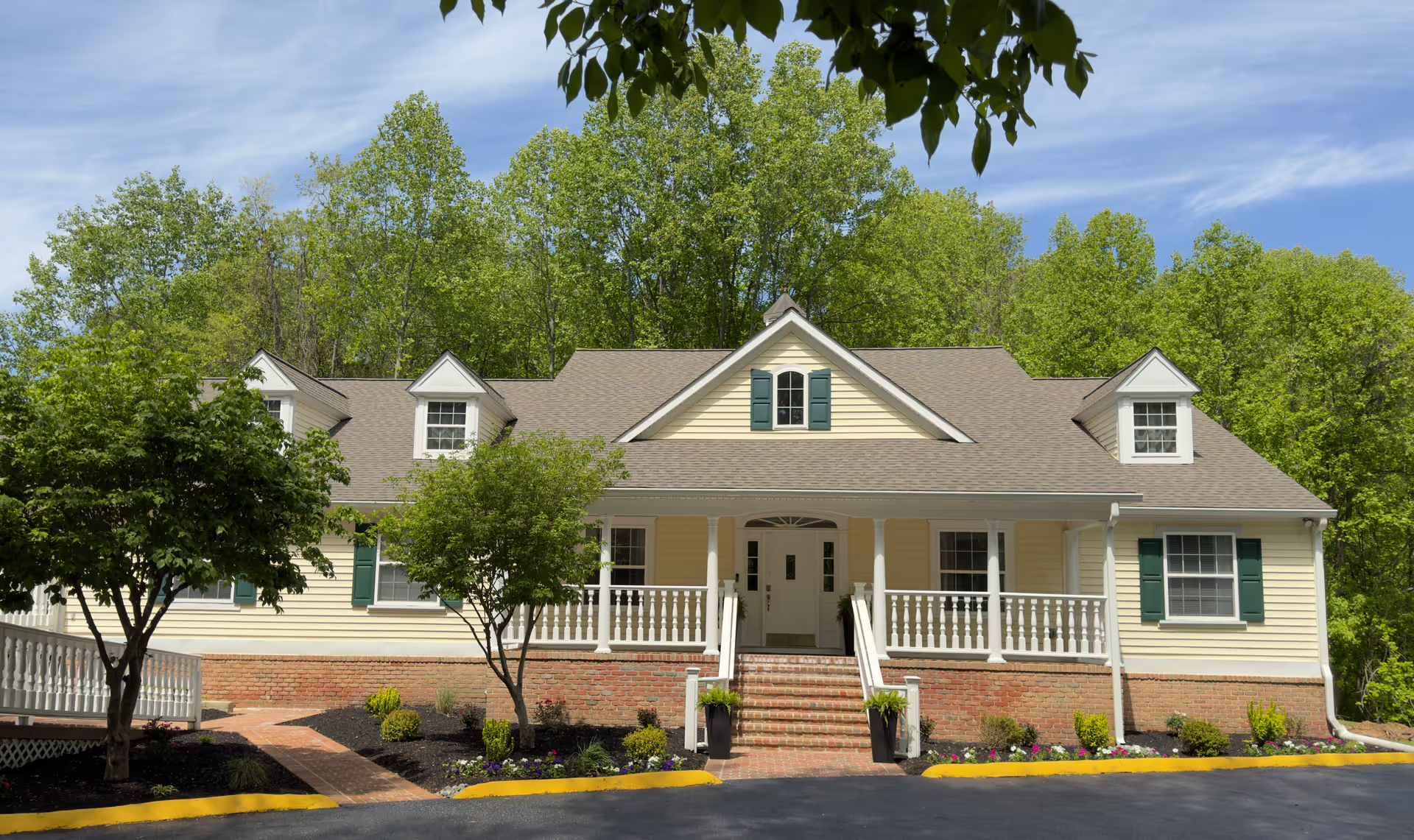
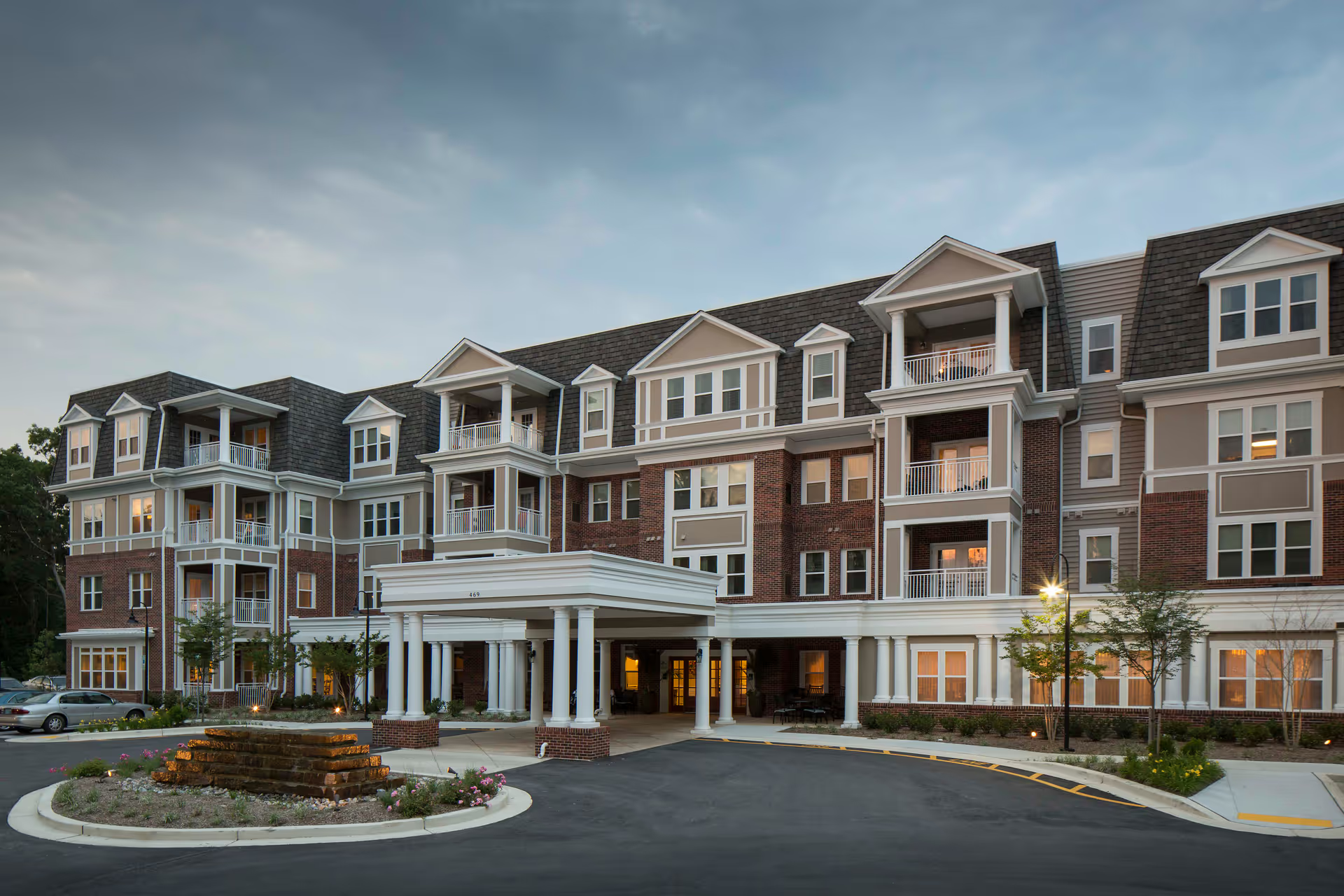
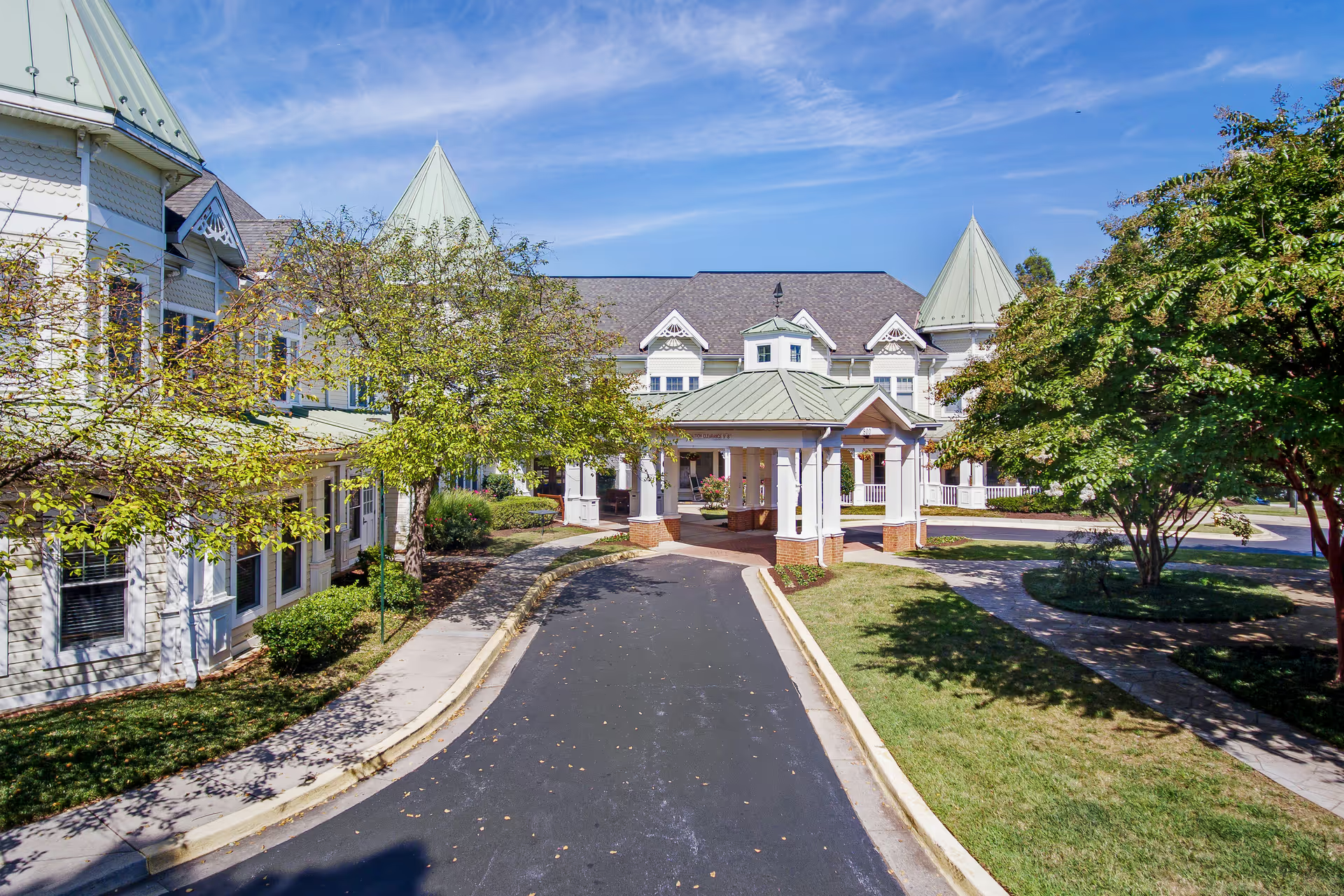
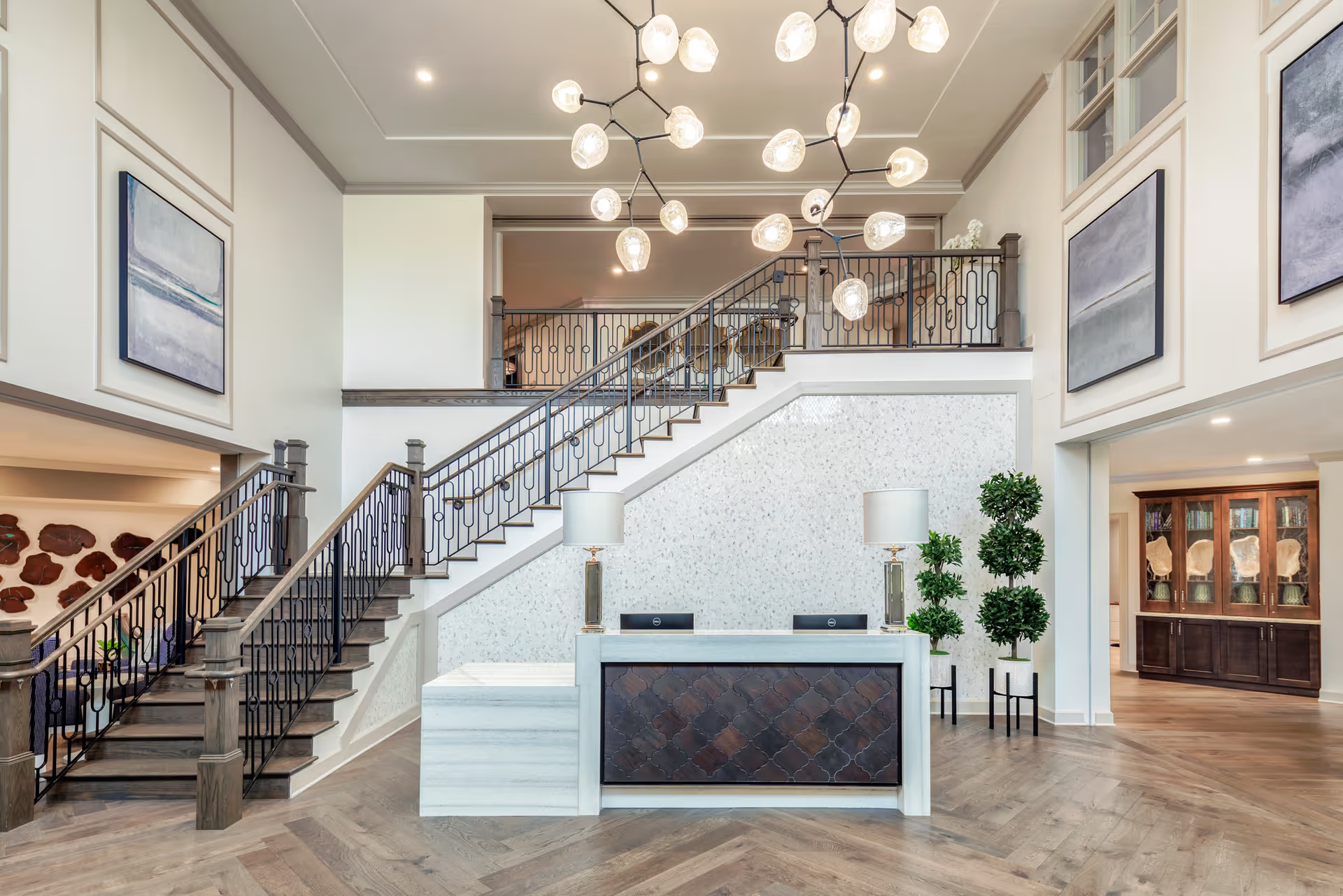
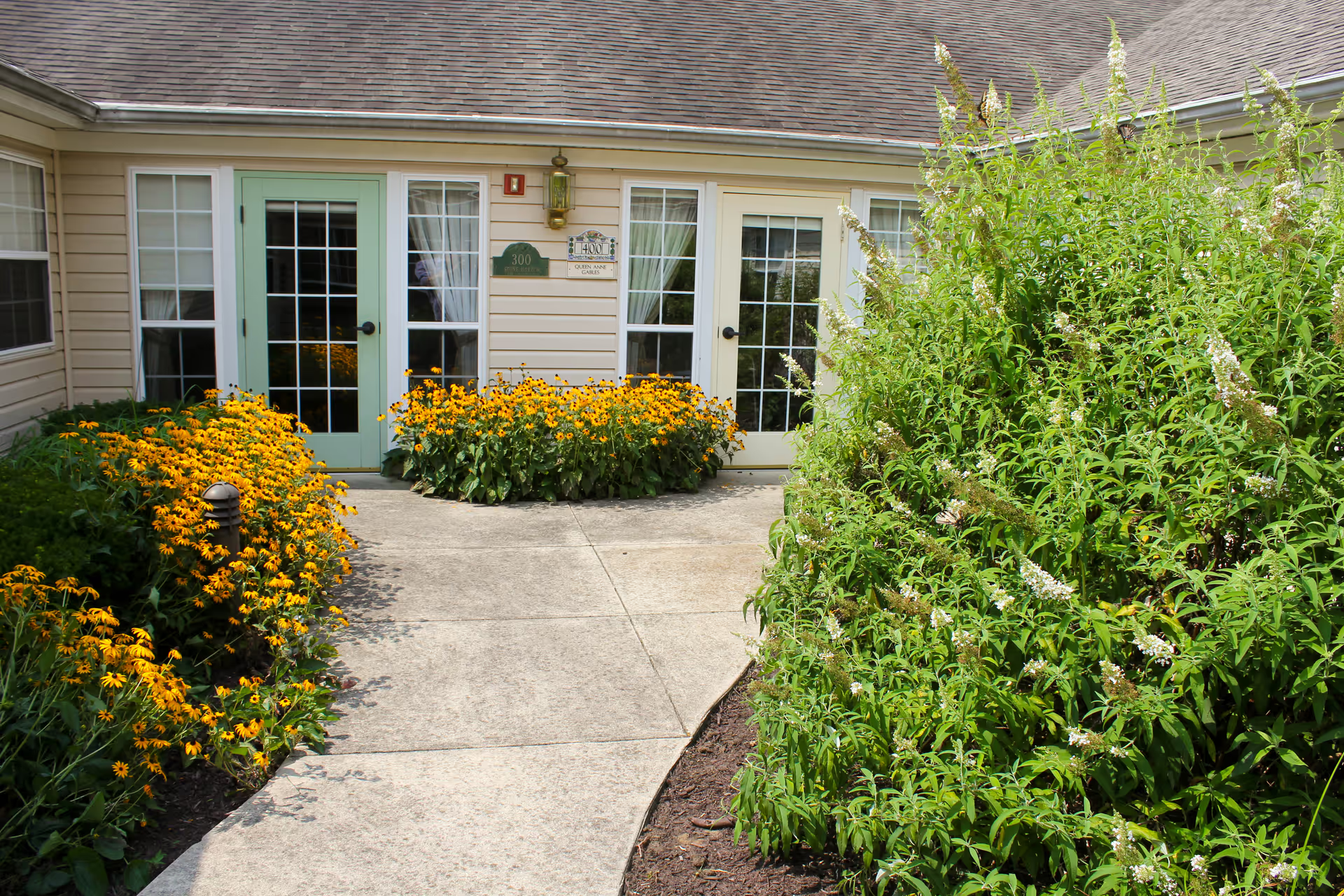
Facilities and maintenance: The building and equipment show mixed conditions. Positive comments describe clean, orderly units and private rooms with good windows/views. Contrasting reports cite peeling wallpaper, outdated beds and furnishings, broken equipment (including call systems and ice machines), and uneven housekeeping resulting in localized sanitation and odor concerns. Exterior maintenance and parking-lot safety were also mentioned in some accounts.
Management, billing, and integrity: Multiple reviews point to limited management presence, inconsistent oversight, and resource constraints that appear to affect staffing and maintenance. There are recurring themes of billing disputes, unclear charges, and referral/transport conflicts; there are also allegations of missing personal property and attempted out-of-pocket charges, which raise concerns about financial transparency and personal-property safeguards.
Notable patterns and takeaways: The facility demonstrates capacity for strong rehab outcomes and has clinicians and aides who provide high-quality care. However, systemic issues—primarily understaffing, unreliable call-response systems, inconsistent nursing performance, equipment and facility maintenance gaps, and limited management accountability—produce variability in resident experience and safety. Prospective residents and families should weigh the facility’s demonstrated therapeutic strengths against these operational risks, verify current staffing and leadership practices, confirm billing and transport arrangements in writing, and ask about recent corrective actions or quality-improvement efforts if considering admission.