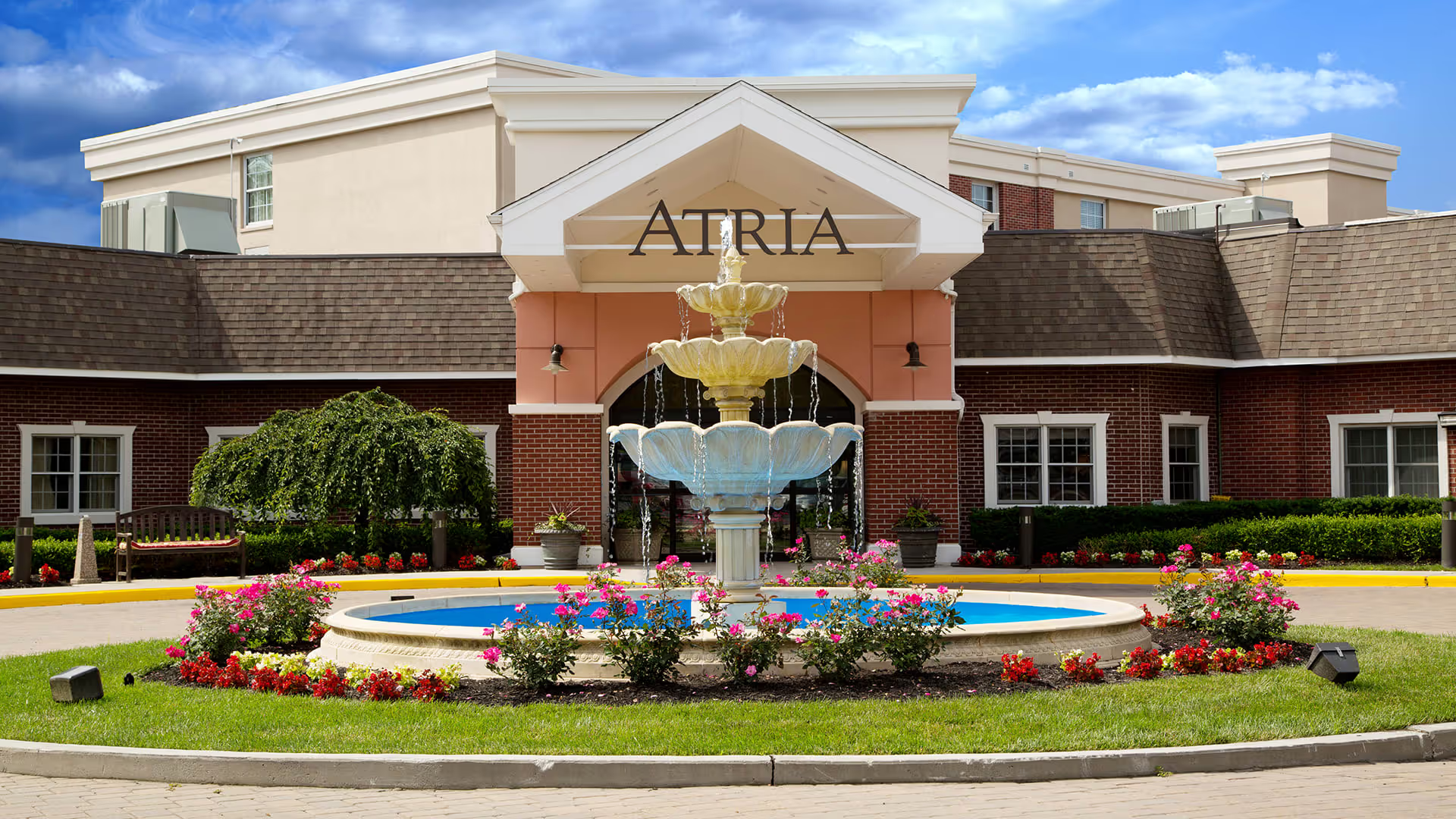
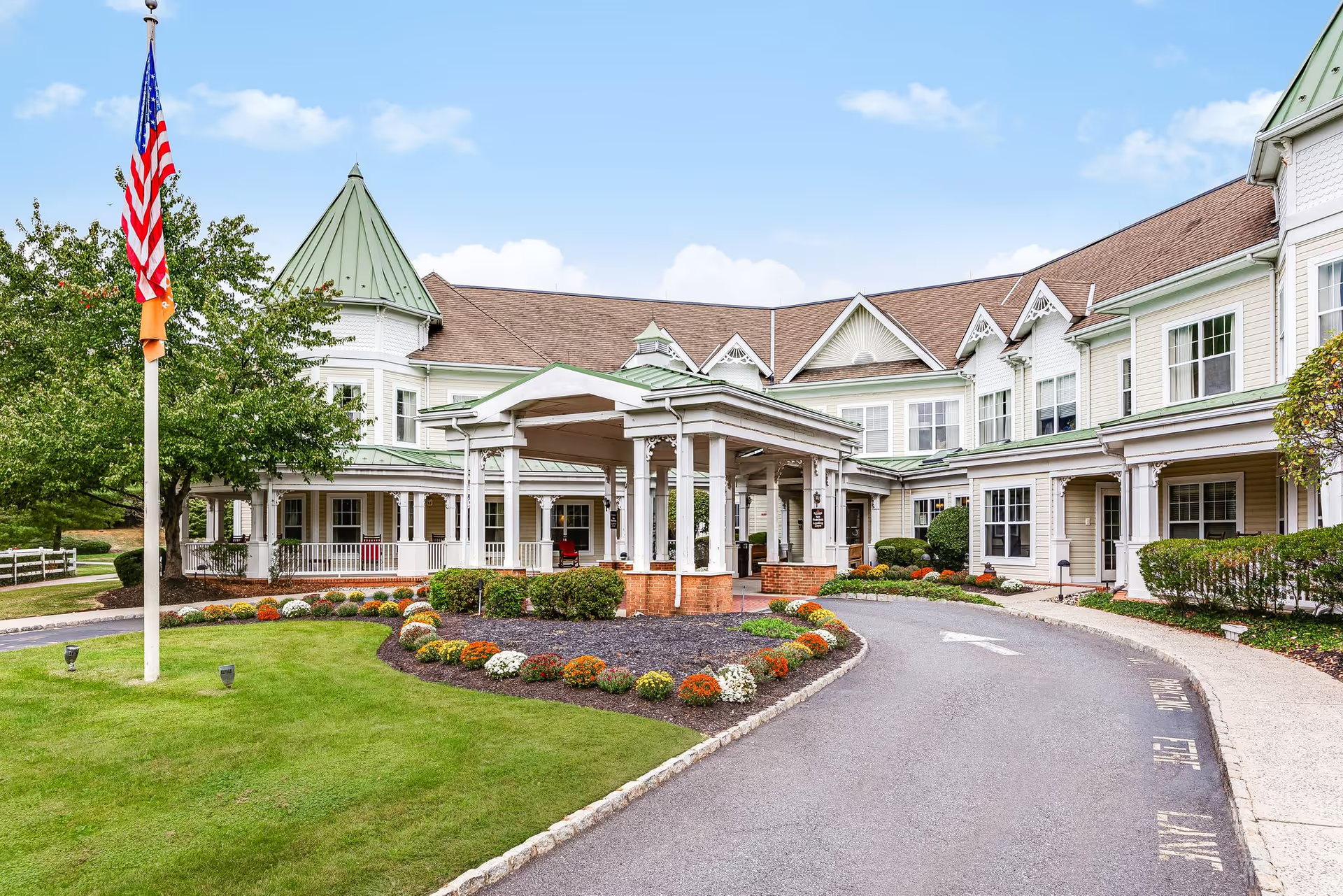
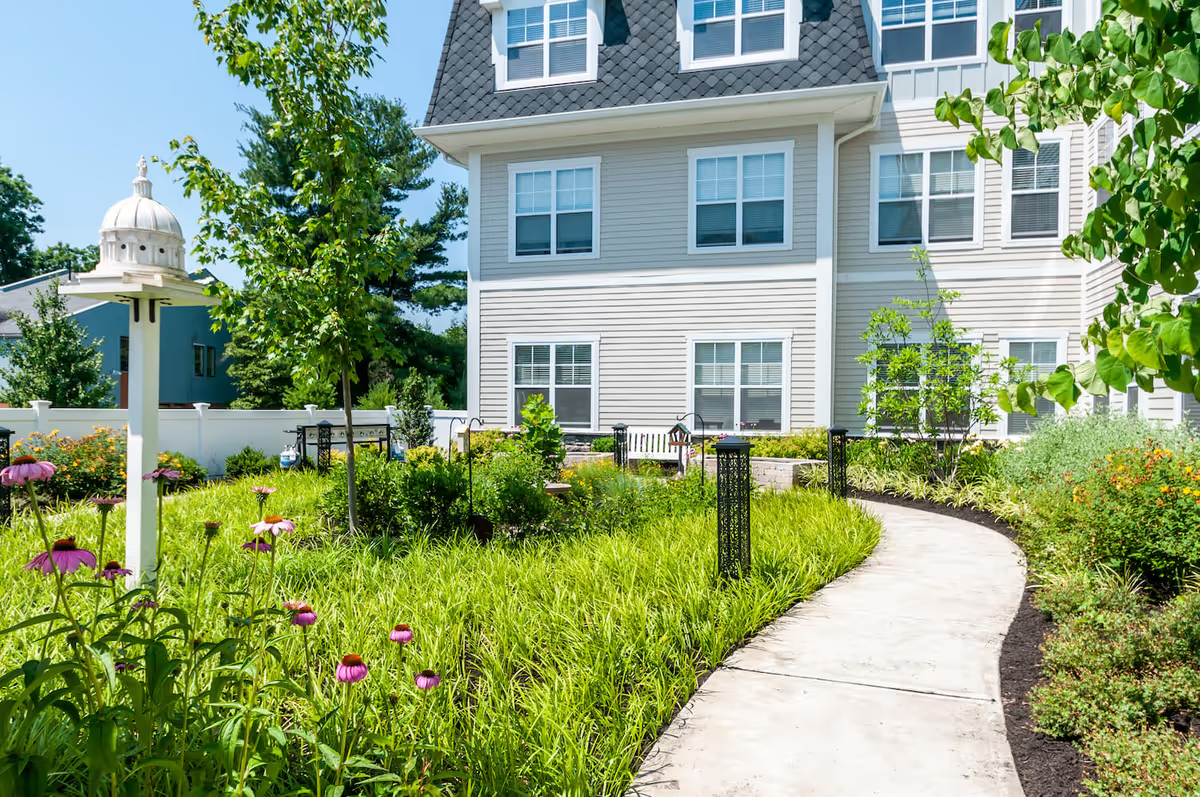
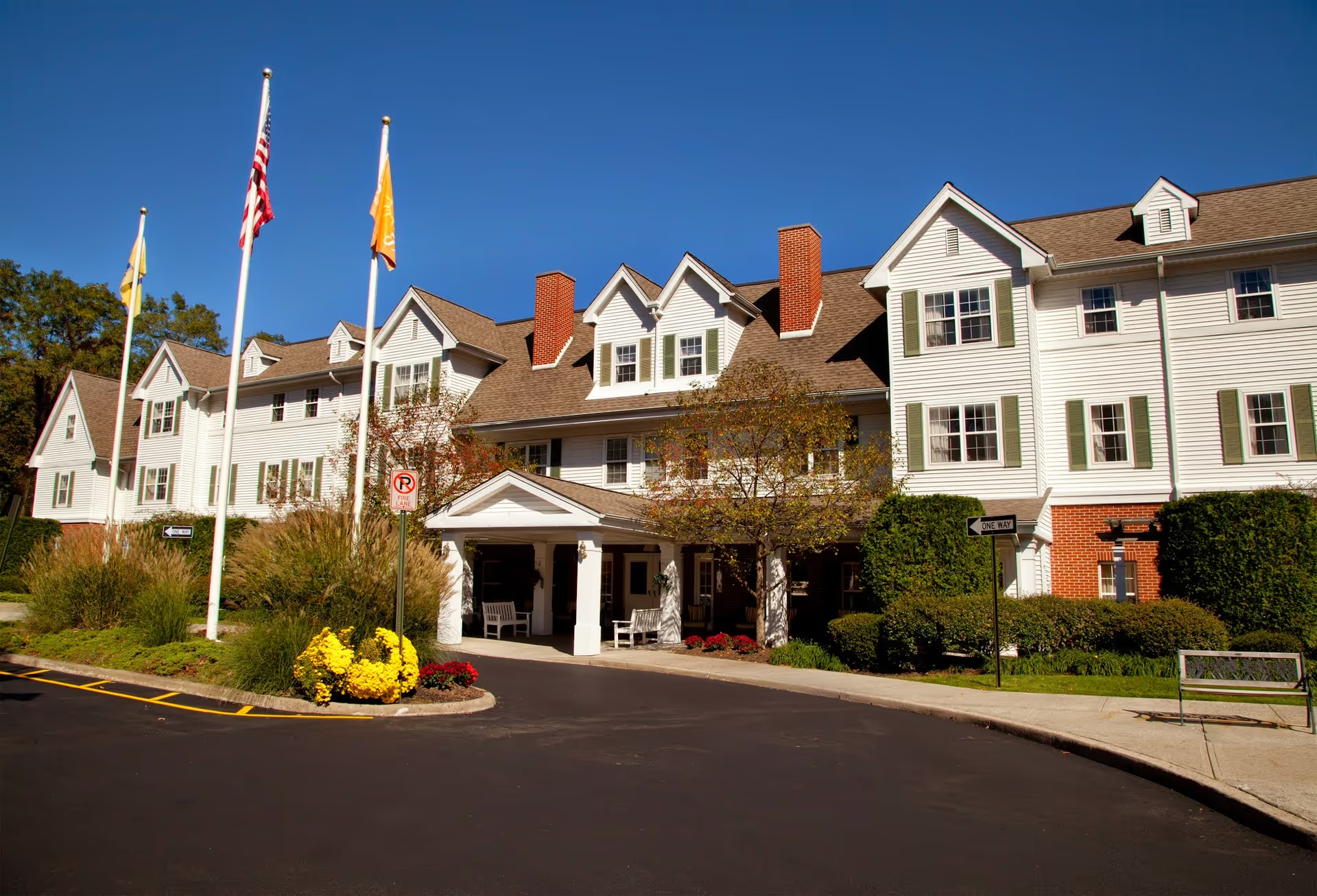
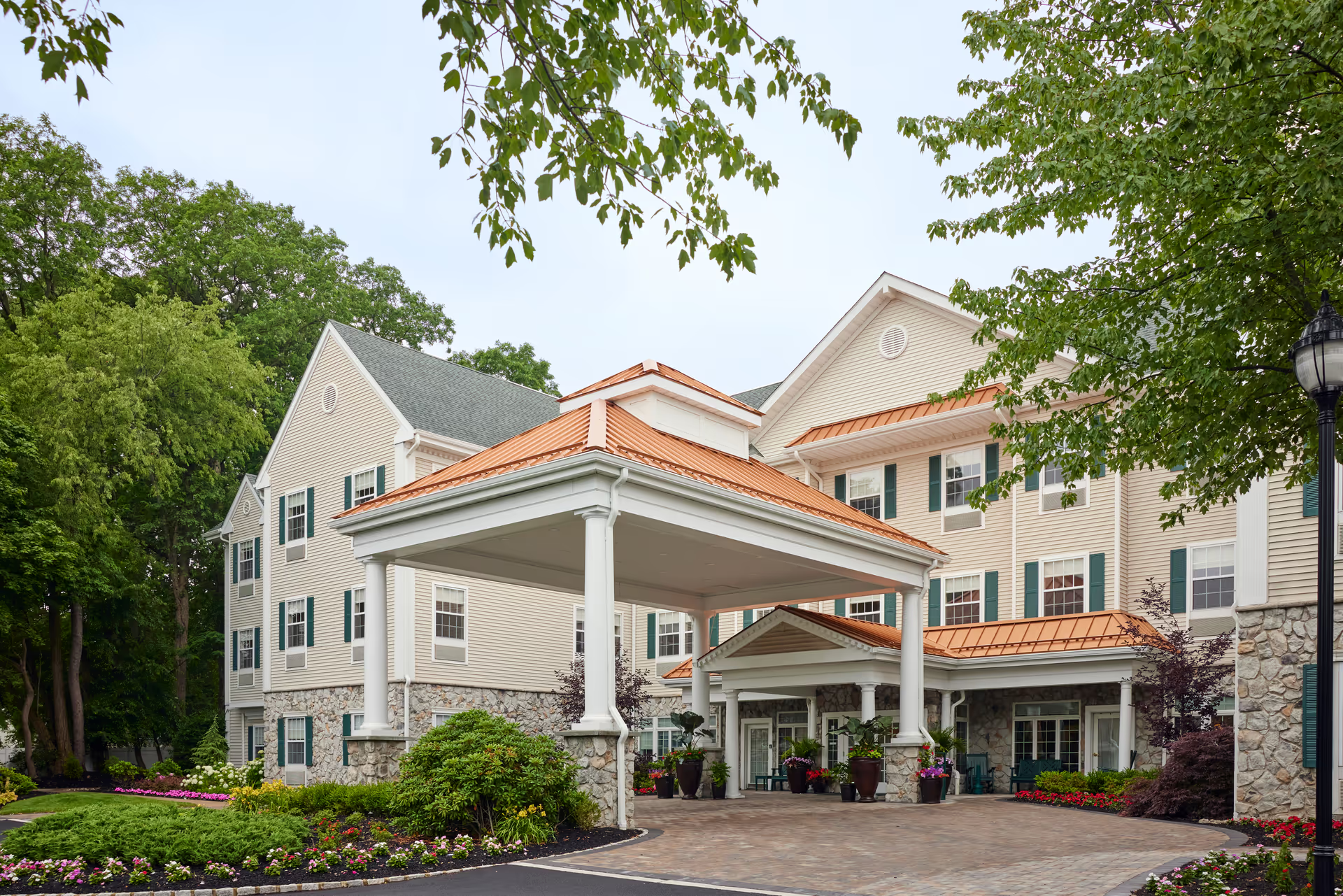
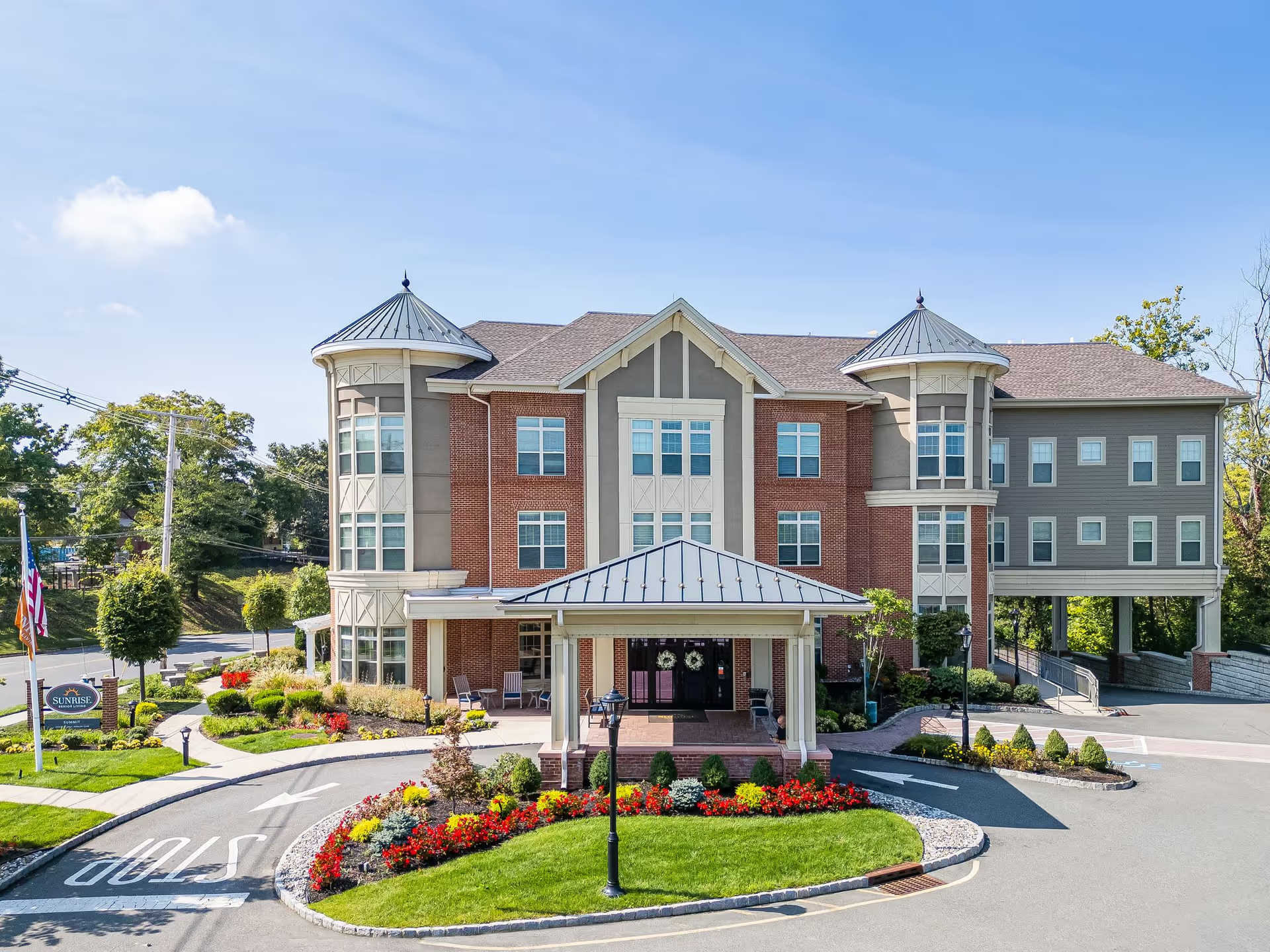
The reviews present a mixed picture: many families and residents praise the interpersonal side of care while others raise significant operational concerns. Positive comments focus on the caregiving team — nurses and CNAs are frequently described as attentive, kind, and respectful, with several mentions of long-tenured staff who provide familiarity and continuity. The facility’s outdoor grounds and historic, castle-like building are seen as attractive features, and visitors appreciated a pet-friendly environment including birds and a small resident animal. Residents are generally able to personalize rooms and some families report overall comfort and dignity in daily care.
At the same time, there are recurring operational weaknesses that prospective families should weigh. Communication between frontline staff, administration, and families is described as inconsistent, and reviewers cite delays in response from nursing and administrative personnel. Nutritional services and meal delivery emerge as an area of variability: reviewers mention cold meals, limited cafeteria variety, and cases where dietary needs (for example gluten intolerance) were not managed reliably. These issues are captured in the broader pattern of inconsistent meal-service continuity and dietary management.
Clinical-practice concerns also appear in several reviews and cluster around infection prevention and wound care. Reviewers raised issues implying gaps in infection-control practices and difficulties managing pressure-related skin issues. These clinical concerns are compounded by references to state inspection outcomes that some families perceived as unfavorable, suggesting a need for strengthened compliance and quality-improvement efforts.
Facility condition and programming are other notable themes. The building’s historic character is appreciated by some but others find the interior outdated, plain, or in need of modernization; equipment and furnishings were described as dated and some units have multi-bed rooms that limit privacy. Activity programming is viewed as limited by several reviewers who would like more varied and frequent engagement options for residents.
Management and culture show a contrast in perceptions. Multiple reviewers praised the compassionate, family-oriented tone from certain staff and described a warm, caring environment. Conversely, some families perceived management priorities as skewed toward financial considerations rather than investment in facility upgrades or staffing consistency, and a few reviews described variability in staff conduct and tone that affected family trust.
For prospective residents and families: strengths to expect include attentive direct-care staff, a clean facility with pleasant grounds, pet-friendly visitation, and the ability to make a room feel personal. Important follow-up items before placement include: verifying current infection-control and wound-care practices, asking about dietary accommodations and meal-service procedures, clarifying staffing patterns and response times for clinical needs, reviewing recent state inspection results, and touring room configurations to assess privacy and furnishings. These checks will help determine whether the facility’s strong interpersonal care offsets the operational and infrastructure gaps noted by reviewers.