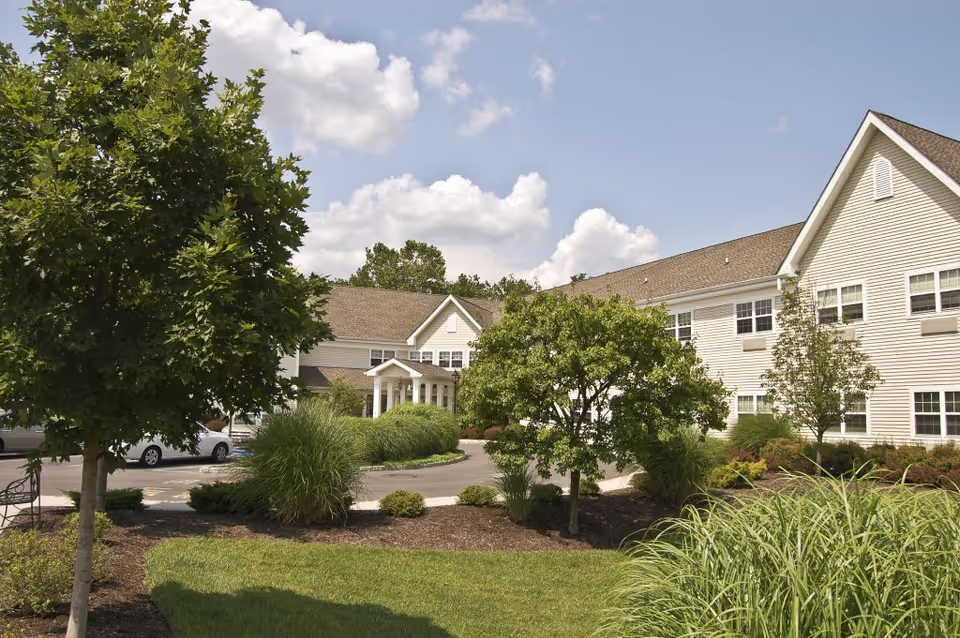
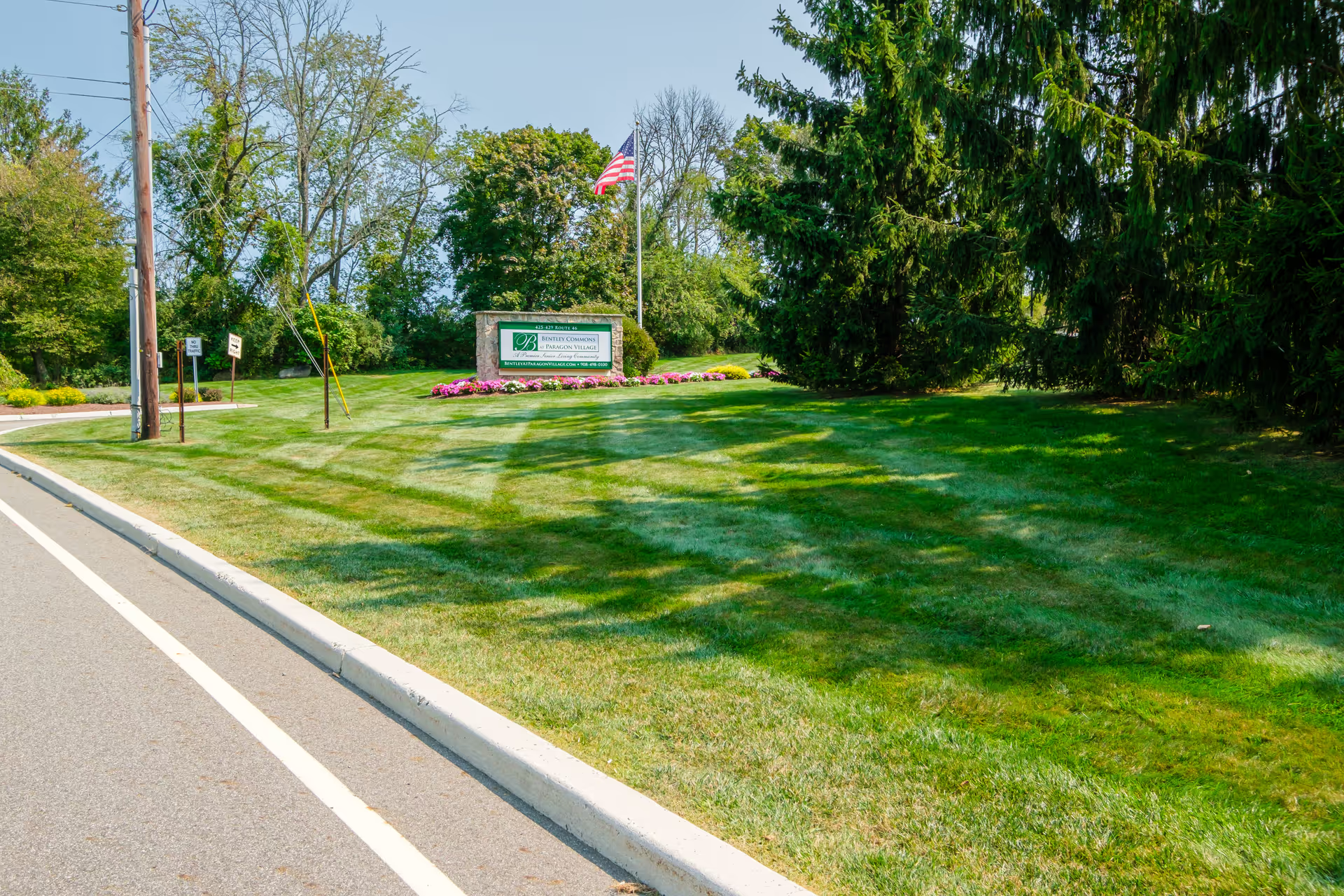
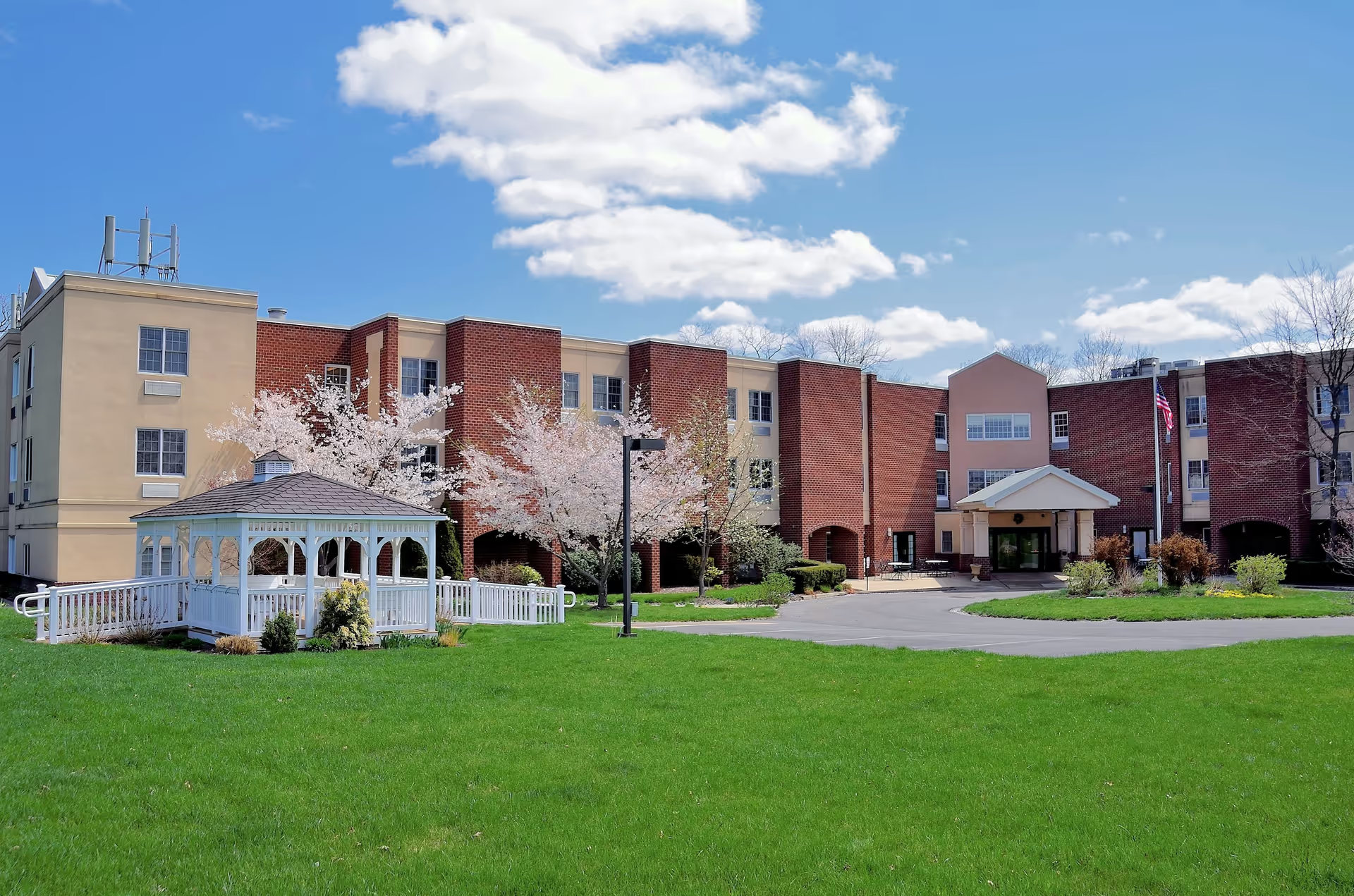
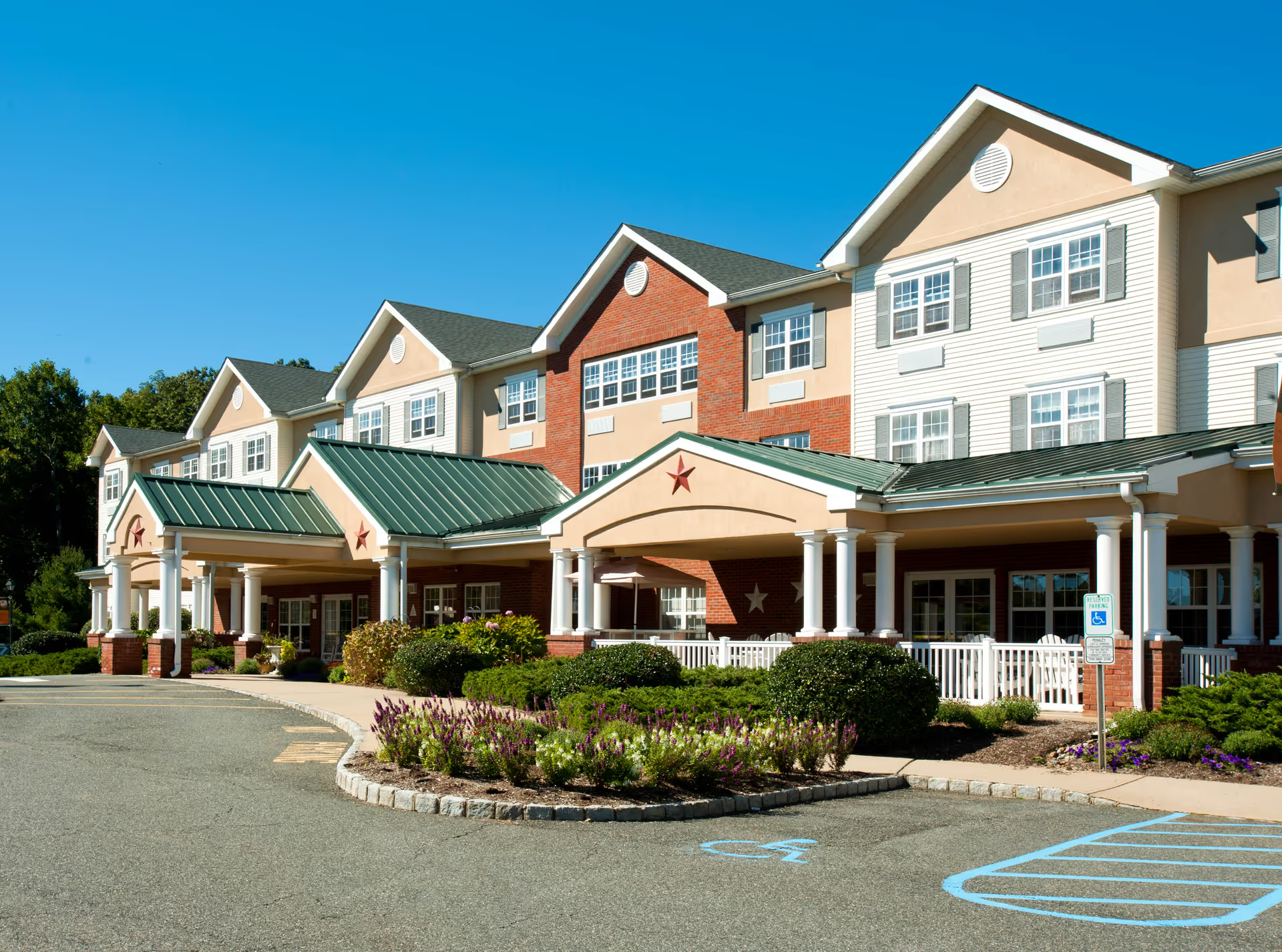
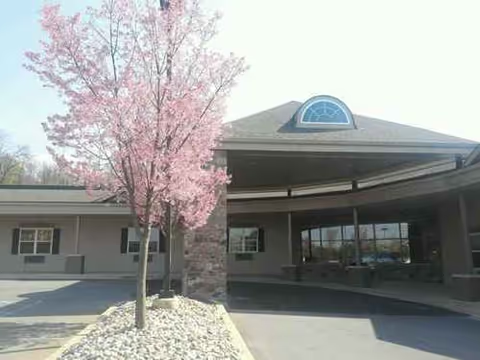
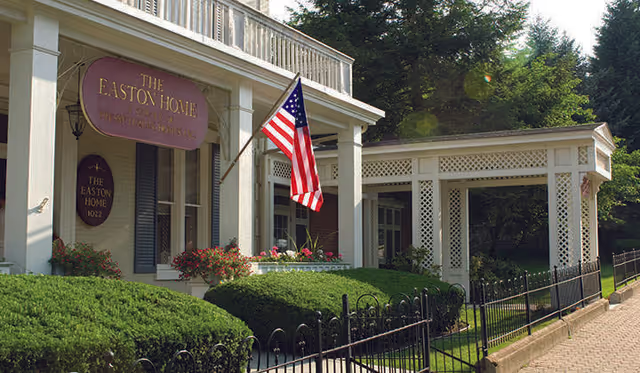
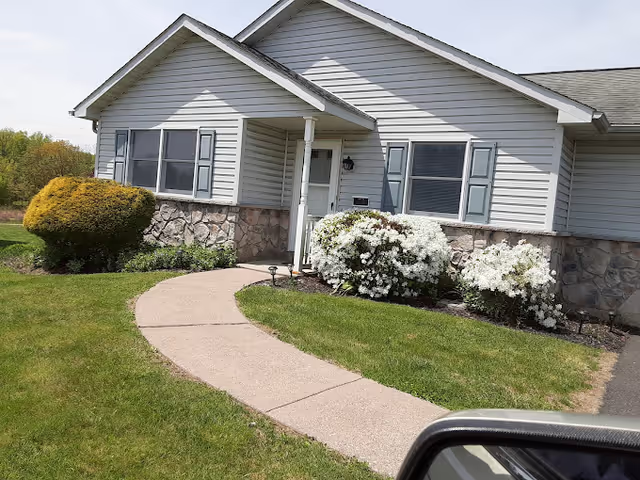
Reviewers present a mixed but consistent pattern of strengths and operational weaknesses. Many families and residents praise the caregiving team and therapy staff for compassionate, attentive care and measurable rehabilitation outcomes; several accounts describe successful returns to home and positive resident transformation. The facility's public spaces and grounds are frequently described as clean and attractive, with an especially well-regarded dementia unit that includes a secure outdoor/therapeutic area and a garden with a koi pond. Spiritual services, a posted activities program, and supportive administrative guidance are also cited as positive components of the resident experience.
At the same time, a recurring operational concern centers on staffing. Reviewers describe inconsistent staffing levels and high turnover, which correlate with slower response times to call lights and care requests, delays in attending to incontinence needs, and long waits for assistance with transfers or return-to-bed. These responsiveness issues are frequently linked to family frustration and to gaps in phone accessibility and follow-up communication from the unit or central office.
Dining and programming receive mixed assessments. Some reviewers commend well-presented, enjoyable meals and an engaging activities schedule that includes worship and chaplain services. Others describe bland or hospital-style food and families bringing supplemental meals. Likewise, while the activities program is comprehensive on paper and some residents benefit from it, other families report unclear implementation or limited activity engagement for certain residents.
Facility and maintenance issues appear in multiple accounts. Many reviewers report generally clean, well-maintained interiors, but there are also complaints about delayed maintenance responses, heating/cooling and plumbing reliability problems, and sanitation concerns in specific bathrooms or common areas. These inconsistencies suggest variability in environmental upkeep from unit to unit or over time.
Clinical and administrative practices show a split pattern. Positive remarks highlight compassionate clinical teams and an approachable new leadership group that has improved cleanliness and unit design. Critical comments point to inconsistent medication-management practices, uneven clinical follow-through (including therapy plan adjustments), bureaucratic communication styles, and an operational focus that can feel payment-driven. Another notable concern is placement policy: some families perceive dementia-unit placements or locked-unit decisions as being driven by operational needs rather than individualized resident considerations.
Overall, experiences at this facility tend to be polarized: several families report exemplary care, clean facilities, and strong rehabilitation services, while others encounter service gaps linked to staffing, communication, dining consistency, and maintenance responsiveness. Prospective residents and families may benefit from direct inquiries about current staffing ratios, medication and therapy-plan review processes, dementia-unit placement criteria, maintenance response times, and the facility's approach to family communication and call responsiveness during their tour and decision-making process.