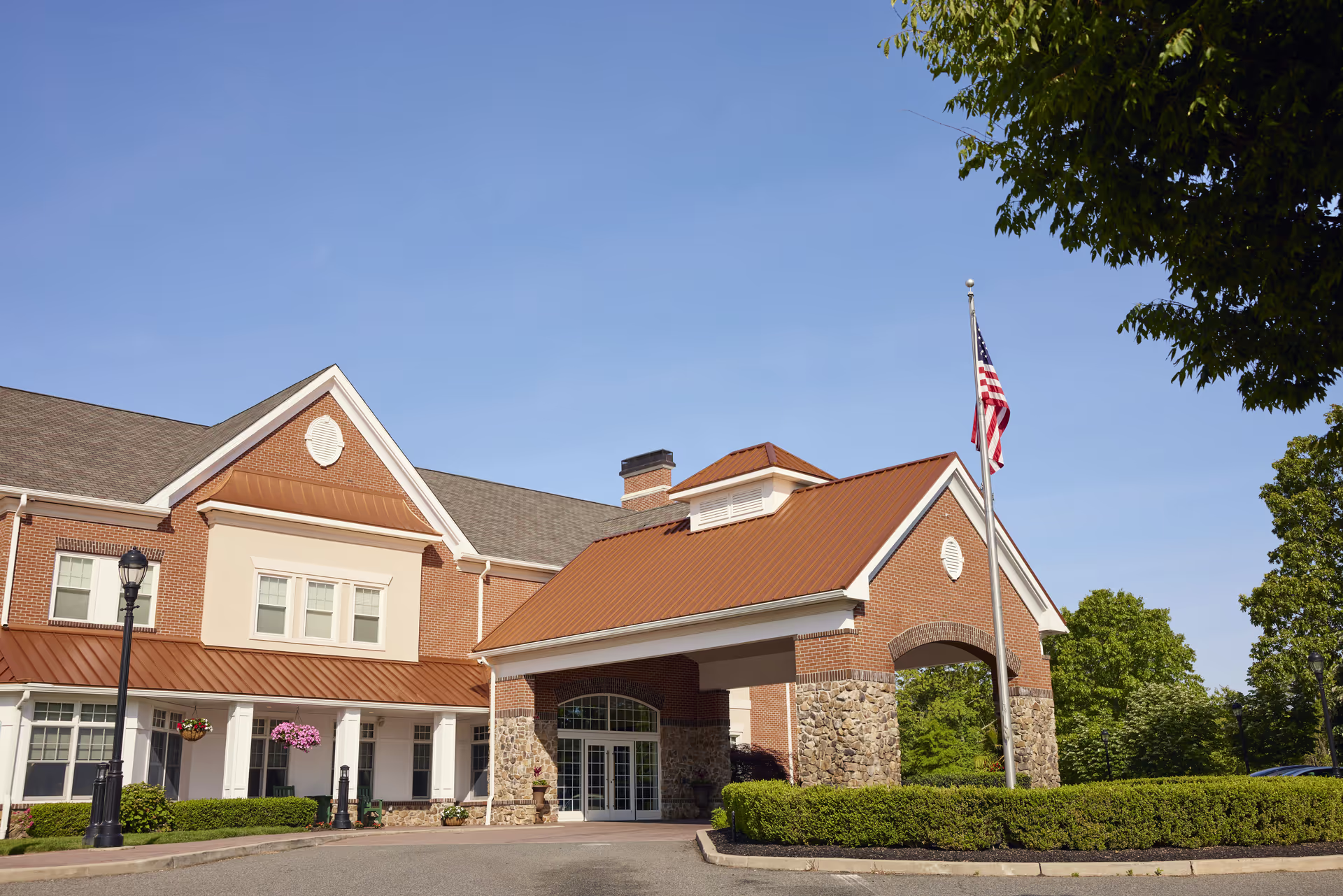
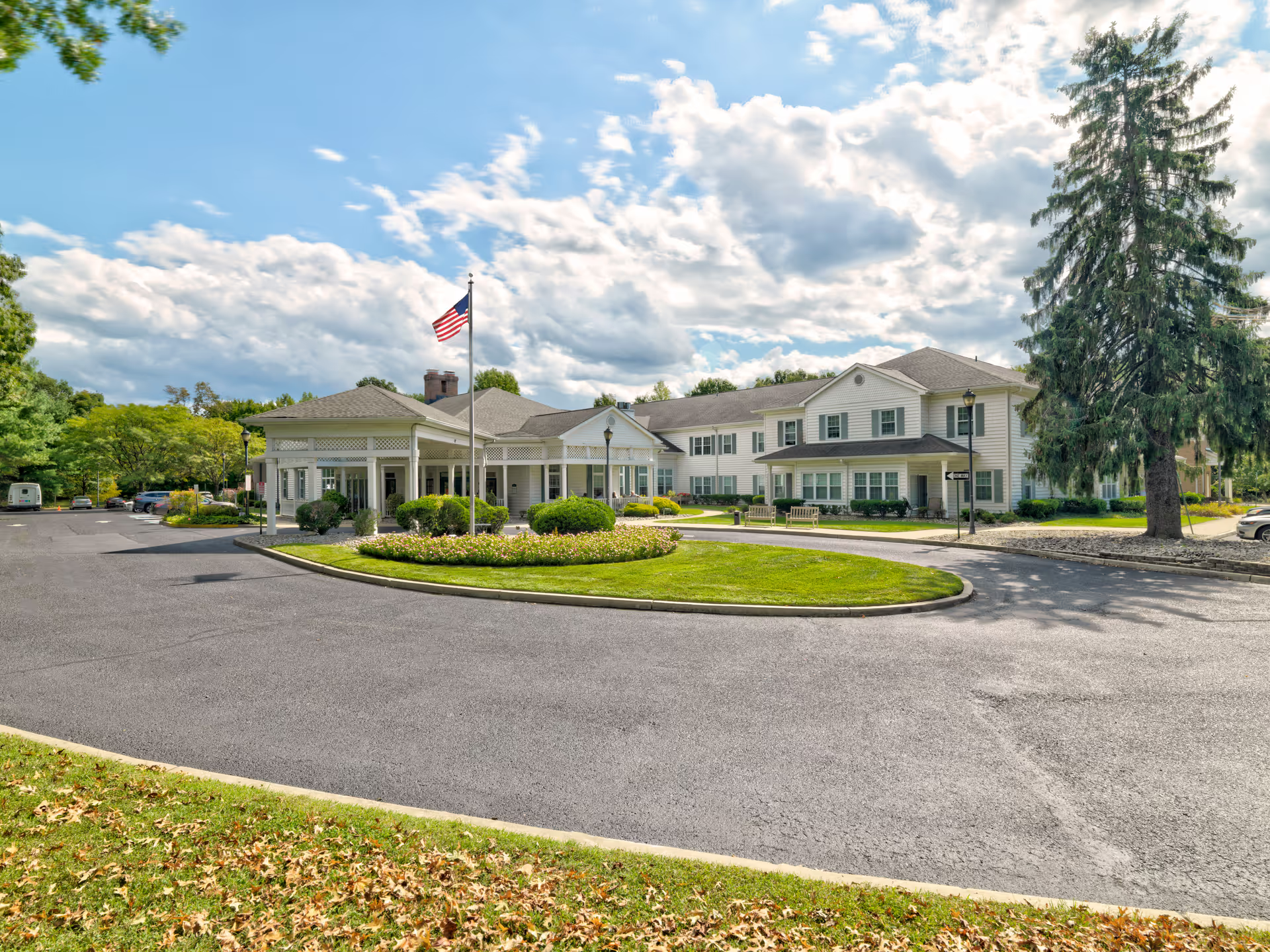
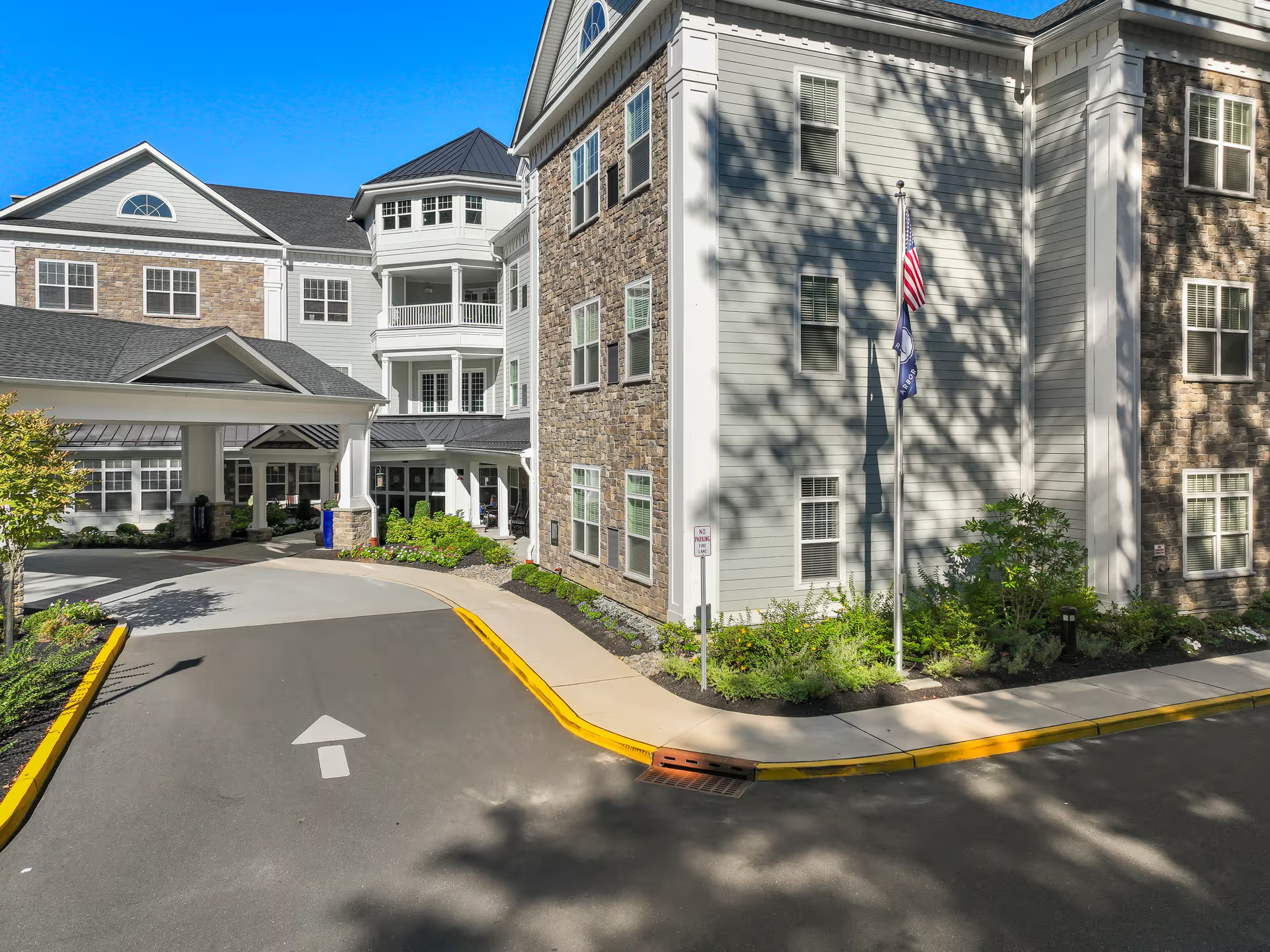
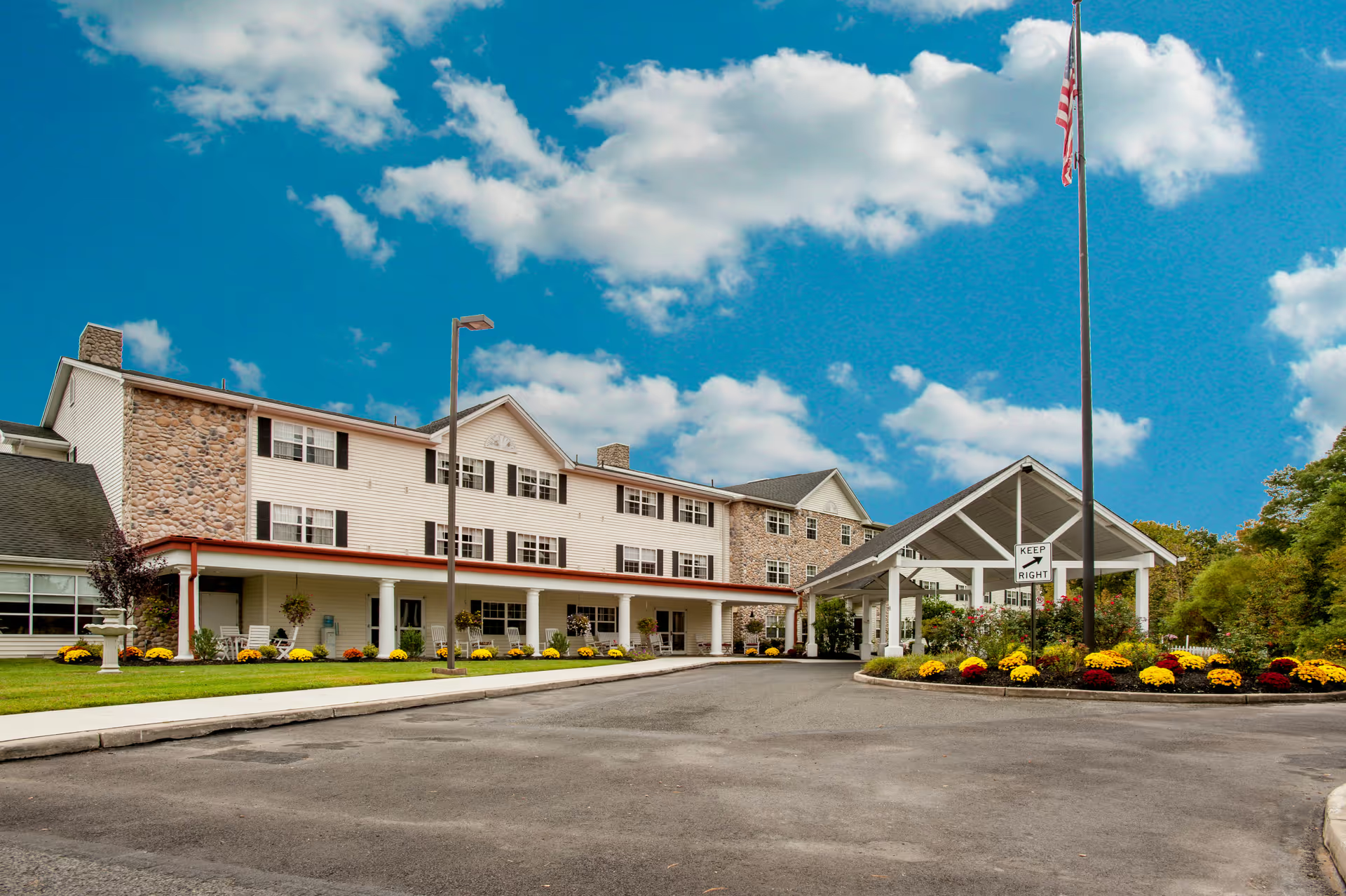
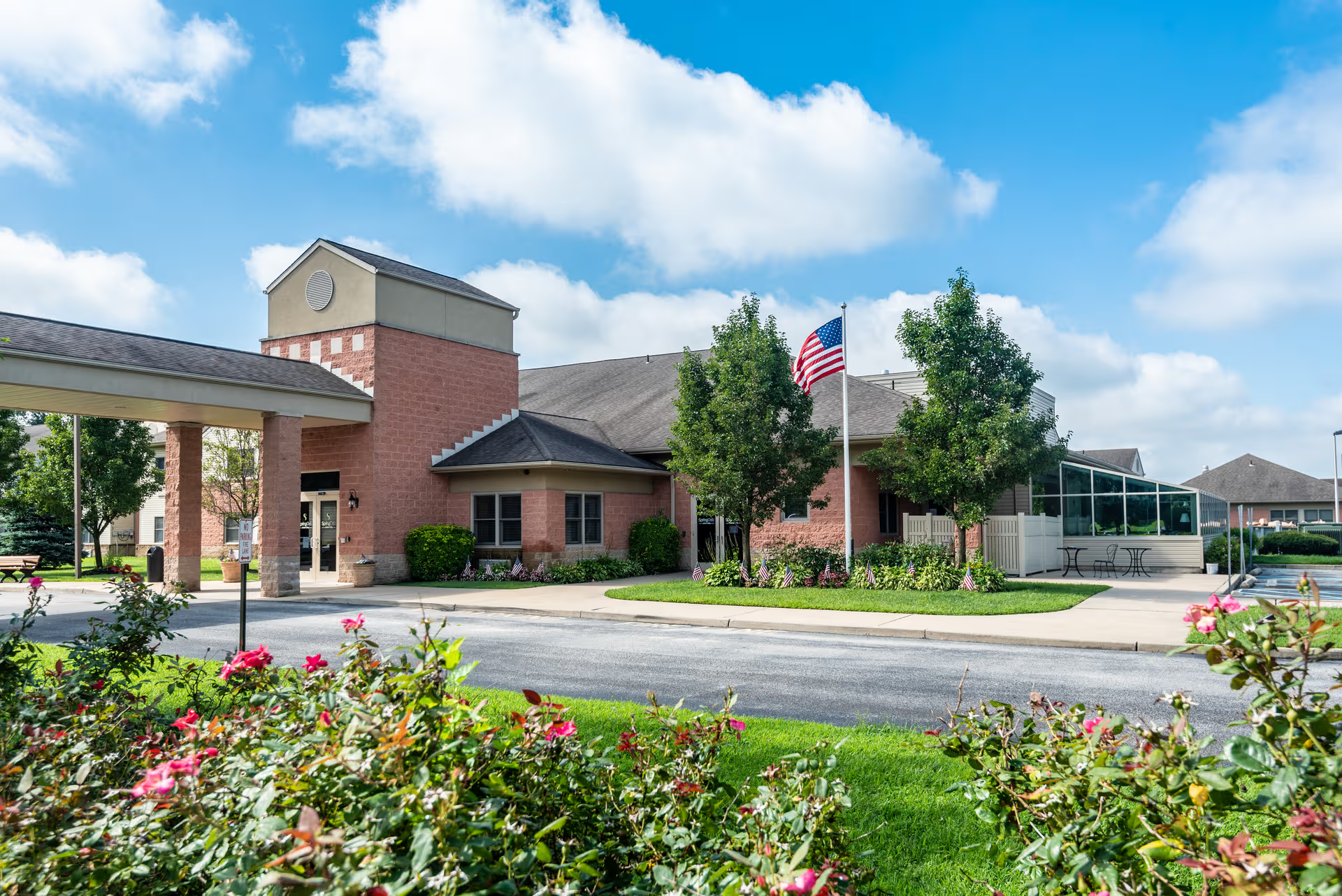
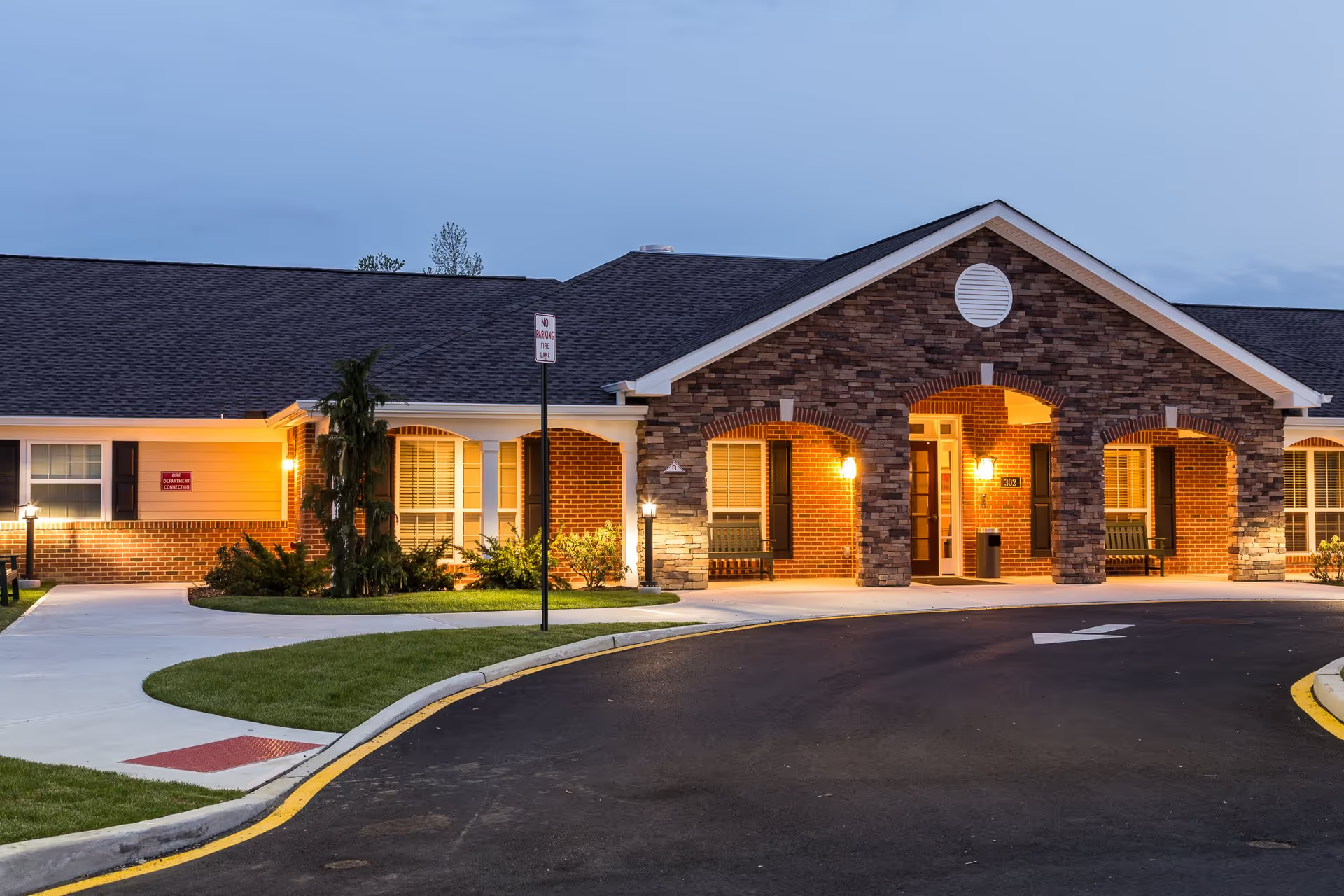
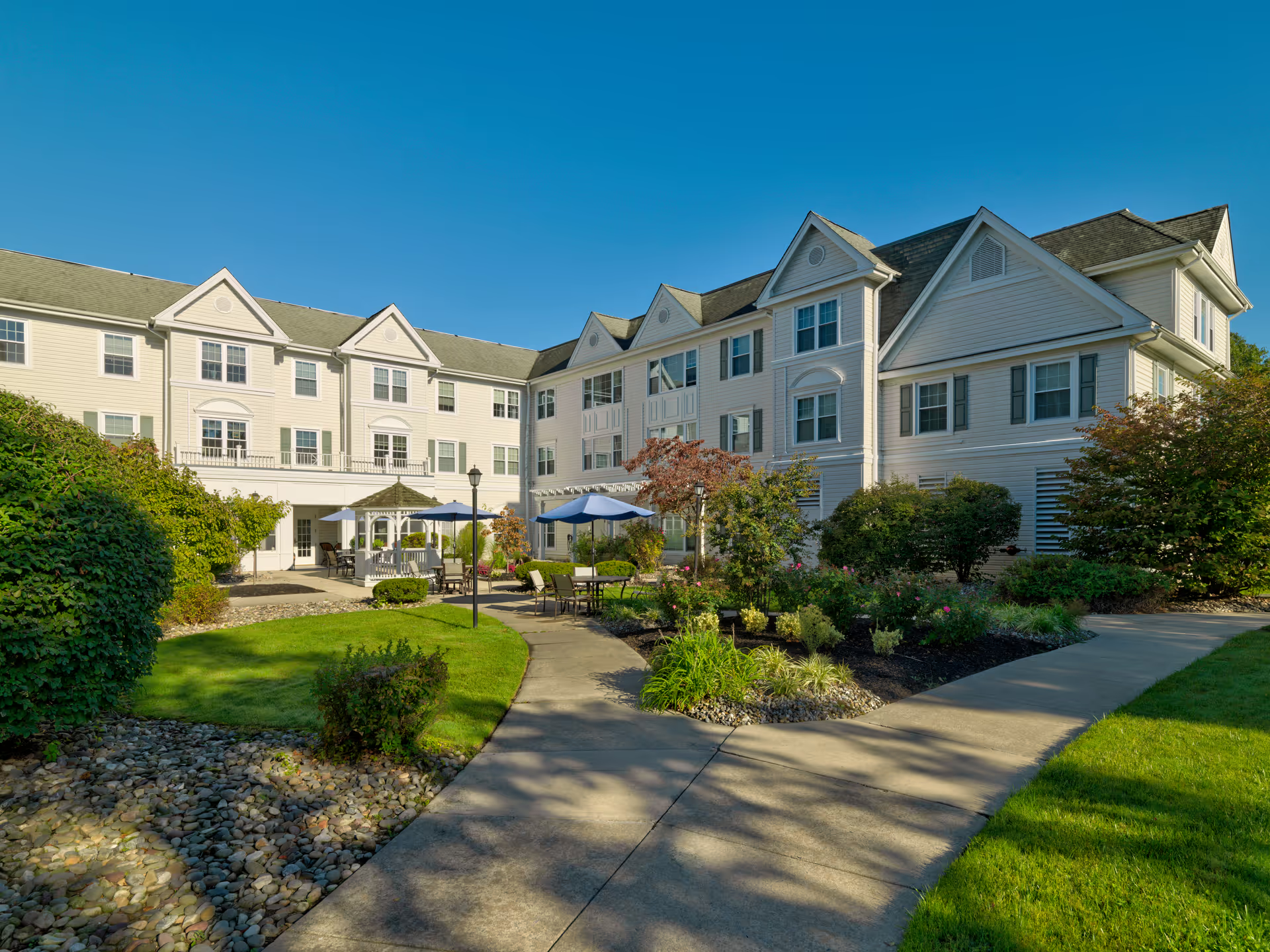
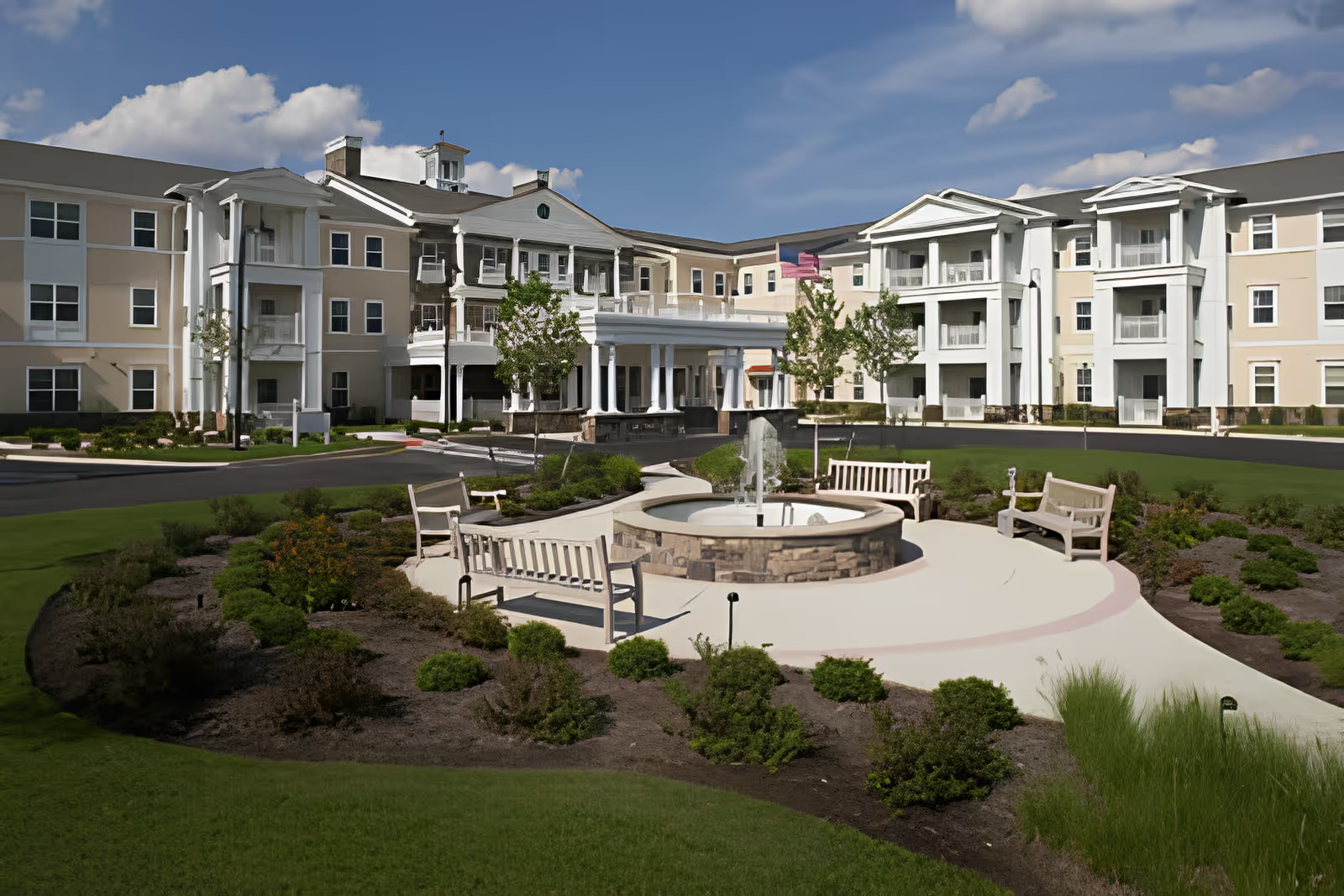
The collective reviews describe a facility with a strong physical plant and a robust rehabilitation program but recurring operational shortcomings that affect clinical care and family confidence. Many families praised the center’s modern appearance, private rooms, on-site dining options, and the availability of comprehensive therapy services; several notes describe individualized, effective PT/OT/speech programs and therapists who produced measurable progress. Individual aides and kitchen staff are also credited in a number of accounts for helpful, person-centered actions.
Concurrently, a consistent pattern of care-quality concerns emerges. Reviewers describe delays and inconsistency in basic nursing tasks, slow call-bell response times, and irregular medication and treatment administration. There are repeated descriptions of gaps in wound and ostomy management and other specialized clinical protocols. These issues are frequently linked to staffing shortfalls, variability in clinical skill mix, and unclear role delineation between licensed staff and assistants, which reviewers perceived as contributing factors to clinical lapses.
Communication and care coordination are also noted as problem areas. Families report incomplete or missing discharge documentation, minimal follow-up instructions, and limited proactive updates from nurses or physicians. Front-desk phone access and timely responses to family inquiries were cited as barriers to effective communication. Several accounts raise concern about leadership and administrative follow-through when problems are escalated, describing inconsistent investigations and corrective actions.
Dining and activities show mixed results. While the facility’s dining spaces and menu offerings are viewed positively by some, others describe cold meals, inappropriate diets for residents with restrictions, and limited activity programming. Housekeeping and sanitation practices receive variable assessments: the facility’s appearance and some housekeeping efforts are praised in places, while other reports indicate inconsistent room and bathroom cleaning and supply availability related to personal-care needs.
Safety and operational weaknesses were also noted. Reviewers described incidents suggesting gaps in supervision for higher-dependency residents, issues with transfers and mobility assistance, and lapses in supply management and personal-item handling. A small number of accounts reference severe clinical outcomes and concerns following resident adverse events; these descriptions underline the variability in experience and the potential for serious consequences when clinical protocols are not consistently followed.
Overall, the facility appears to deliver strong rehabilitation services in a high-quality environment for many patients, but persistent operational and clinical-process weaknesses — particularly around staffing, nursing consistency, medication and wound management, and communication — produce highly variable experiences. Prospective residents and families should weigh the facility’s therapeutic strengths and amenities against the documented patterns in direct-care reliability and administrative responsiveness, and consider asking targeted questions about staffing levels, clinical oversight, wound-care protocols, discharge procedures, and family communication before admission.