Reviewers describe a facility with clear strengths in rehabilitative services and family communication but with notable variability in day-to-day nursing and operational performance. Rehabilitation (PT/OT/speech) is frequently praised: therapists and therapy teams are described as skilled, attentive, and effective at communicating progress to families. Several accounts highlight positive short-stay rehab outcomes and repeat admissions for therapy, indicating that the facility can deliver strong post-acute care. Families also appreciate language support (notably Russian-speaking staff), access to physicians for consultations, and use of remote video tools for family communication.
Staff performance and responsiveness emerge as a primary point of divergence. Many reviewers single out individual staff members (therapists, CNAs, assistants, and an assistant administrator) as caring and professional, contributing to a family-like atmosphere. Concurrently, others report inconsistent professionalism, delayed responses to call systems, and variability in nurse and aide conduct. These descriptions point to uneven staff training and staffing reliability rather than uniformly poor or uniformly excellent performance. Management communication also appears mixed: some families note immediate resolution of issues and helpful administrators, while others describe defensive interactions and concerns about an administrative focus on billing and insurance processes.
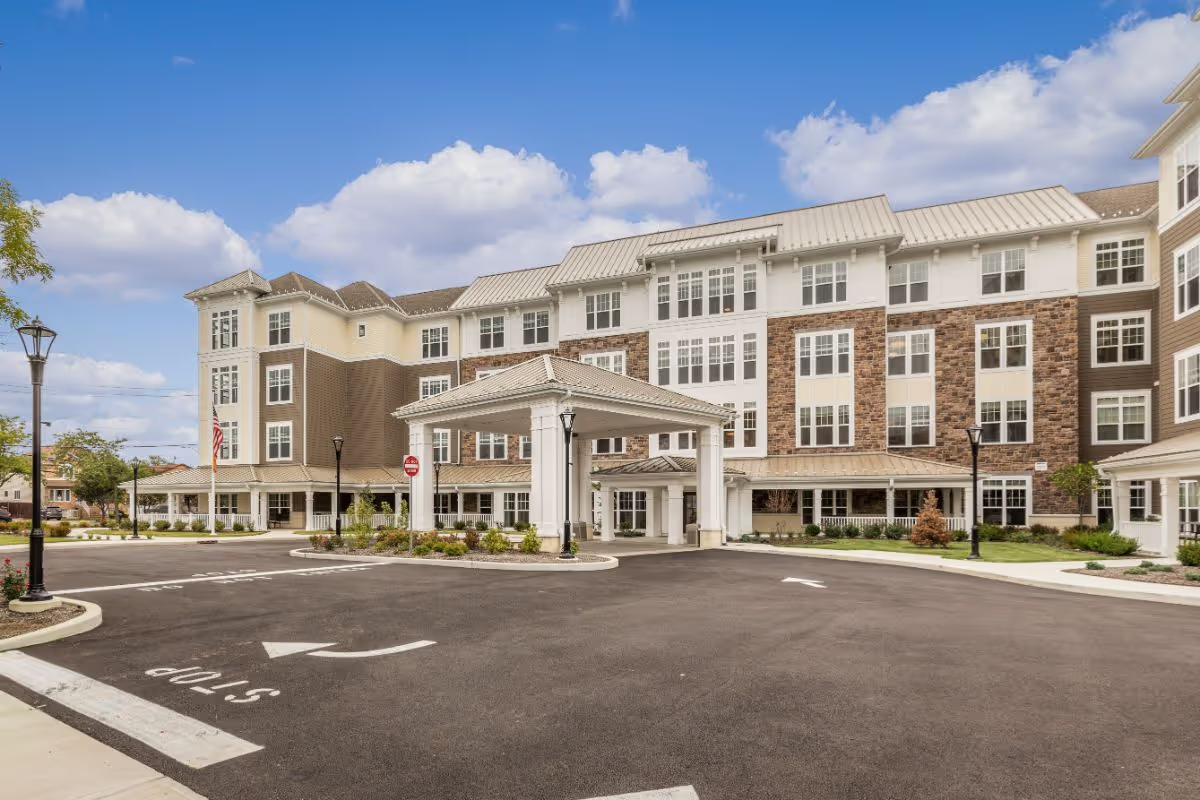
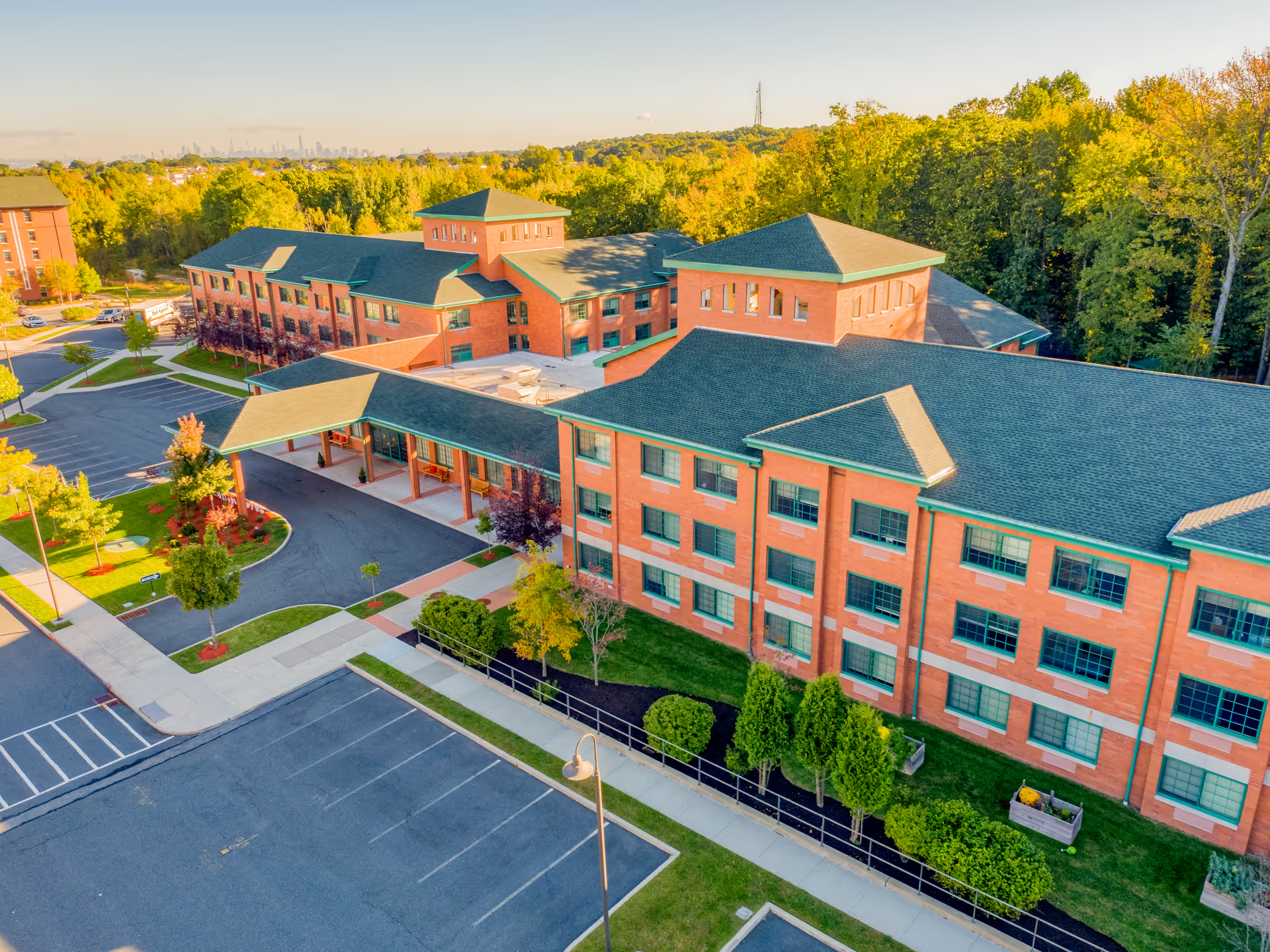
Facility environment and amenities receive mixed marks. Common areas are often described as clean and well maintained, with pleasant features such as ocean views. Resident rooms vary: some are adequate and spotless, while others have maintenance issues (sticking tray tables, older TVs, drawers needing repair) and cleanliness inconsistencies. Reviewers mention outdated equipment in places. Dining impressions are split — a number of families praise the variety of food and general meal service, but others criticize food quality and poor meal experience. Activity programming is consistently a strength: organized crafts, Bingo, religious services, and seasonal celebrations are cited as meaningful engagement for residents.
Operational concerns that recur across accounts include discharge coordination and transport arrangements, billing and financial-process frustrations, and gaps in bathroom assistance or incontinence-related care. These reflect systemic process weaknesses (discharge planning, transport coordination, and certain aspects of personal-care delivery) rather than isolated social interactions. Infection-control measures affected visitation during COVID periods; families used remote options to maintain contact when access was limited.
Overall, the facility appears well suited for patients seeking intensive rehabilitative care with robust therapy teams and active programming. Prospective residents and families should weigh that strength against variability in nursing responsiveness, room-level maintenance and cleanliness, and administrative practices around billing and discharge. Visiting the unit, observing shift changes, asking about staffing patterns and discharge procedures, and confirming language support and therapy plans can help families determine whether the facility's operational profile matches their expectations and needs.