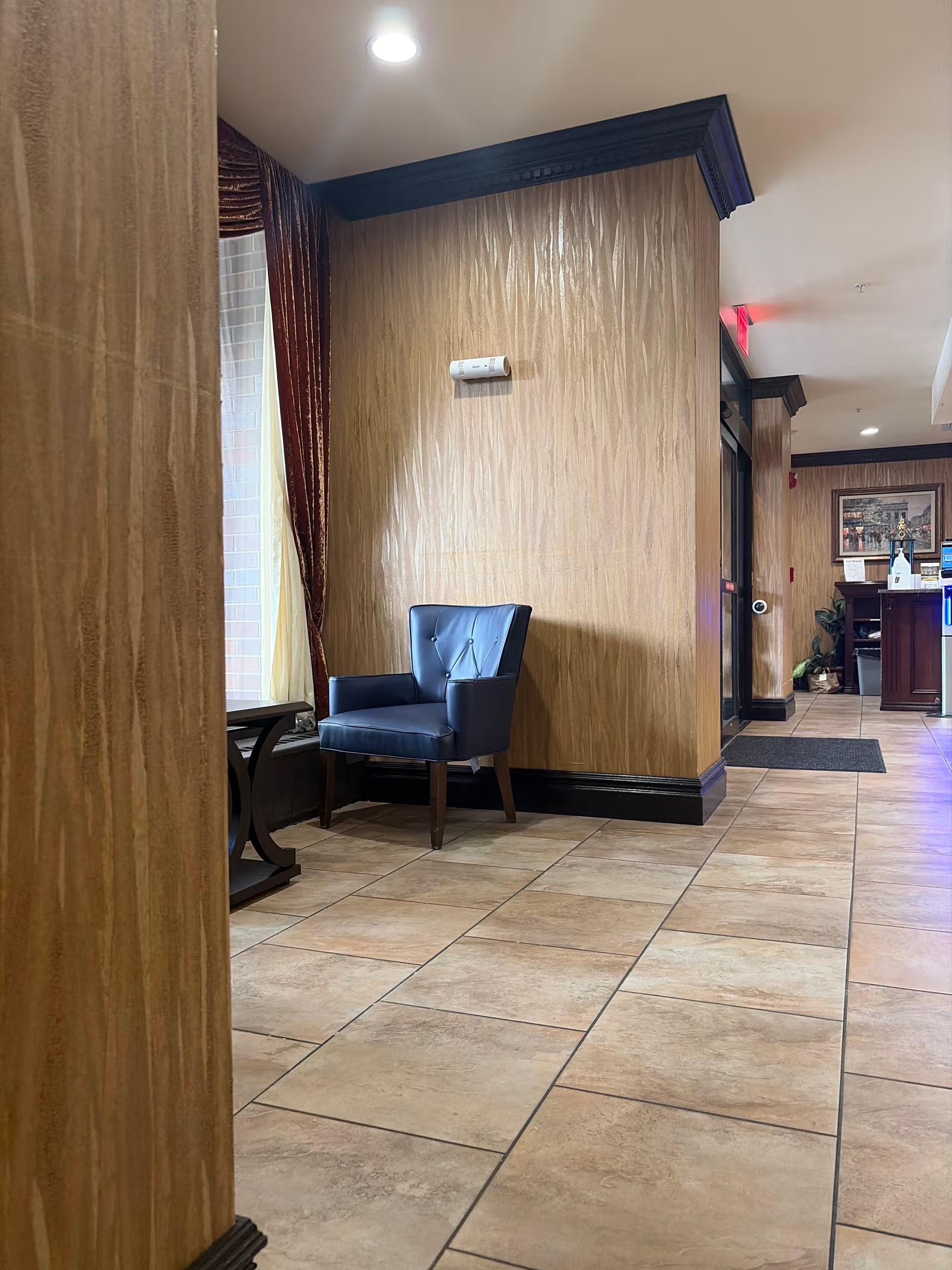
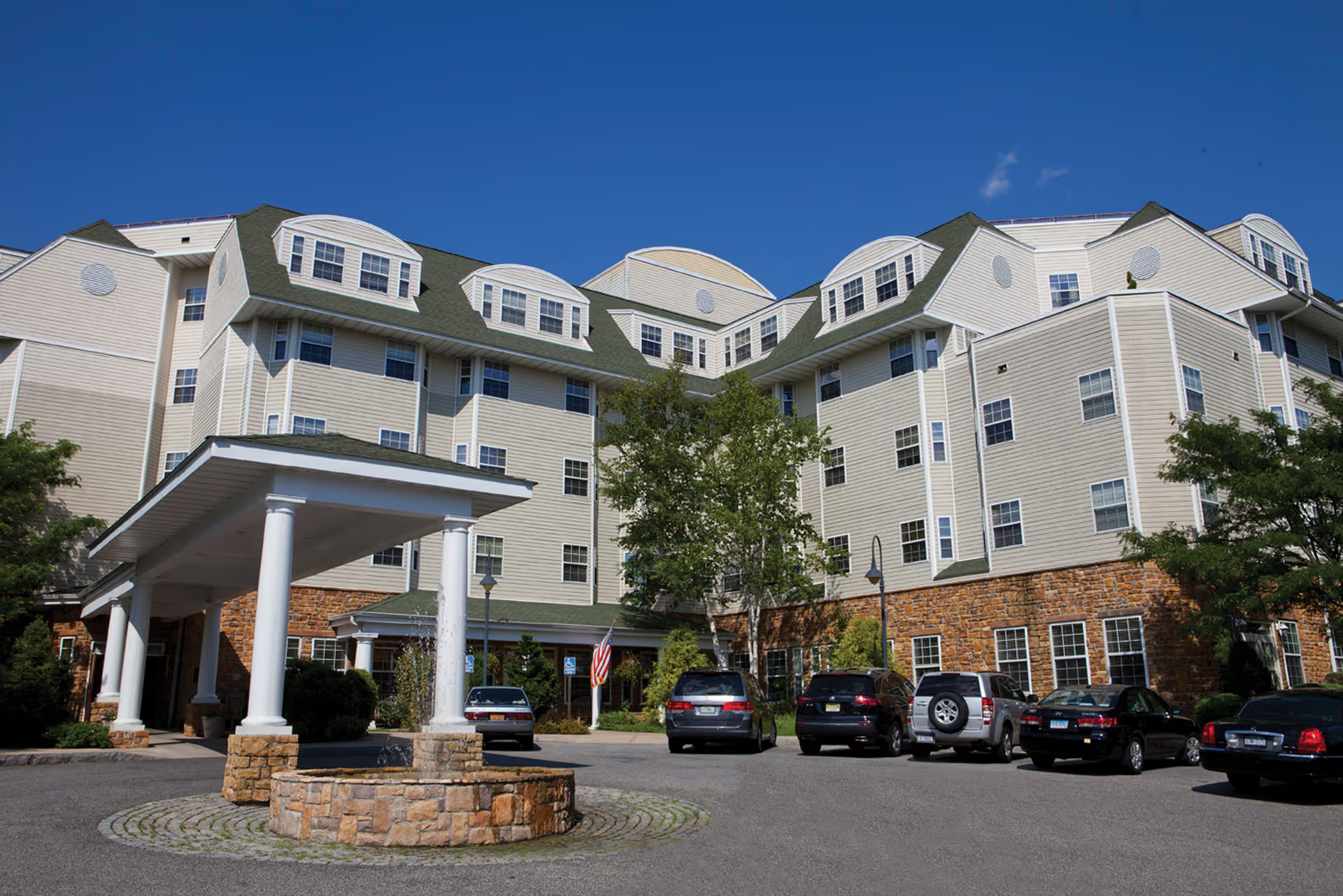
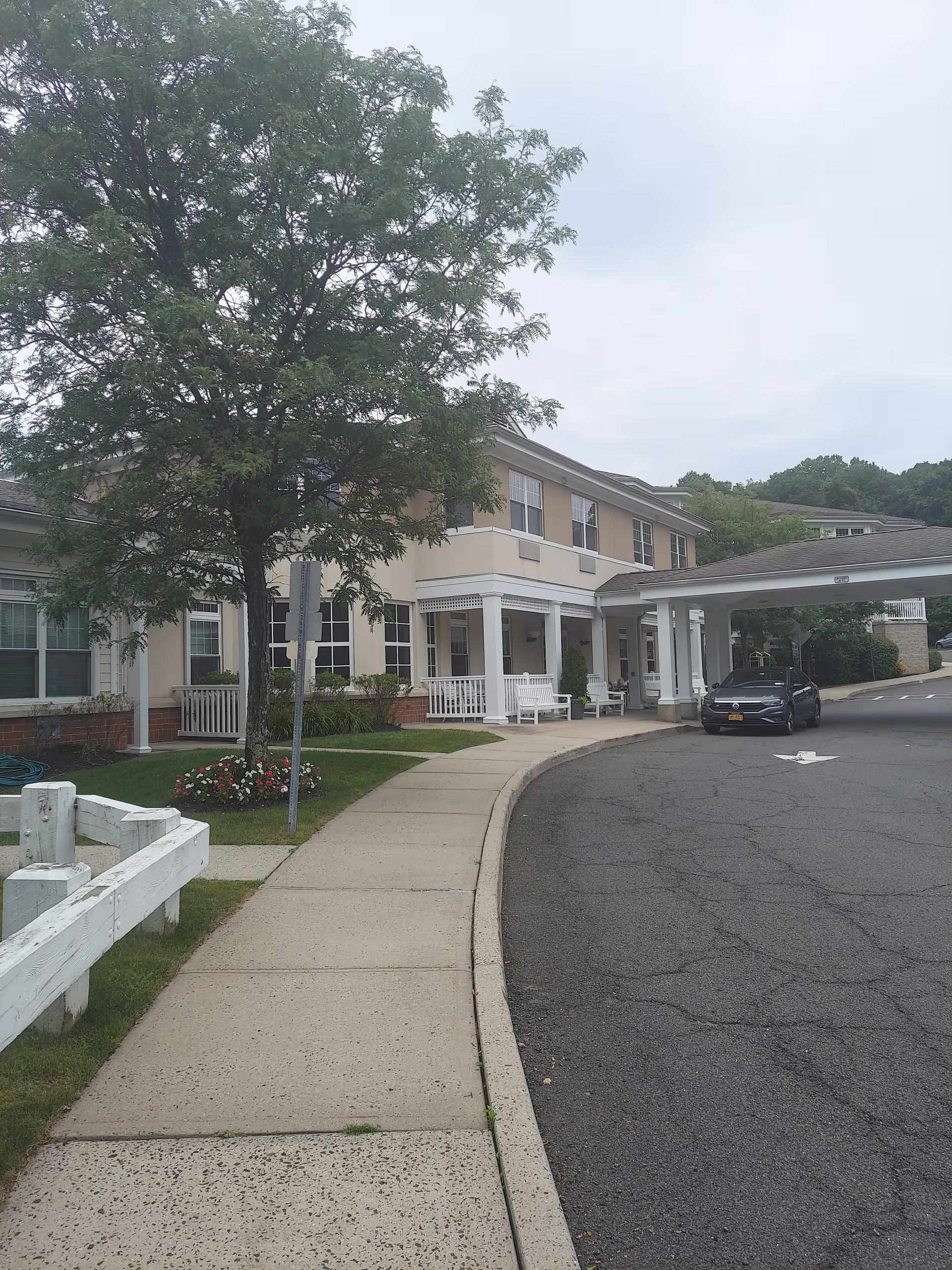
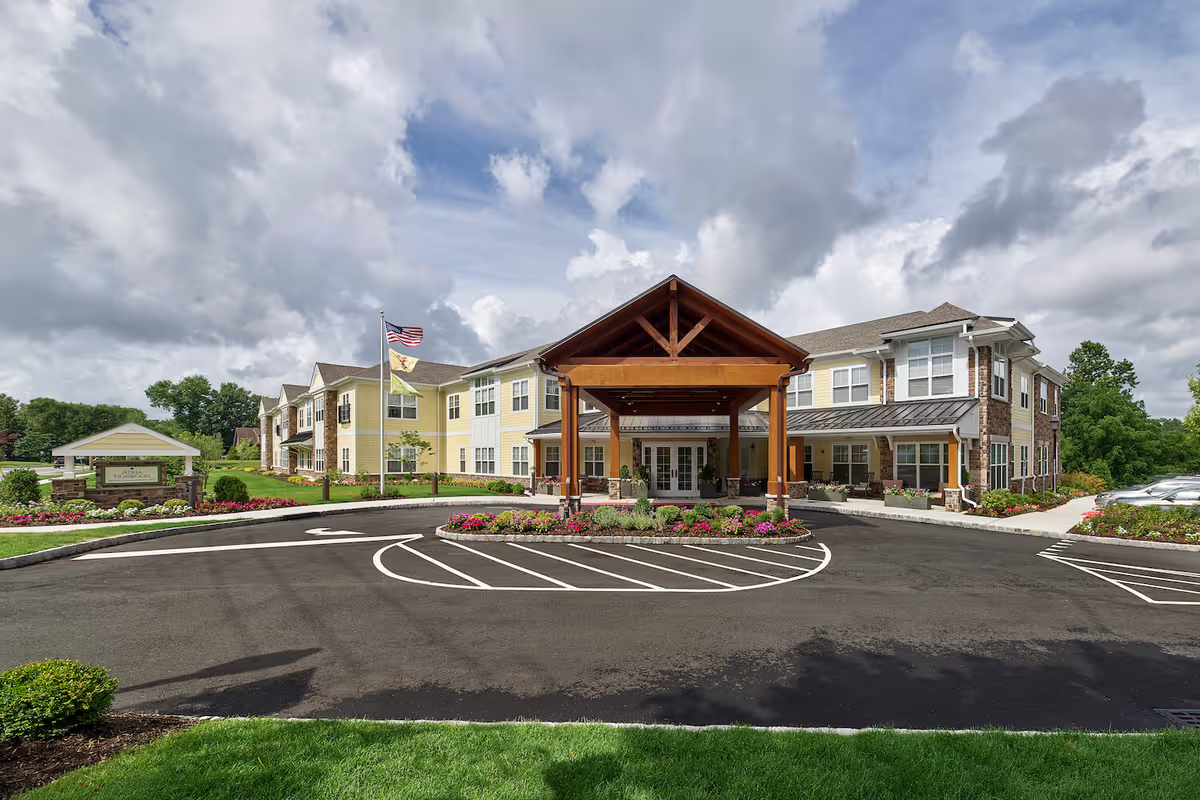
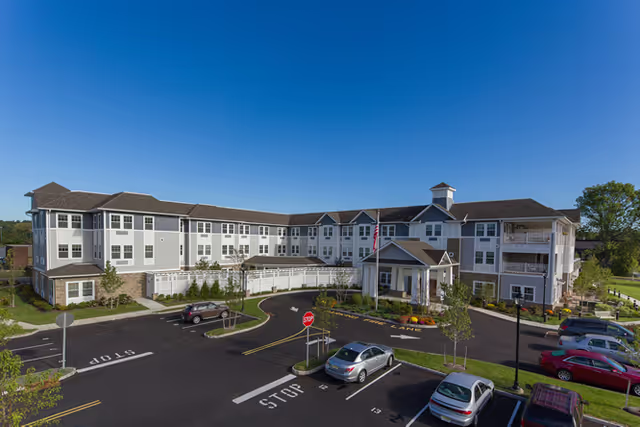
Adira at Riverside Rehabilitation and Nursing elicits a highly mixed set of impressions that cluster around two distinct experiences: robust, rehab-focused care with compassionate staff, and operational inconsistencies that affect day-to-day resident care. Many families and patients highlight the facility's strengths in rehabilitation — physical and occupational therapy are repeatedly praised for effectiveness, therapist engagement, and measurable recovery outcomes. The respiratory team and ventilator-support capabilities are noted positively in cases that required specialized care. Numerous accounts describe attentive, kind nursing and aide staff, personalized interactions that feel family-like, helpful front-desk and client-services personnel, and clean, well-maintained public spaces and private rooms with pleasant views.
Counterbalancing those positive accounts are recurring operational concerns that appear to vary by unit, shift, and time. Reviewers describe inconsistent staffing levels and CNA shortages that contribute to delayed responses to call lights, inconsistent toileting and incontinence care, and lapses in linen hygiene and room sanitation in certain areas. Several narratives indicate problems with medication oversight and frequent medication changes without clear communication. Wound and skin-integrity management, including prevention and treatment of pressure-related injuries, is another area with mixed reports: some families report good specialist care, while others note gaps in follow-up and dressing changes.
Dining and daily living services also show variability. Many reviewers appreciate accommodated meal requests and adequate nutrition for post-surgical recovery, but a substantial subset describe inconsistent food quality, repetitive menus, cold meals, and limited feeding assistance for residents who need help. Activities and recreation are a clear strength for many residents — the program includes live entertainment, group classes, and crafts — though a few families said options are limited for immobile or higher-dependency residents.
Facility and management themes are similarly mixed. The building, public areas, and many rooms receive consistent praise for cleanliness and upkeep, and several staff members and leaders are specifically named for strong, proactive engagement. At the same time, other accounts cite variable cleanliness in particular units, cluttered corridors affecting safe passage, slow reception or limited weekend social-work coverage, and periods in which on-shift management appeared absent or slow to resolve problems. There are a small number of serious allegations and formal complaints referenced by families; these underline the importance of real-time assessment of staffing, clinical oversight, and regulatory status when evaluating the facility.
In sum, Adira demonstrates clear strengths as a rehabilitation-focused center with many compassionate clinicians, successful therapy programs, and a generally well-kept environment. Prospective residents and families should weigh those strengths against the documented variability in staffing, sanitation practices, medication and skin-care follow-up, and meal-service consistency. A practical approach is to ask about current staffing ratios, weekend administrative coverage, recent inspection results, and to observe unit-level cleanliness and care routines during visits (including unannounced visits where feasible) before making a placement decision.