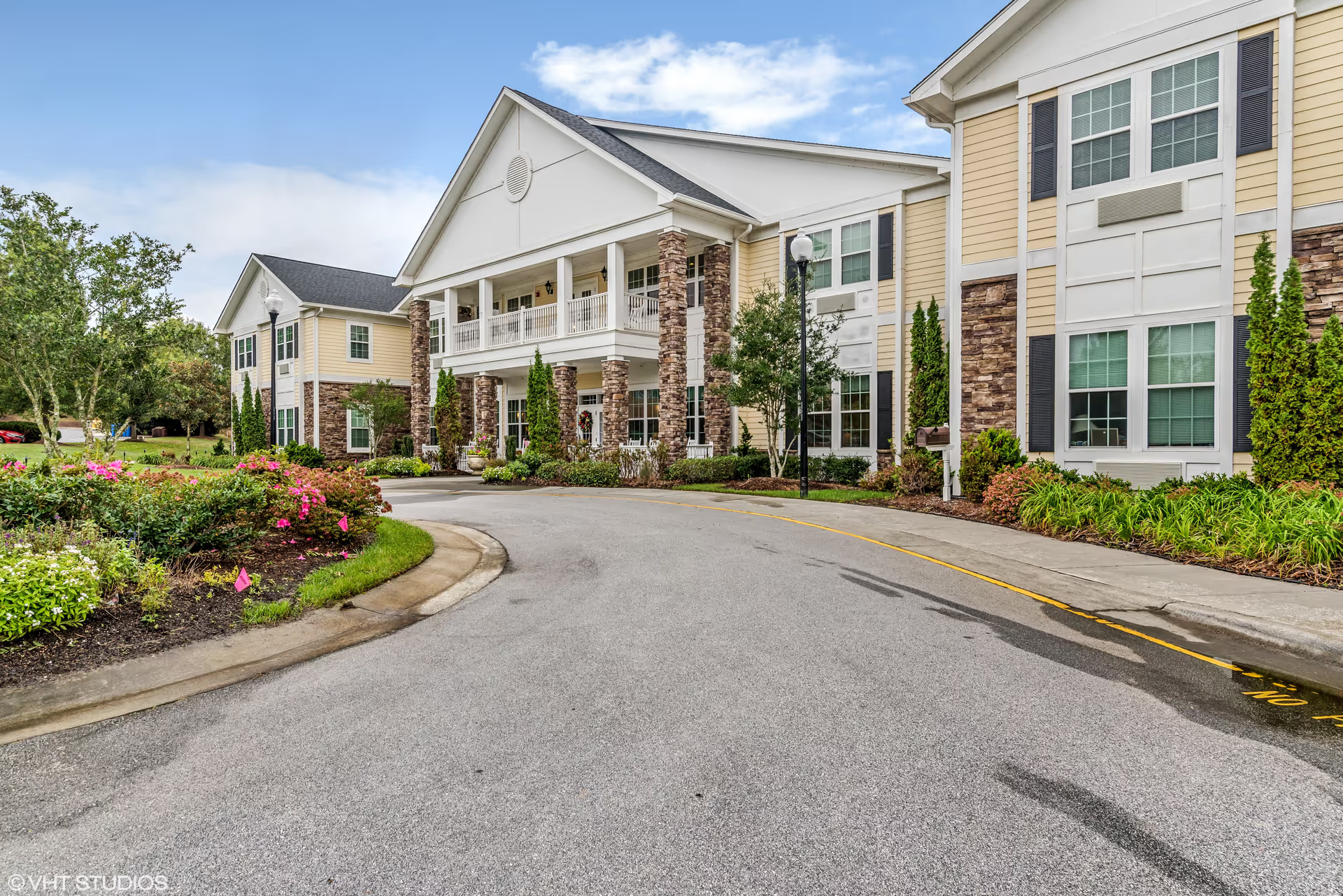
Charlotte Health & Rehabilitation Center elicits polarized impressions: its rehabilitation program and many frontline staff are frequently described as strong, while clinical oversight, long‑term nursing consistency, and some operational systems show recurrent weaknesses. The facility is repeatedly praised for its therapy services — large therapy spaces, diverse equipment, and specialized modalities including aquatic therapy and an underwater treadmill. Reviewers routinely note skilled therapists, individualized therapy plans, and a rehab environment that resembles a home setup (kitchen/bathroom/laundry mockups), which supports positive short‑term recovery outcomes and patient willingness to return for therapy.
Staff interactions are a clear strength in many accounts. Numerous families and patients describe compassionate, attentive CNAs, well‑groomed and welcoming reception staff, and dietary and housekeeping teams that contribute to a family‑like atmosphere. Common areas, dining rooms, and outdoor spaces are often described as clean and socially engaging; meal presentation and social dining opportunities are highlighted as positive contributors to resident well‑being. Admissions and intake processes are also noted as efficient and welcoming in several experiences.
Conversely, a recurring cluster of clinical and operational concerns emerges across reviews. There are consistent remarks about delayed responses to call bells and bathroom assistance, uneven hygiene and incontinence‑care practices, and gaps in medication administration protocols (including missed or incomplete vital checks before medication). Several accounts point to delays or failures in wound surveillance and escalation, which contributed to serious clinical interventions in isolated cases. These items suggest lapses in routine nursing oversight and inconsistent staffing levels, particularly overnight or during higher‑acuity situations.
Facility condition and maintenance present a mixed picture. Many reviewers describe clean, updated common areas and a well‑maintained therapy floor, while others report older or dingy patient rooms, broken fixtures, nonfunctional in‑room amenities, and delayed maintenance responses. Meal quality is likewise inconsistent: some describe restaurant‑style, flavorful service and appropriate dietary accommodations, while others report cold or overly soft meals. Safety and monitoring systems (door alarms, call systems, in‑room monitoring) were identified as unreliable in several accounts, creating potential supervision gaps.
Administrative and management experiences are also varied. Some families commend responsive leadership and an involved Director of Nursing who facilitates transitions, while other accounts highlight poor communication, billing errors, self‑pay complications, and serious allegations such as theft or room damage. There are references to concerns following resident deaths and end‑of‑life care experiences that families found unsatisfactory, indicating variability in high‑acuity and long‑term care practices.
In summary, Charlotte Health & Rehabilitation Center appears to offer robust, well‑resourced rehabilitation services with many dedicated therapy and support staff, clean communal areas, and active programming. However, prospective residents and families should be aware of documented inconsistencies in nursing responsiveness, medication and wound‑care processes, facility upkeep in resident rooms, safety/monitoring reliability, and administrative practices. When evaluating the facility, consider direct questions about staffing ratios (including overnight coverage), medication and wound‑care protocols, call‑bell response metrics, sanitation and pest‑control plans, maintenance turnaround times, and billing procedures; in‑person observations during different shifts and conversations with current families can help clarify whether the facility’s strengths align with your long‑term needs.