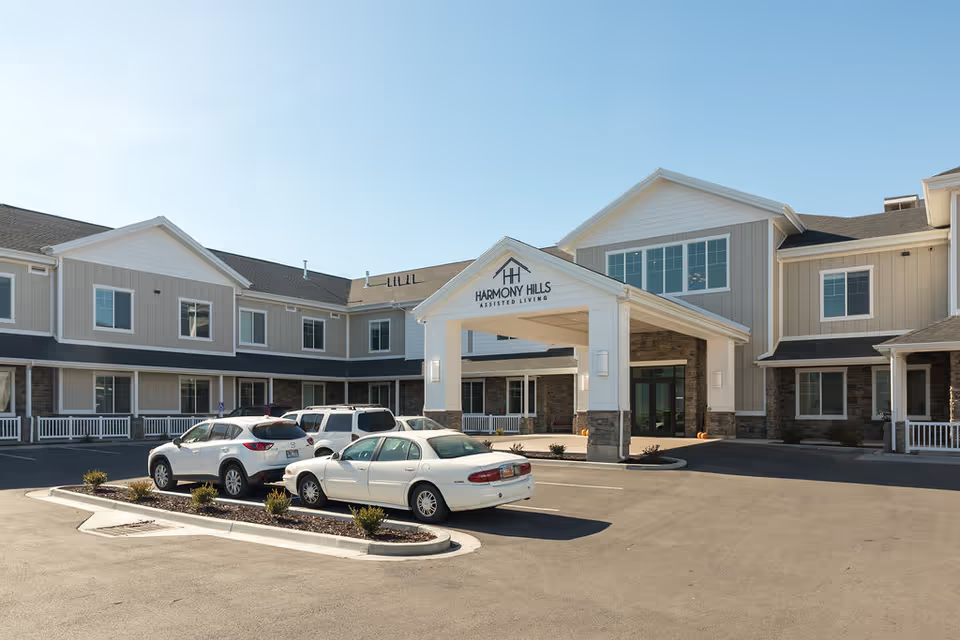
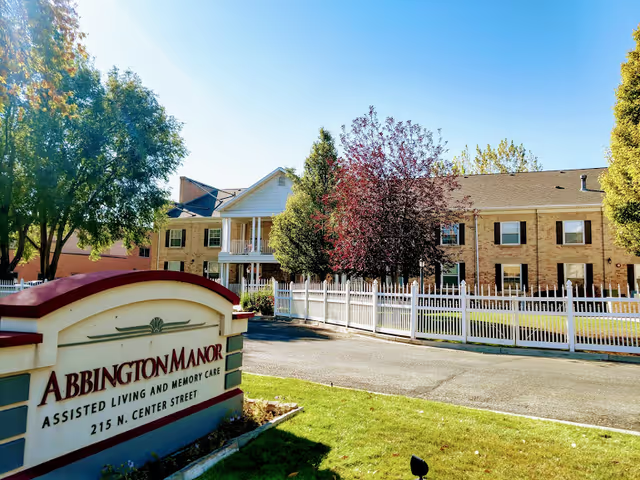
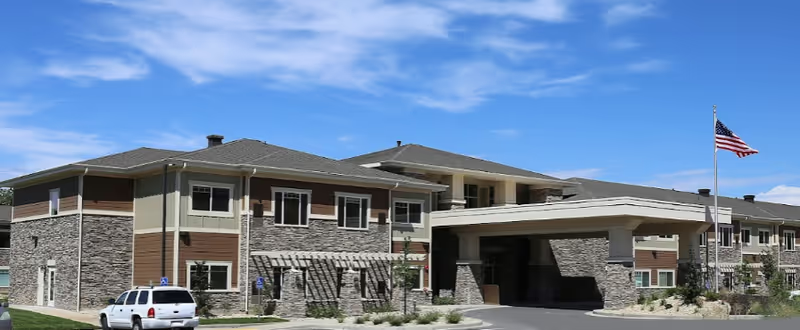
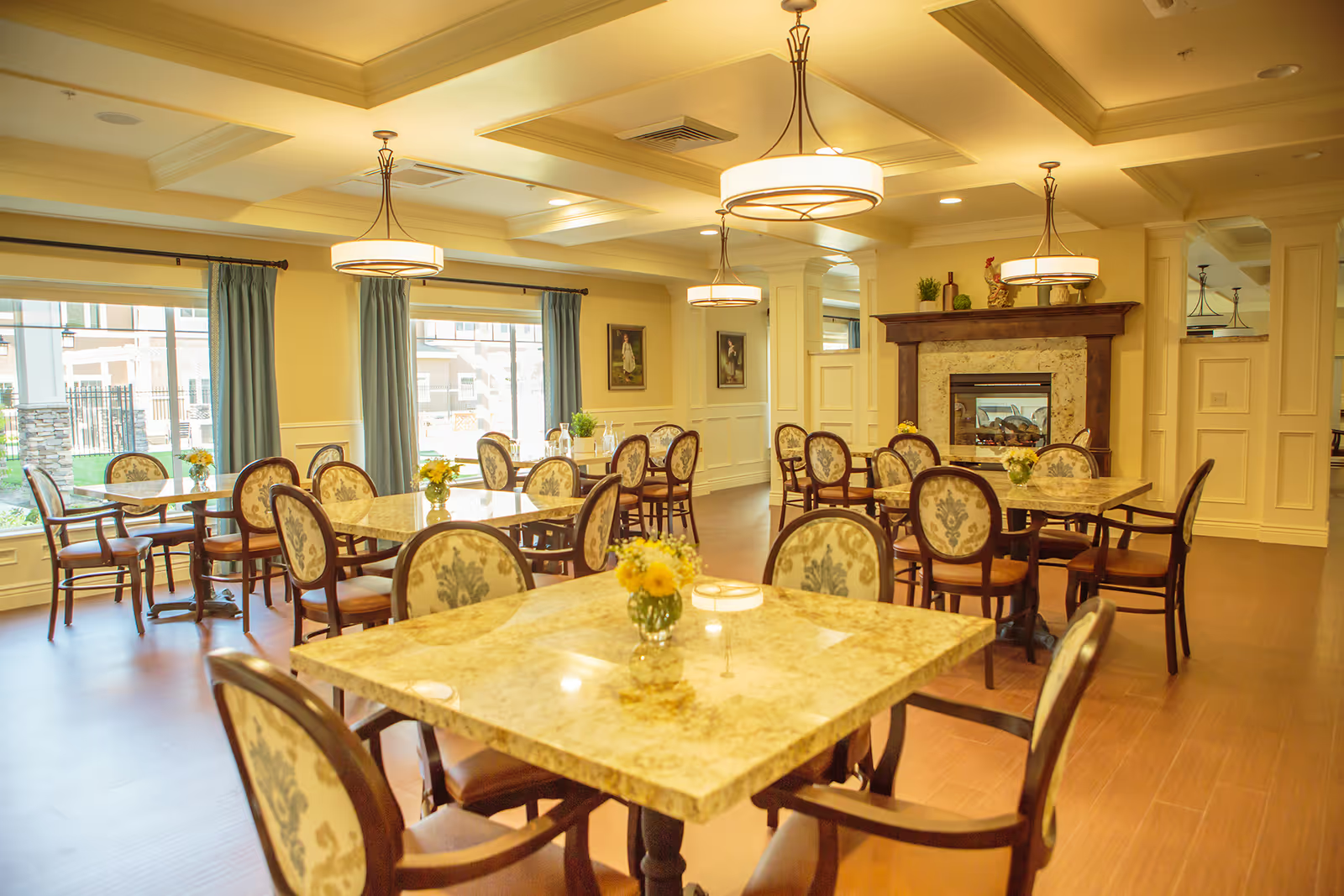
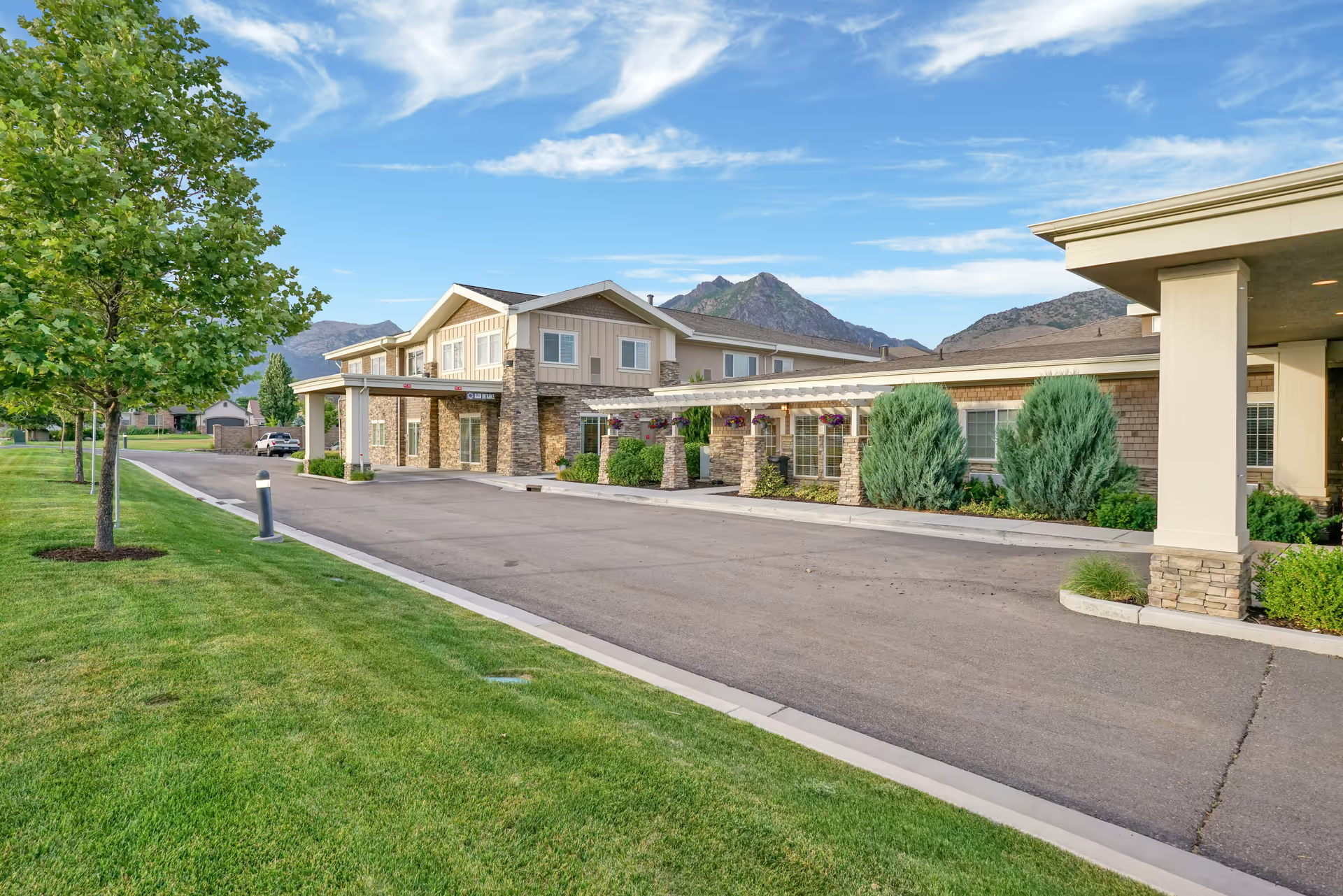
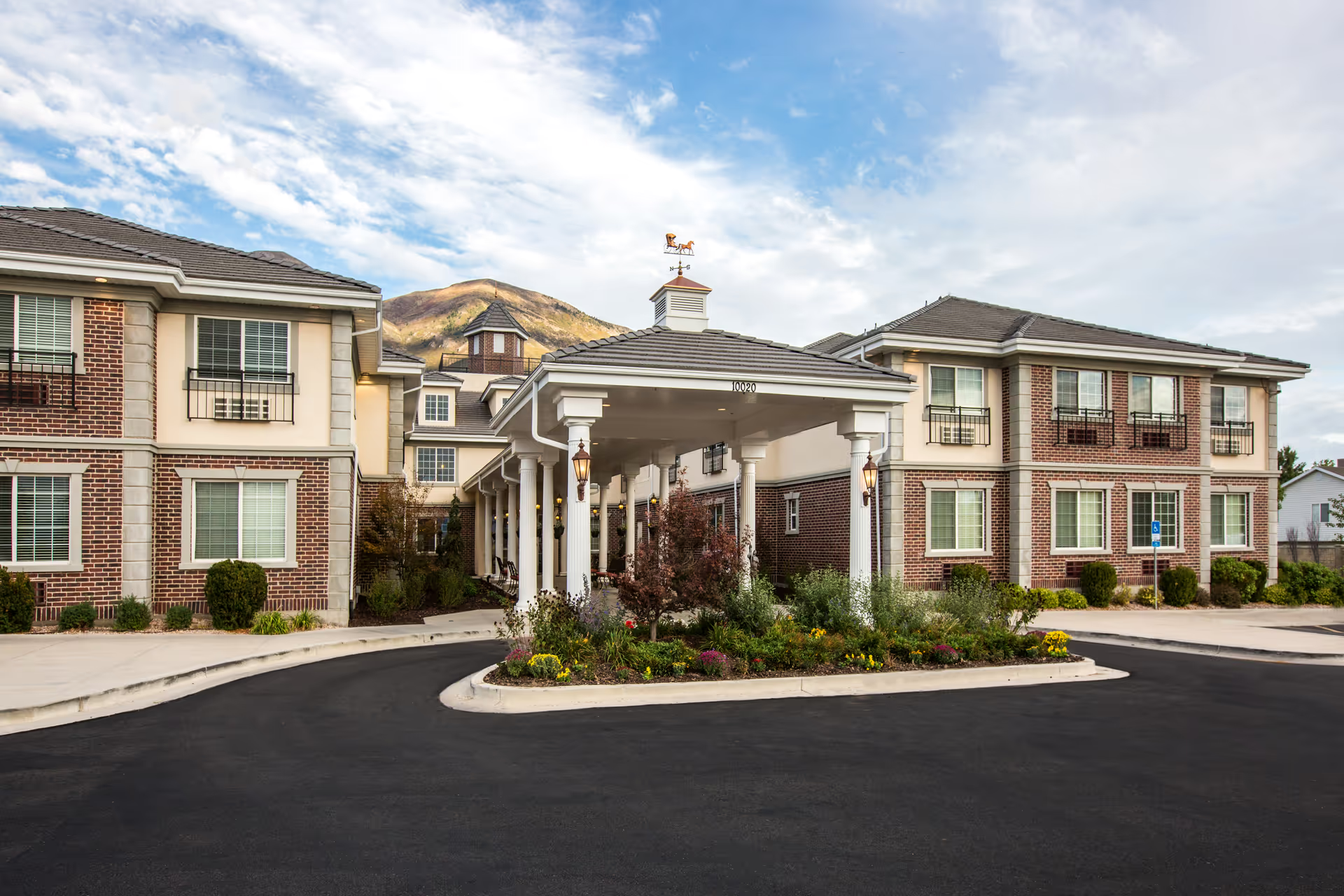
Pointe Meadows presents a mixed but informative profile. Reviewers consistently praise the facility's physical environment and rehabilitation resources: the building is described as new, clean, and well maintained, with large, comfortable rooms in many cases. The therapy department (physical and occupational therapy) and the recreation program are frequent strengths, cited for encouraging progress, attentive therapists, and a range of activities such as bingo and crafts. Administrative presence and front-desk staff are often seen as welcoming, and hospice services are available for end-of-life support.
Clinical care impressions are variable. Many families and residents commend individual caregivers — especially specific CNAs and several nurses — for compassionate, respectful interactions and good pain and medication management. At the same time, a recurring pattern of operational weaknesses appears: understaffing or inconsistent staffing levels correlates with delayed responses to call lights and slower attention to resident needs. Several accounts describe delayed recognition of acute changes in condition or slower escalation, which reviewers interpret as gaps in clinical-incident recognition and escalation protocols. Staffing variability also translates into uneven caregiving quality, with CNAs' conduct and responsiveness described as inconsistent across shifts.
Dining and dietary services draw mixed reactions. Positive comments note menu variety and responsiveness when dietary needs are requested, while negative feedback highlights inconsistent food quality, meal preparation preferences (for example, nutrient-enhanced or low-sodium formulations that some residents disliked), occasional dietary-order errors, and service lapses on certain days. These comments suggest variability in meal-service continuity and dietary-order accuracy that prospective residents should clarify during tours.
Operational and safety issues are another recurrent theme. Reviewers point to communication gaps between staff and families, frequent turnover among care coordinators, and instances of disorganization that affect admission readiness, room moves, and transitions of care. Some accounts raise safety concerns such as near-fall risk, transfer- and emergency-response practice gaps, and inconsistent admission preparation or sanitation-control standards. There are also serious financial-control concerns in the feedback, including allegations of missing or mishandled personal items and at least one allegation of theft; these items warrant direct inquiry with facility management and documentation review.
Overall, Pointe Meadows appears to offer strong rehabilitation services, an engaging activities program, and a generally well-kept physical environment, supported by many compassionate individual staff members. However, the facility also shows patterns of operational inconsistency: staffing and responsiveness challenges, communication shortfalls, procedural gaps around admissions/discharges and medications, and personal-belongings controls. Prospective residents and families should weigh the therapeutic and environmental strengths against these operational risks, and when visiting, ask specific questions about staffing ratios, call-light response protocols, care-coordinator stability, medication and discharge procedures, belongings handling policies, and the ability to sample or observe mealtimes.