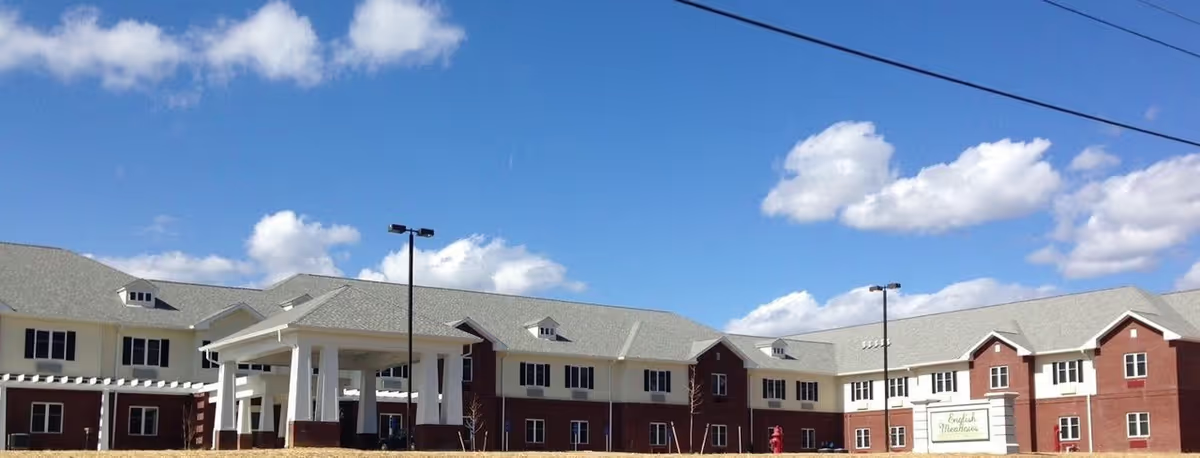
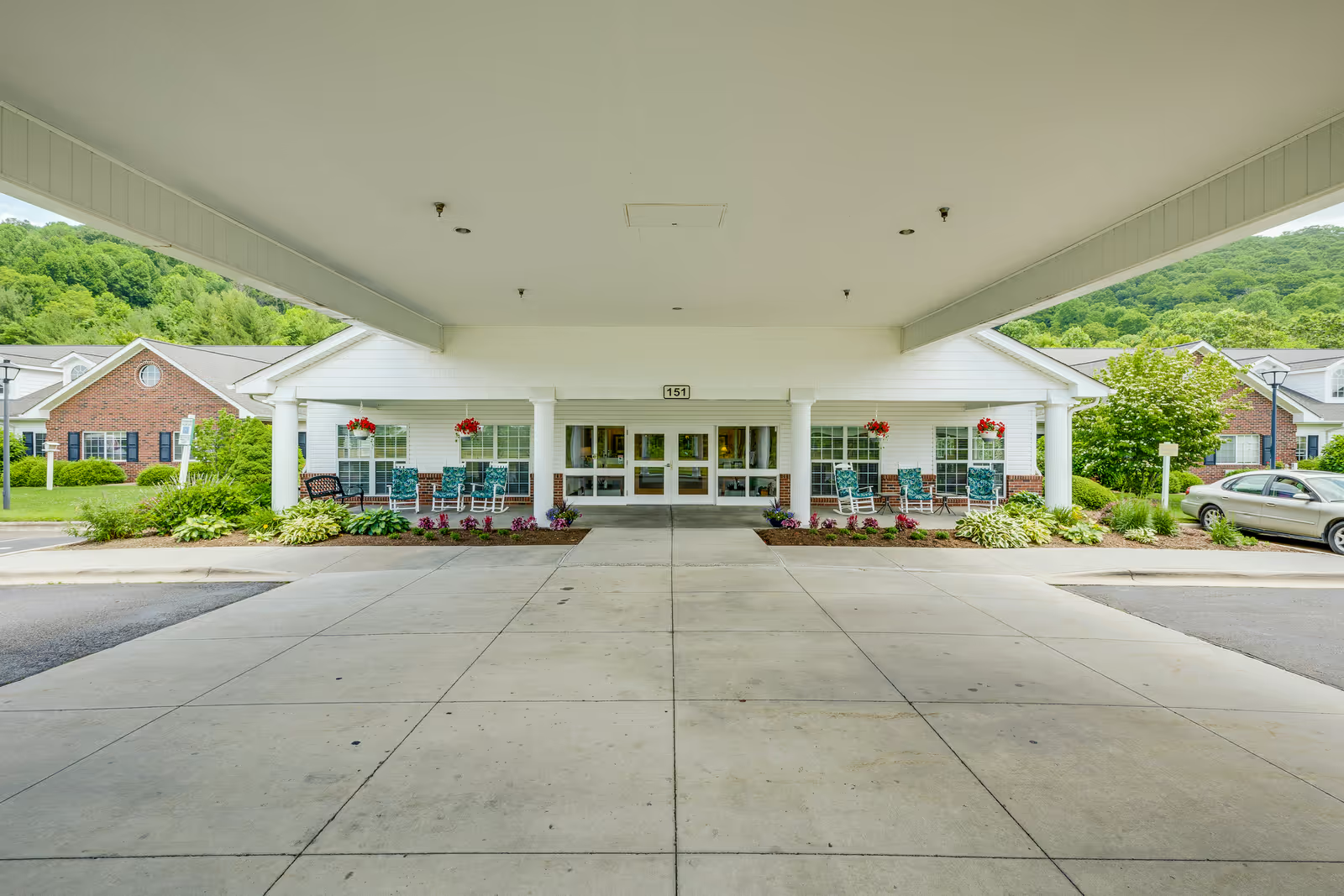
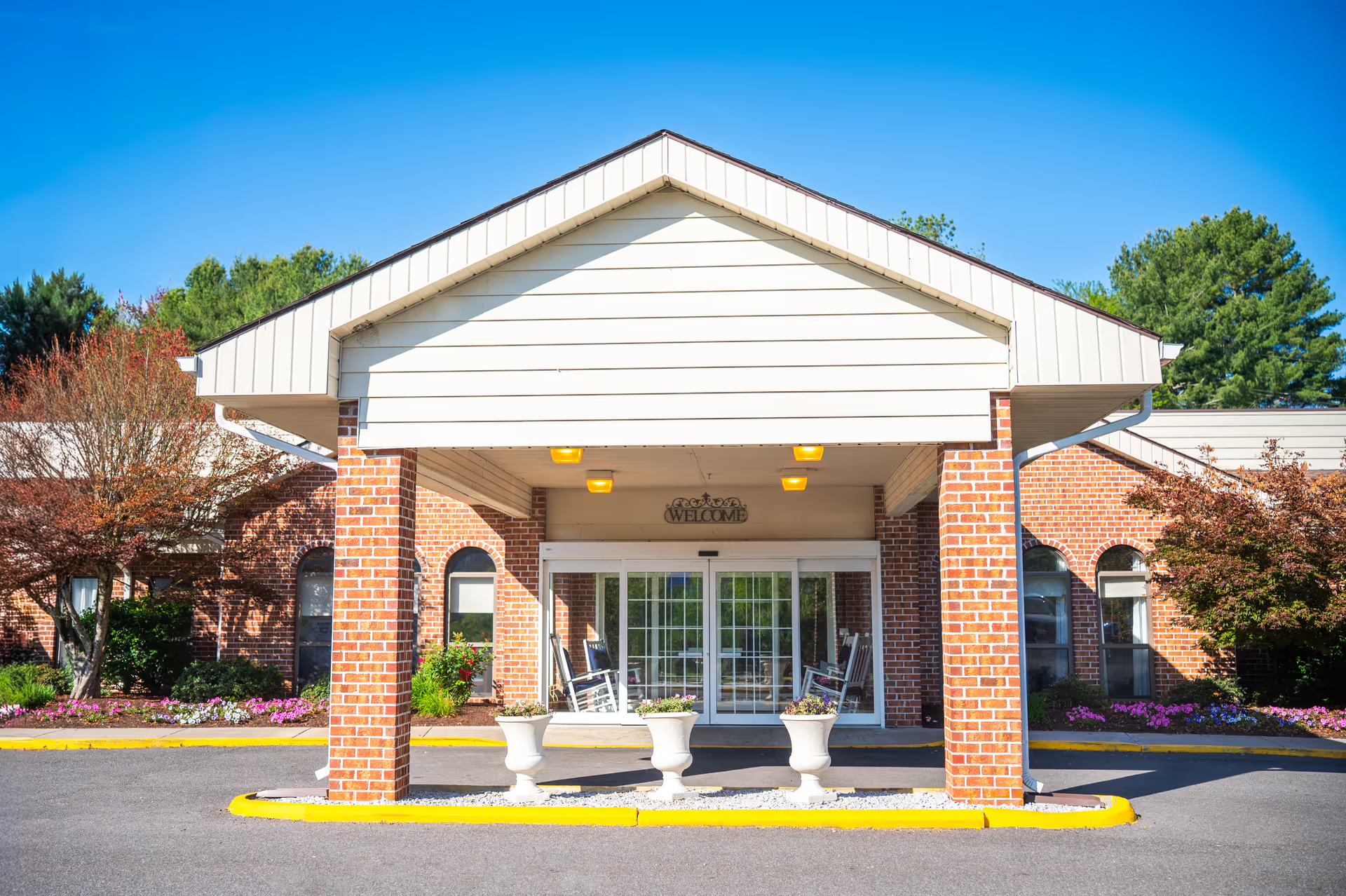
The reviews present a split picture in which interpersonal strengths coexist with operational weaknesses. Many reviewers emphasize the quality of day‑to‑day interactions: staff are repeatedly described as compassionate, professional, and helpful, and front‑desk and floor personnel are often singled out for putting families and residents at ease. The facility’s dining and social programming are frequently praised — meals are described as enjoyable and activities as engaging — and the building’s appearance, cleanliness of rooms, and security/evacuation readiness are noted as positives.
At the same time, recurrent operational concerns emerge across multiple accounts. Chronic understaffing and limited nursing coverage on each floor are the most consistent themes; reviewers link staffing shortfalls to delays in attending to residents, slower responses to alarms or call bells, and variability in basic care tasks. Several families expressed unease about medication practices, citing instances of medication changes or poor documentation that created uncertainty about clinical oversight. These medication‑management issues combine with reports of inconsistent communication and variable bedside manner to create notable family concerns about clinical coordination and transparency.
Rehabilitation services and maintenance are additional areas of mixed performance. Some reviewers described physical therapy as inadequate for their expectations or needs, suggesting limited intensity or availability. Facility‑level upkeep appears uneven: while many areas are clean and well kept, others show maintenance backlogs and isolated sanitation or odor concerns in common areas. A few accounts also indicate perceived prioritization of admissions toward lower‑acuity or more compliant residents, and some families interpreted certain decisions as reflecting financial priorities rather than strictly clinical ones.
Overall, prospective residents and families are likely to find strong interpersonal care and a pleasant physical environment in many parts of the facility, but should also be alert to systemwide issues that can affect daily experience: staffing levels, medication practices, therapy availability, and ongoing maintenance. When evaluating the facility in person, it may be useful to ask specific questions about current staffing ratios, medication‑management and documentation protocols, rehabilitation schedules, and recent maintenance or sanitation remediation efforts to get a clearer sense of how the facility is addressing these operational challenges.