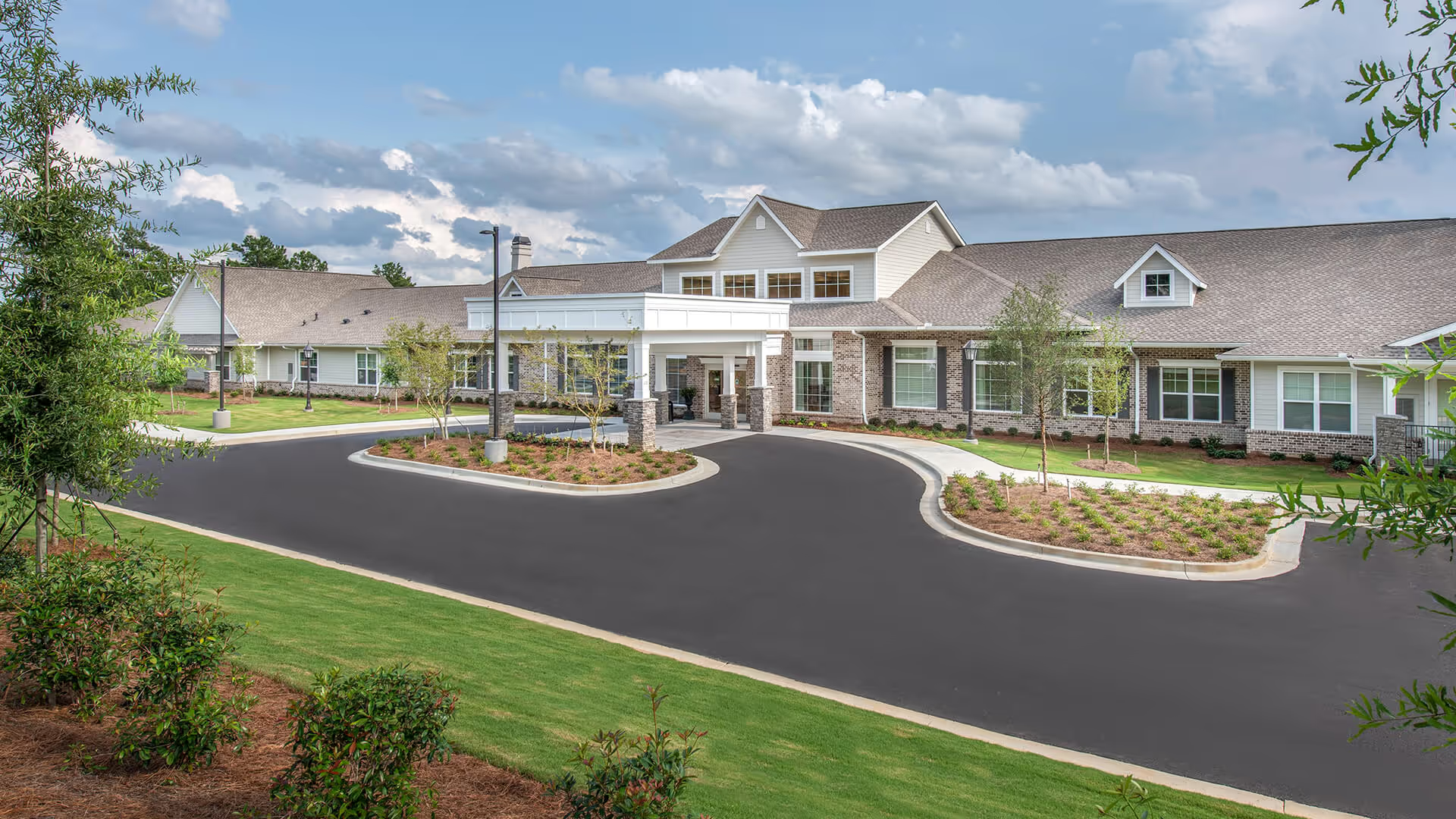
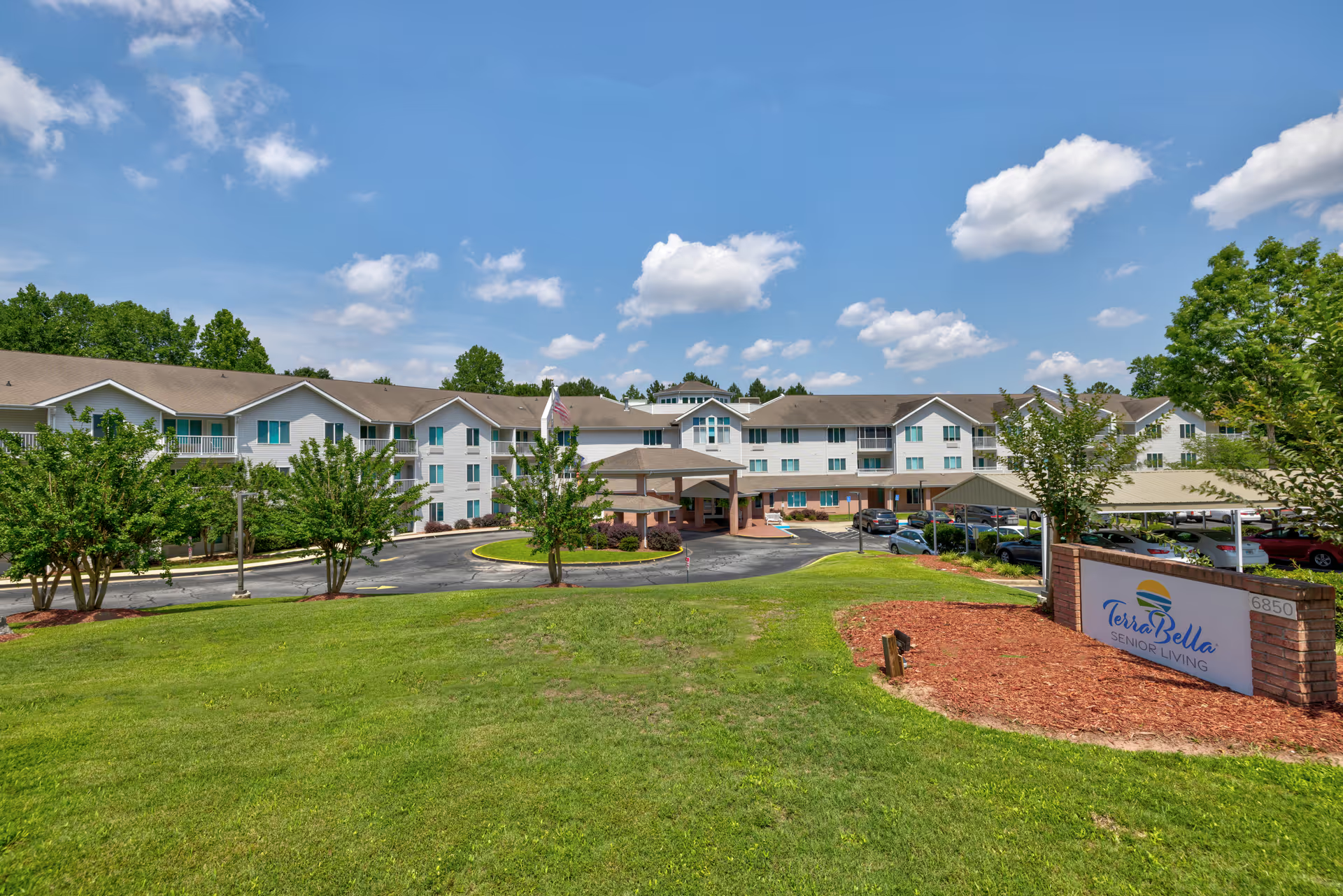
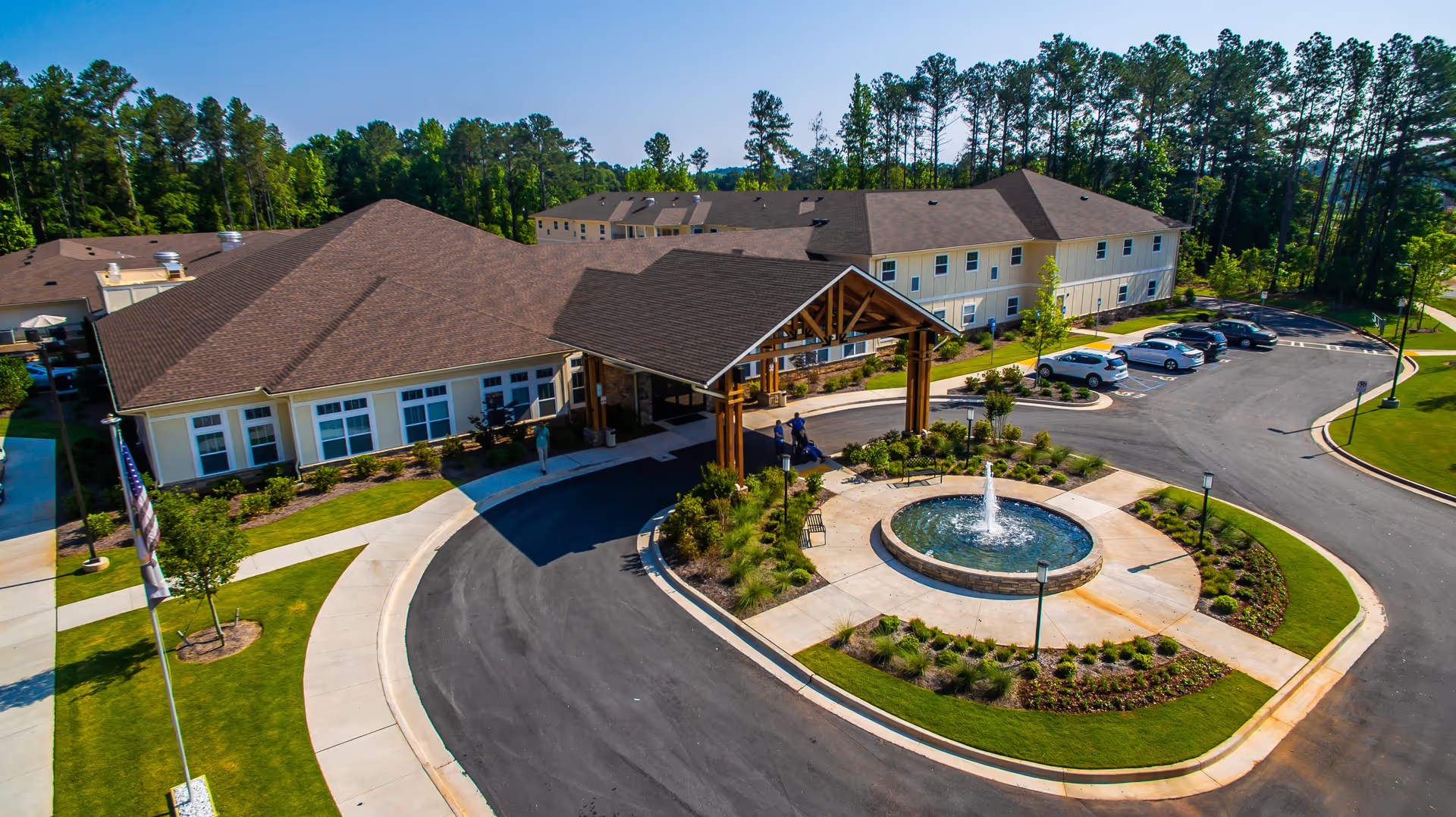
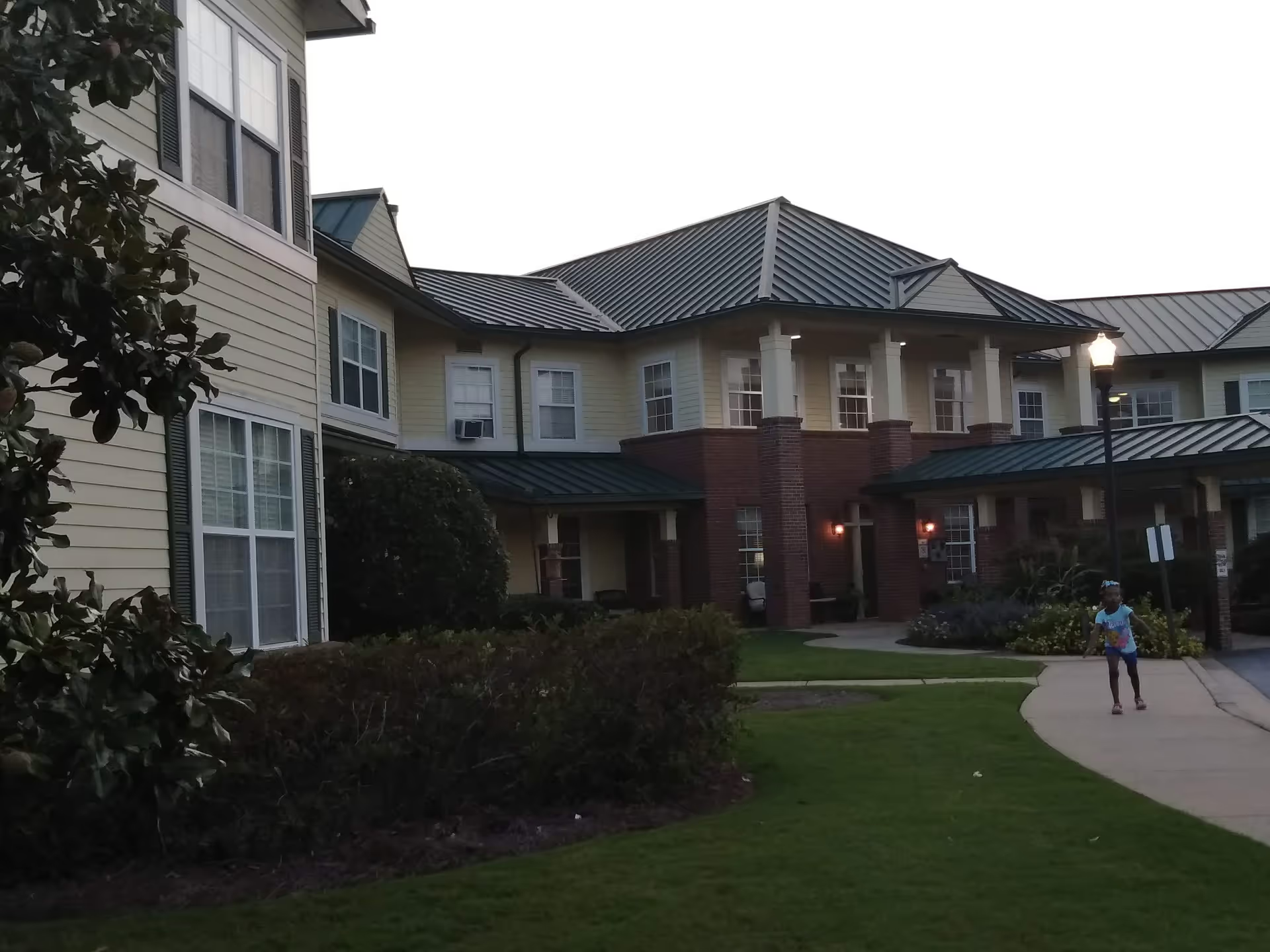
Overall impression: The Phoenix at Opelika is frequently described as an attractive, well-kept community with a strong social culture and a high level of visible hospitality. Reviews emphasize friendly, devoted staff, a family-like atmosphere, and leadership that is perceived as engaged and resident-focused. Many comments highlight the facility’s décor, cleanliness, comfortable apartments, and onsite amenities, which together create a welcoming environment for residents and visitors.
Care and staff: Staff behavior is the most commonly praised element — reviewers use terms such as kind, helpful, and devoted to describe nursing, dining, and front-desk employees. Onsite therapy and home-health services receive positive mention, as does memory-care programming and the activities coordinator. That said, there are consistent concerns about staffing reliability: reviewers indicate that staffing levels and care quality may vary by shift, particularly overnight and on second/third shifts. Families describing care concerns emphasize delays in responsiveness and want clearer communication from staff and management when issues arise.
Dining and activities: Dining is generally well regarded for menu variety, desserts, and attentive wait staff; some reviewers also appreciate takeout/dine-in flexibility. The community offers an extensive activities program and is praised for creating a home-like transition, with specialized memory-care activities singled out for quality. Operational notes include occasional variability in meal consistency and at least one practical limitation in payment processing (inability to add tips on card), which families should clarify when arranging services.
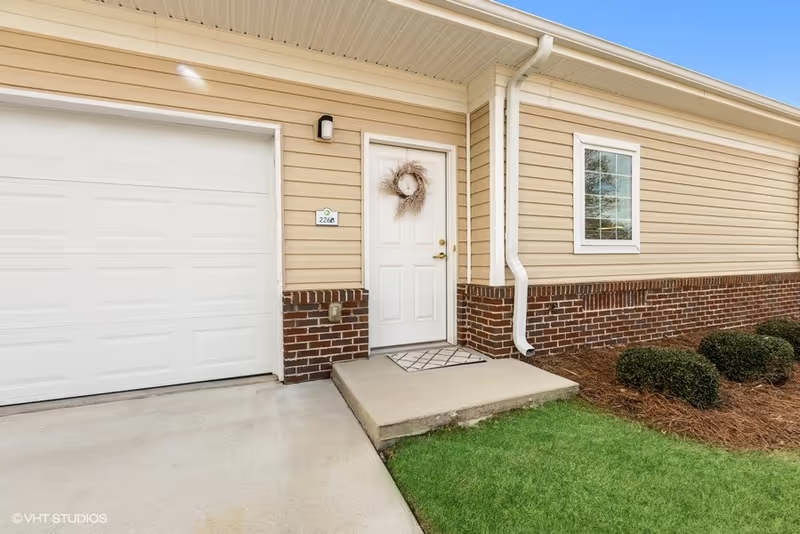
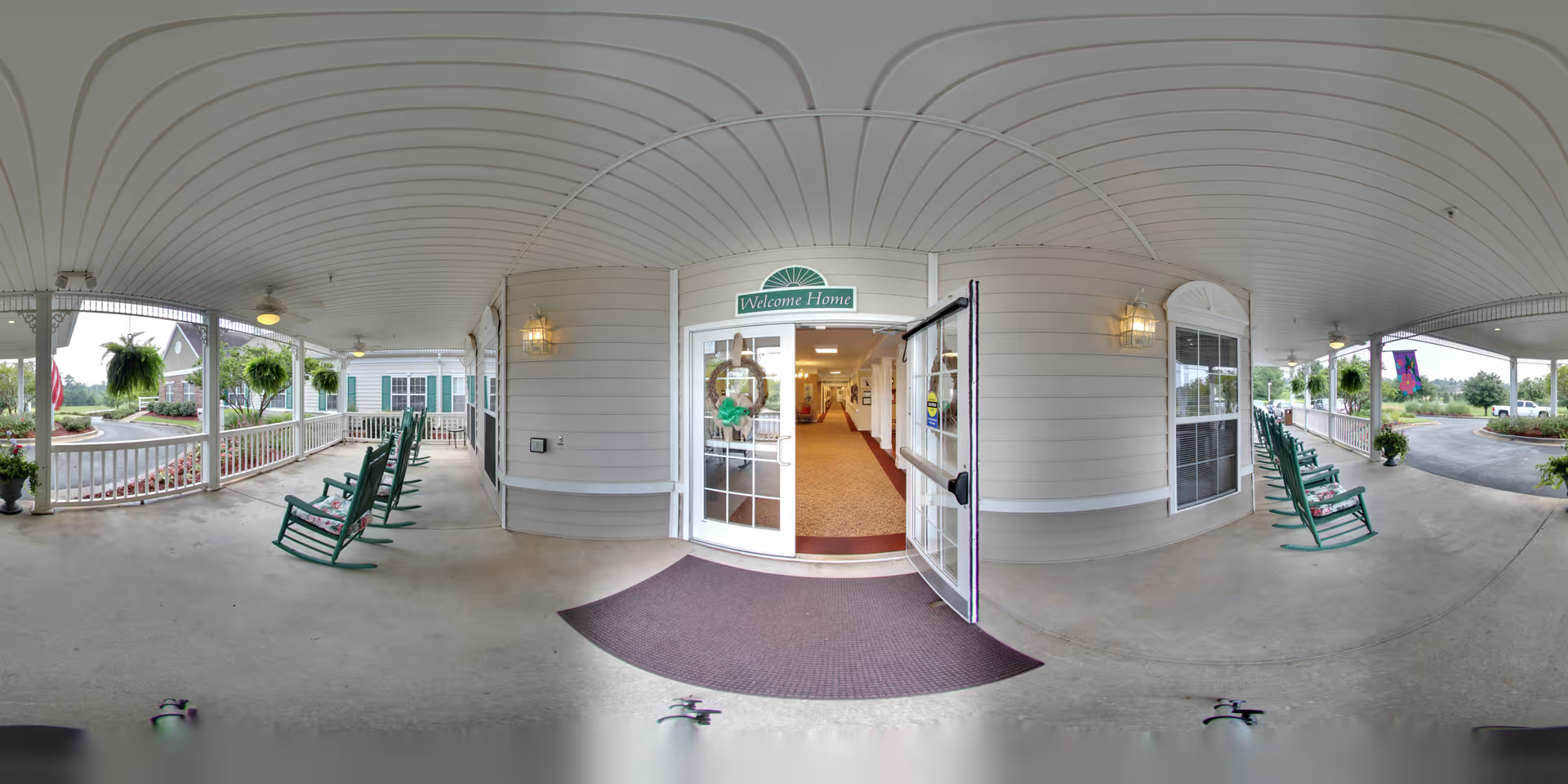
Facilities and safety: The facility’s physical plant is a frequent strength: landscaped grounds, a guarded campus, pool and outdoor play areas, and well-decorated common spaces are repeatedly noted. Apartments and common areas are described as clean, comfortable, and safe. These features contribute to residents’ sense of independence and peace of mind.
Management and notable patterns: Leadership and individual staff members receive commendation for going above and beyond, but several reviewers indicate that appearance and new construction do not always equate to consistent clinical coverage. Concerns about unclear policies for residents with progressive decline or end-of-life needs have been raised; some families perceive a risk that declining clinical needs could lead to difficult conversations about continued residency. Prospective residents and families should ask direct questions about staffing ratios by shift, protocols for escalating clinical needs, end-of-life and transfer/discharge policies, and the community’s process for family communication and incident follow-up.
Recommendation guidance: The Phoenix appears well suited for people who value an engaged social environment, attractive accommodations, and active programming. To evaluate clinical consistency, plan multiple visits including evenings or overnight stays, request written staffing and clinical-protocol information, verify payment and tipping procedures, and speak with management about how the community handles progressive care needs and family communications. These steps will help align expectations about the community’s strengths and operational limits.