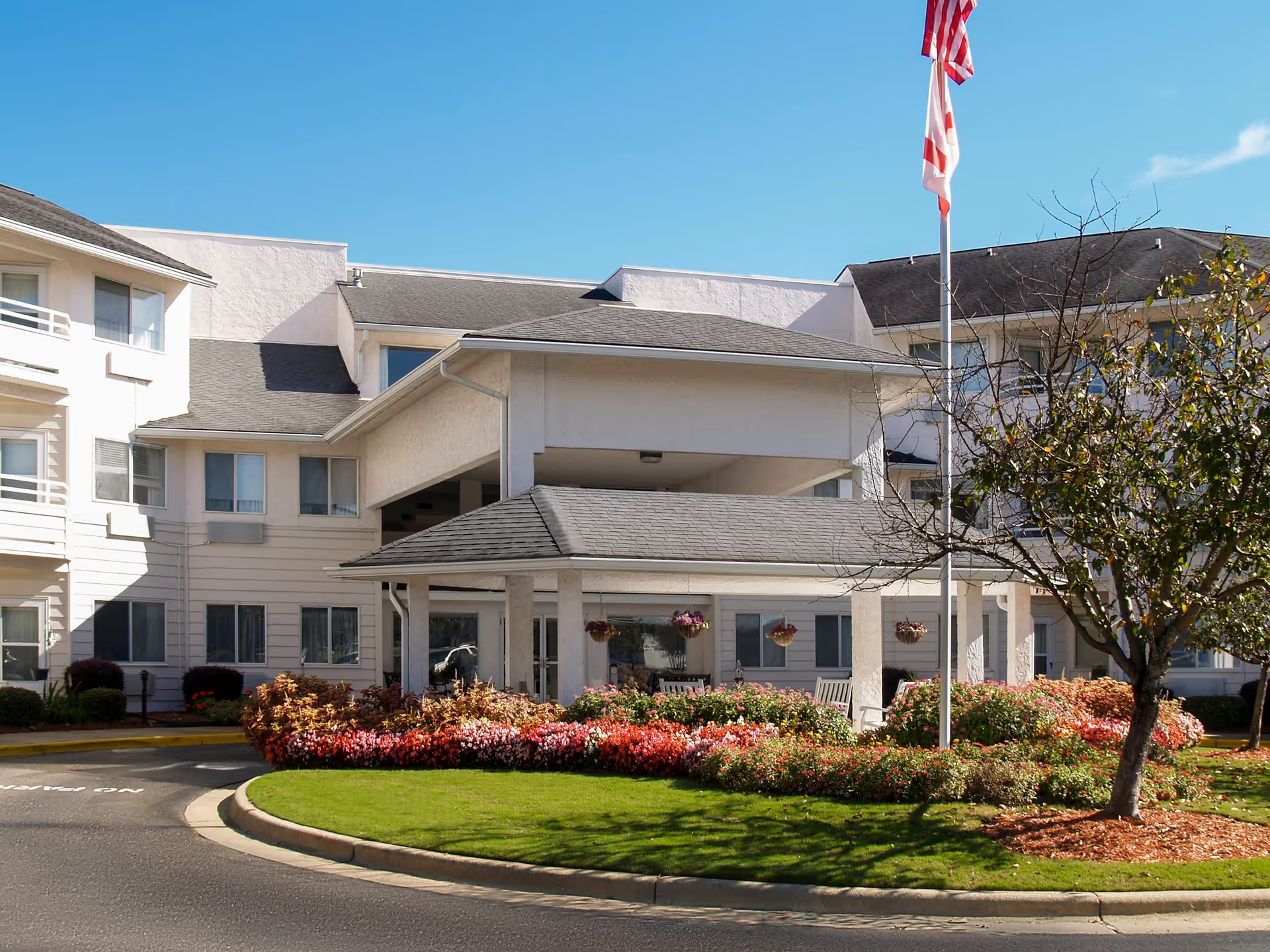
Overall impression: Reviews present a mixed but primarily positive view of Park Place, with substantial praise for clinical caregivers and the rehabilitation program alongside a set of operational weaknesses that recur in independent accounts. Many families and patients emphasize compassionate, professional nursing and therapy staff, a clean and welcoming facility, and effective interdisciplinary cooperation. At the same time, several reviews describe serious isolated clinical and administrative failures that suggest gaps in systems and consistency.
Care quality and clinical staff: Nursing, CNAs, and therapists are frequently described as attentive, respectful and professional. Physical therapy and rehabilitation receive particularly strong endorsement for helping residents progress after stroke or acute illness; reviewers note goal-oriented therapy plans and visible functional improvement for many patients. Prompt assistance with activities of daily living and timely therapy sessions are cited as strengths. However, some reviews raise concerns about wound and infection management, indicating inconsistency in clinical follow-up and escalation for certain residents. These accounts point toward variability in clinical performance between shifts or units rather than a uniform standard facility-wide.
Therapy, activities, and recovery focus: The facility's rehabilitation orientation is a consistent strength. Families report effective PT/OT services, coordinated therapy plans, and positive discharge preparation when therapy goals are met. Activities and a homelike environment are mentioned positively, supporting morale and a comfortable setting for recovery. Nonetheless, a subset of reviewers experienced disappointing therapy outcomes or felt progress was inadequate, which suggests uneven therapy effectiveness or differences in case complexity and expectations.
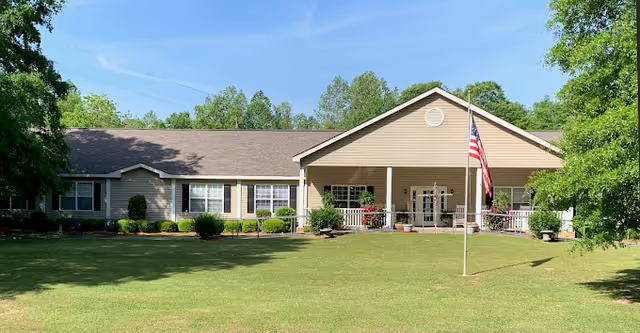
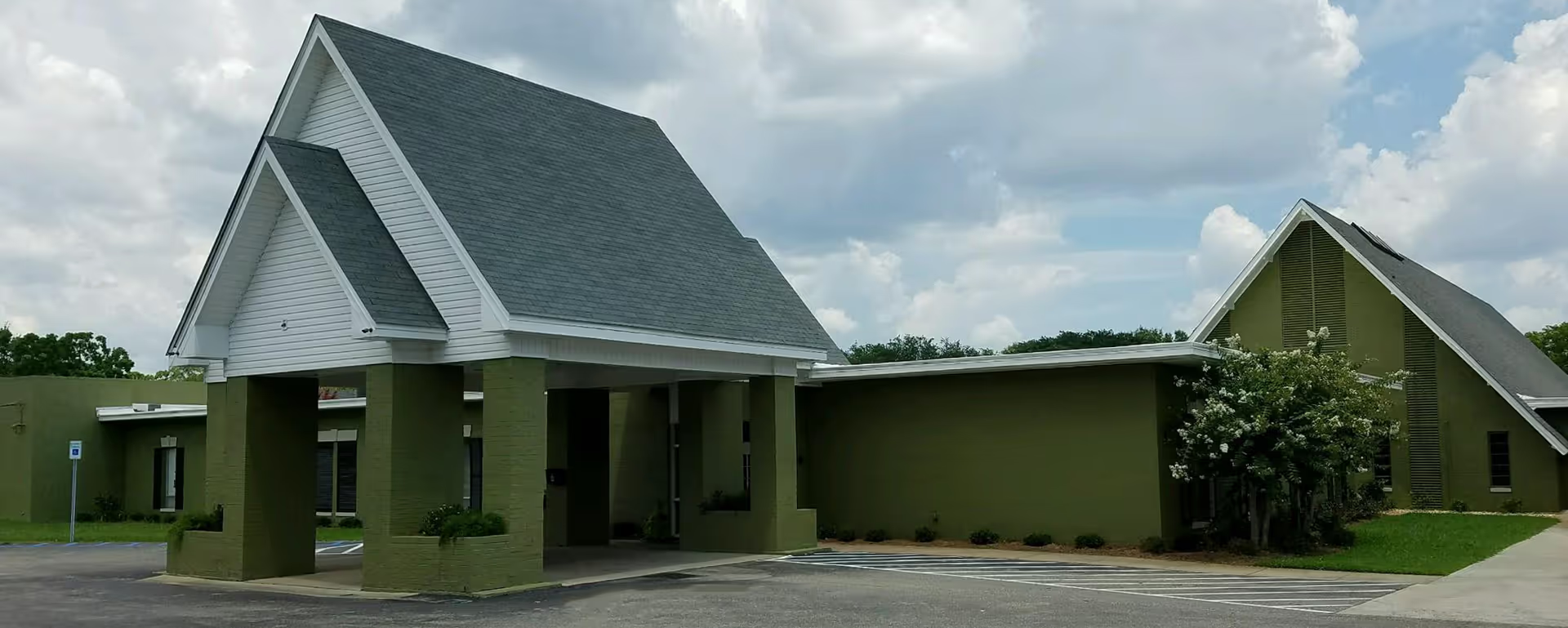
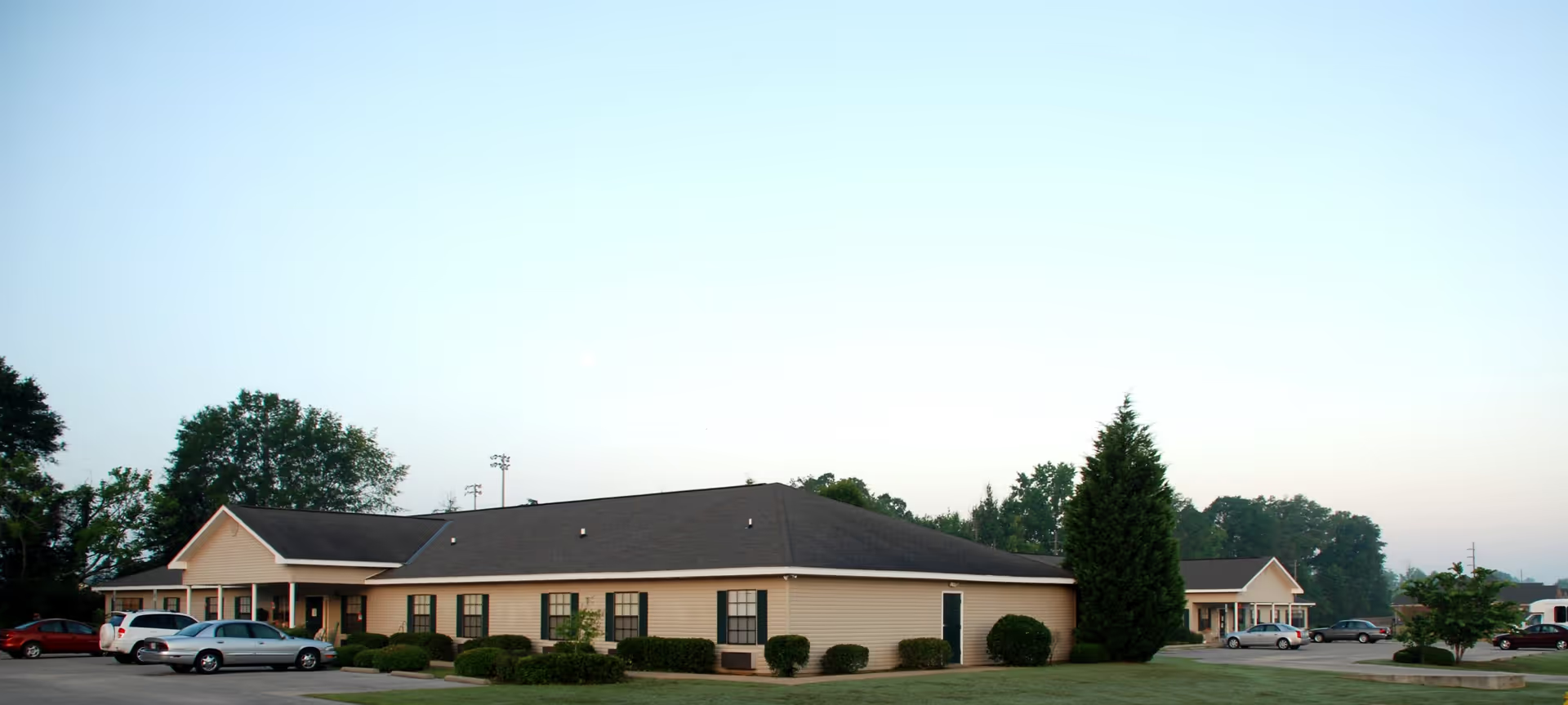
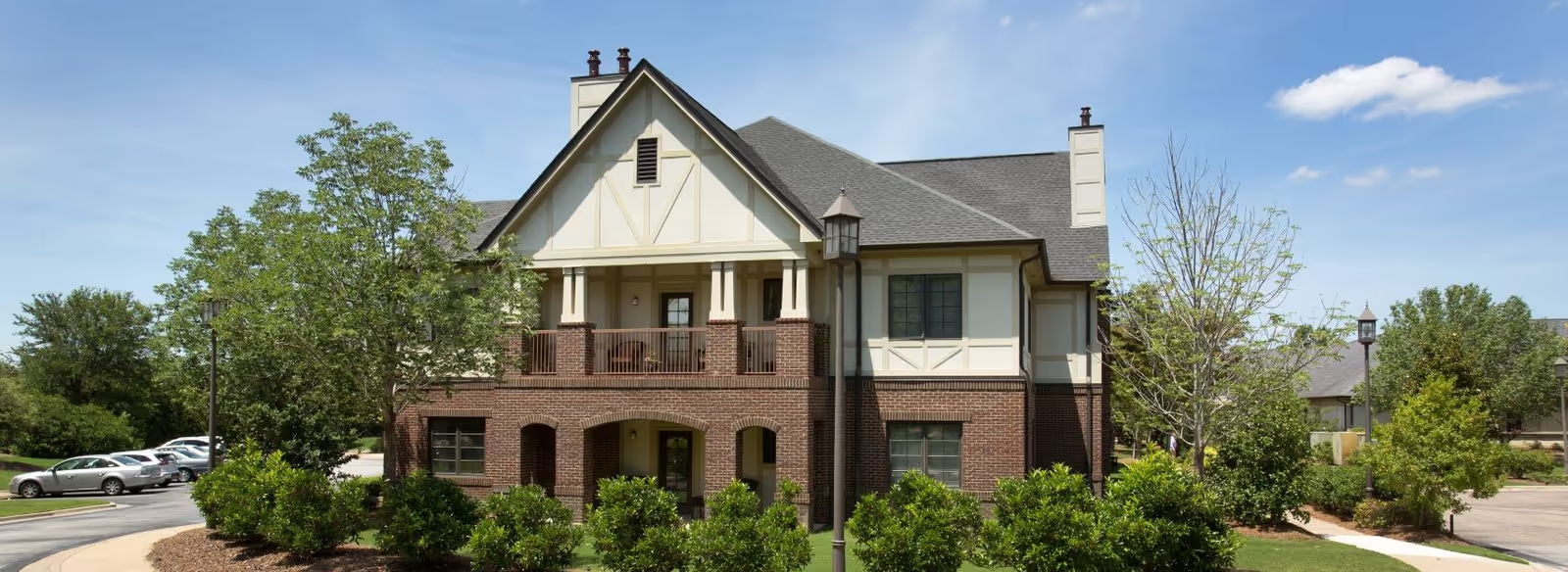
Facilities and dining: Park Place is repeatedly described as a beautiful, well-kept, and welcoming center with comfortable communal spaces. Cleanliness and a homelike atmosphere are noted as contributors to resident dignity. Direct commentary on dining is limited; however, a few serious concerns about nutrition and meal coordination appear in the record and indicate that meal delivery and nutritional monitoring warrant careful inquiry during a tour or admission conversation.
Management, communication, and administration: Administrative strengths include friendly admission staff and clear information about insurance and timelines for many families. Conversely, reviews identify operational weaknesses in communication, particularly around incident notification, bed availability, and billing/customer-service responsiveness. Examples include difficulty connecting with residents, delays in family notification of clinical events, and challenges securing a bed following hospitalization. These items point to system-level issues in bed management, documentation practices, and family communication protocols.
Safety, property, and incident handling: Several reviewers describe events that suggest gaps in incident documentation and follow-up—examples include alleged unreported falls, missing personal items, and inconsistent escalation of clinical concerns. These indicate needs for stronger property safeguards, incident-reporting workflows, and clearer family notification processes. A small number of reviews reference very serious outcomes, including concerns following a resident's death; such accounts are individual and severe and underscore the importance of verifying current quality measures, staffing patterns, and regulatory history when evaluating the facility.
Conclusion and practical advice: Park Place shows clear strengths in compassionate bedside care, an effective rehabilitation program, and a well-maintained, welcoming environment. At the same time, operational inconsistencies—particularly around wound/infection management, incident documentation and family communication, bed/discharge coordination, property safeguards, and some aspects of nutrition—emerge frequently enough to merit direct questions during a visit. Prospective residents and families should consider an in-person tour, ask for current staffing ratios and incident-reporting procedures, review recent quality metrics or inspection reports, and discuss specific care plans (including wound care, nutrition, and contingency planning for hospital stays) before admission.