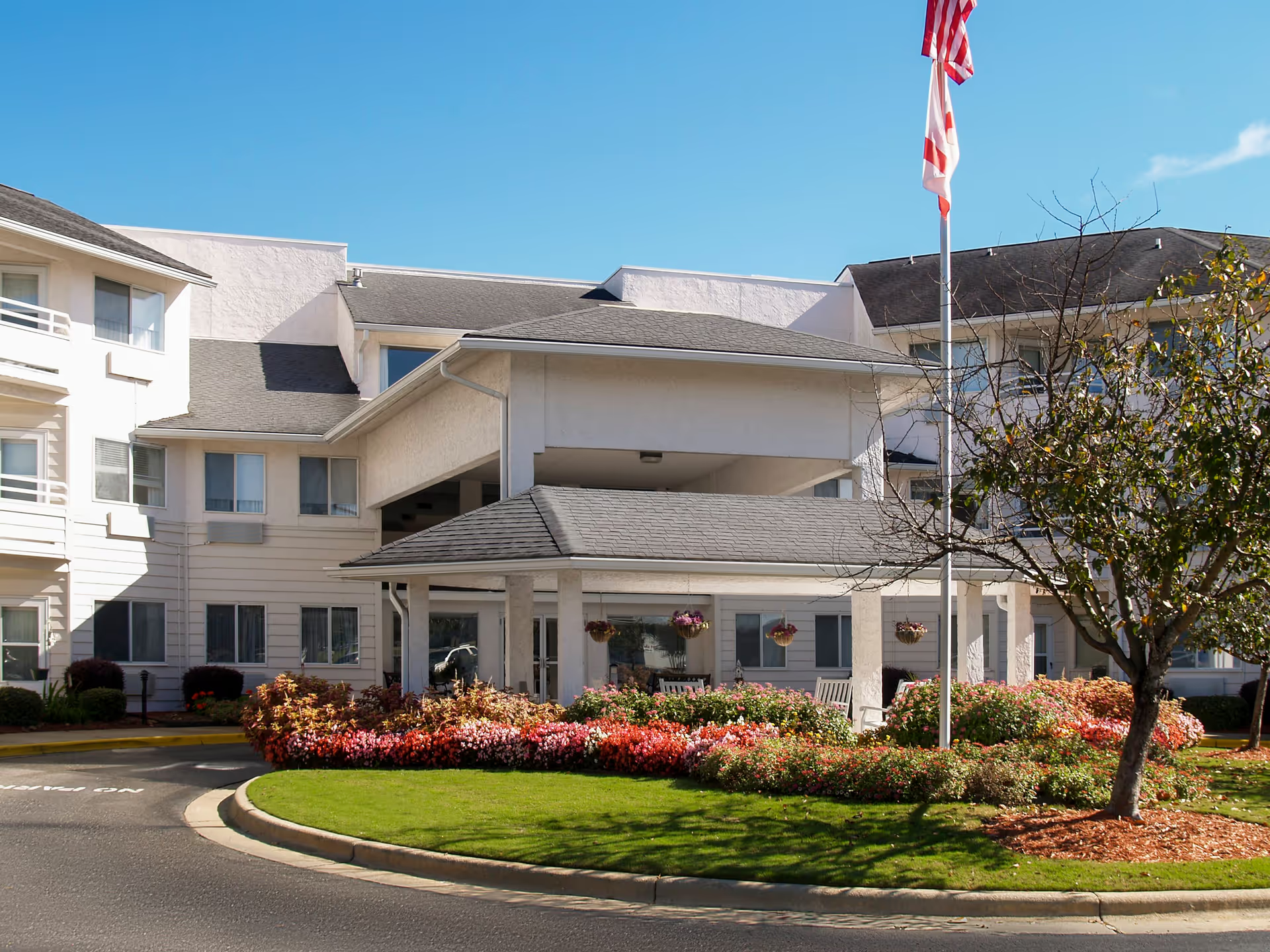
These reviews present a polarized picture of Selma Health and Rehab: several families describe attentive, skilled clinicians and therapists who aided recovery, while others report serious operational and safety concerns. Strengths cited include compassionate, patient-focused nursing, a capable physical- and occupational-therapy program, recently refurbished rooms, and generally positive dining experiences for some residents. Individual staff members were singled out for exemplary service, and some families reported improved clinical status and peaceful end-of-life care.
Care quality appears uneven. Positive accounts emphasize effective nursing and therapy interventions that contributed to measurable improvement. Conversely, other reviews raise concerns about medication administration processes, delays in responding to resident needs, and inconsistent care across shifts. There are also multiple references to fall-related injuries and transfer-safety problems, suggesting gaps in safe-mobility protocols and staff training that merit specific inquiry.
Staff performance is described as a mix of strengths and variability. Daytime and named staff are frequently characterized as polite, engaging, and timely; however, reviewers also note inattentiveness, unanswered call signals, and marked differences between shifts (notably nights). These patterns point to staffing and supervision inconsistencies rather than uniformly poor or uniformly excellent conduct.
Dining and daily-access issues appear similarly mixed. Several reviewers praised the food quality and meal service, while others reported meals not served on schedule and difficulty obtaining drinks or snacks between meals. These accounts suggest intermittent breakdowns in meal-service continuity and resident access to nourishment.
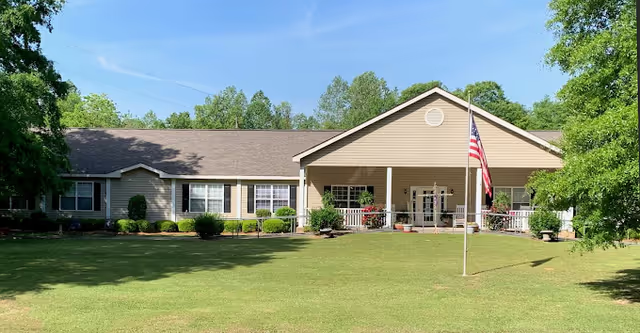
Facility and infection-control observations are divergent. Some reviewers described clean, well-maintained common areas and refurbished rooms. Other accounts allege sanitation failures, infection-control lapses (including transmission concerns), and inconsistent use of personal protective equipment, with at least one review linking such issues to a hospital transfer. These are significant operational concerns that bear verification through inspection records and facility policies.
Management and operational practices show recurrent themes: inconsistent communication with families, problems tracking and returning residents' personal items and laundry, and slow or insufficient clinical incident escalation. Allegations of theft and property loss further indicate weaknesses in property-inventory and accountability systems. Together with reported variability in rehab access, these themes point to systemic process gaps rather than isolated personnel problems.
Notable patterns: the facility elicits strongly positive experiences from some families and serious safety or service concerns from others. Prospective residents and family members should consider an on-site visit at different times of day (including evenings/nights), ask for current infection-control policies, medication-administration protocols, staffing ratios, fall-prevention and transfer procedures, and documentation of property/laundry controls. Reviewing recent inspection reports and speaking directly with therapy, nursing, and administrative leadership can help clarify which of the divergent patterns are more characteristic of current operations.