Senita Ridge elicits a mixed but informative pattern of experiences. Many families praise the frontline caregiving team, describing compassionate interactions, long-term caregivers, and individualized care plans. Housekeeping and laundry turnaround are frequently called out as reliable, and the campus environment — multiple courtyards, well-maintained grounds, spacious rooms, and locked memory-care areas — is consistently noted as a strength. Life-enrichment offerings are robust in many parts of the campus, with activities such as daily walks, arts-and-crafts, music, bingo and exercise classes, and staff facilitate virtual visits and family contact.
Care quality is perceived unevenly across the facility. Positive accounts highlight qualified clinical staff, quick responses from unit staff, and higher-acuity medical capability in some units. However, there are clear patterns of concern: staffing levels are frequently described as inconsistent, supervisory continuity has been variable, and families report gaps in dementia-specific training. Those operational traits have translated into worries about responsiveness, inconsistent follow-up after move-in, and questions about pressure-injury prevention and other clinical safeguards in some areas. Notably, one element that recurs is a contrast in quality between medical-care units and the memory-care unit, suggesting unit-to-unit variability in day-to-day practice.
Dining and housekeeping receive both praise and criticism. The facility offers a flexible menu, a clean dining room, and reliable laundry/housekeeping services. At the same time, families call out inconsistent meal temperature control and occasional variability in food quality. Administrative processes generate frustration for some families because of paperwork burden and follow-up delays; these communication lags also appear in coordination with hospice and other external providers.
Activities and social engagement are strengths in parts of the campus where the life-enrichment director and staff are active: scheduled programs, outings, live entertainment and multiple seating areas support socialization. Yet activity levels are uneven; some units are described as low-activity or less engaged, and family members are advised to confirm program frequency and participation during tours.
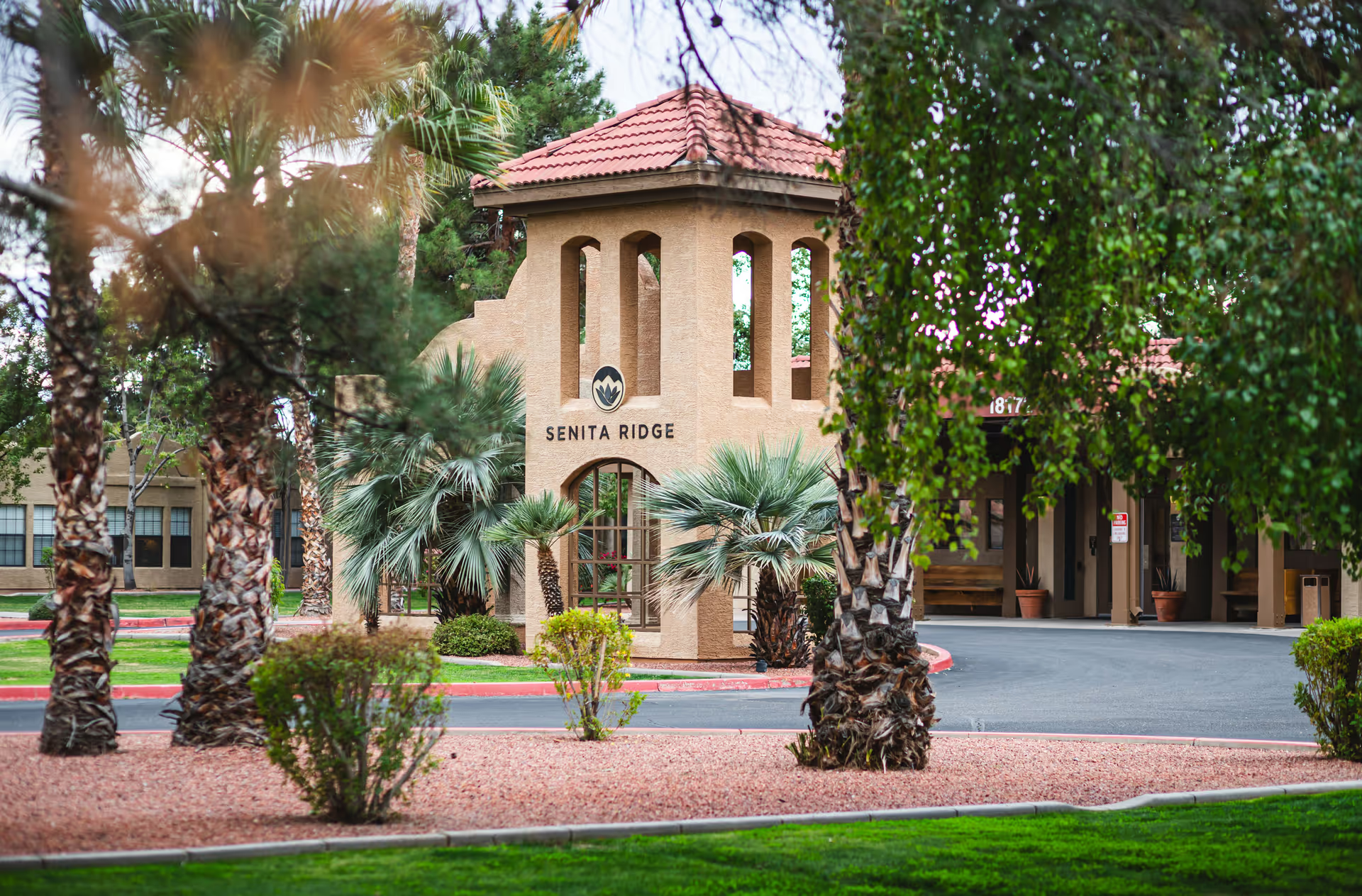
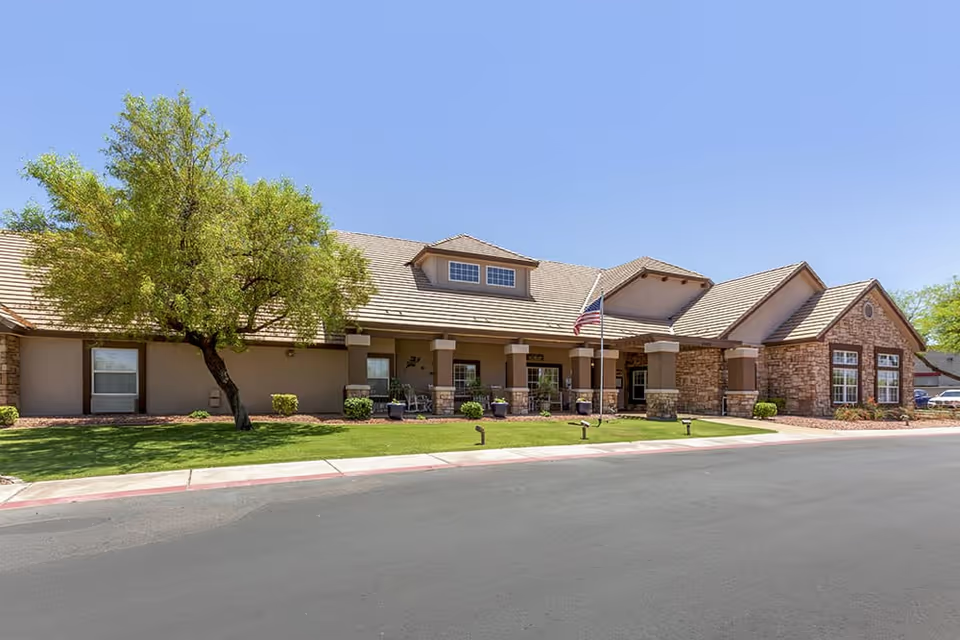
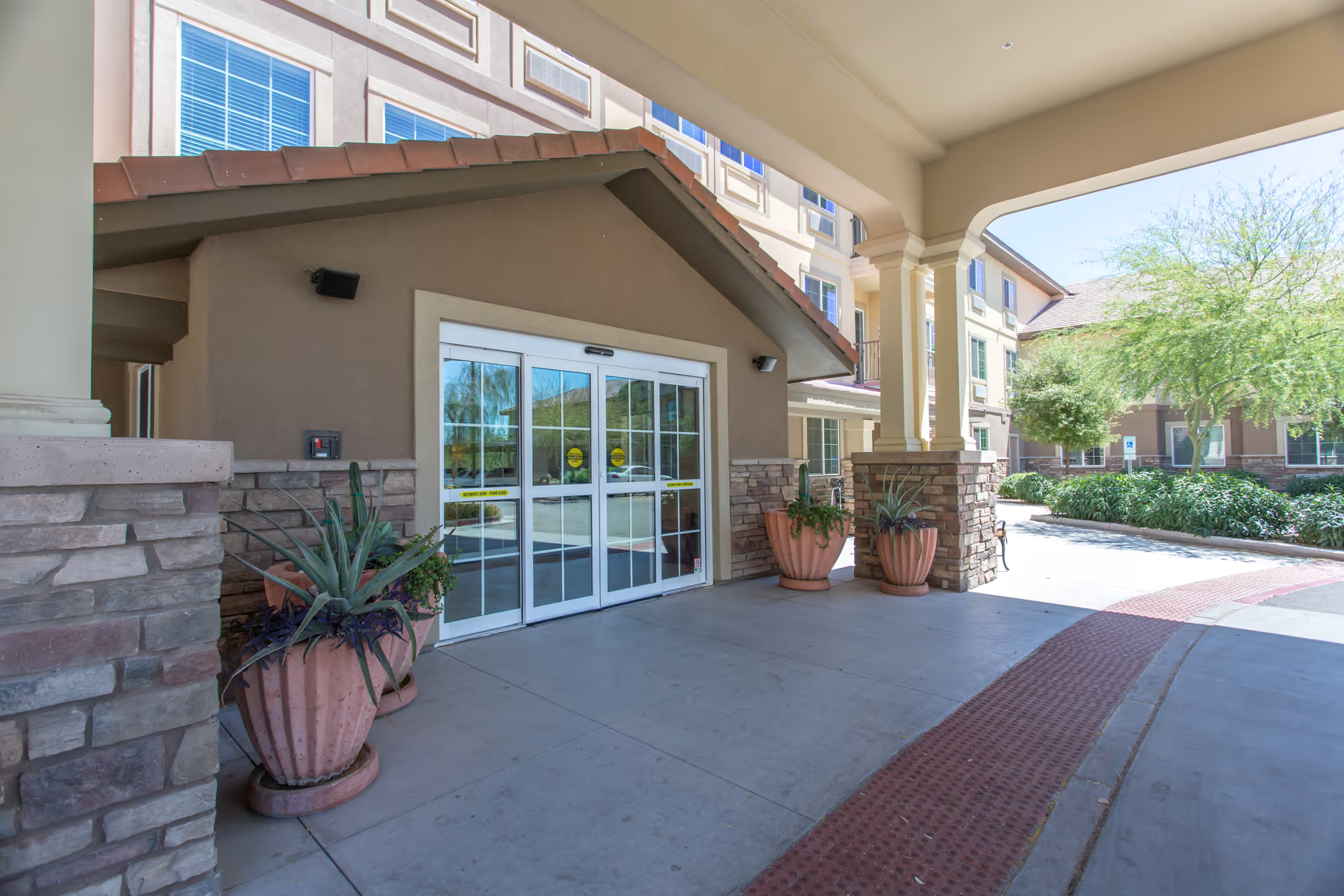
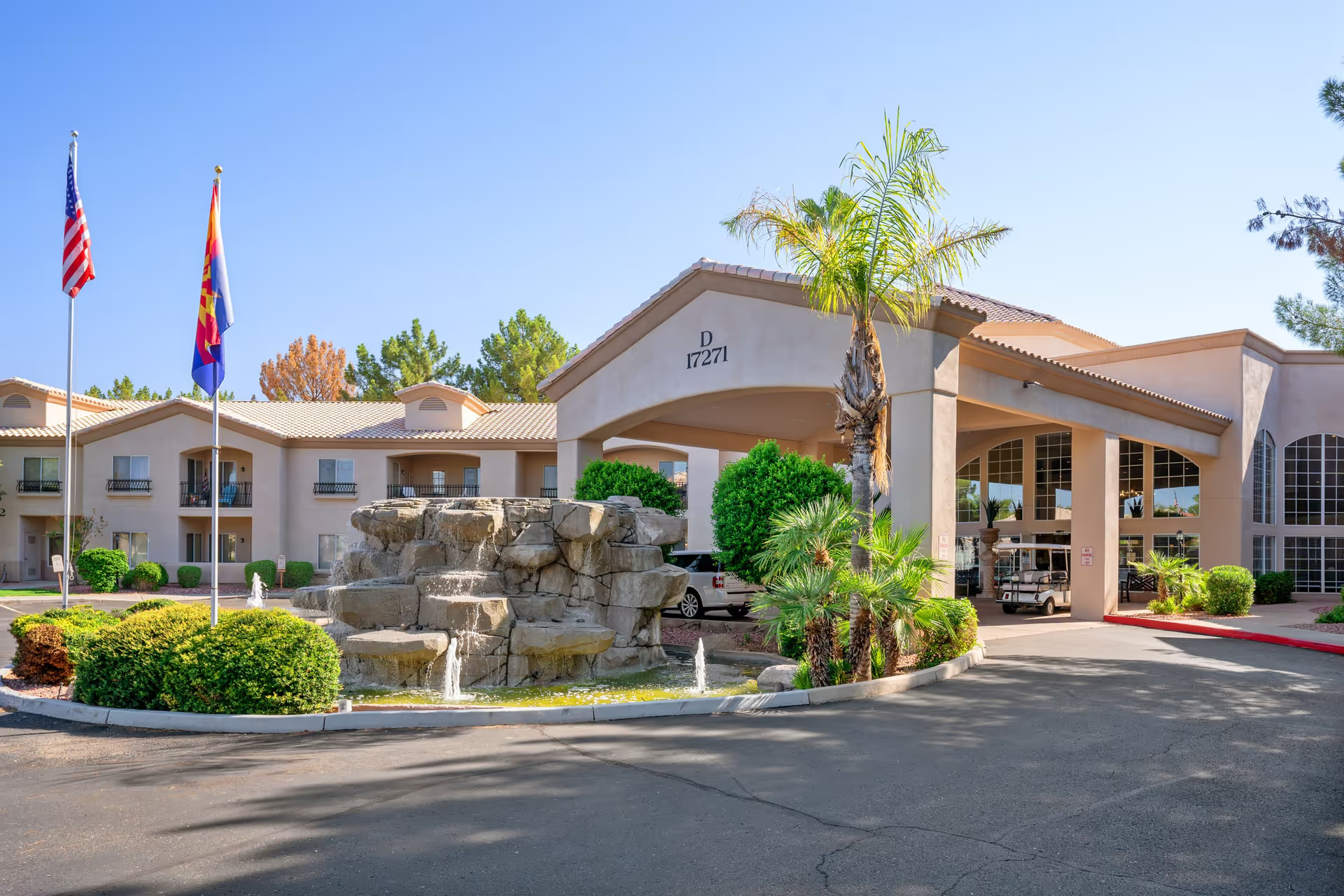
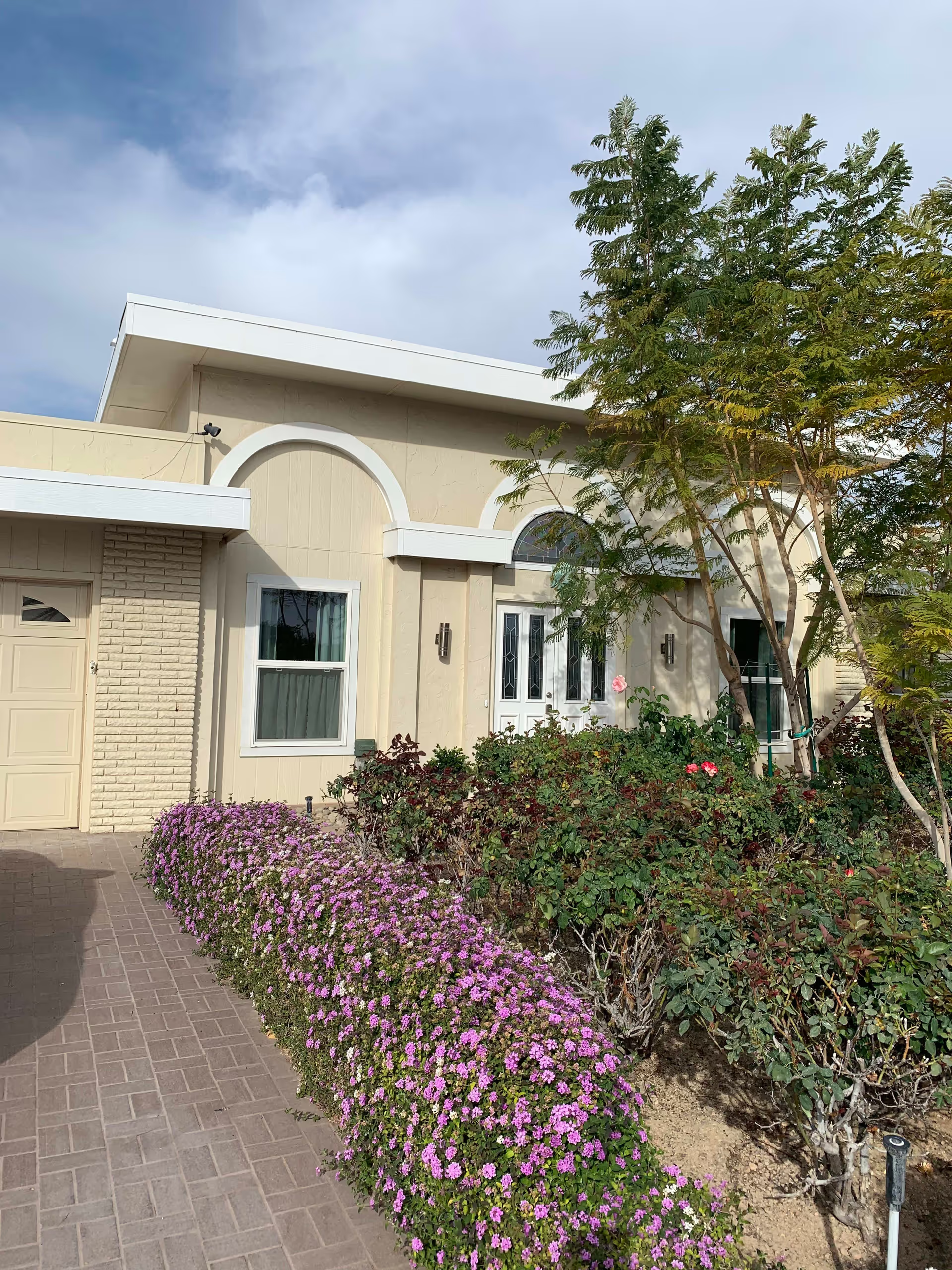
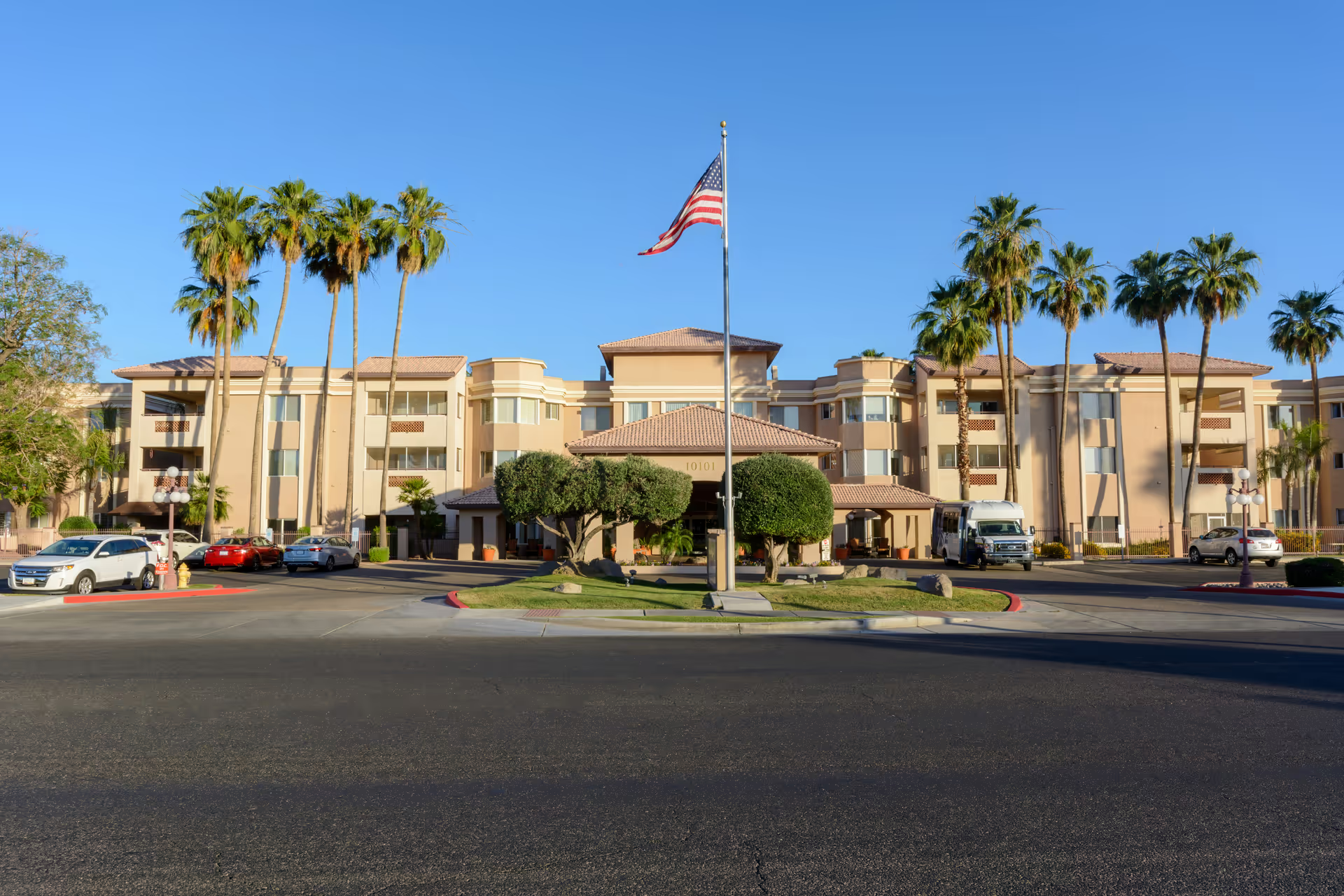
Facility assets include attractive grounds, multiple courtyards, roomy accommodations, and a secure memory-care footprint. Some families view the campus as upscale and well cared for, though reviewers also note variable condition between buildings or units and a more corporate, multi-story layout that may feel less intimate to some residents.
Management and communications present a clear pattern of variability. Several families praised specific managers and staff for helpfulness and attentiveness, while others raised serious concerns about leadership turnover, administrative responsiveness, and, in a small number of cases, allegations of unethical management practices. Given these mixed patterns, prospective families should ask targeted questions during visits: current staffing ratios by shift, dementia-care training protocols, wound-prevention and clinical-supervision procedures, hospice and external-provider coordination practices, typical activity schedules and participation rates, and recent leadership turnover. Observing the memory-care unit during an active period and requesting references from current families in the unit can help assess whether the facility’s strengths align with an individual resident’s needs.