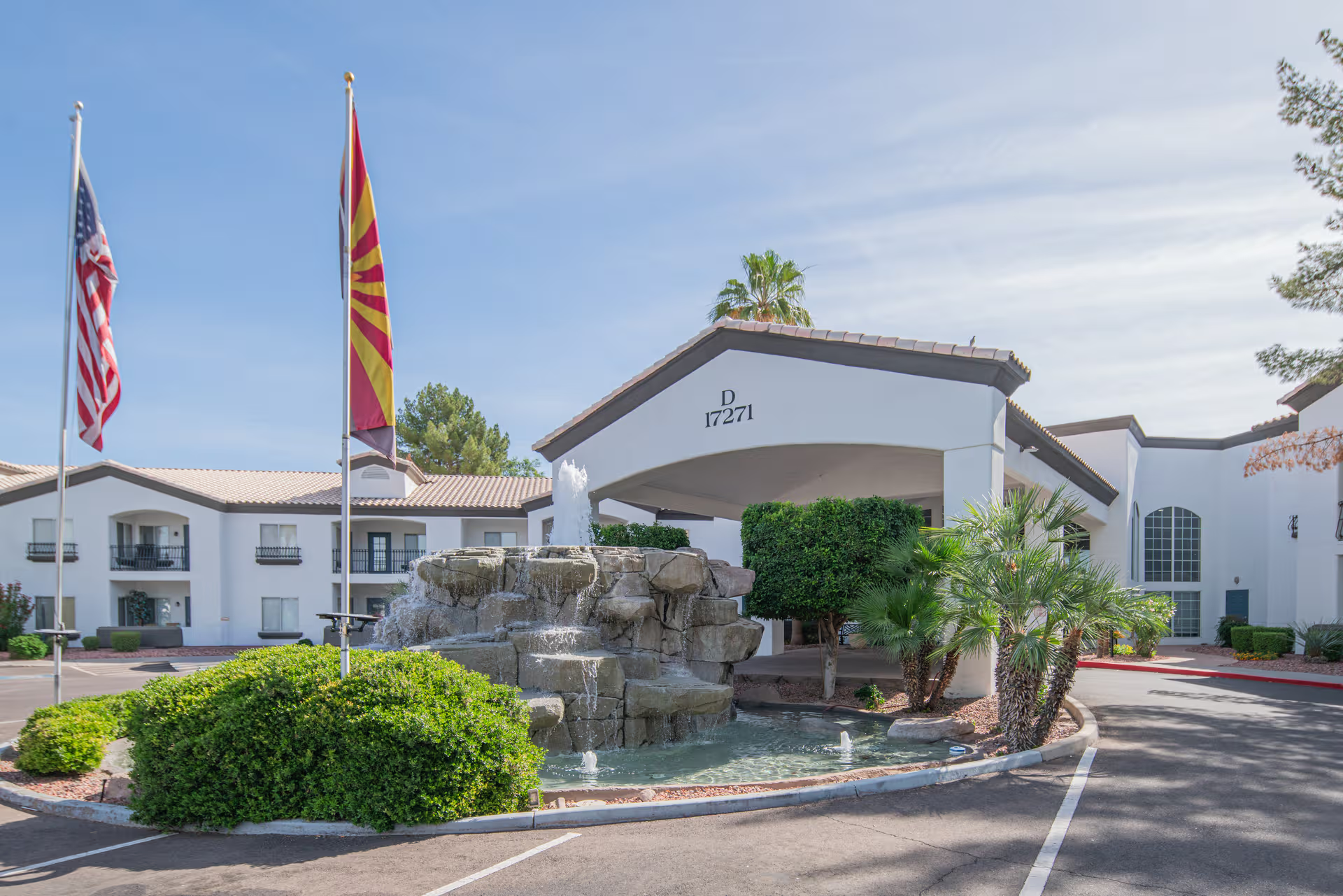
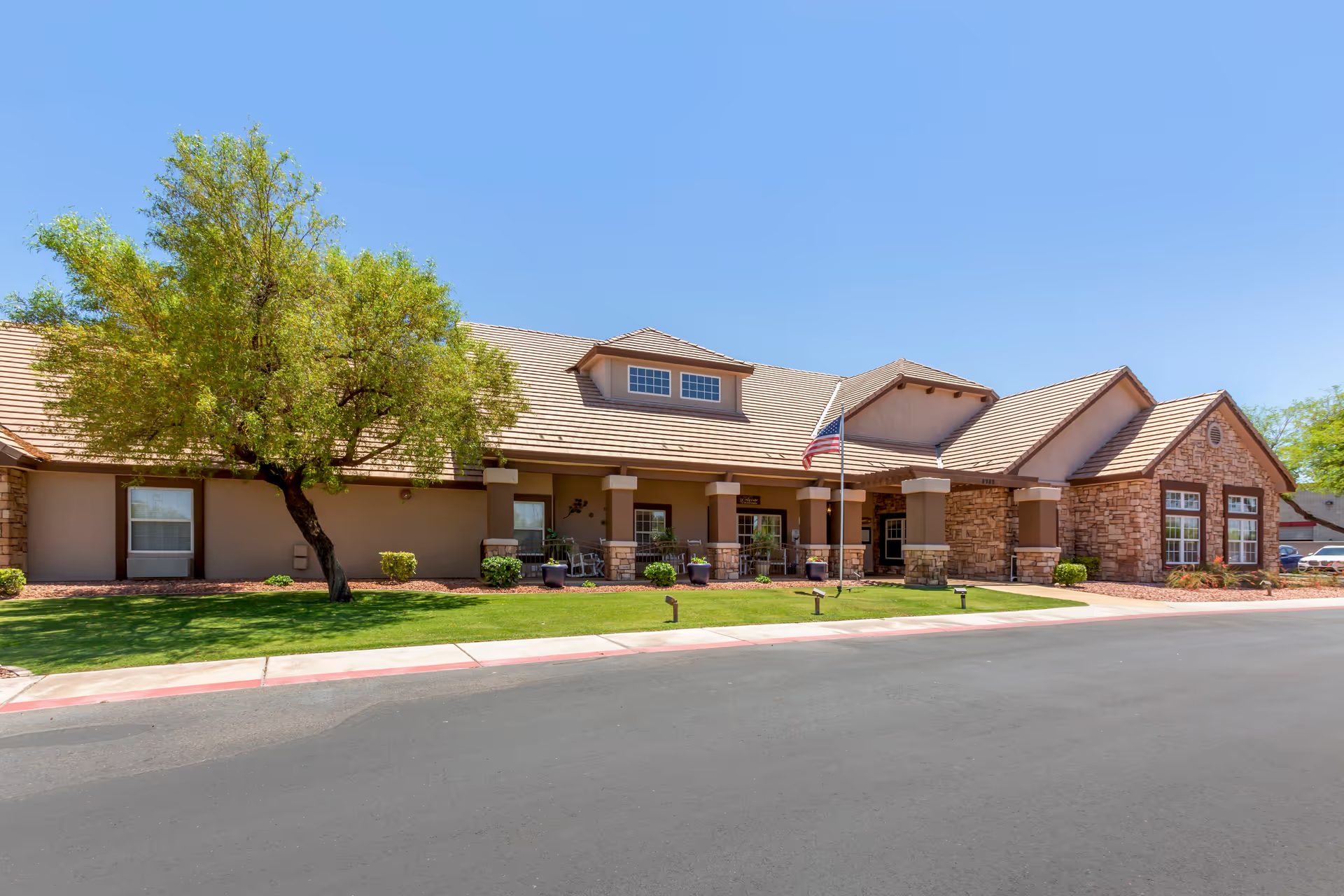
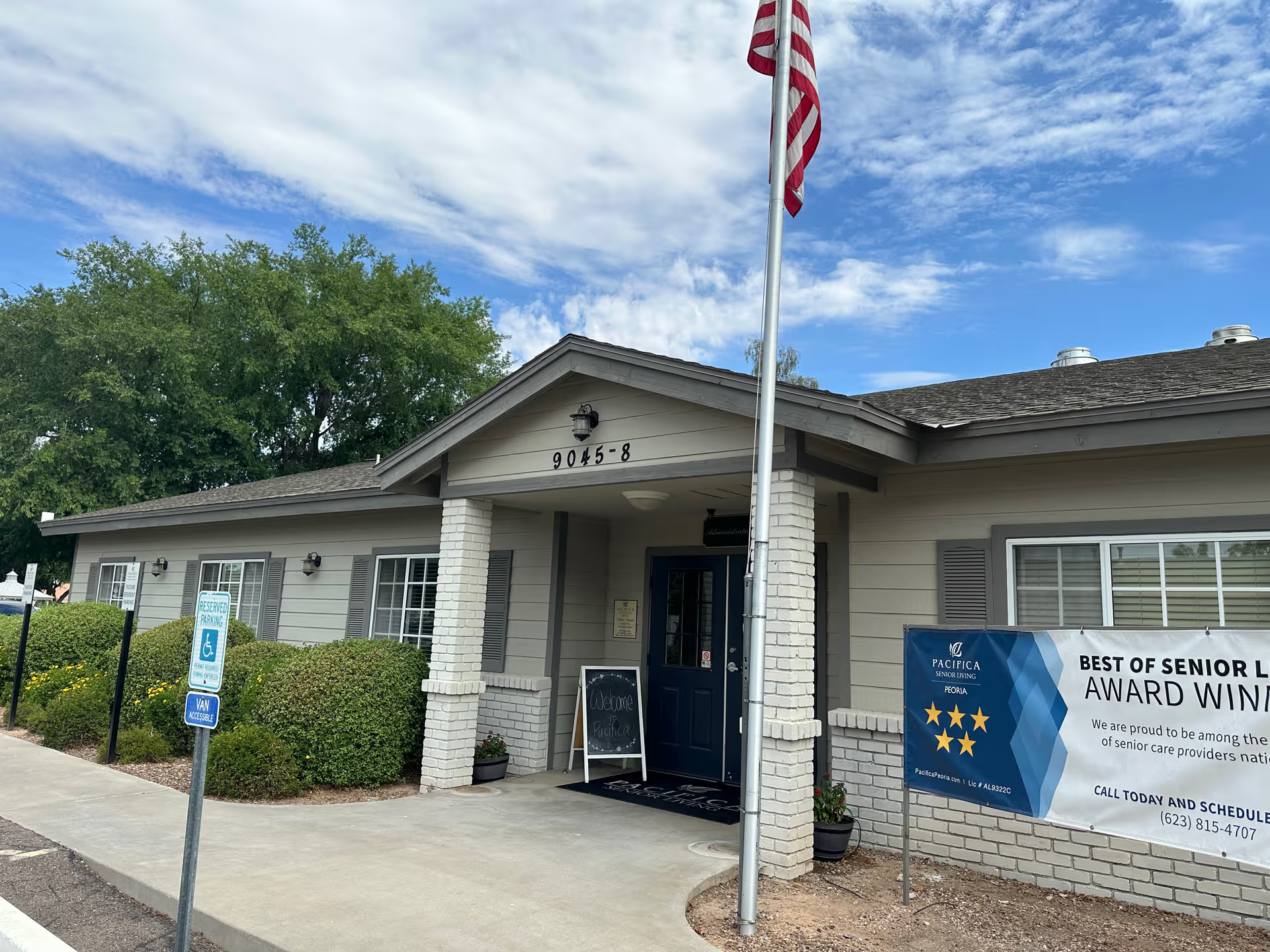
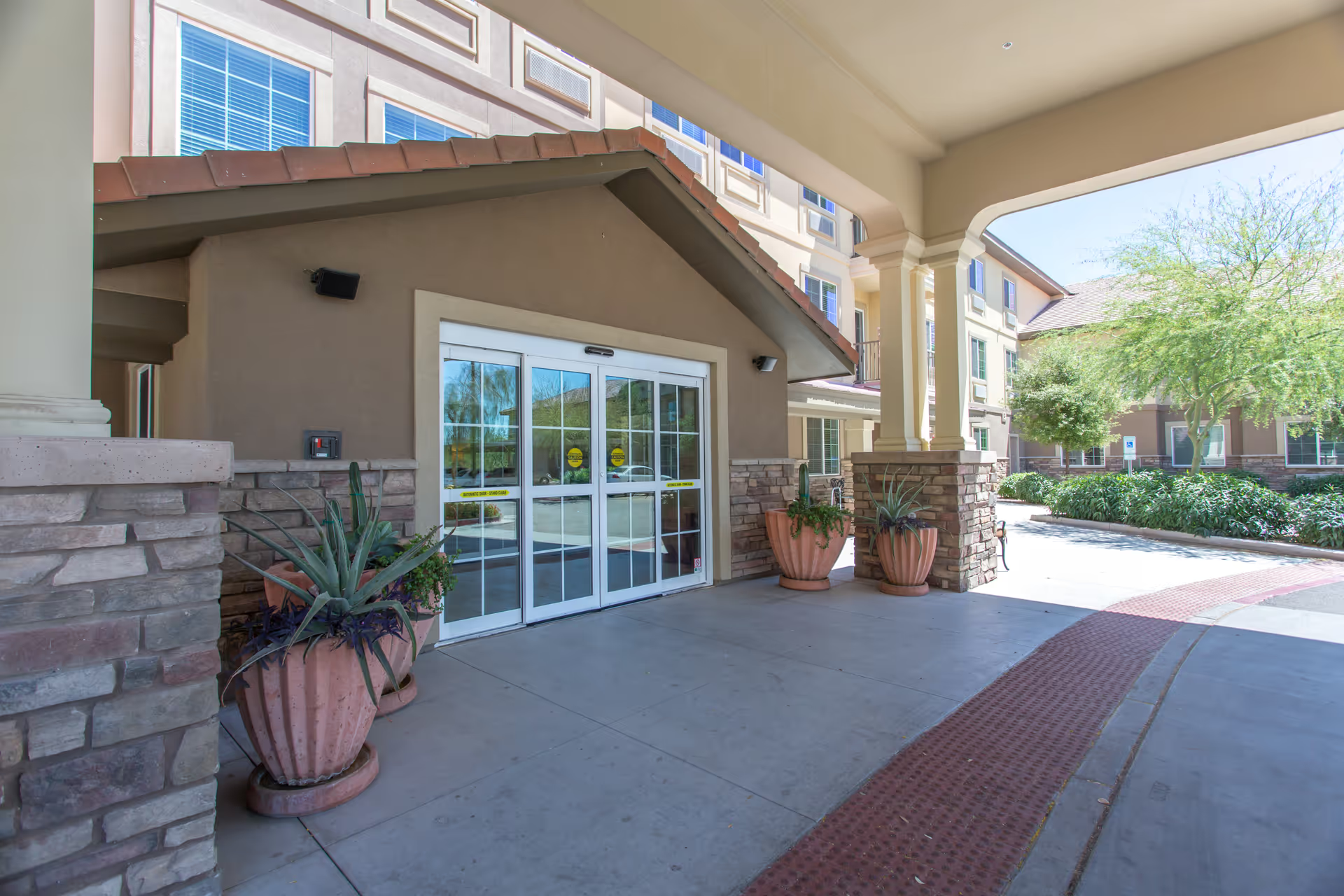
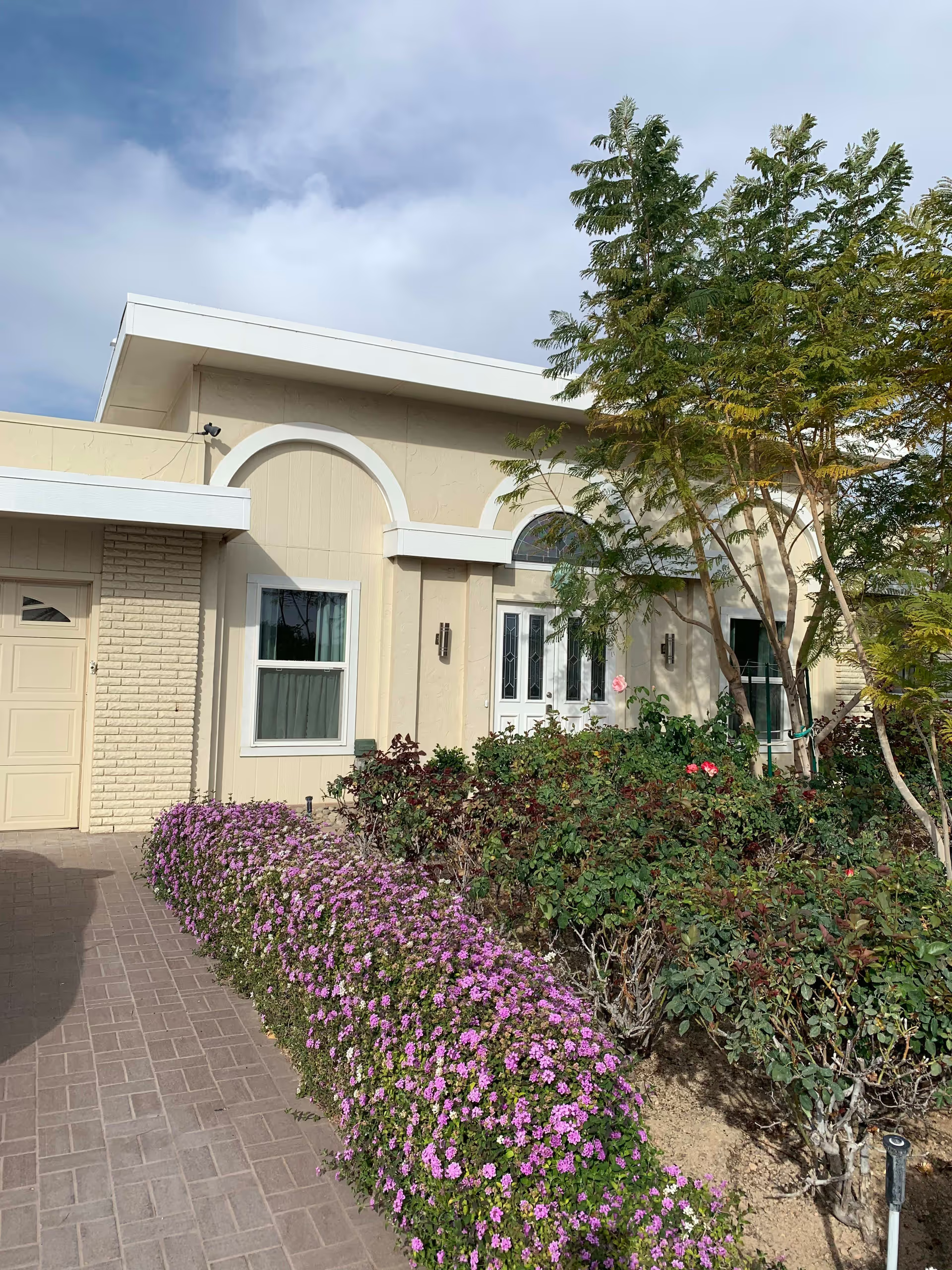
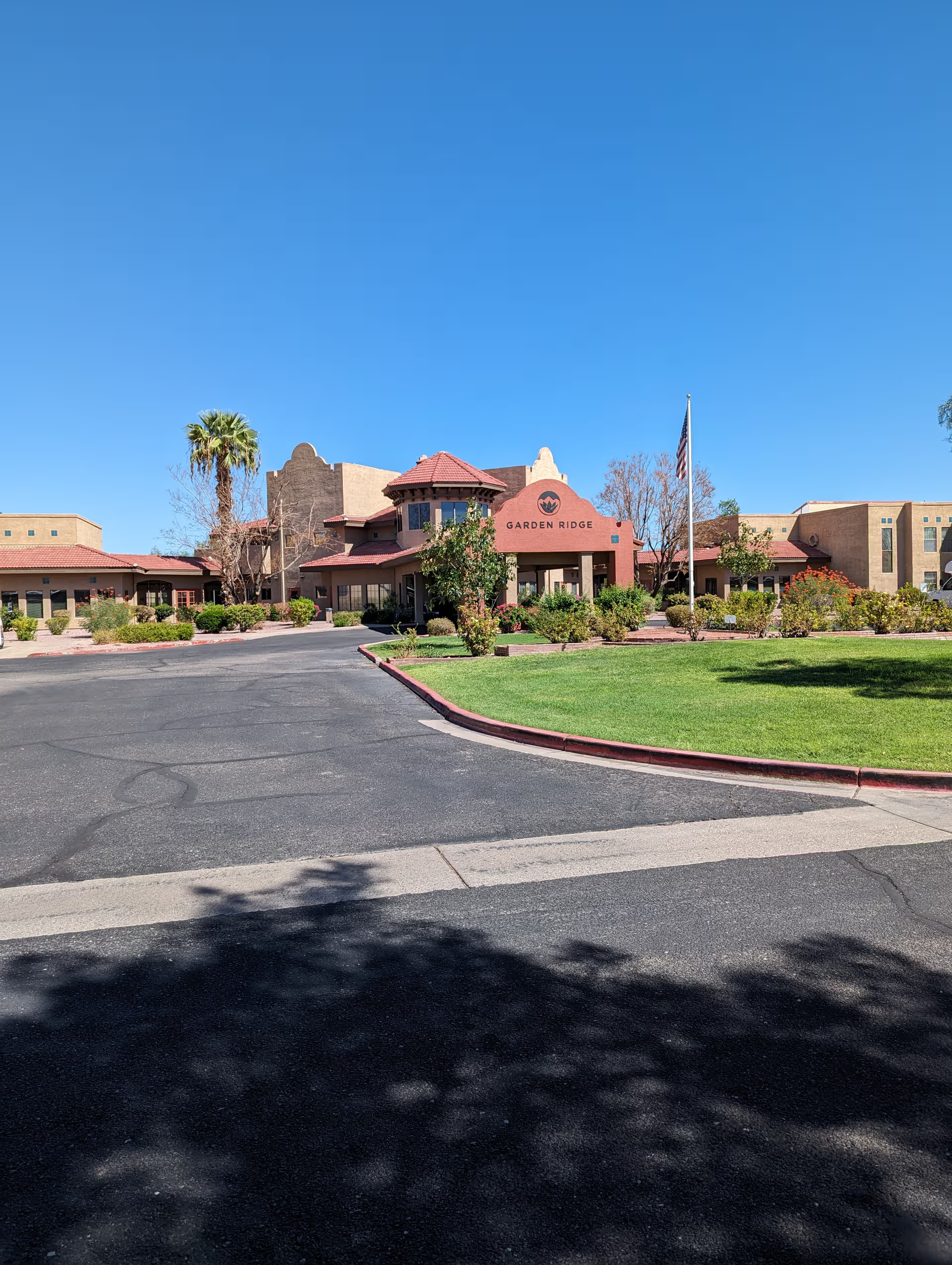
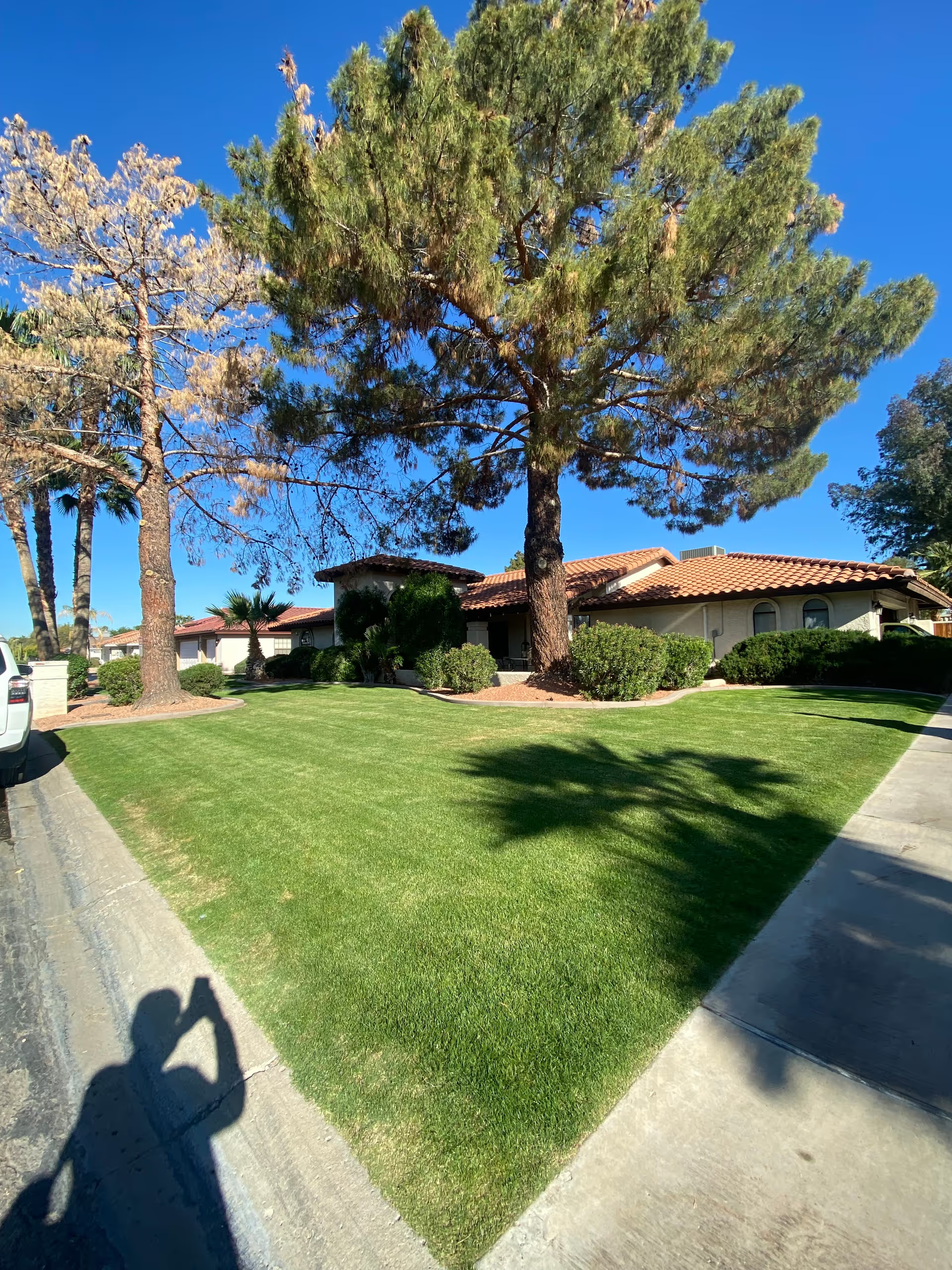
Sierra Winds presents a largely positive profile as a full-spectrum senior living community. Many reviewers highlighted a compassionate and engaged staff, an active social environment, and a variety of on-site amenities that support daily life and convenience — including dining venues (a main dining room and casual bistro), a chapel, salon, library, ATM, and transportation services. The community offers a resort-like independent-living experience with options to add assisted living and memory-care services, and it maintains on-site skilled rehab and therapy services that multiple families described as high-quality. Grounds and apartments are consistently described as well maintained and clean, and residents frequently praise the broad activity calendar and organized outings that foster social engagement and a small-town feel inside the campus.
Clinical care and staff teamwork receive strong positive comments from many families: reviewers mention supportive nursing, coordinated therapy input (PT/OT/RT), dedicated case managers, private rooms in the care center, and an emphasis on safety and comfort. The dining program is repeatedly praised for quality and variety, and maintenance responsiveness is commonly cited as effective for apartment issues. Security and reception practices are generally perceived as reliable, and the community’s pet-friendly policies and transportation add to convenience for residents and families.
Despite these strengths, a pattern of operational concerns appears across reviews and warrants attention. Several accounts describe delayed or inconsistent staff responsiveness — including delays in callbacks and communication after hospital transitions — which suggests weaknesses in family notification and intake/transfer procedures. Specific clinical-process gaps are described that point to medication-administration and handoff vulnerabilities during transitions of care. There are also recurring comments about inconsistent assistance with activities of daily living (for example, bathing and prompting), and isolated but serious concerns following a resident’s death that highlight potential end-of-life care and post-incident communication issues. Administrative areas noted include billing/accountability problems and occasional lapses in resident property tracking.
Other recurring operational themes include variable professional conduct and privacy practices, intermittent staff turnover that affects continuity, and limitations in in-room communication infrastructure (for example, lack of a dedicated in-room phone). Facility comfort issues such as thermostatic or air-conditioning interruptions were mentioned but often resolved by responsive maintenance; still, they indicate unevenness in environmental controls for some units. Management has indicated and implemented some upgrades and staffing improvements, and many reviewers described visible efforts to improve the campus.
In sum, Sierra Winds offers a broad continuum of services, attractive amenities, strong dining, and an active social environment that many residents and families find highly satisfying. However, prospective residents and families should evaluate the facility’s current operational practices around clinical handoffs, medication administration, daily personal-care assistance, communication and billing processes, and property safeguards. Visiting the care center, asking for specifics on transfer protocols and medication-management safeguards, and clarifying billing and property policies will help families weigh the facility’s positive community features against the operational risks noted by others.