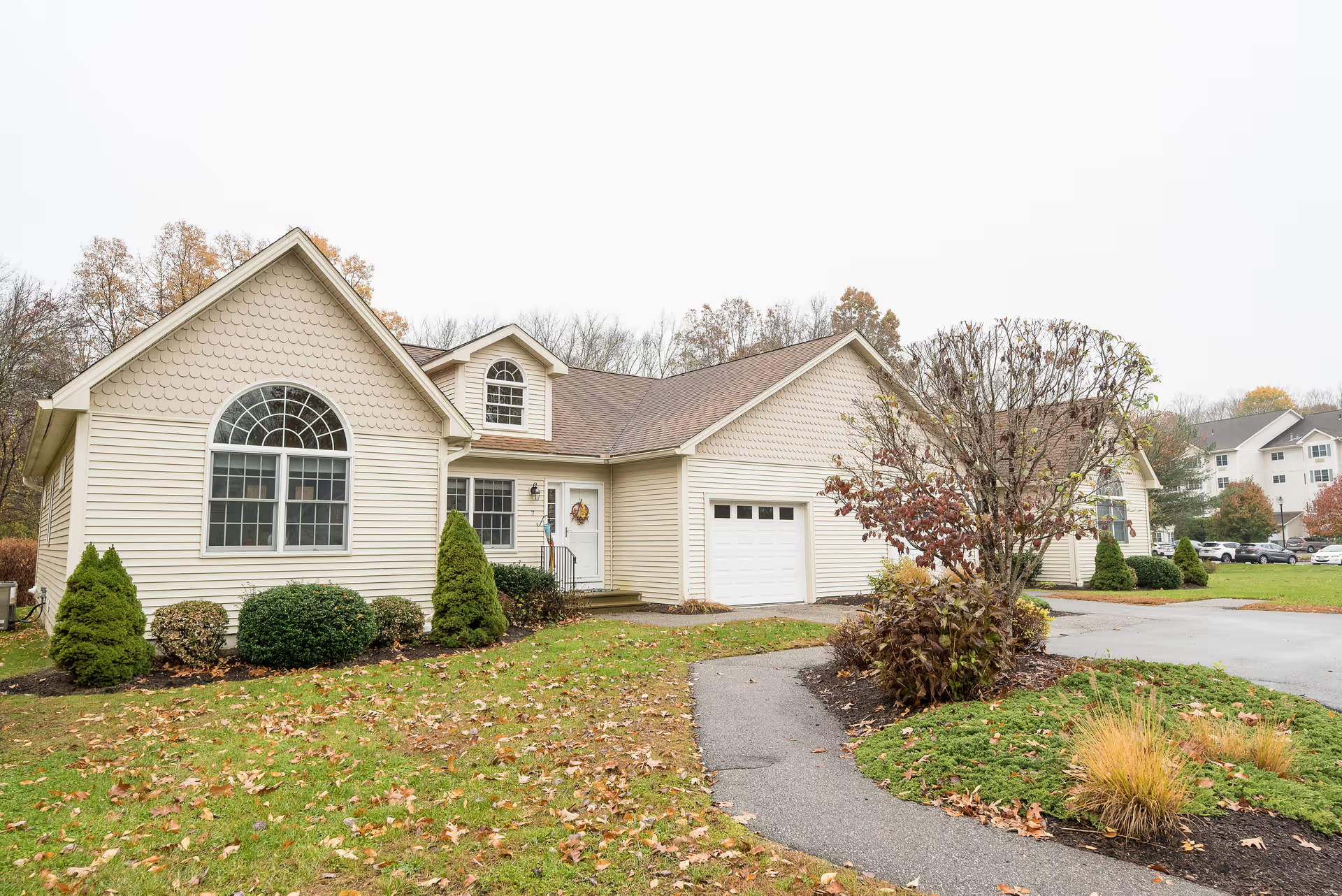
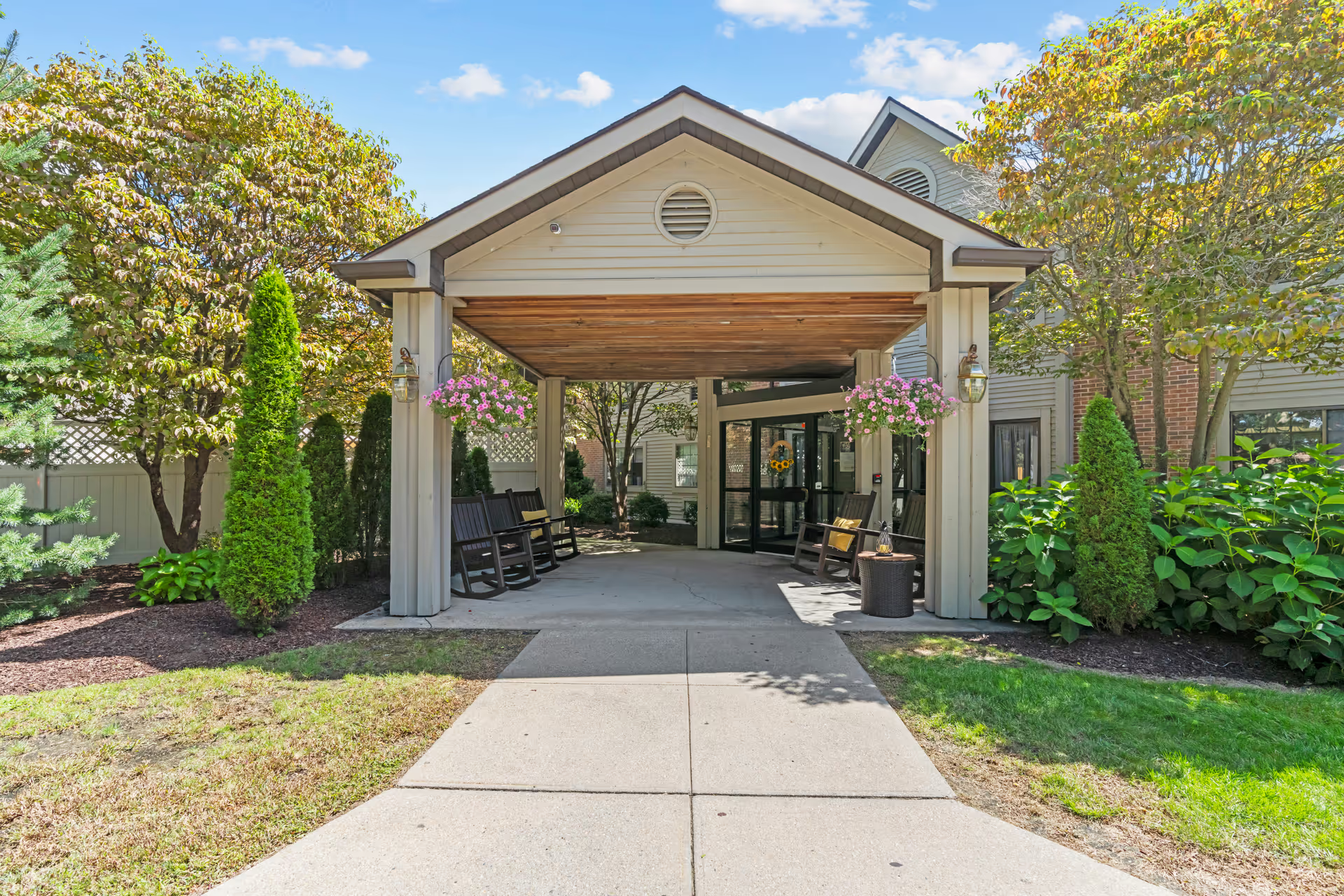
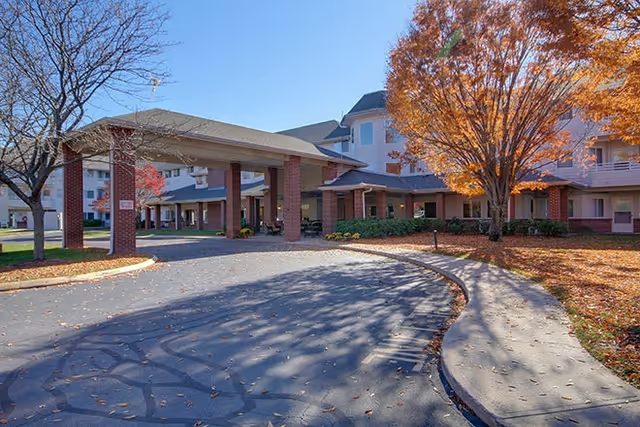
Reviews of Westview Health Care Center are mixed but consistent on a few clear points: the facility's rehabilitation programs—especially physical therapy, aquatic therapy, and targeted occupational therapy when available—are strong and often produce noticeable functional improvement. Multiple accounts praise a well-equipped gym, a rehabilitation pool with specialized equipment, and therapists who provide clear explanations and effective interventions. Several families described accelerated recovery and specific therapists or teams as instrumental to positive outcomes. The facility's physical plant is frequently noted as modern and comfortable, with large rooms and updated lighting.
Staffing and day-to-day care generate divided impressions. Many reviewers commend long‑tenured, caring staff and describe proactive management, responsive physicians, and thoughtful nursing care. At the same time, a recurring pattern of inconsistent staff conduct and bedside manner emerges: reviewers describe both attentive, compassionate employees and interactions perceived as curt or unsympathetic. Staffing shortages and accessibility issues (including inaccessible call systems and delayed responses) are raised as operational concerns that can affect timeliness of assistance.
Communication and administrative practices present another notable pattern. While some families found management communicative and supportive, others experienced poor coordination around care updates, insurance and discharge planning, and callbacks. These gaps have practical consequences described by reviewers, including confusion about therapy availability, unclear discharge timing, and stress around insurance authorization. Reviewers advise confirming therapy scheduling, discharge expectations, and financial communication up front.
Clinical-safety themes appear in a subset of accounts. Although therapy outcomes are often positive, a few reviews raise concerns about incontinence-care practices and infection-management follow‑up. These items point to potential gaps in daily clinical follow-up and incontinence-related care rather than definitive systemwide failure; nonetheless they merit specific questions during touring and admissions. Discharge planning and transition management are also cited as areas where operational priorities (bed flow and timeliness) may have conflicted with perceived patient readiness, leading to subsequent readmission in isolated cases.
Dining, activities, and environment are generally viewed favorably: reviewers mention nutritious food, special meal events, frequent activities, and a family-friendly waiting area. The facility's outpatient therapy and sports-medicine offerings receive particular praise. A few comments reference occasional cleanliness or room‑maintenance shortfalls and note that Medicaid is not accepted, which may limit options for some families.
Bottom line: Westview appears to be a strong option for patients whose primary need is skilled rehabilitation—especially those seeking high-quality PT and aquatic therapy in a modern facility. Prospective residents and families should weigh those strengths against operational concerns around staffing consistency, family communication, discharge planning, and specific clinical follow-up (for example, incontinence and infection-management). When considering admission, ask targeted questions about current staffing levels, therapy schedules (including OT availability), discharge protocols, payer acceptance, and the facility's process for family updates and complaint resolution.