Reviews of Salmon Brook Rehabilitation and Nursing Center show a highly polarized picture: several families and patients praise the therapy teams, certain nursing aides, and renovated areas, while others raise substantial operational concerns. The facility is frequently cited for having a strong rehabilitation program and committed individual caregivers who provide compassionate, attentive hands-on care. Renovated rooms, a memory-care wing, 24/7 nursing coverage, visitor- and pet-friendly policies, and accessible admissions/front-desk staff are recurring strengths that prospective families may find reassuring.
At the same time, there are multiple consistent themes indicating variability in day-to-day clinical care. Concerns include inconsistent staffing levels and apparent gaps in nursing training, which reviewers connected to medication-administration errors, delays in attending to call-bells and pain-relief requests, and uneven wound and personal-care management. Several accounts also describe limited physician engagement or delayed clinical oversight, producing family frustration about communication and medical decision-making. Fall-prevention and transfer-safety practices were questioned in multiple accounts, suggesting the need to review safety protocols.
Dining and activities received mixed feedback. Some reviewers found the food acceptable or better than alternatives, while others reported cold meals and inconsistent dining quality. Recreation programming was described as limited or insufficiently staffed by many families, though therapy and rehab services were more consistently praised for producing positive functional outcomes. Families seeking active engagement for residents should confirm current activity staffing and programming schedules during a visit.
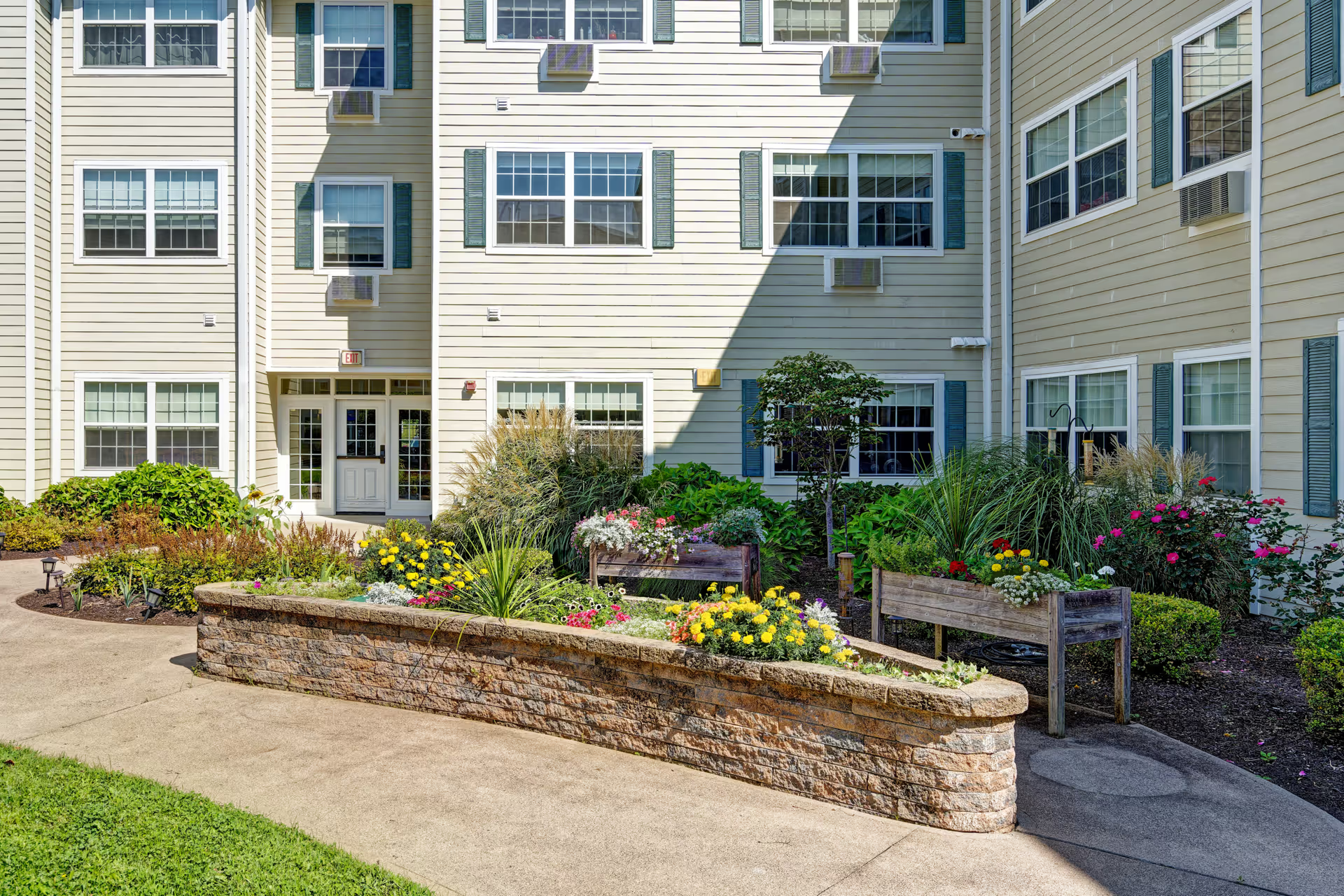
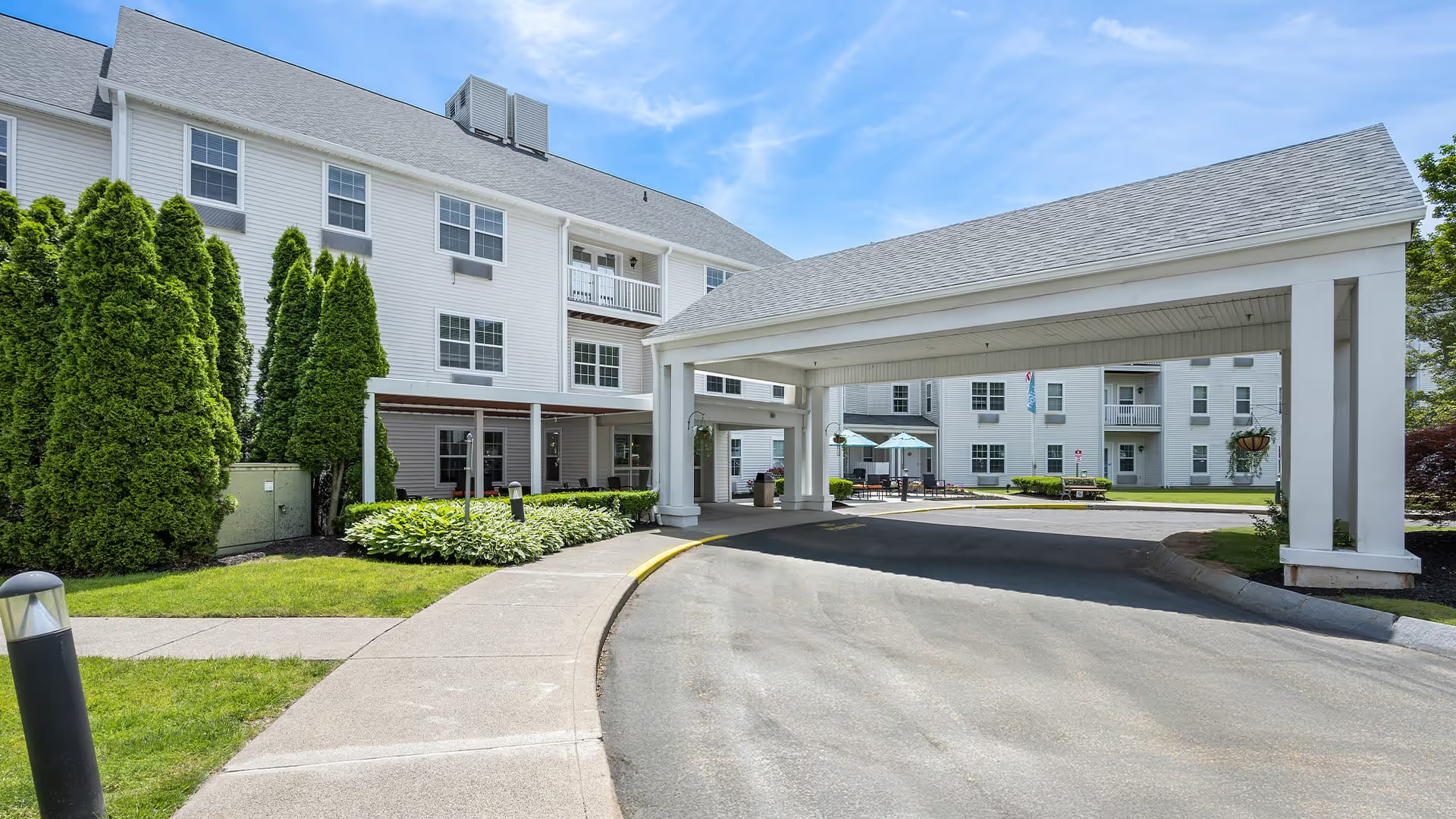
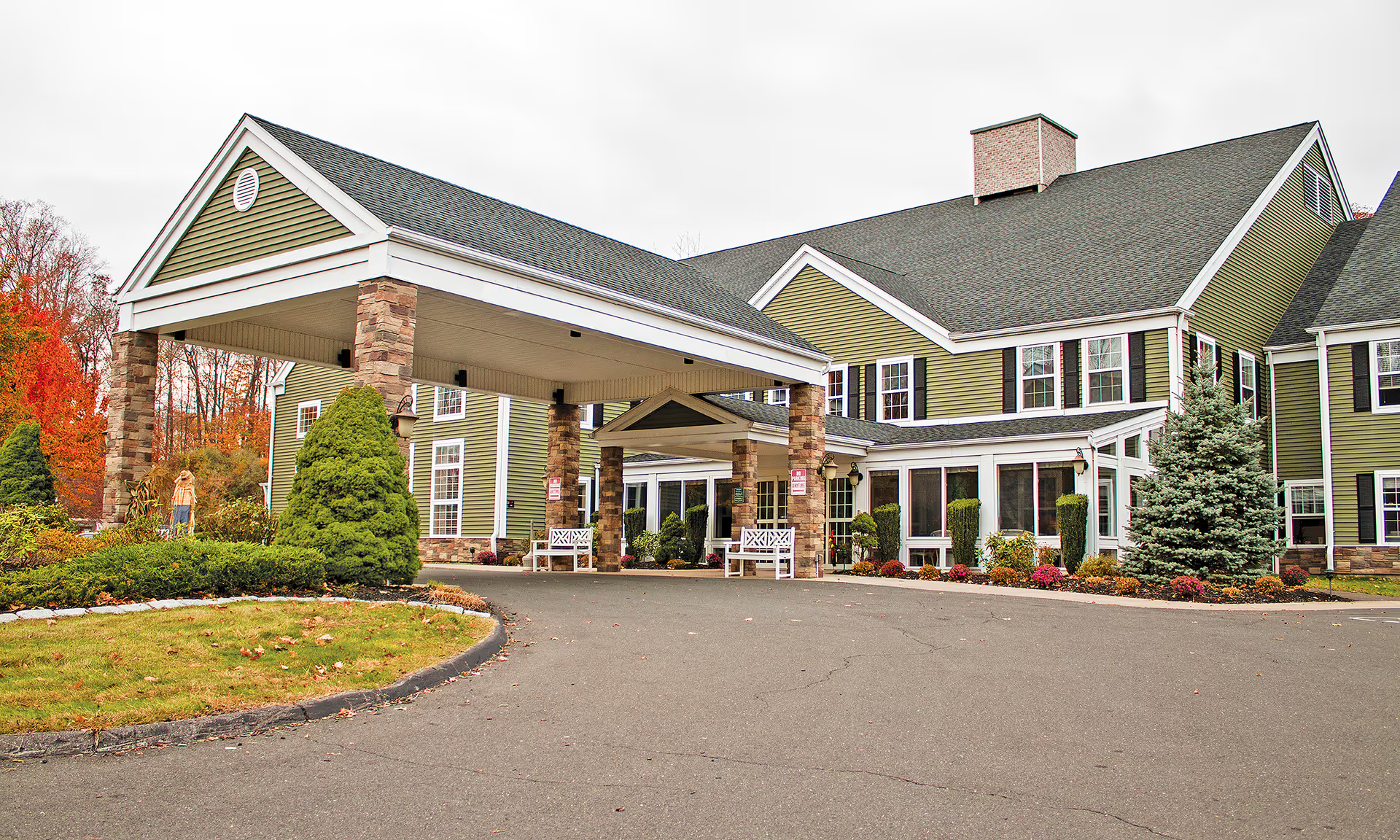
Facility condition comments are also mixed: portions of the building have been renovated and are described as clean and modern, but other areas prompted sanitation and odor-control concerns and examples of unreliable equipment (HVAC, ice machine). Parking and the prevalence of double-occupancy rooms were noted as practical limitations. Security practices such as front-door supervision and belongings-handling procedures were questioned, and there are allegations of missing personal items and formal complaints referenced by reviewers.
Management and leadership emerged as a central pattern. Several reviews describe communication breakdowns, perceived inaccessibility of administrators, and dissatisfaction with how transitions and complaints were handled; others note a visible turnaround following ownership or leadership changes and praise for specific administrators or staff members. Given the divergent accounts, prospective residents and families would benefit from an on-site tour, direct questions about staffing ratios, medication-safety protocols, recent regulatory survey results, recreation staffing, and documentation practices for personal belongings and physician communication. This mixed set of observations points to strong clinical and therapy assets alongside operational and management inconsistencies that may materially affect a resident’s day-to-day experience.