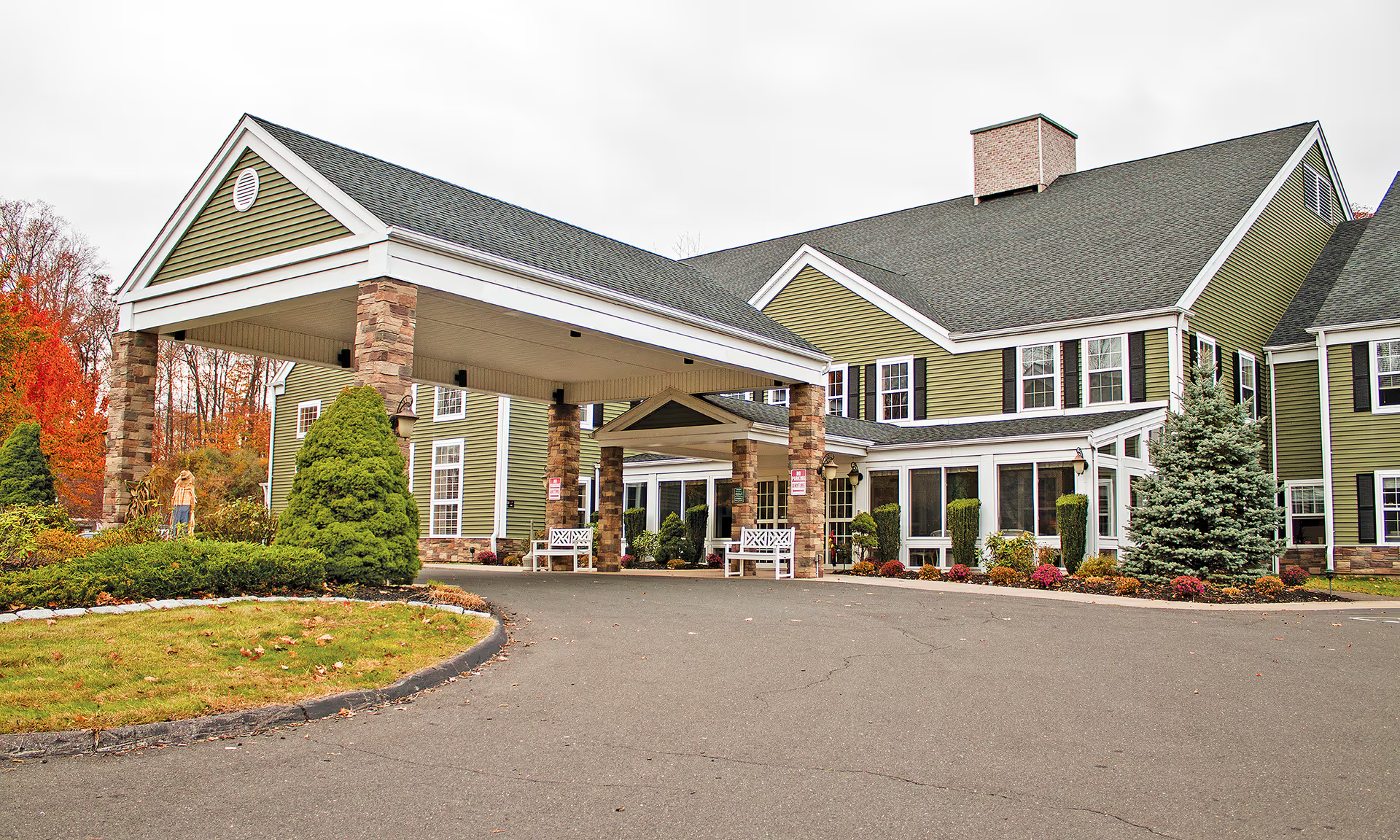
Marlborough Health and Rehabilitation Center elicits strongly polarized feedback. Many families and patients highlight the facility’s strengths in short-term rehabilitation, memory care, and bedside caregiving: therapy teams (PT/OT and other clinicians) are frequently described as effective and skilled, and multiple accounts praise nurses, CNAs, and the recreation department for compassionate, hands-on care. Admissions and front-desk staff are often characterized as welcoming and helpful, and communal spaces — including a courtyard garden and comfortable common areas — receive favorable comments for cleanliness and atmosphere. Several reviewers also noted attentive case management and social services support that helped coordinate care plans.
At the same time, a recurrent set of operational concerns appears across reviews. Medication administration and timing are described as inconsistent, with documented delays in morning dosing and questions about how medication changes are communicated and authorized. Meal-service issues include variable food quality for some residents and inconsistent timing or removal of unfinished meals. Toileting assistance and incontinence-care responsiveness emerge as a notable operational gap, alongside reports of bedpan or toileting supply availability problems. Families also report instances of delayed pain management and delayed notification after falls, which point to broader gaps in incident reporting and family communication.
Staffing and conduct present a mixed picture. While many staff members are praised for professionalism and empathy, reviewers describe variability in staff responsiveness and professionalism across shifts, and several comments indicate that staffing shortages can exacerbate delays in care. Management elements are similarly dual-natured: the admissions and front-line administrative teams receive consistent positive mention, and some leaders are described as engaged and hands-on. However, there are also reports of persistent issues that reportedly continue despite meetings with leadership, and concerns about discharge planning and clinical transitions — including wound and infection oversight — suggest uneven clinical governance in certain cases.
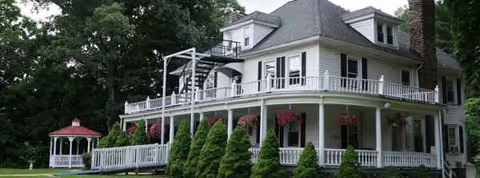
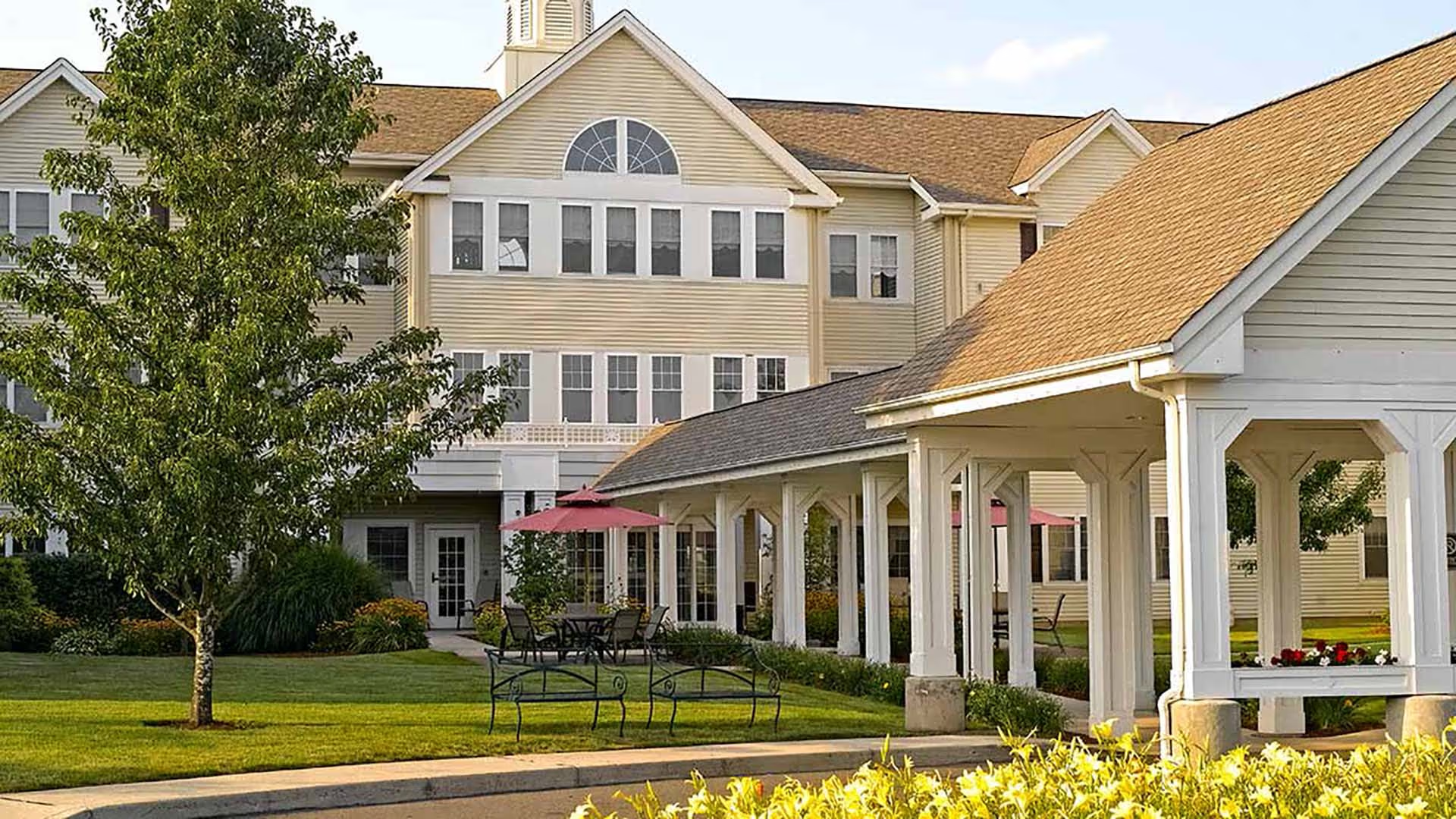
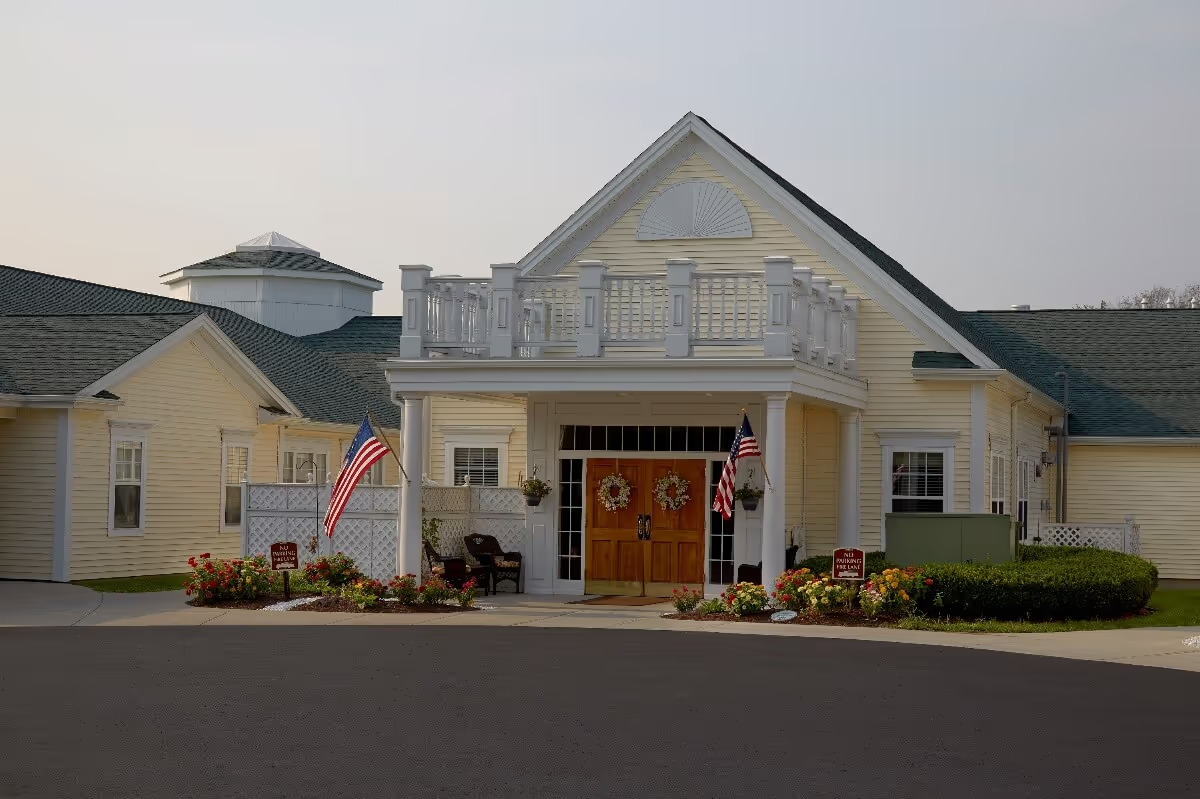
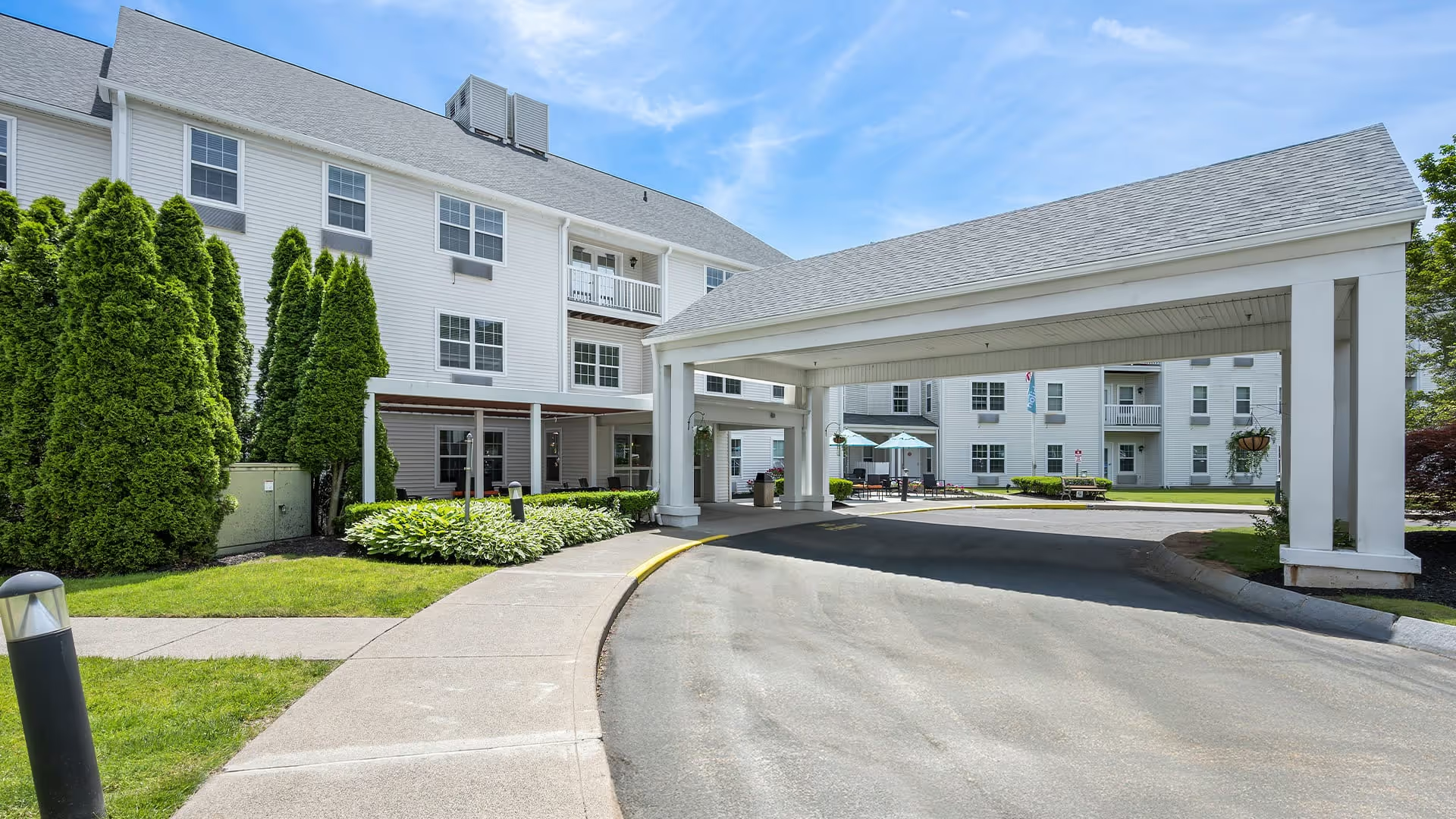
Facility and environment observations likewise vary. Common areas and public spaces are frequently described as clean and welcoming, with a tranquil, forested setting that many families find conducive to recovery. Conversely, several reviews point to older resident rooms and furnishings, drafty windows, and specific exterior maintenance issues such as parking-lot and ramp upkeep. Sanitation and in-room cleanliness concerns are raised in a minority of accounts and should be explored further during a visit.
For prospective residents and families: Marlborough demonstrates clear strengths for short-term rehabilitation and memory-care programs, with many caregivers and therapy staff delivering attentive, recovery-focused service. At the same time, recurring operational themes — particularly around medication timing, toileting assistance, meal continuity, incident communication, and maintenance — merit direct inquiry. When evaluating this facility, ask for current staffing ratios by unit and shift, review medication-administration and informed-consent policies, clarify fall- and incident-notification procedures, and tour resident rooms as well as common areas to assess room condition and sanitation standards. These targeted questions will help align expectations with the facility’s pronounced rehabilitative strengths and the operational areas that families have flagged.