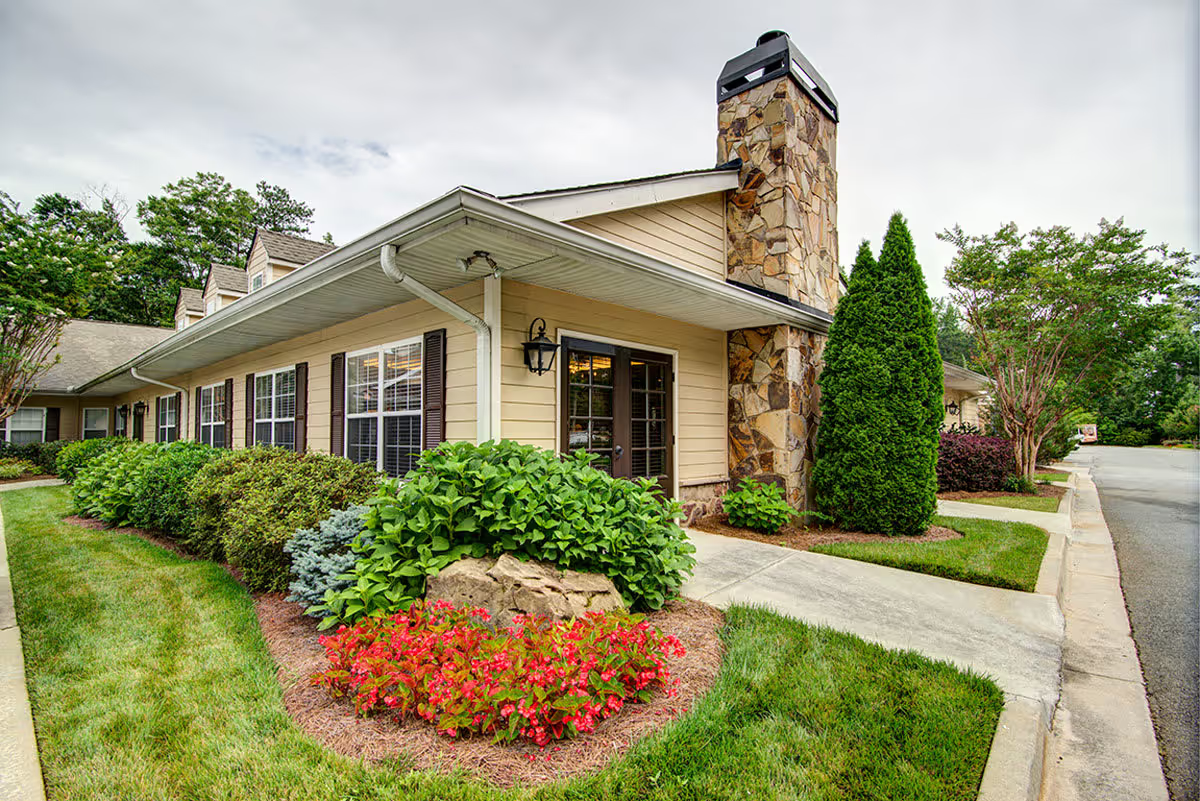
Heather House Crabapple is described by families as a small, home-style assisted living with a strong emphasis on individualized attention. Numerous accounts highlight compassionate and attentive staff members, active owner/operator involvement, and frequent, personalized communication with families. The setting — including screened porches, a three-season room and well-kept grounds — is consistently characterized as comfortable and home-like, and the facility accepts Medicaid. Several families appreciated transportation services and staff accompaniment to medical appointments, which reinforces the facility’s hands-on approach to resident care.
Clinical capacity is limited. The facility does not provide 24-hour nursing coverage and operates with a relatively small nursing staff, which reviewers linked to constrained clinical services. Some families described episodes that required external emergency care and emphasized the importance of close family oversight. A period of ownership transition and staff turnover was noted; reviewers described variability in caregiver consistency and, for some, a perceived decline in the steadiness of daily care as staff changed.
Dining and activities present a mixed picture. Many reviewers praised freshly prepared meals, homemade items (banana bread, soups, meatloaf) and family-style fare; others described inconsistent food quality and occasional reliance on more processed items. Activity programming has historically included bingo, painting, Bible study and pet therapy, and those programs were well regarded. However, activity coverage has been intermittent recently — with the loss or pause of a dedicated activity coordinator in some accounts — so resident engagement varies depending on staffing and infection-control restrictions.
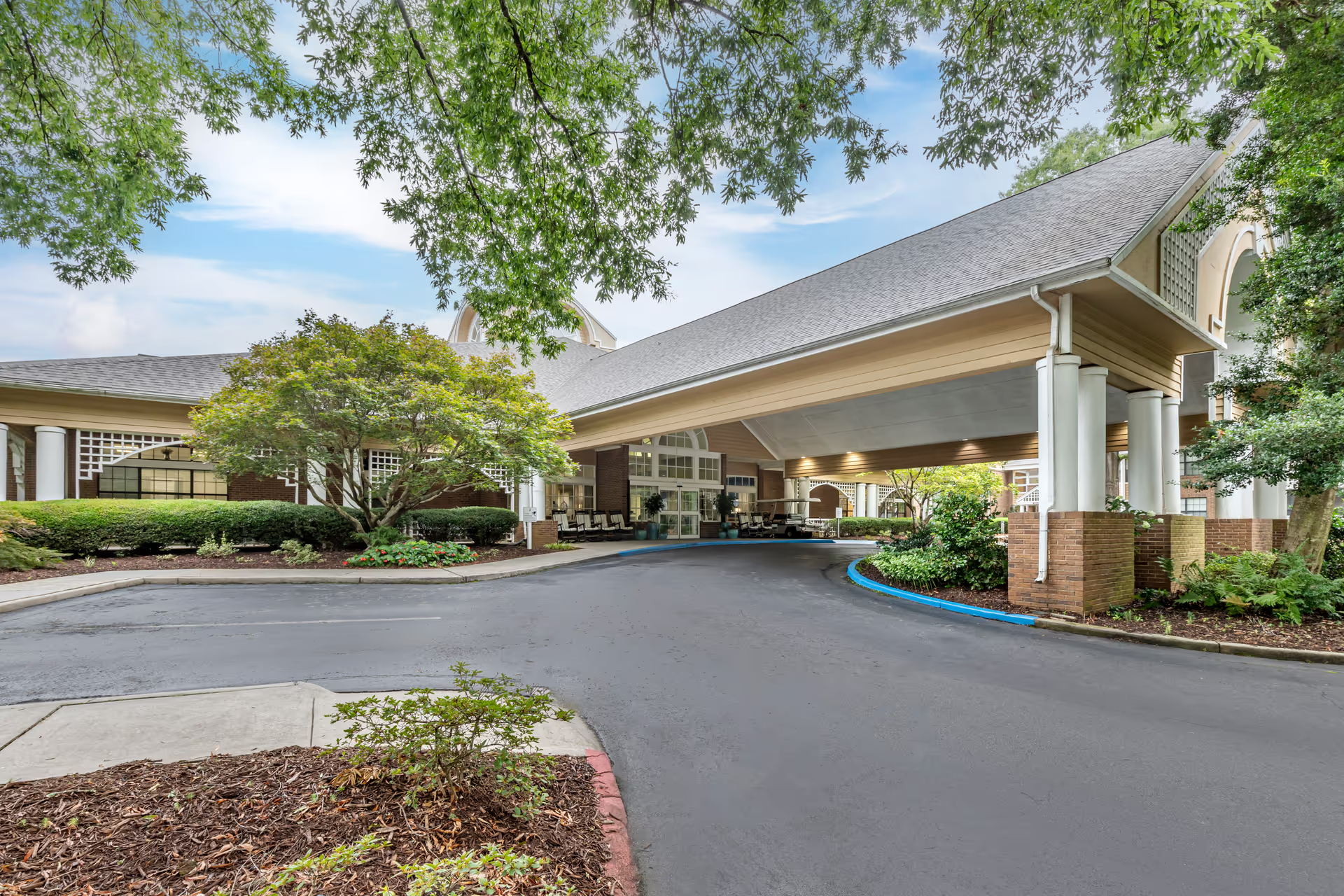
The physical plant is older: reviewers consistently described a well-maintained but dated house. Common areas and furnishings were often judged attractive and clean, while some bedrooms and certain interior areas feel dated or dim. A specific amenity gap is the absence of televisions in private bedrooms, which requires residents to use common rooms for TV viewing. The facility’s rural, hilly location can be pleasant for those who value a country setting, but it poses accessibility considerations for residents using rollators or other mobility aids.
Overall, Heather House Crabapple appears to offer a warm, personal care environment with strong owner engagement and many satisfied families, particularly for residents who fit a lower-acuity, small-home model. Prospective families should weigh those strengths against the facility’s limited clinical staffing, recent staffing turnover, variable activity availability, and the dated nature of some resident rooms. For those needing around-the-clock nursing or more robust programming and amenities, the facility’s operational model may not match higher-acuity needs; for families prioritizing a family-run, intimate setting with engaged caregivers, it may be a good fit. Families considering the home would be advised to assess current nursing coverage, activity staffing plans, and recent changes in food service and caregiving consistency during a visit.