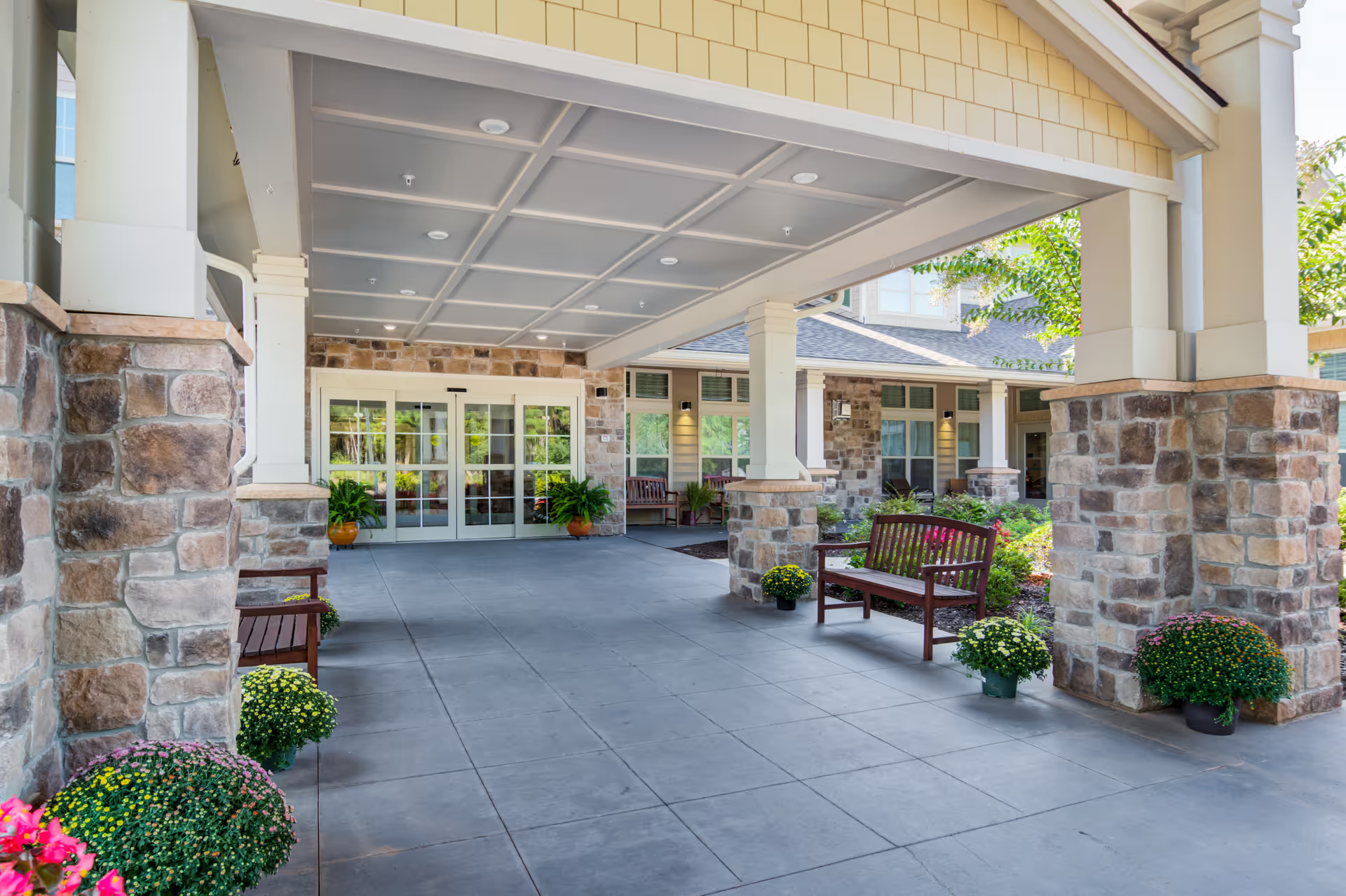
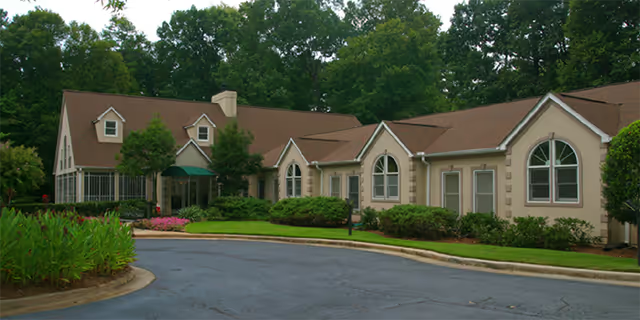
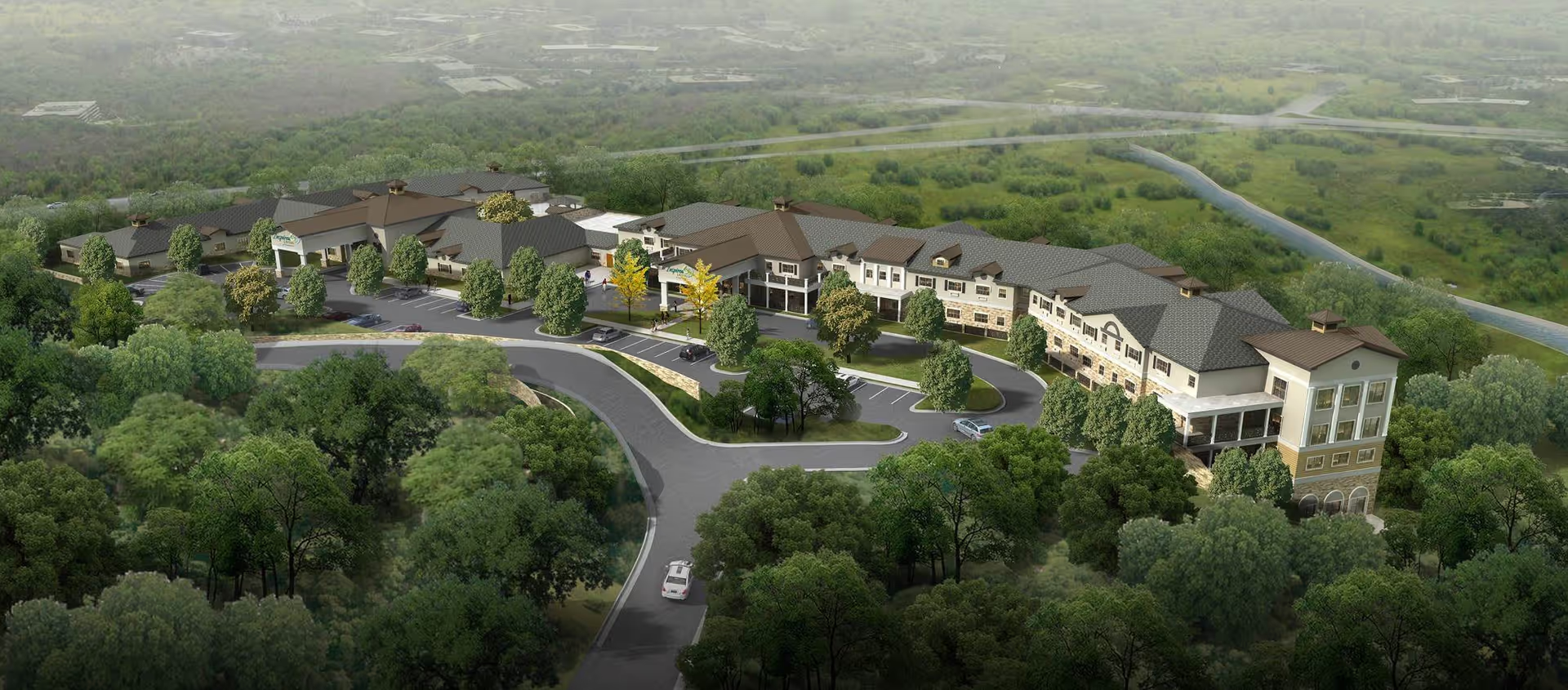
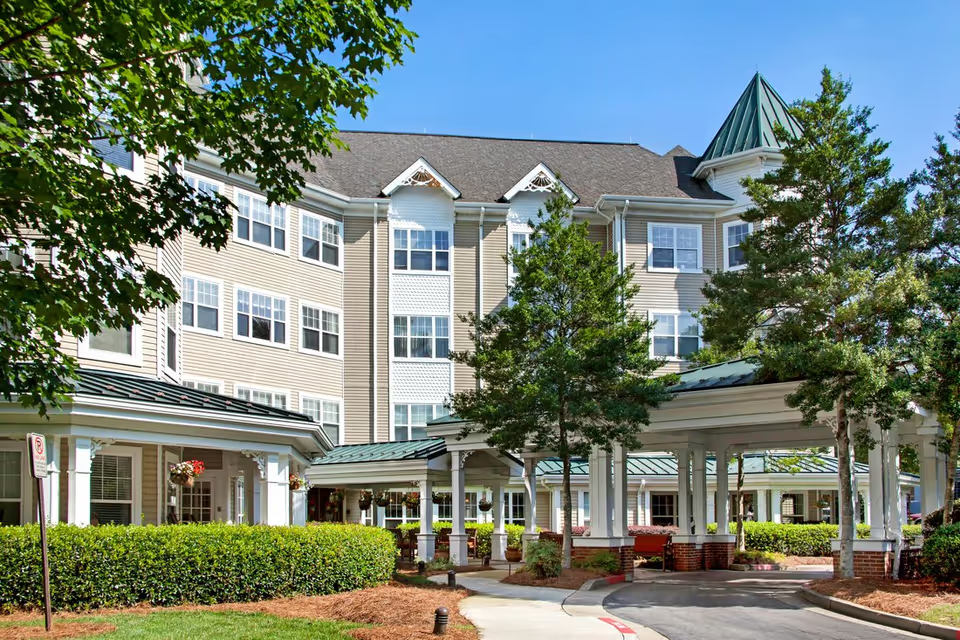
Reviews describe a facility with a distinctly small, home-like character that many families find comforting. Positive themes include a warm, personal atmosphere, private and nicely appointed resident rooms, enclosed courtyards, and an activities program that is active and varied (bus outings, arts and crafts, music and holiday programming). Several families highlighted compassionate, long-tenured caregivers and management who facilitate smooth move-ins, welcome family involvement, and provide value relative to pricing.
Care quality assessments are mixed. Many reviewers praised individual caregivers for respectful, attentive interactions and the unit’s secured memory-care environment with awake night coverage; others raised operational concerns tied to staffing patterns. Turnover and reduced staffing levels were described as creating variability in daily routines and one-to-one attention, which in turn was associated with inconsistent personal-care practices and occasional lapses in medication follow-up.
Dining and activities are generally regarded as strengths of the community. Numerous accounts describe engaging programming and well-run activities, and some families complimented chef-prepared meals and special treats. At the same time, there are recurring notes about inconsistent meal temperature and variable food quality that prospective families should evaluate during a visit.
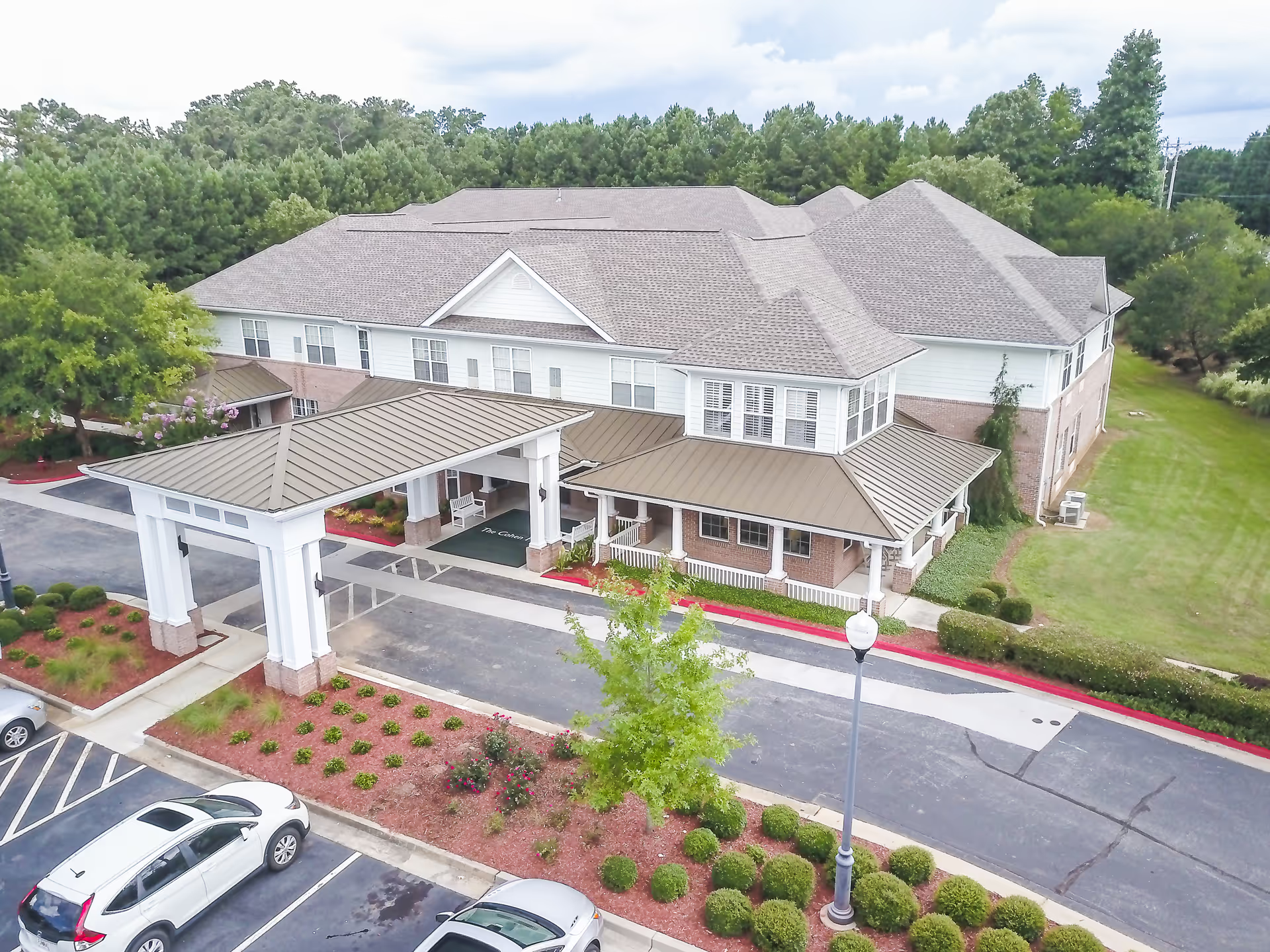
Facility condition feedback is mixed as well. Many reviewers found the main building clean, attractive, and homey with comfortable common areas, while others identified sanitation and odor concerns in parts of the property and raised pest-control issues in individual rooms. The memory-care area was specifically described by some as older, smaller, and darker than the main property; management has indicated plans to relocate or renovate that unit, which prospective residents should confirm.
Management and communication show strengths and weaknesses. Several families praised proactive management, the director’s involvement, and helpful transition support (including moving furniture and coordinating care). Conversely, there are reports of difficulty reaching staff at times, unanswered questions about inspections, and uneven communication during clinical incidents or medication events. A few families described care transitions to hospice and raised concerns following a resident’s death; these comments underline the importance of asking about clinical escalation processes and family notification protocols during a tour.
Overall, Tapestry House appears to offer a supportive, small-community model with strong programming and many dedicated caregivers, but it also exhibits operational variability tied to staffing, cleanliness, and the condition of the memory-care wing. Prospective residents and families should tour multiple times (including mealtimes), ask specific questions about staffing ratios and turnover, review medication and personal-care routines, inspect memory-care accommodations in person, and request recent inspection or pest-control records before deciding.