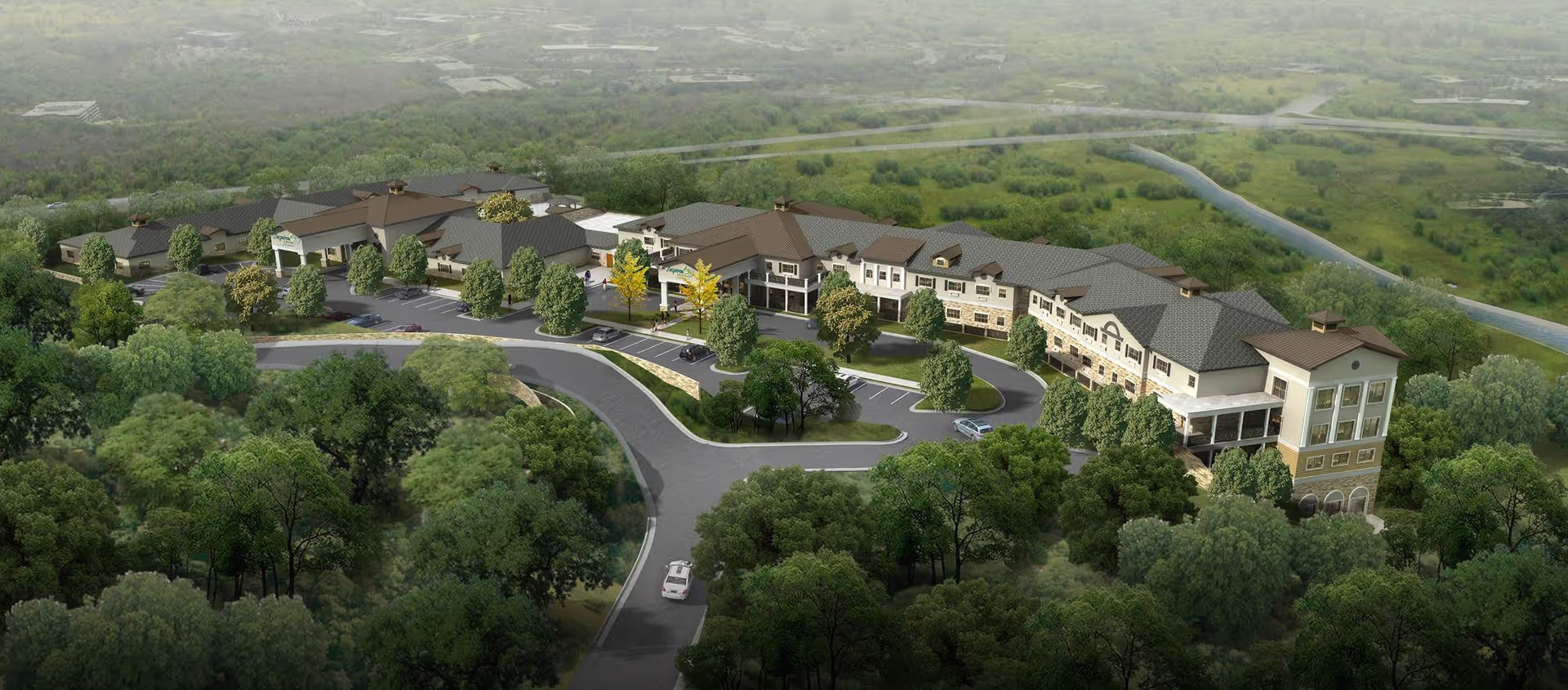
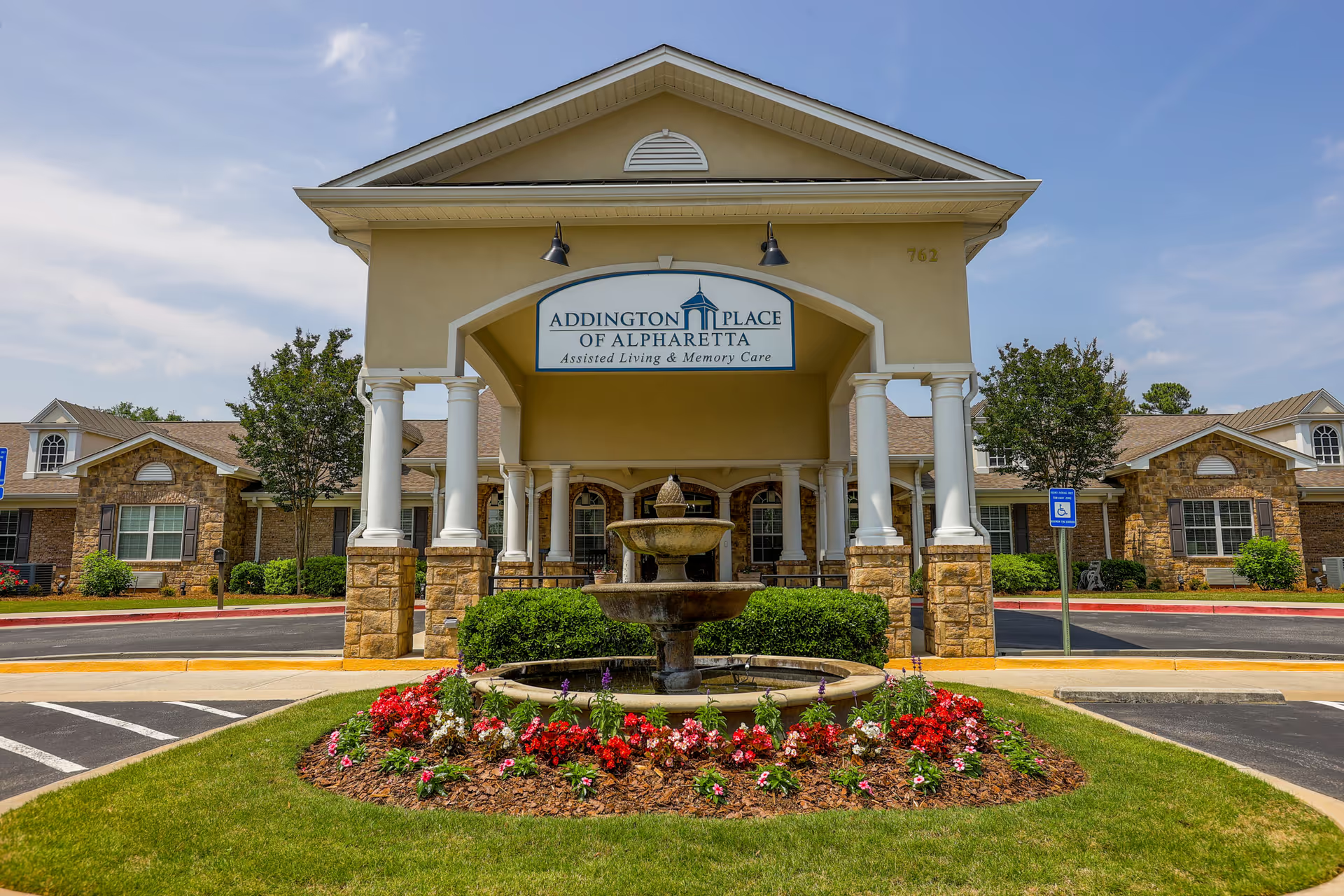
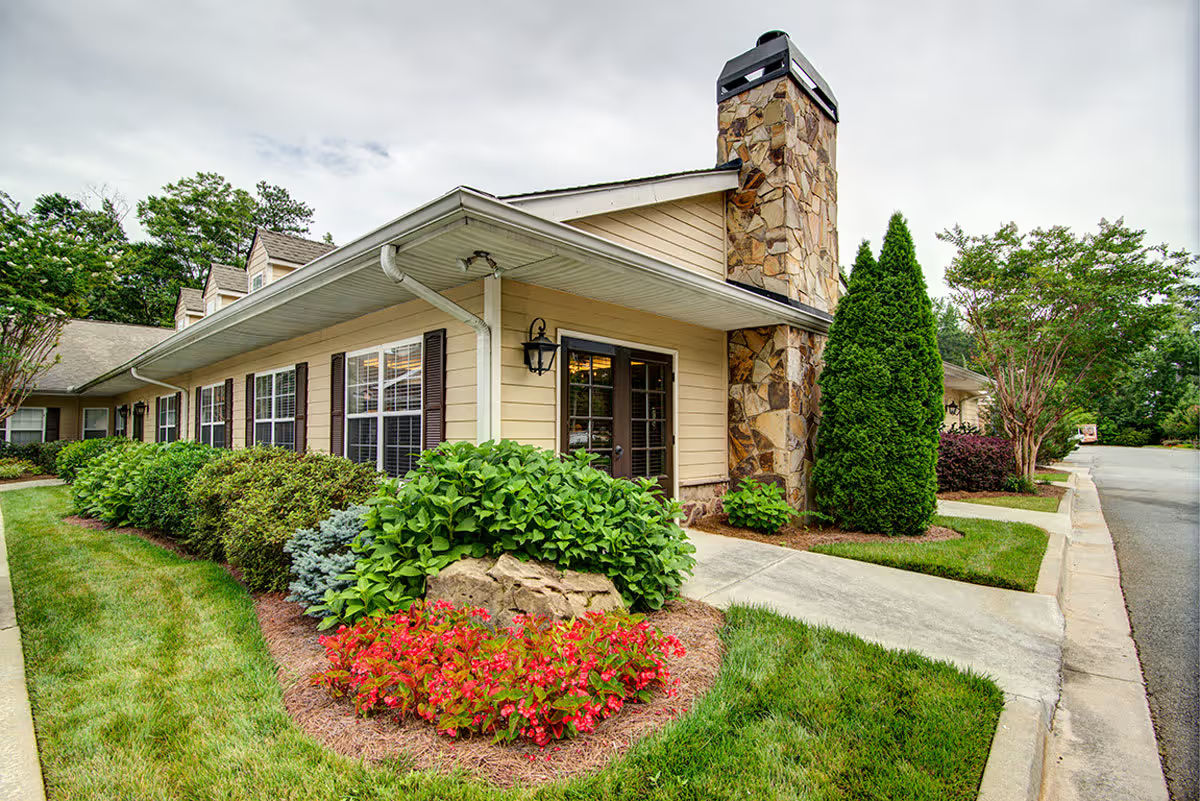
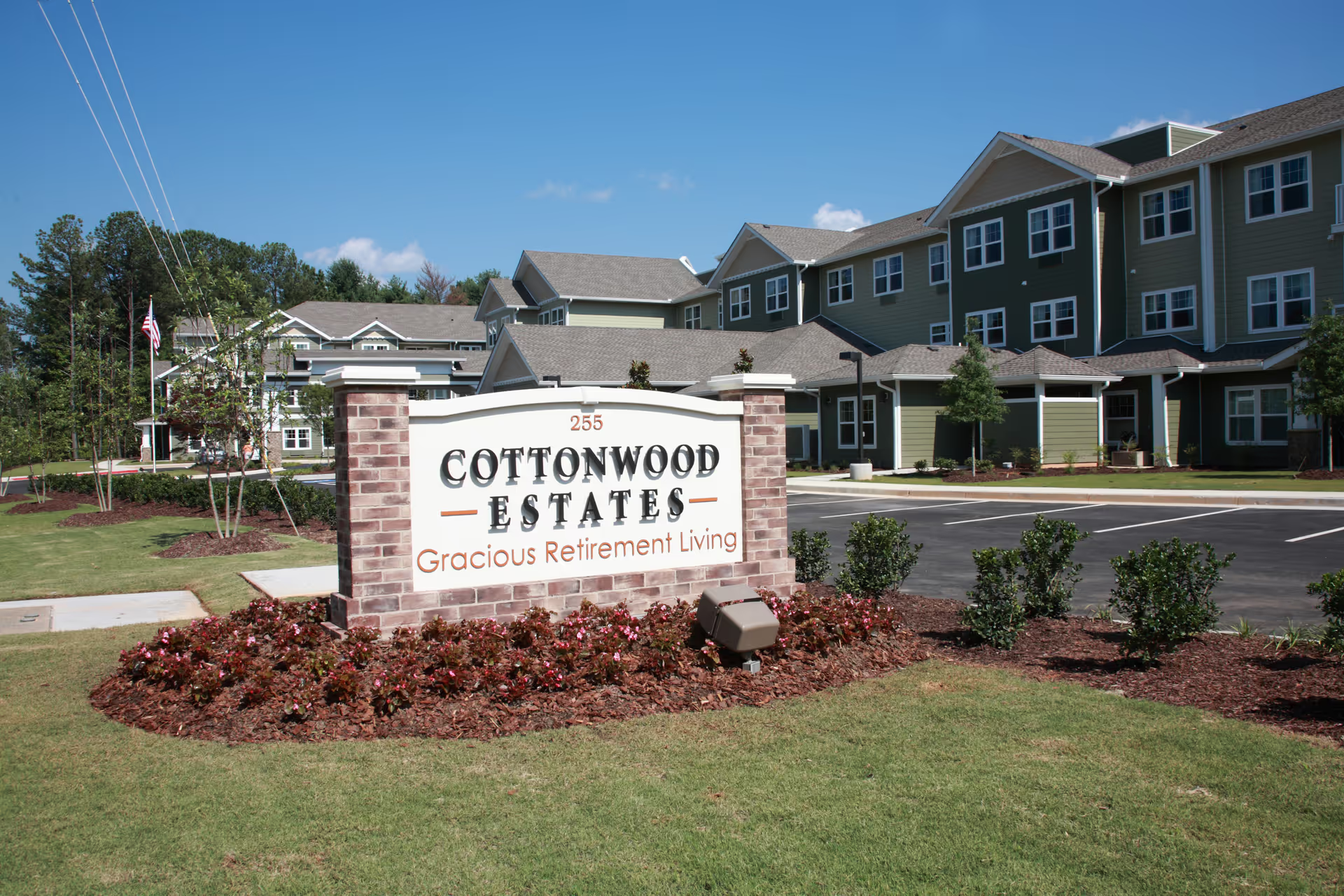
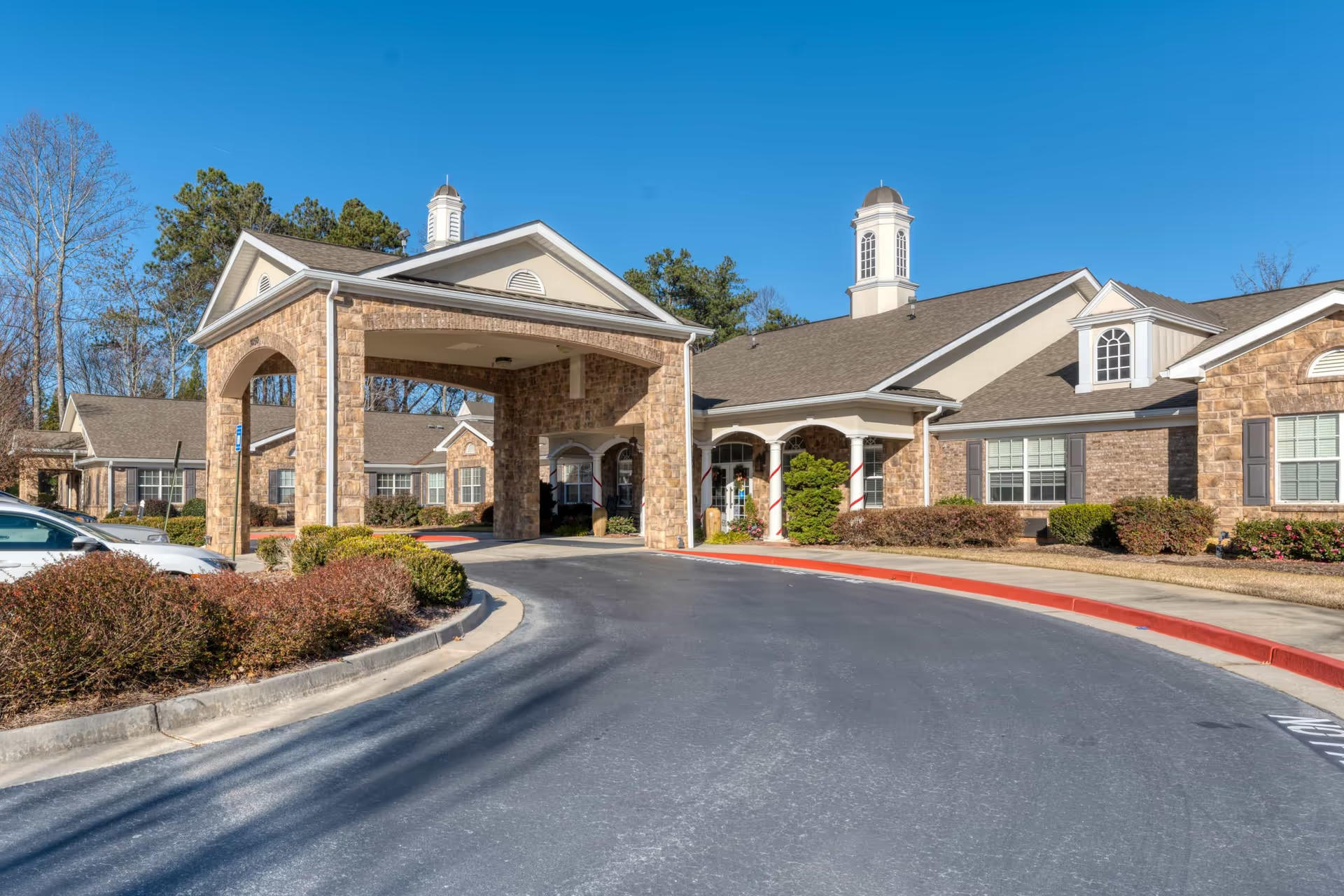
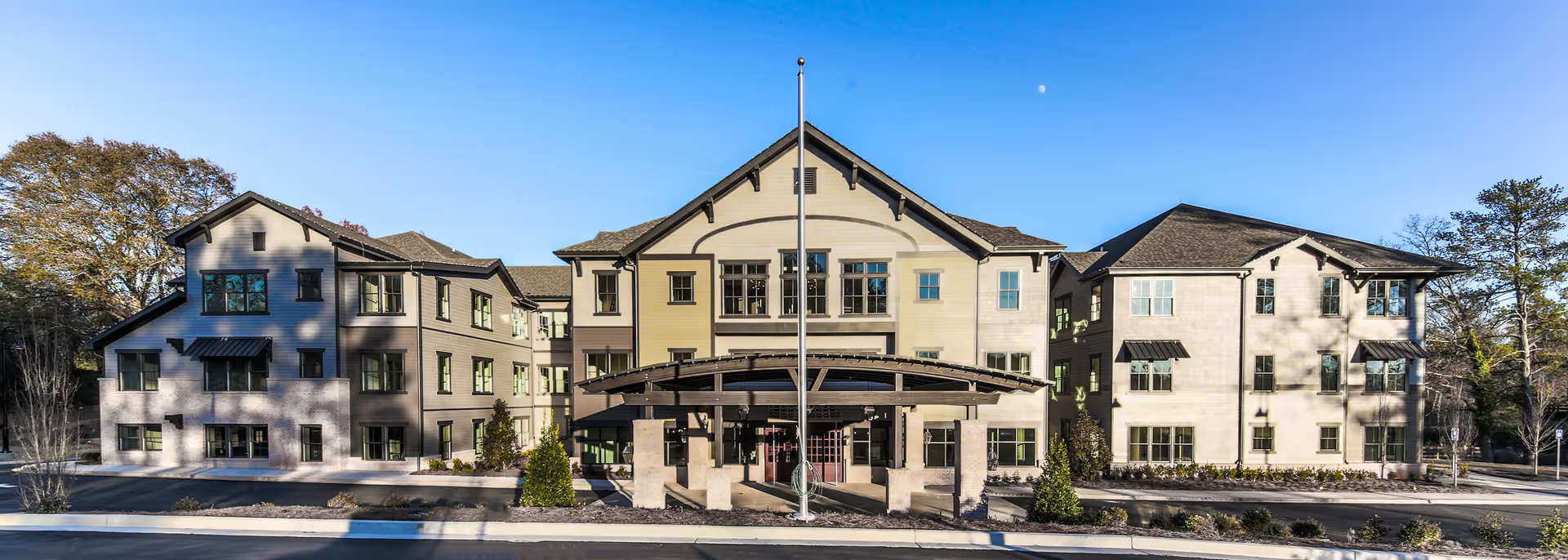
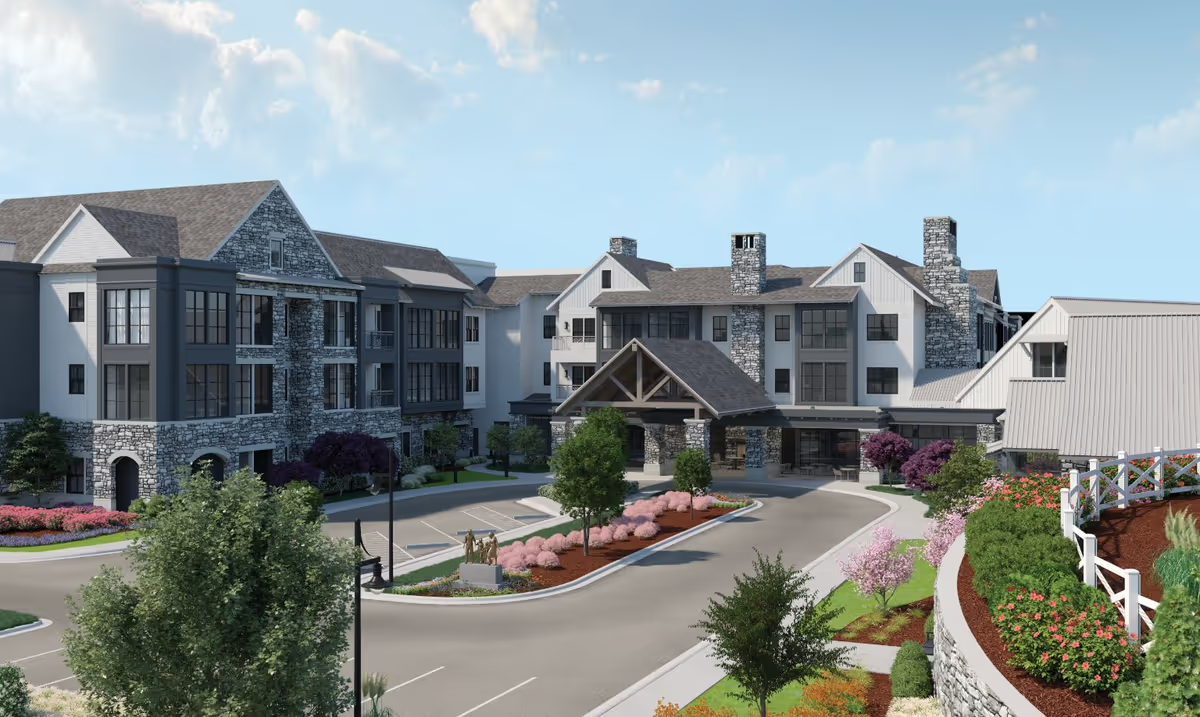
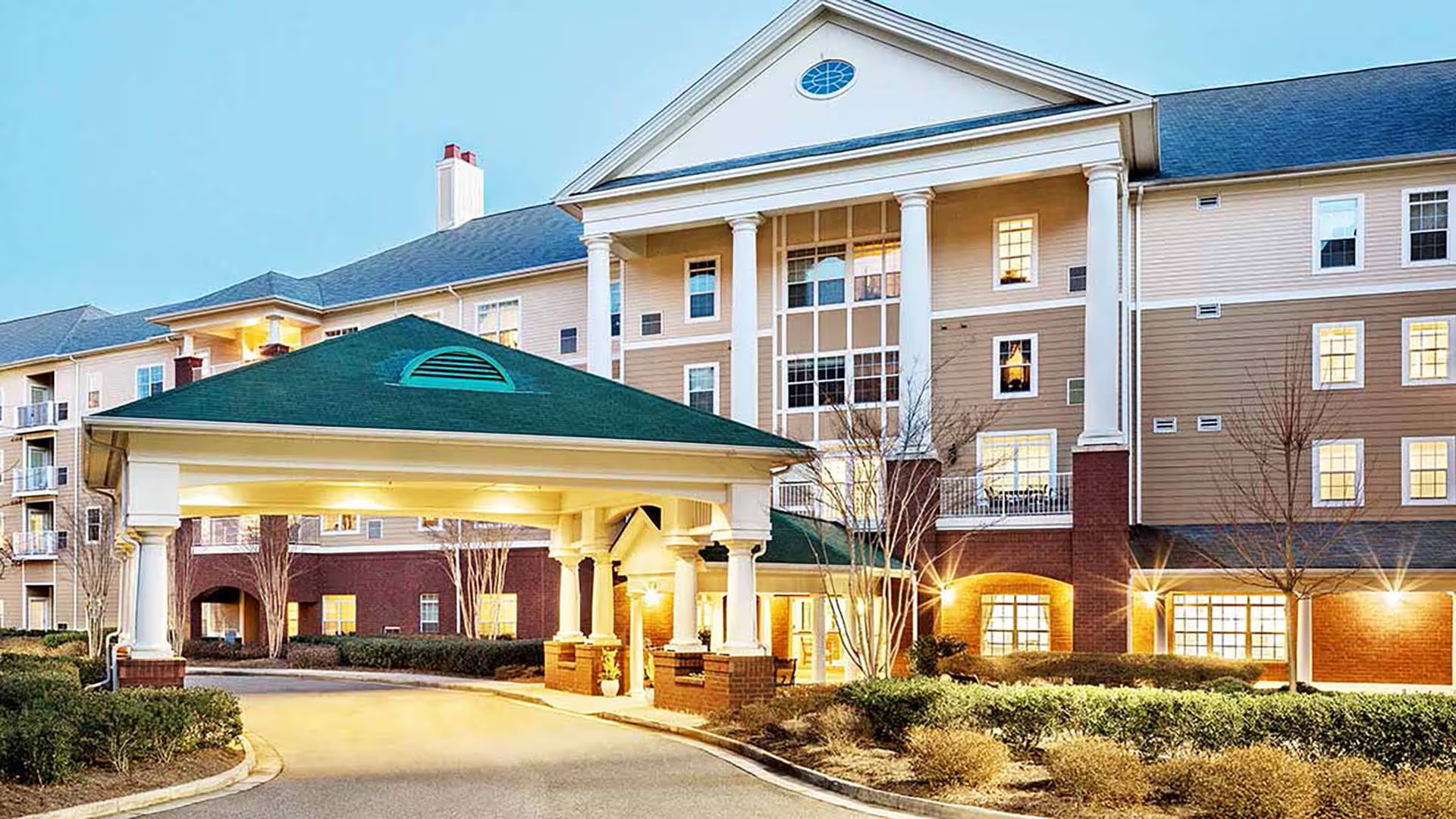
The Crossings at Webb Bridge Road presents a mixed picture across these reviews. Many families praise the facility’s physical environment and therapeutic focus: it is a newer, well‑designed, ground‑floor building with home‑like, bright common areas and a memory‑care specialty. Admissions and tour staff are frequently described as welcoming and efficient, and the community offers a broad activity program (gardening, games, crafts, sing‑alongs, and social events), salon services, and a family‑friendly policy such as a guest meal option. Several accounts also highlight strong, compassionate caregiving, good clinician access (including an on‑site registered nurse), transparent flat‑rate pricing, and generally high marks for food quality and dining when service is functioning as intended.
Care and staffing assessments are the most variable element. Positive accounts describe attentive, communicative staff and a favorable resident-to-staff ratio that supports daily needs and medical appointments. However, other families described inconsistent staffing patterns, frequent use of part‑time or less experienced caregivers, and gaps in clinical competency among some frontline staff. Those operational patterns have been associated with delayed responses to clinical needs, hospital transfers, and family concerns about how clinical incidents were handled and communicated.
Dining, activities, and housekeeping show both strengths and weaknesses. When services are operating smoothly, reviewers report very good meals, regular activities tailored to memory‑care residents, and responsive housekeeping. Conversely, other reports indicate inconsistent meal assistance and dining continuity, laundry mix‑ups, and sanitation concerns such as missed room or bathroom cleaning and incontinence‑care delays. These inconsistencies appear to affect perceptions of value, particularly given the facility’s pricing.
Facility maintenance and systems reliability are another recurring theme. The physical plant is generally described as attractive and well maintained, but several reviews cite environmental‑system issues (air conditioning failures, persistent alarm conditions) and a need for more consistent preventive maintenance. Families also expressed concern about leadership visibility and operational oversight; several reviewers linked perceived declines in care quality to management changes or corporate policy shifts and described variable responsiveness from administrators and regional leadership.
In summary, The Crossings offers many attributes that families seek in a memory‑care community: modern design, an array of activities, attentive admissions staff, and the presence of clinical staff such as an on‑site RN. At the same time, there are repeated, facility‑level concerns around staffing consistency, frontline clinical competence, housekeeping and incontinence‑care practices, meal‑service continuity, and environmental maintenance. Prospective residents and families should weigh the facility’s strong physical environment and program offerings against these operational patterns, and when considering placement request specific and current information about staffing ratios, clinical oversight, housekeeping schedules, HVAC and alarm maintenance records, and the facility’s plan for addressing any recent management changes.