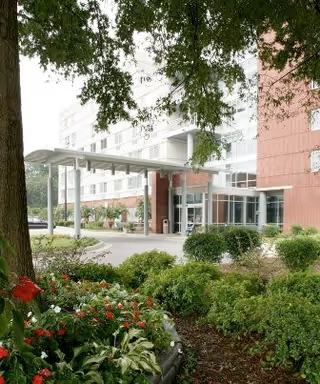
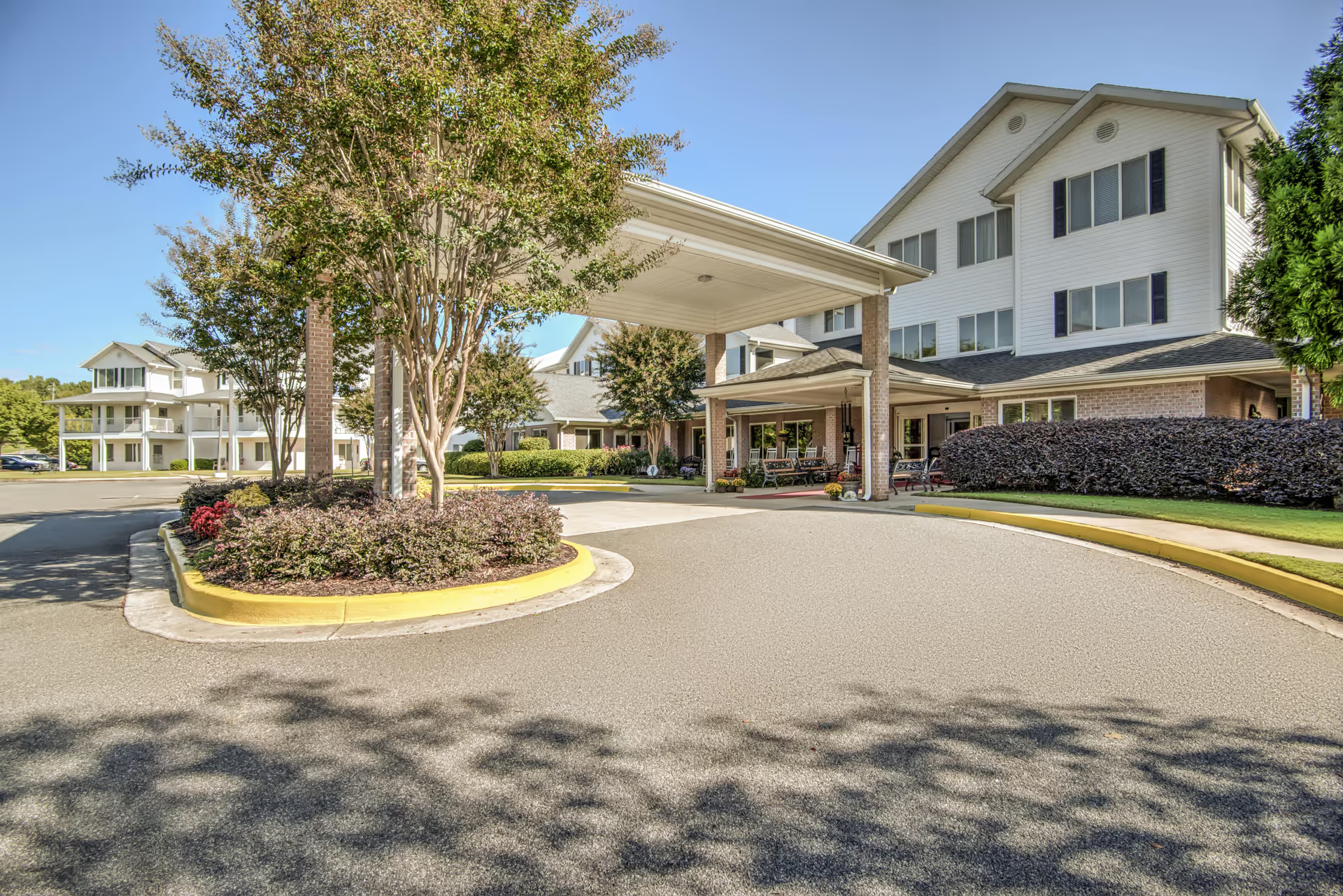
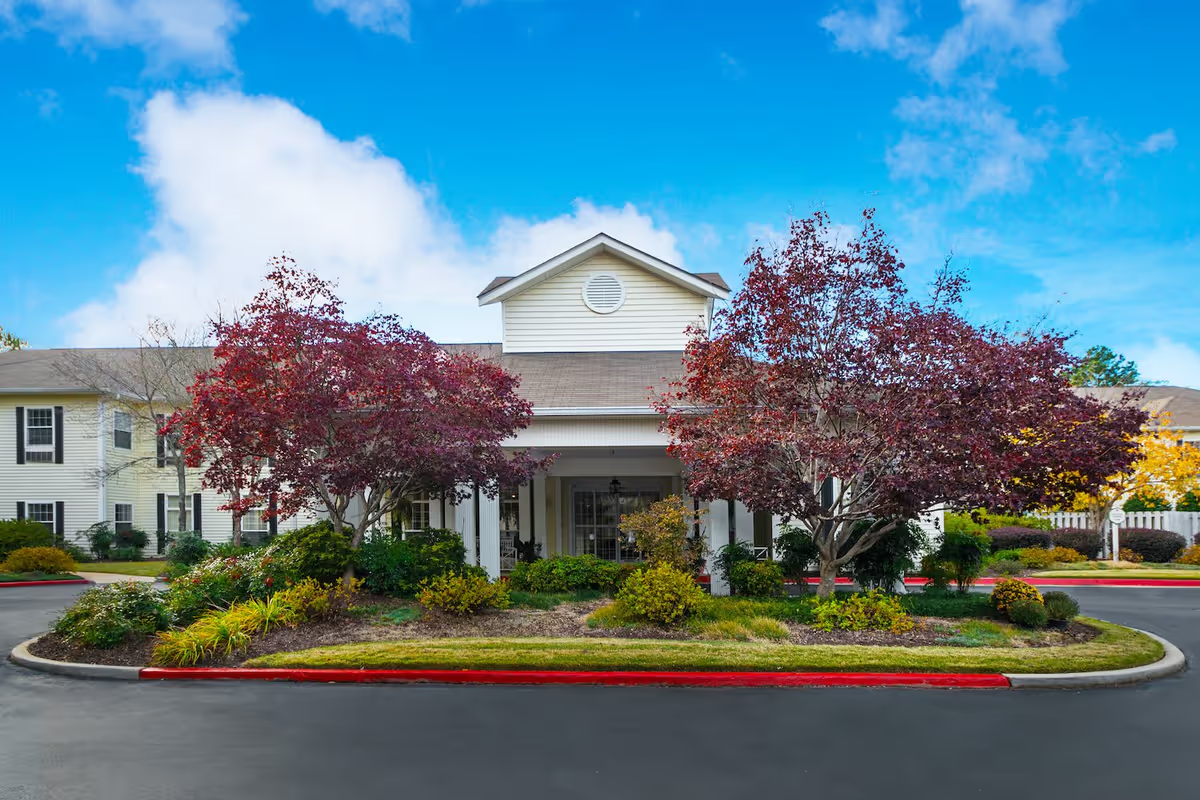
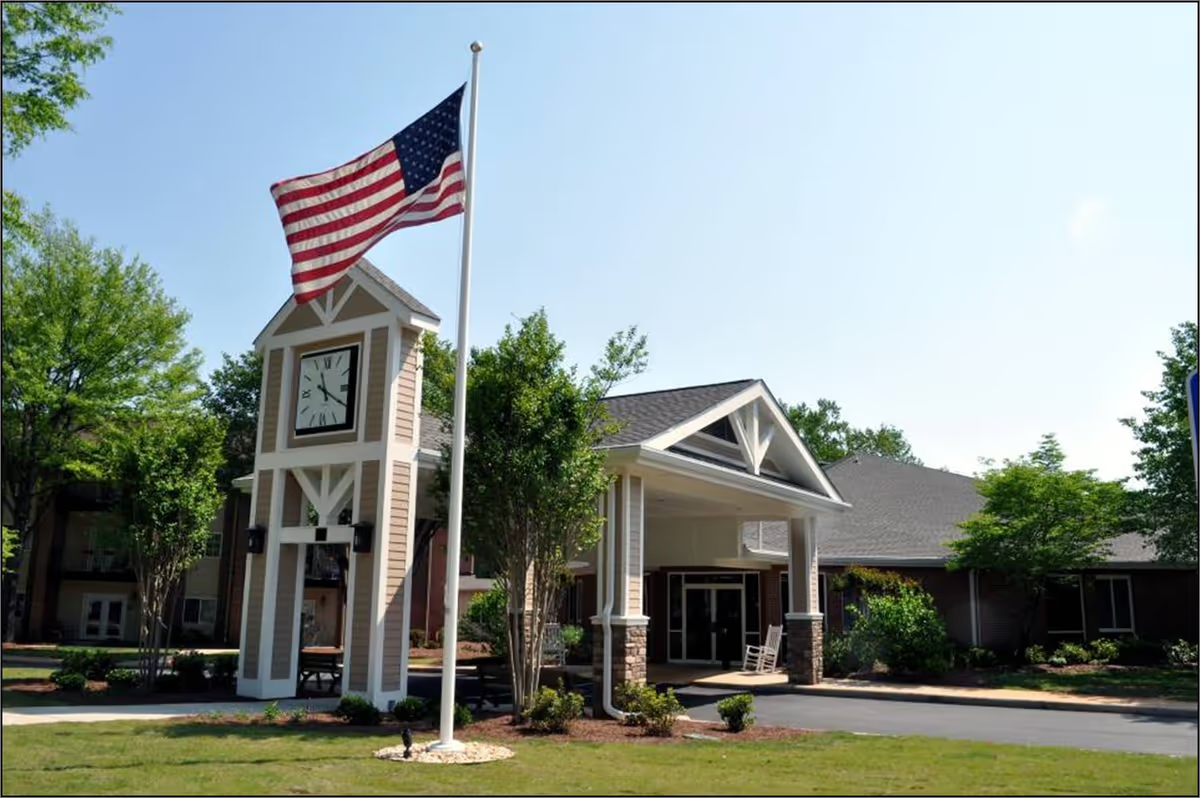
The reviews for PruittHealth - Athens Heritage describe a facility with a mix of notable strengths and recurrent operational concerns. Positive experiences are concentrated around the facility’s rehabilitation services: physical and occupational therapy are frequently described as effective, with several families reporting measurable functional improvements and supportive discharge planning. Many reviewers also described individual nursing aides and therapists as caring, helpful, and attentive, and some families highlighted a clean, well-maintained building and pleasant communal dining areas and activities.
At the same time, a consistent theme across negative reviews is variability in baseline nursing and direct-care performance. Reviewers raised concerns about staffing levels, high turnover, and long waits for assistance, particularly at night and during busy periods. These staffing inconsistencies were linked to delays in responding to call lights, prolonged waits for toileting and hygiene assistance, and missed or delayed interventions. Several accounts identified gaps in wound and pressure-area management and inconsistent medication administration or documentation, which are operational vulnerabilities with potential clinical consequences.
Dining and nutrition were described unevenly: some reviewers praised meals and the dining environment, while others cited late tray delivery, inconsistent plating, missing menus, and difficulties ensuring dietary restrictions were followed. Therapy and rehabilitation programming and communal activities were generally viewed positively, with daily walks and therapy-focused care receiving particular praise from families whose goals were recovery-oriented.
Facility systems and management elicit mixed impressions. Some families found administrative staff responsive and proactive, and noted improvements in quality metrics; others described difficulties communicating with administration, delayed responses to concerns, and problems coordinating between departments (nursing, dietary, therapy, and administrative services). Operational issues such as a nonfunctional nurse-call system, inconsistent equipment provisioning at discharge, and sanitation or odor concerns in select areas were also cited. A subset of reviews raised serious concerns about staff conduct and professionalism, privacy during personal care, and infection-control consistency; these accounts suggest variability in staff training, supervision, and adherence to protocols.
Overall, the pattern indicates that residents receiving structured, therapy-focused stays often experience good clinical progress and supportive staff interactions, while long-stay and higher-dependency residents are more likely to be affected by staffing shortfalls and system gaps. Prospective residents and families should weigh the facility’s rehabilitative strengths and the presence of caring staff against the documented variability in routine nursing responsiveness, wound care, medication processes, sanitation practices, and departmental coordination. Direct inquiries about current staffing ratios, wound-care protocols, nurse-call reliability, infection-control procedures, and discharge-equipment policies are advisable before placement to assess whether the facility’s present operations meet the needs of a particular resident.