The aggregate of reviews for University Nursing & Rehabilitation Center presents a strongly polarized picture: many families describe attentive, compassionate caregiving and strong rehabilitation outcomes, while others describe systemic operational problems that affected care quality and comfort.
Care quality and clinical services: A notable strength is the facility's rehabilitation program. Multiple accounts praise individualized physical and occupational therapy, with measurable improvement for some residents. Nursing and therapy staff are frequently described as professional and compassionate, and several families highlighted attentive CNAs and follow-up communication from clinical leaders. Conversely, other reviewers describe inconsistent clinical oversight: delayed responses to call buttons, gaps in medication administration, missed or incomplete wound and incontinence care, and concerns about responsiveness during nights and weekends. These divisions suggest variable performance across shifts and staff assignments rather than uniform service levels.
Staff and culture: Reviewers repeatedly named individual staff members and therapy teams positively, indicating pockets of strong frontline performance and family-focused interactions. At the same time, recurring themes include staffing shortages, high turnover, and a workplace culture that some described as strained; these factors were linked to delayed care, inconsistent attention, and periodic lapses in resident safety practices. Communication tone and courtesy from certain managers and clinical leaders were also cited as inconsistent, contributing to strained family–staff interactions in some cases.
Dining and activities: Experiences of food and activities are mixed. Several families reported nutritious, well-presented meals served with friendly dining staff and an active calendar of social programming. Others noted limited meal variety or missing items at service. Activity offerings and a pleasant dining area were frequently listed as positives where families had a favorable experience.
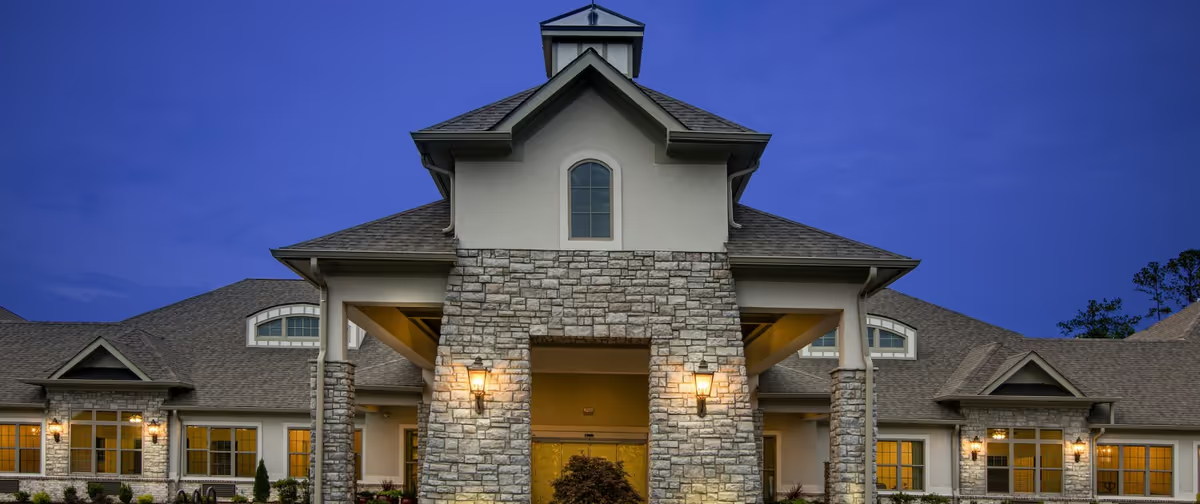
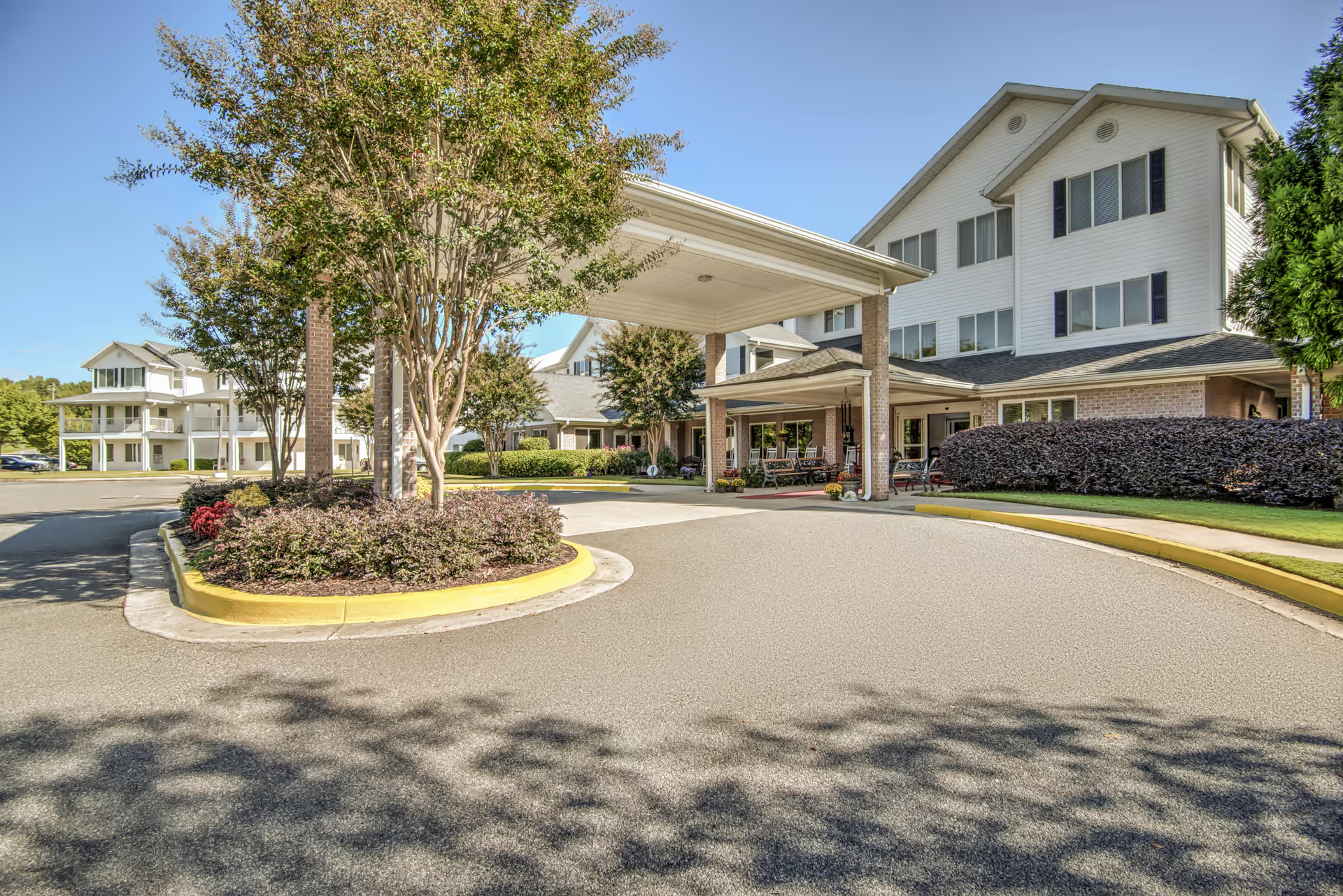
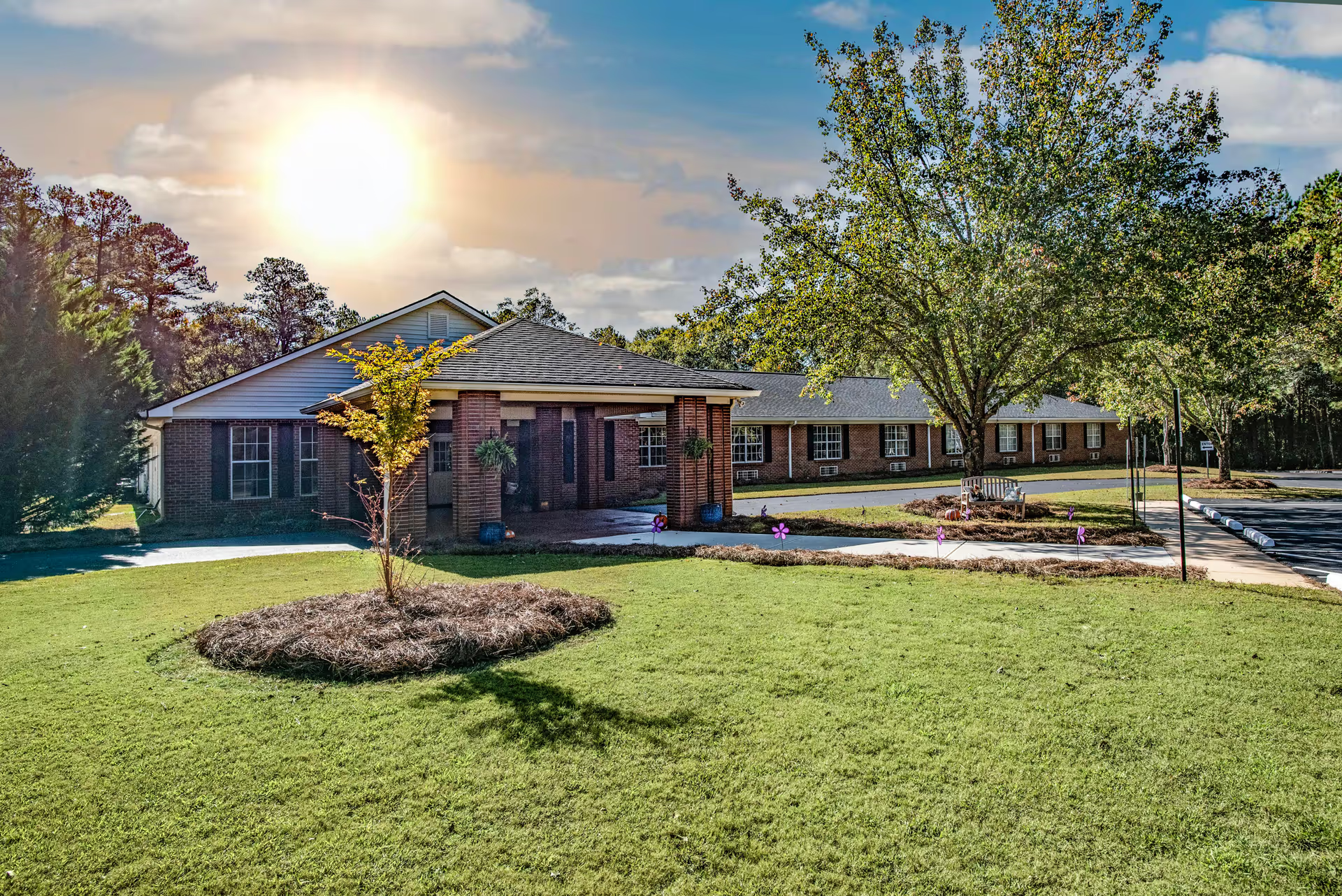
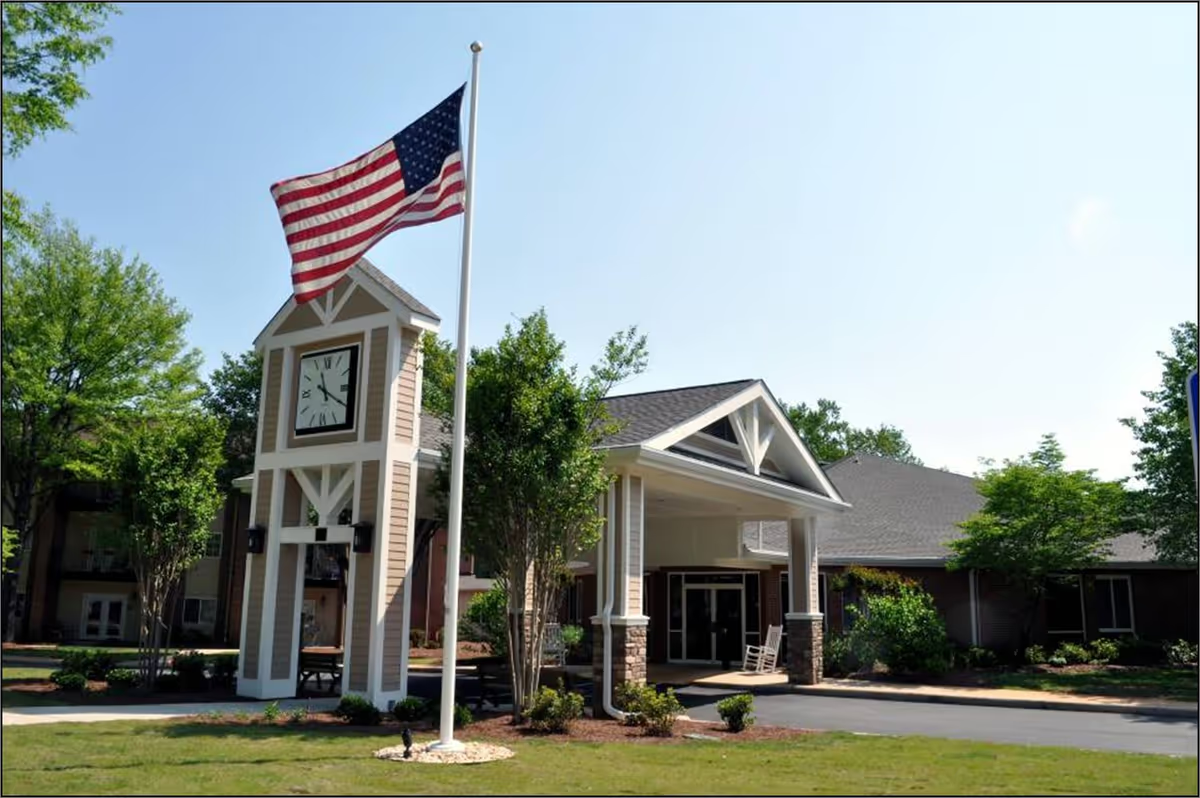
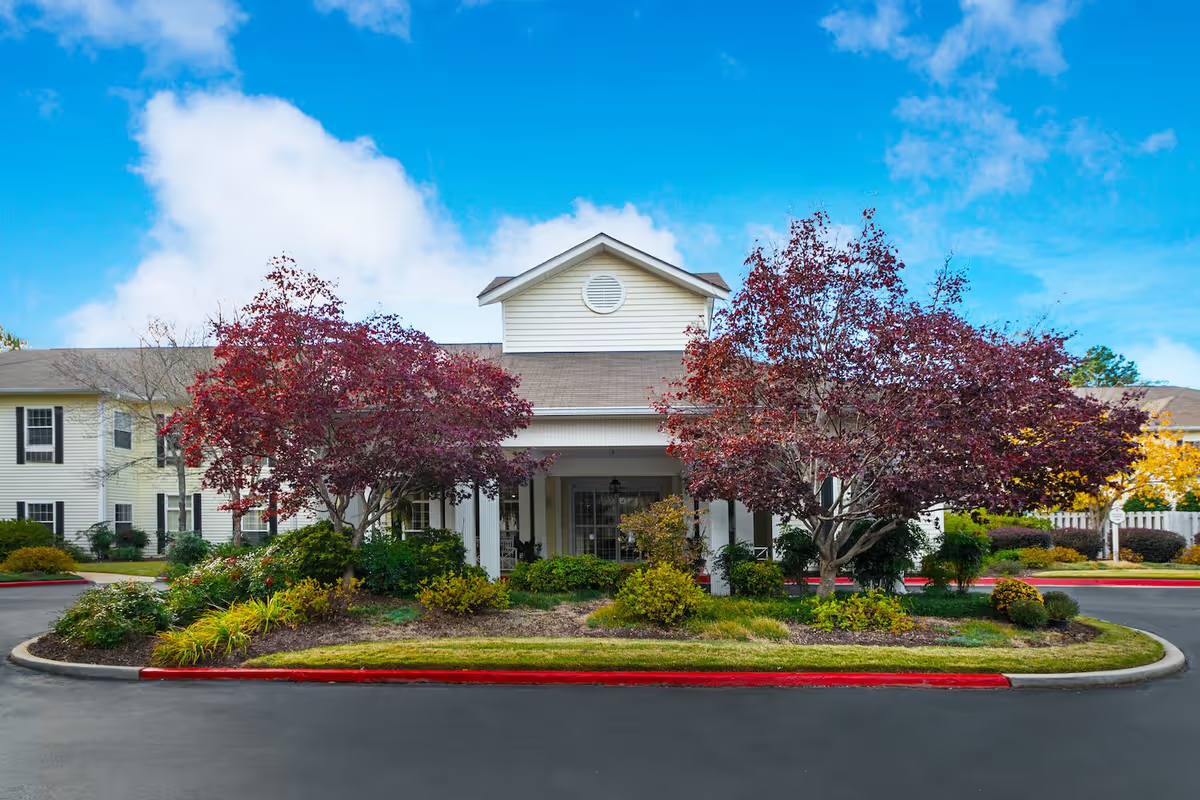
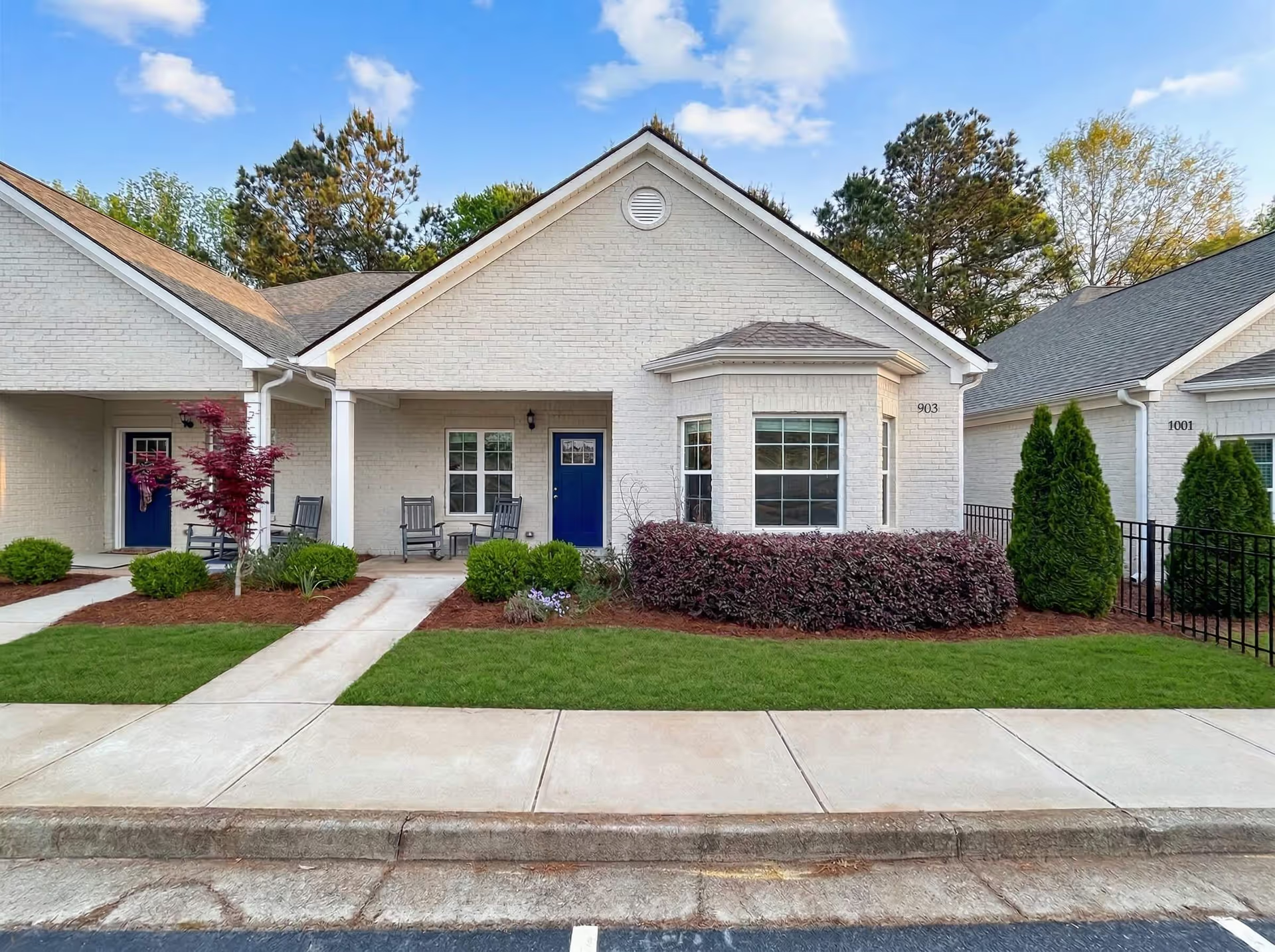
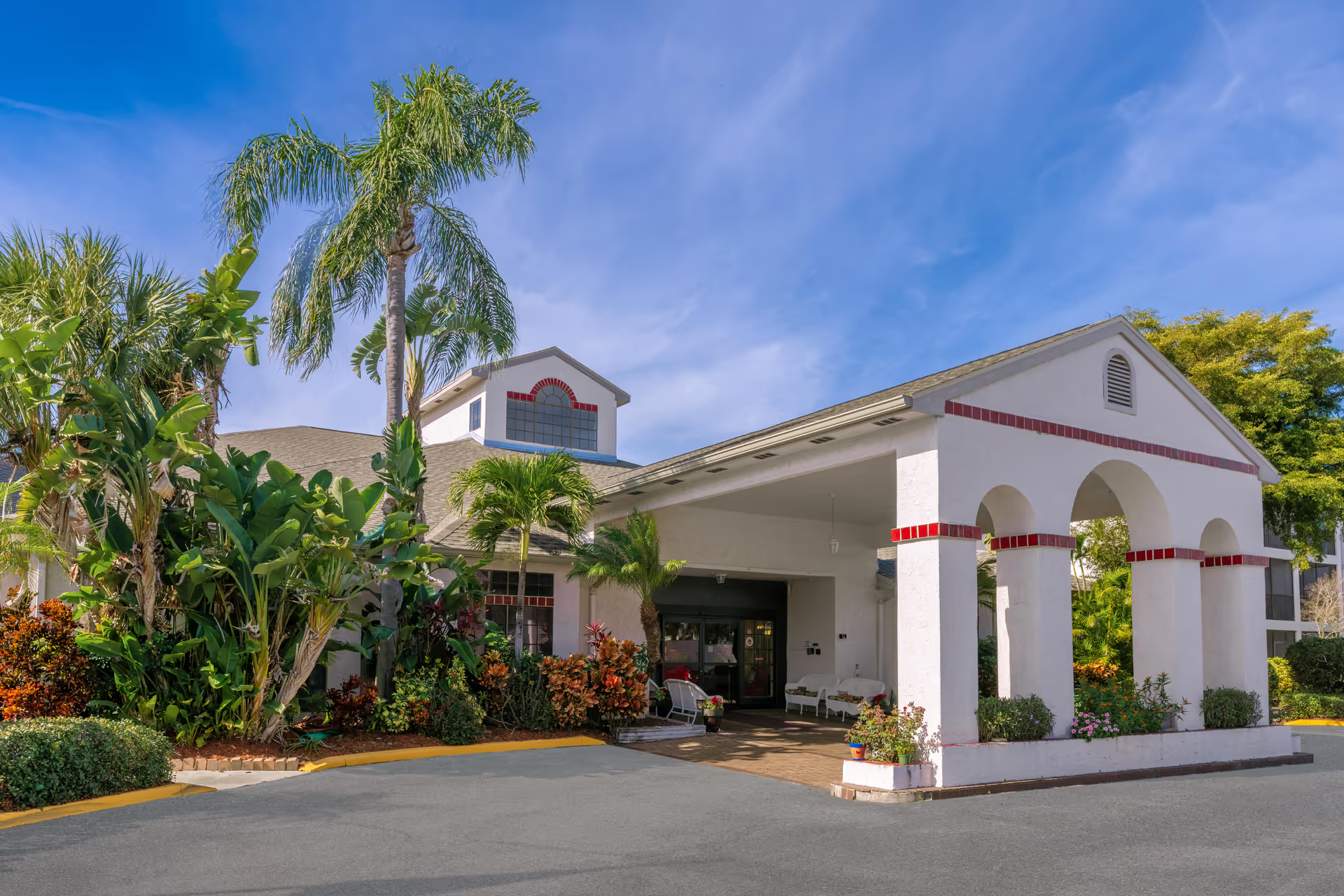
Facilities and safety: Comments about the physical plant vary widely. Many reviewers described clean, well-maintained common areas, plenty of natural light, and a welcoming environment. In contrast, other reports describe aging infrastructure, maintenance shortfalls, crowded rooms (including triple occupancy), restroom and shower access issues, and odor-control problems. Safety-related concerns mentioned include inconsistent use of bed rails, transfer-safety practices, and responsiveness to fall-risk situations; these are operational patterns to investigate when assessing the facility.
Management and complaints: Several reviewers praised organized admissions, informative follow-up calls, and specific managers or clinical leaders who were responsive. However, there are also multiple accounts of weak family communication, runaround during care coordination, and frustrations with complaint handling timelines. A subset of reviews raises serious allegations, including concerns following a resident's death and delayed investigation of complaints; those accounts stand out as critical issues to verify through regulatory records and direct inquiry.
Notable patterns and guidance: The most consistent pattern is variability — many families experienced high-quality, compassionate rehabilitation and nursing care, while others encountered lapses tied to staffing, maintenance, and communication. Prospective residents and families should observe shift-to-shift staffing levels, review recent inspection and complaint records, inquire about night/weekend coverage, ask for specifics on incontinence, wound and medication protocols, and schedule a visit during mealtime and therapy hours to gauge environment and activity engagement. This facility appears to have both strong clinical resources and operational vulnerabilities; direct, targeted inquiry and observation will best determine whether it meets an individual resident's needs.