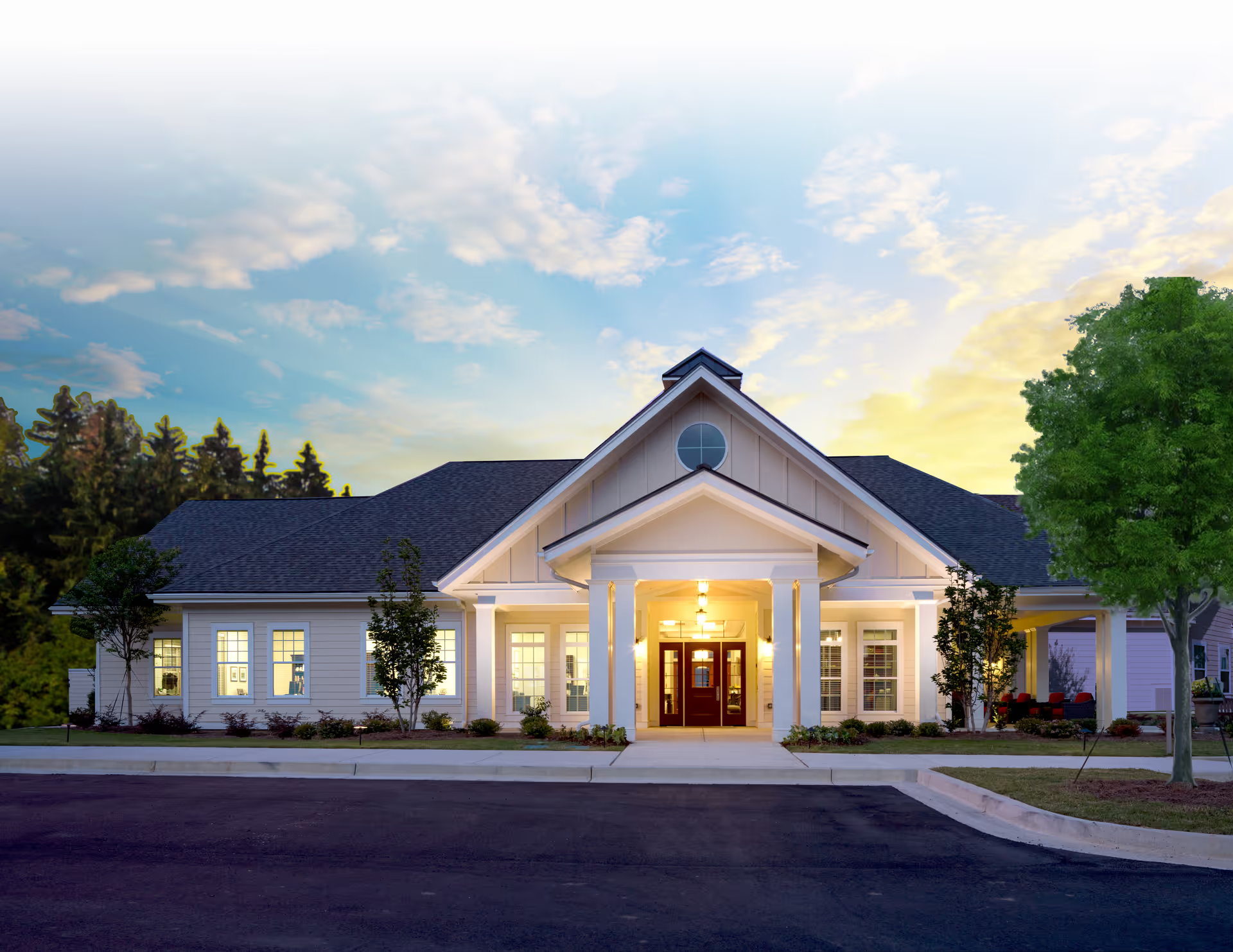
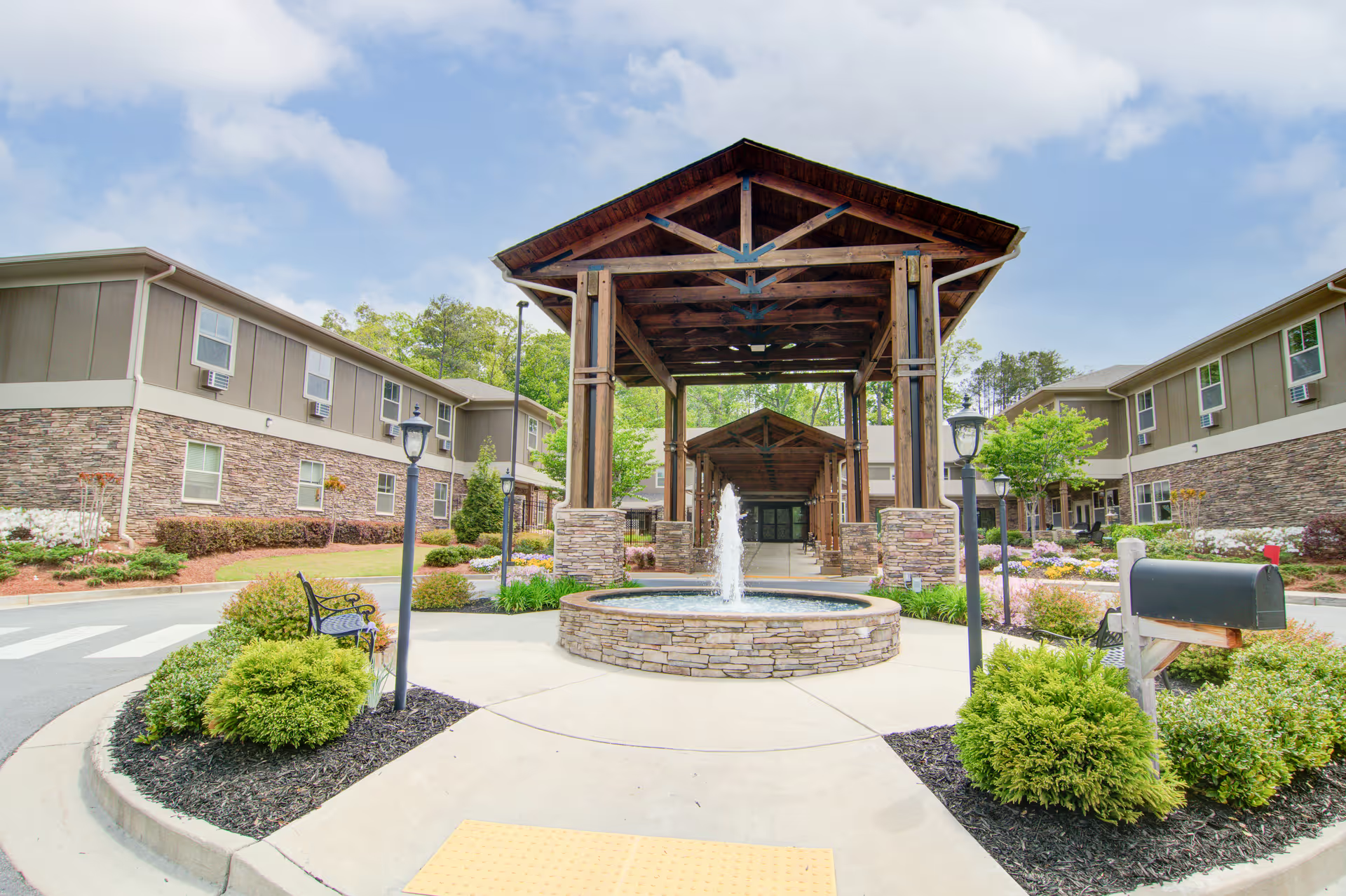
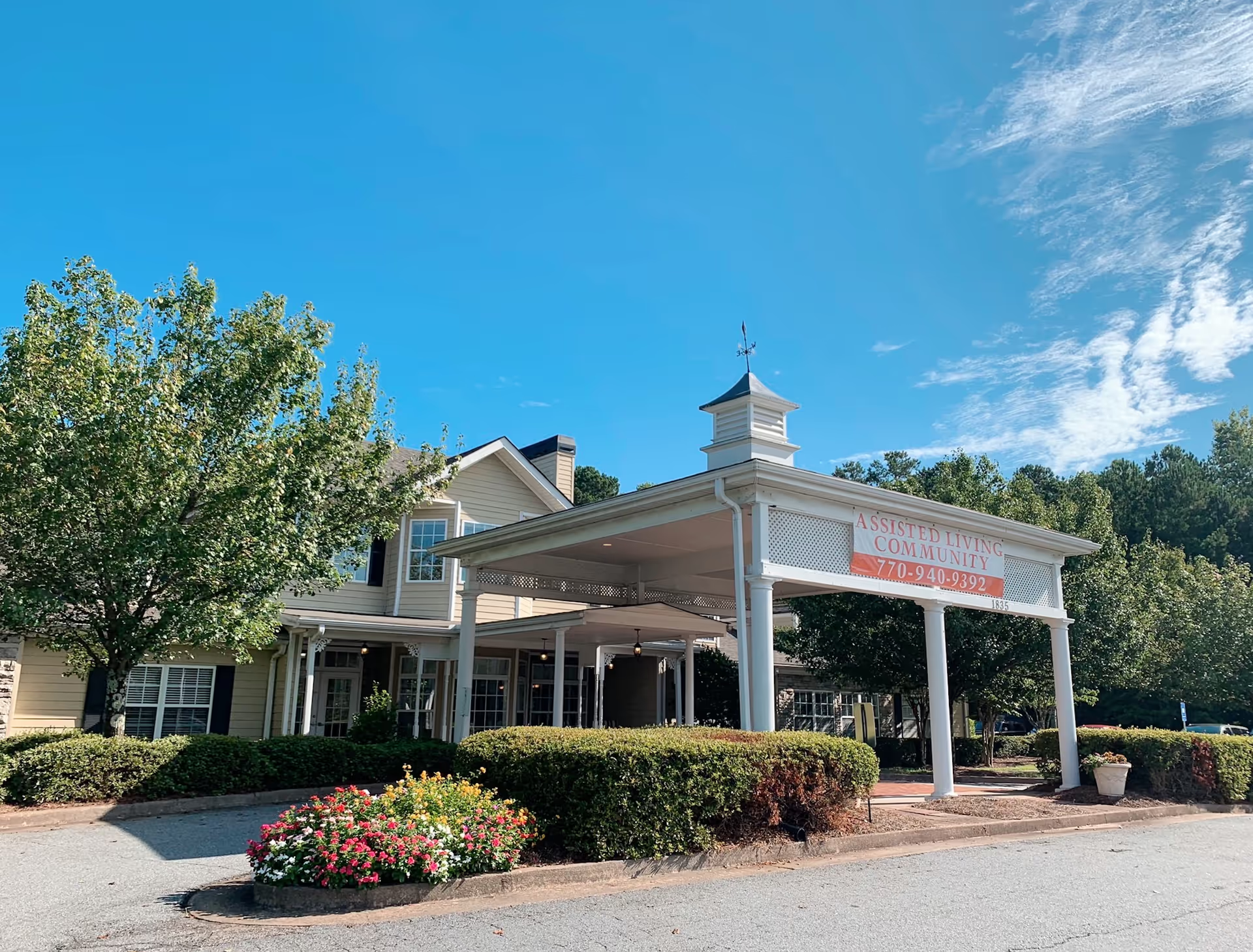
The review corpus for Canton Center for Nursing and Healing is strongly mixed, with distinct clusters of praise and critique. Many families and short-term rehab patients commend the facility for its rehabilitation services, noting skilled physical/occupational/speech therapy teams and measurable functional gains. Nursing aides and several nurses are frequently described as compassionate, attentive, and able to create a warm, family-like atmosphere. Operational strengths cited include a secure and efficient visitor check-in process, strong administrative help with insurance appeals or discharge planning, and the ability to rapidly resolve discrete clinical equipment issues.
Counterbalancing those positives are recurrent operational concerns that may affect day-to-day safety and comfort. Staffing levels and responsiveness are the most consistent themes: reviewers describe long response times to call buttons, limited weekend coverage, and periods of apparent understaffing that correlate with delays in personal care and missed or mistimed treatments. Medication-administration and treatment-delivery inconsistencies are reported across multiple accounts, and that inconsistency extends to basic personal-care routines (bathing/bedside hygiene) and provision of water and nutrition at times. Sanitation and odor concerns are noted in certain units or shifts, and housekeeping quality appears variable between rooms and over time.
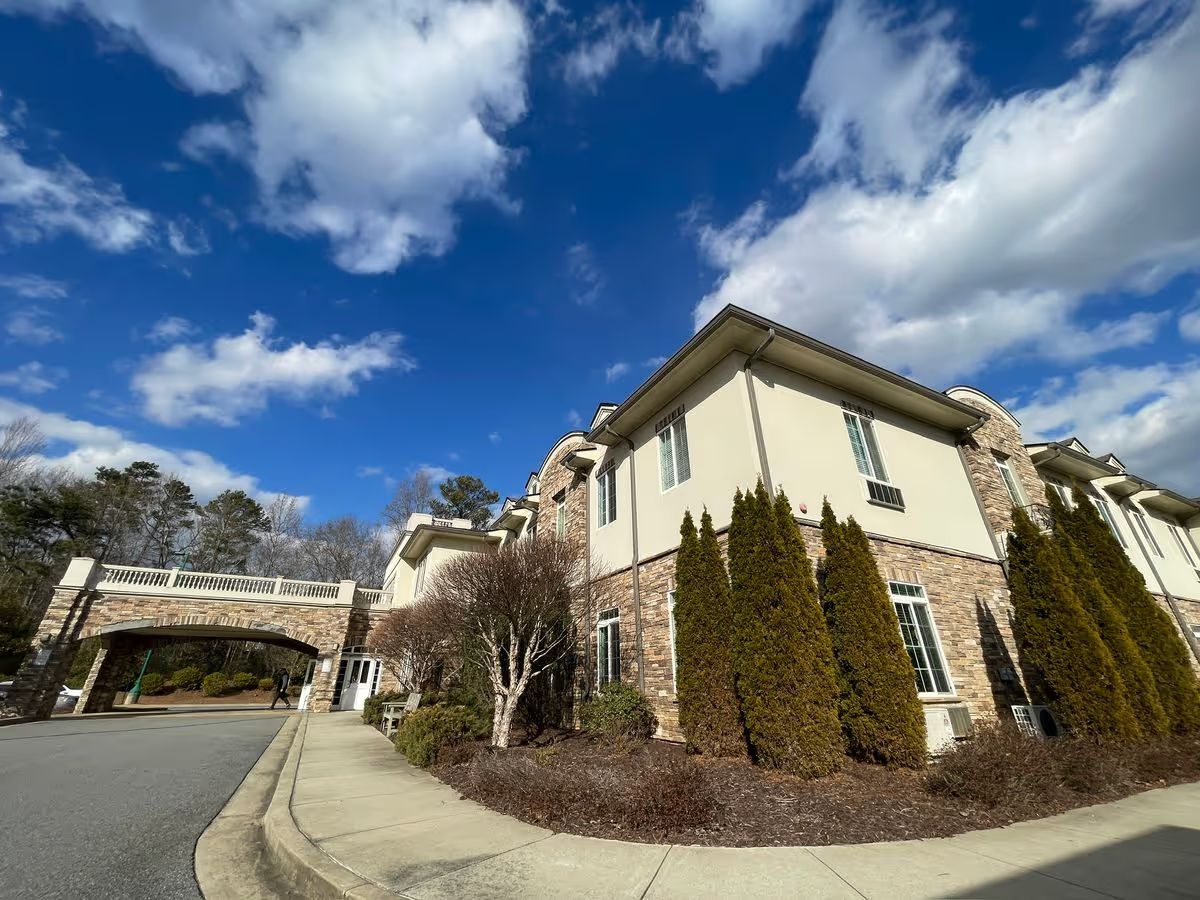
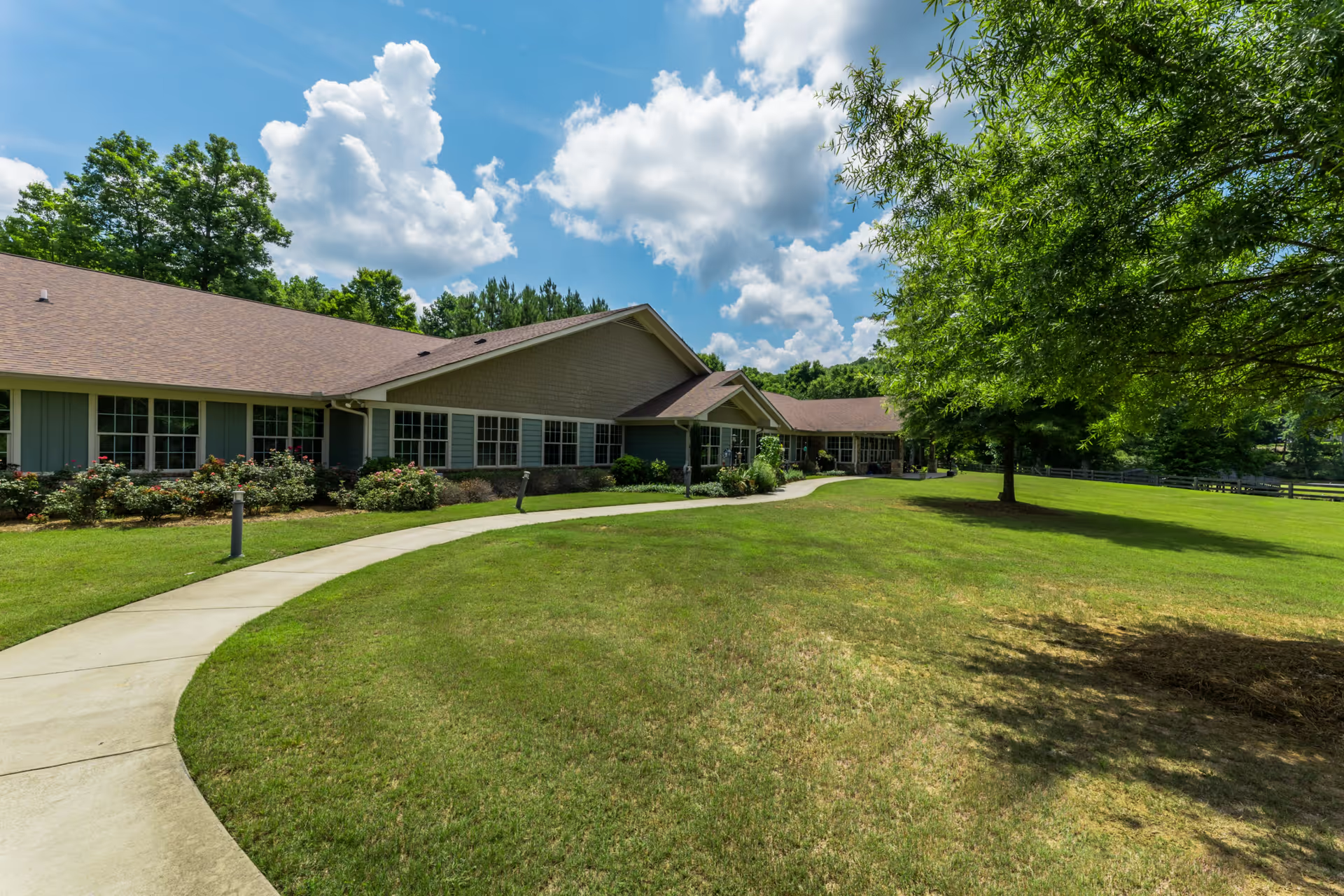
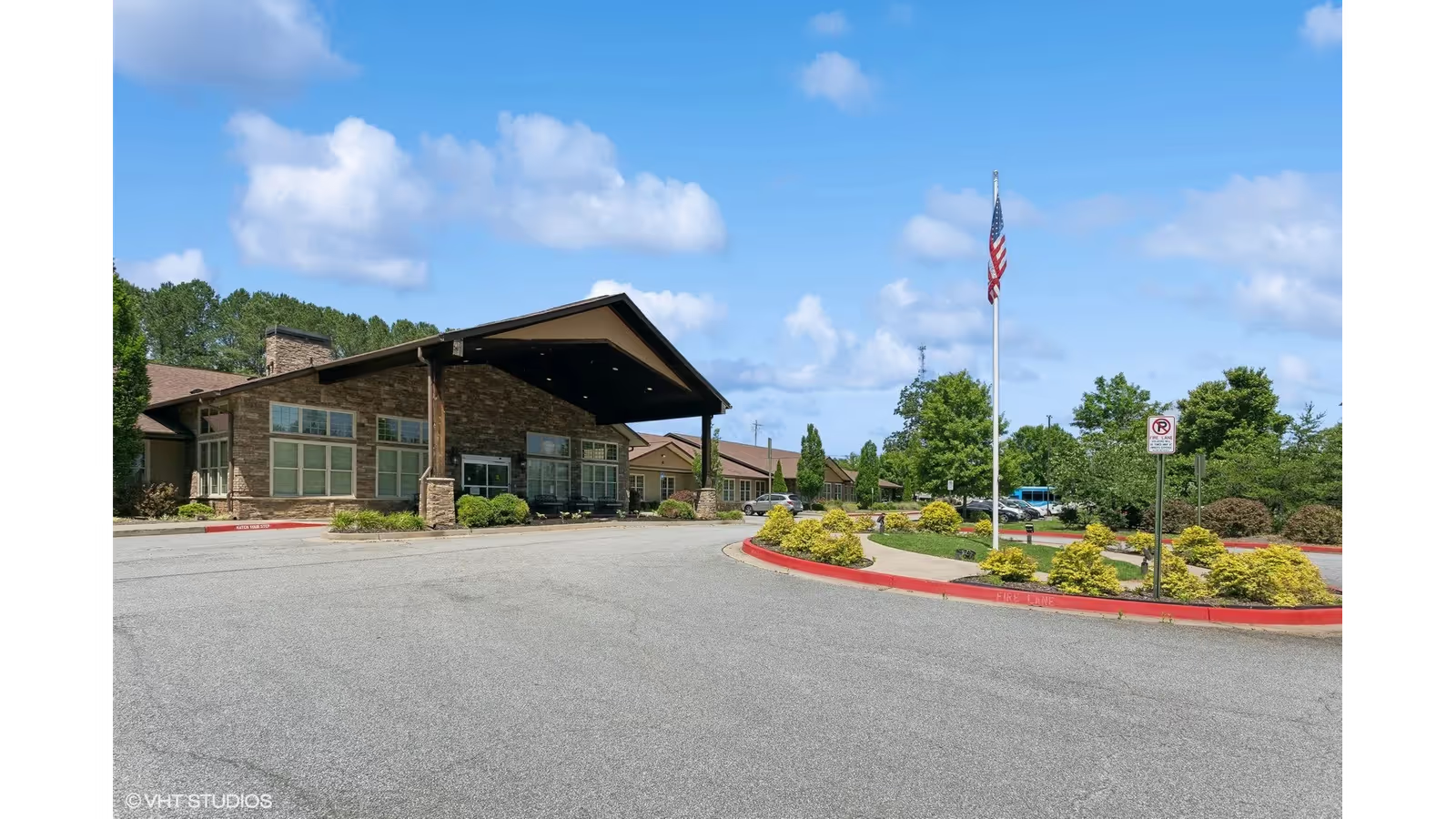
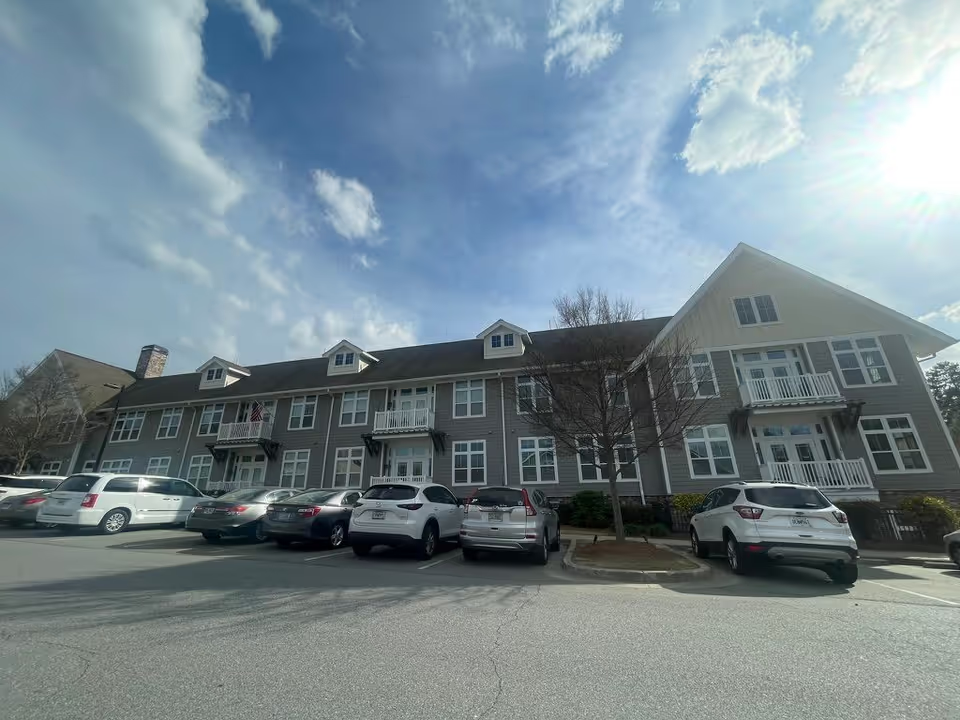
Facility and management issues emerge as a separate pattern. The building is described as older in places, with maintenance variability and worn furniture in some areas despite well-kept common spaces elsewhere. Several families point to uneven leadership, staff turnover, and episodes of walkouts or management change that coincide with degraded service. Communication gaps with families — including delays in clinical updates, difficulty reaching staff by phone, and problems around transitions and end-of-life communication — are recurring themes. There are also isolated, serious allegations (for example, concerns about resident-to-resident incidents and troubling staff conduct) and reports of missing personal items following a resident death; these are less frequent but raise questions about incident management, property-tracking, and family notification protocols.
Taken together, the pattern suggests a facility that can deliver high-quality rehabilitation and has many dedicated staff, but whose performance is variable and appears sensitive to staffing levels, leadership stability, and shift coverage. Prospective residents and families should weigh the facility’s strong therapy reputation and examples of attentive care against the documented variability in housekeeping, personal-care routines, medication and treatment reliability, and management consistency. When considering admission, it would be reasonable to ask for current staffing ratios, weekend coverage plans, medication-administration protocols, documentation procedures for personal property, examples of recent quality-improvement efforts, and references from recent families who had stays similar to the intended level of care (short-term rehab vs long-term skilled nursing).