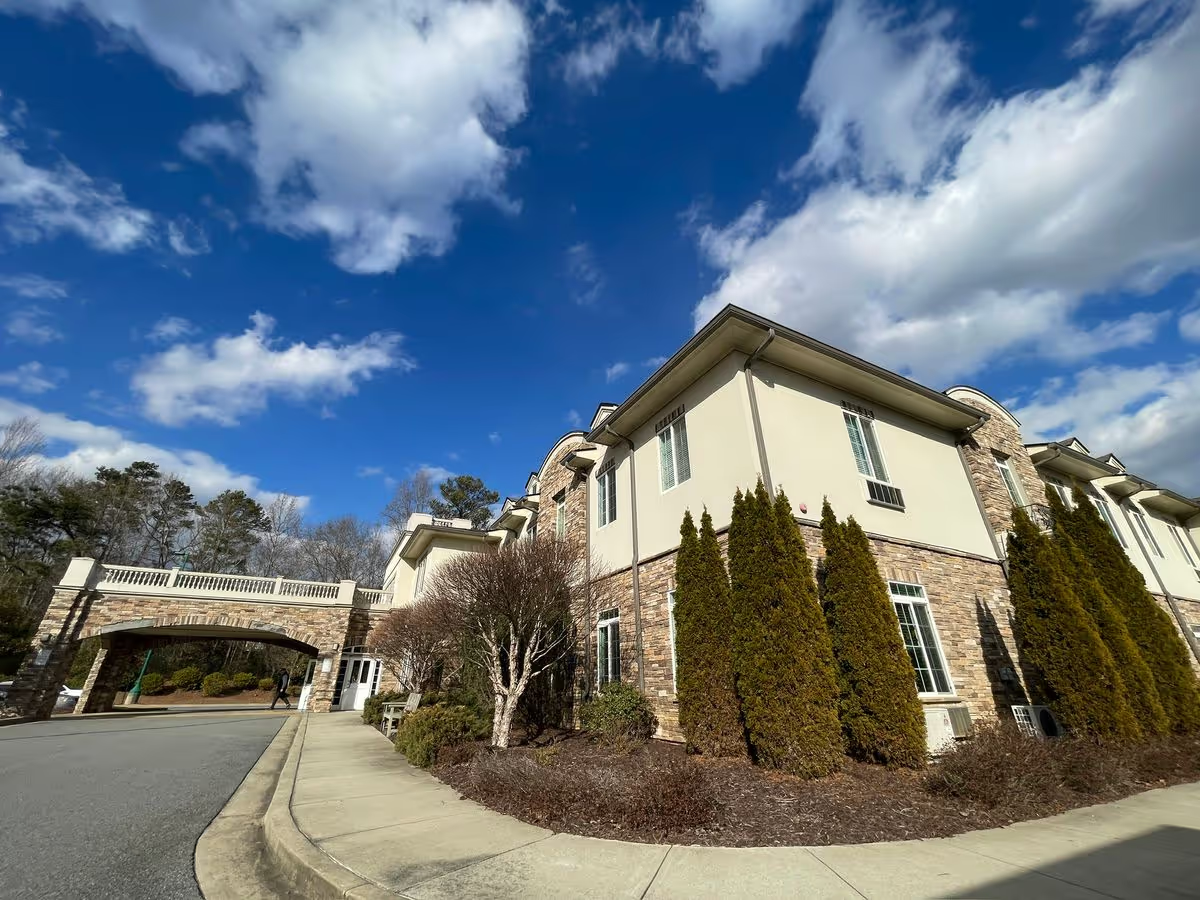
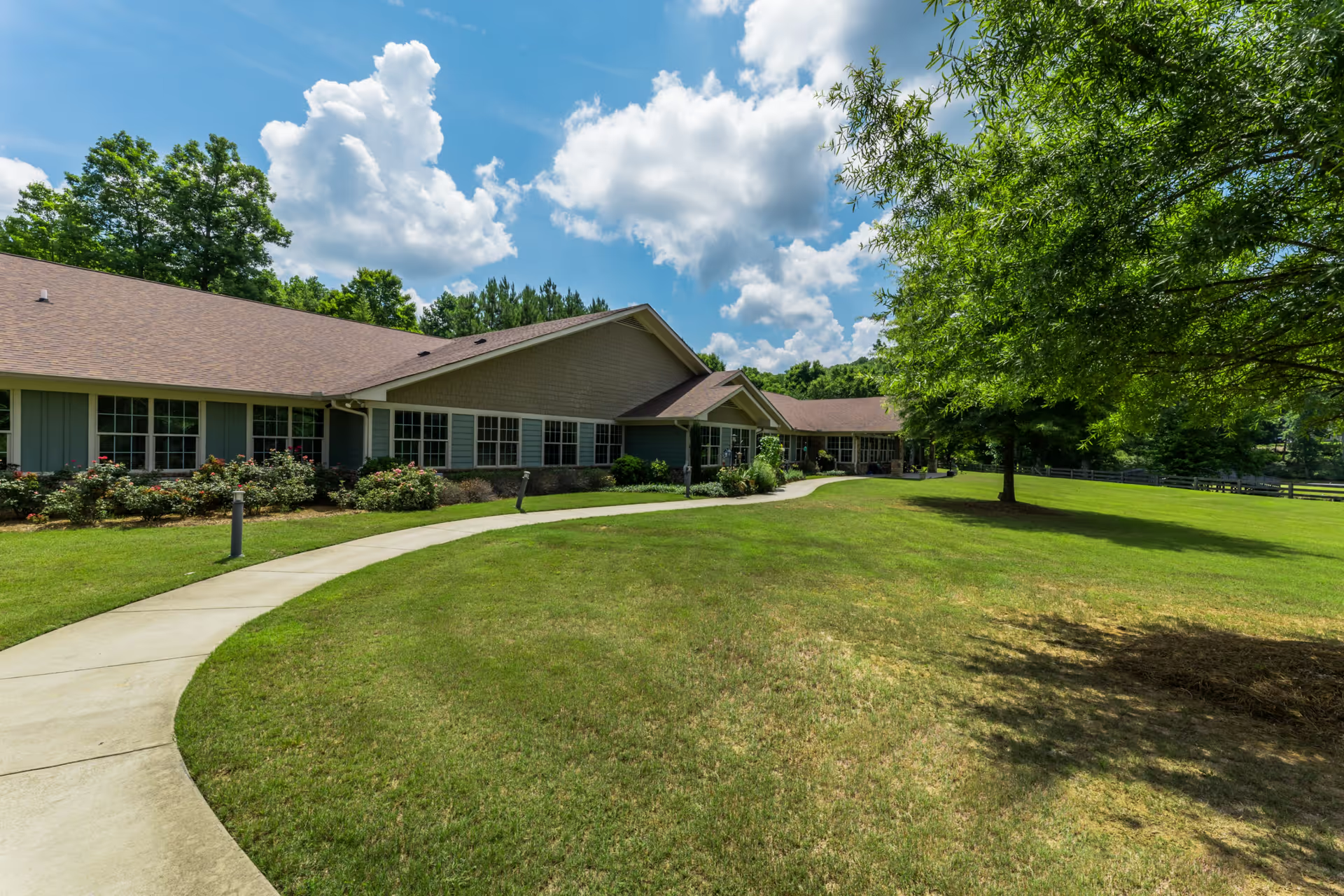
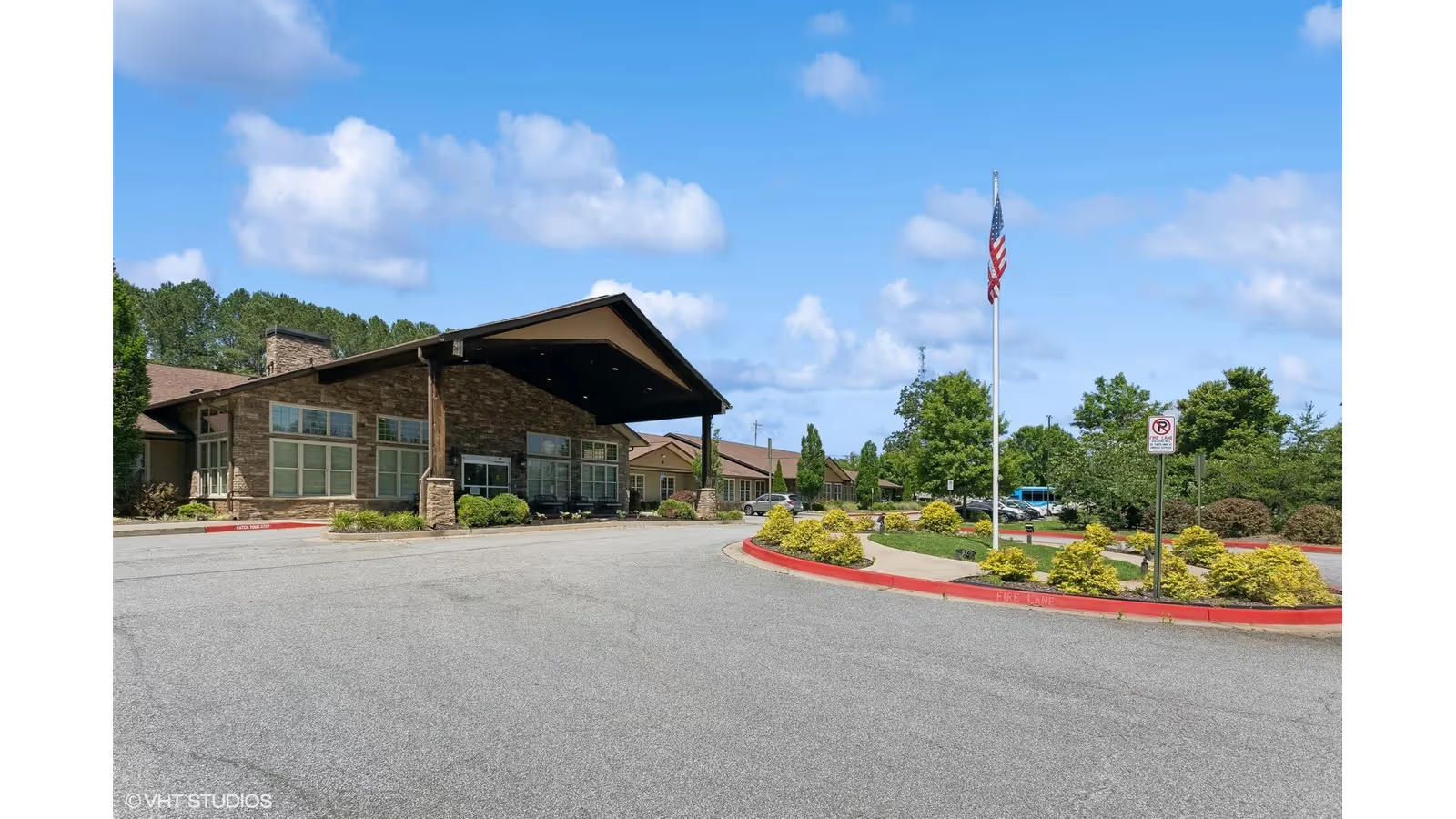
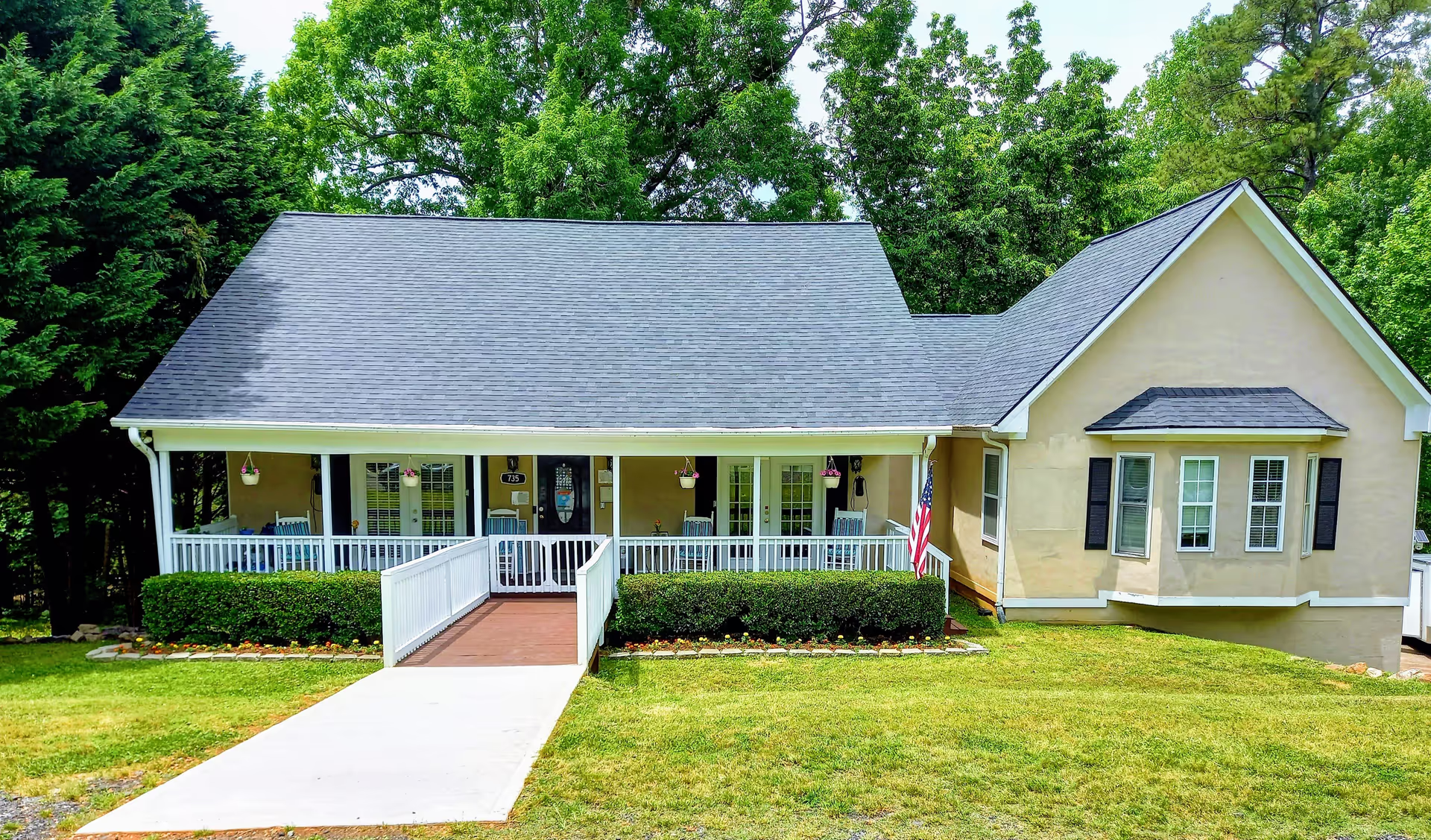
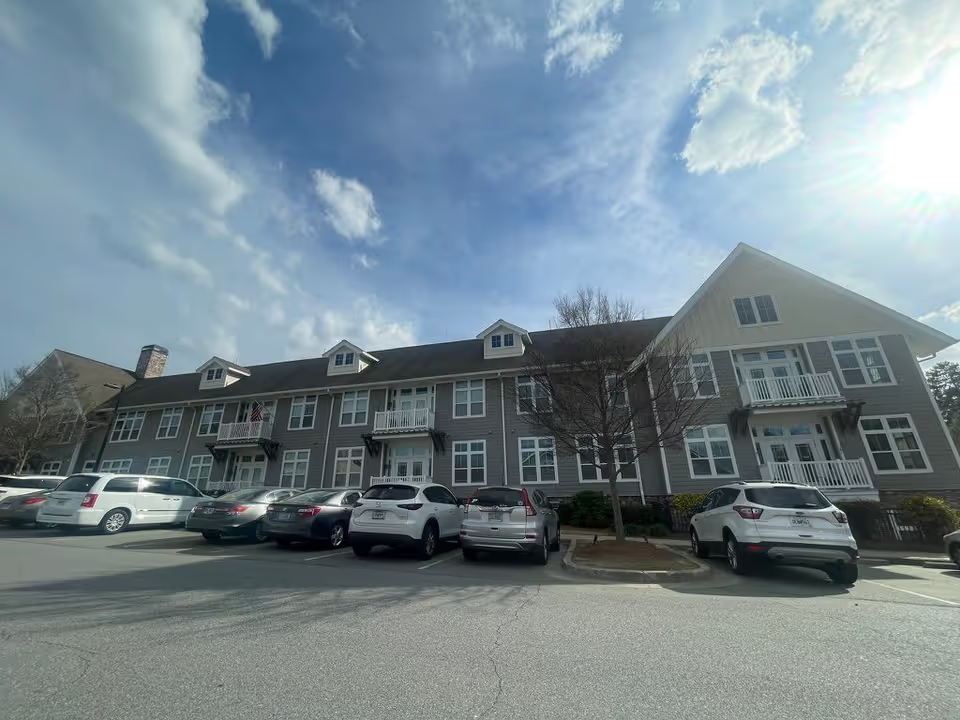
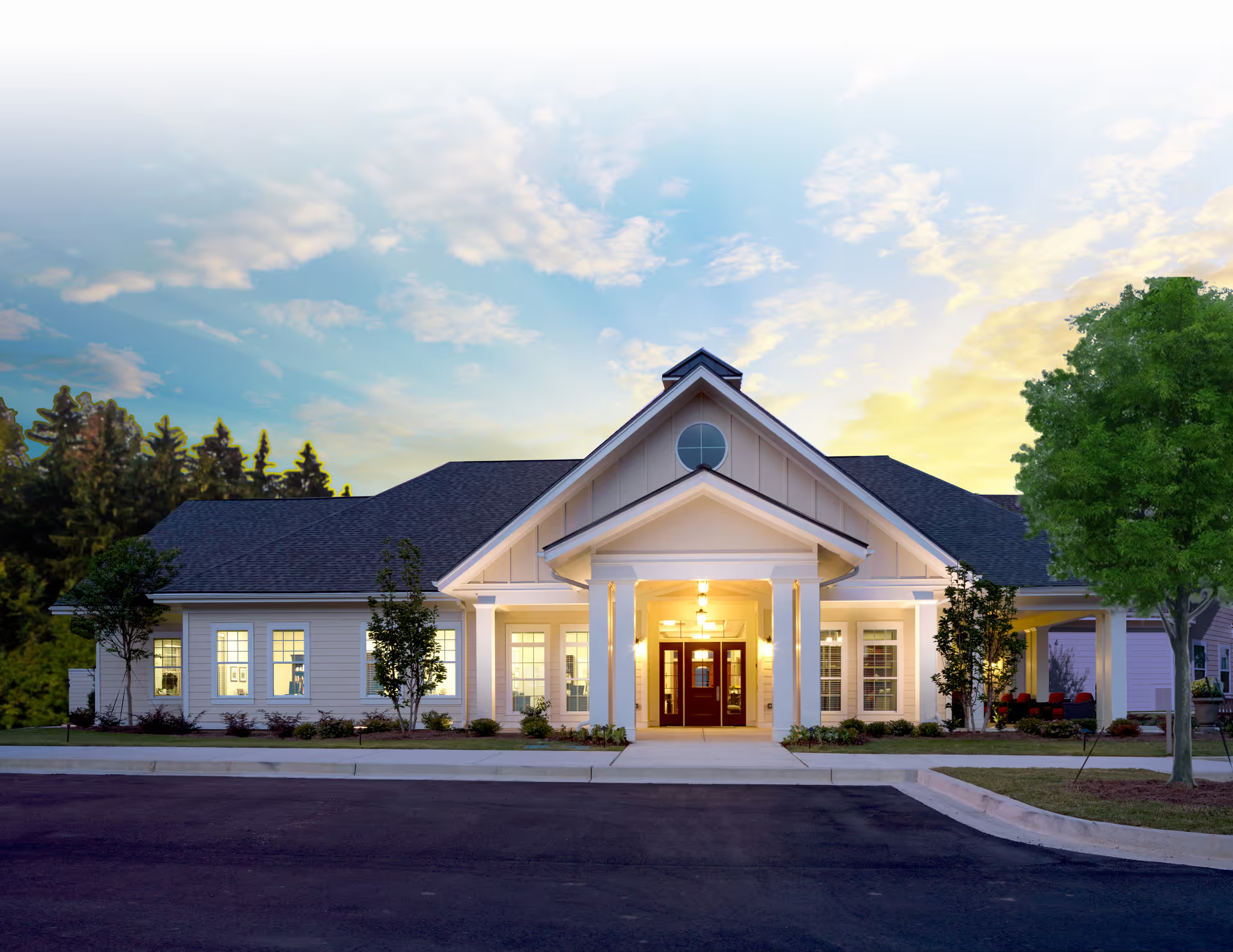
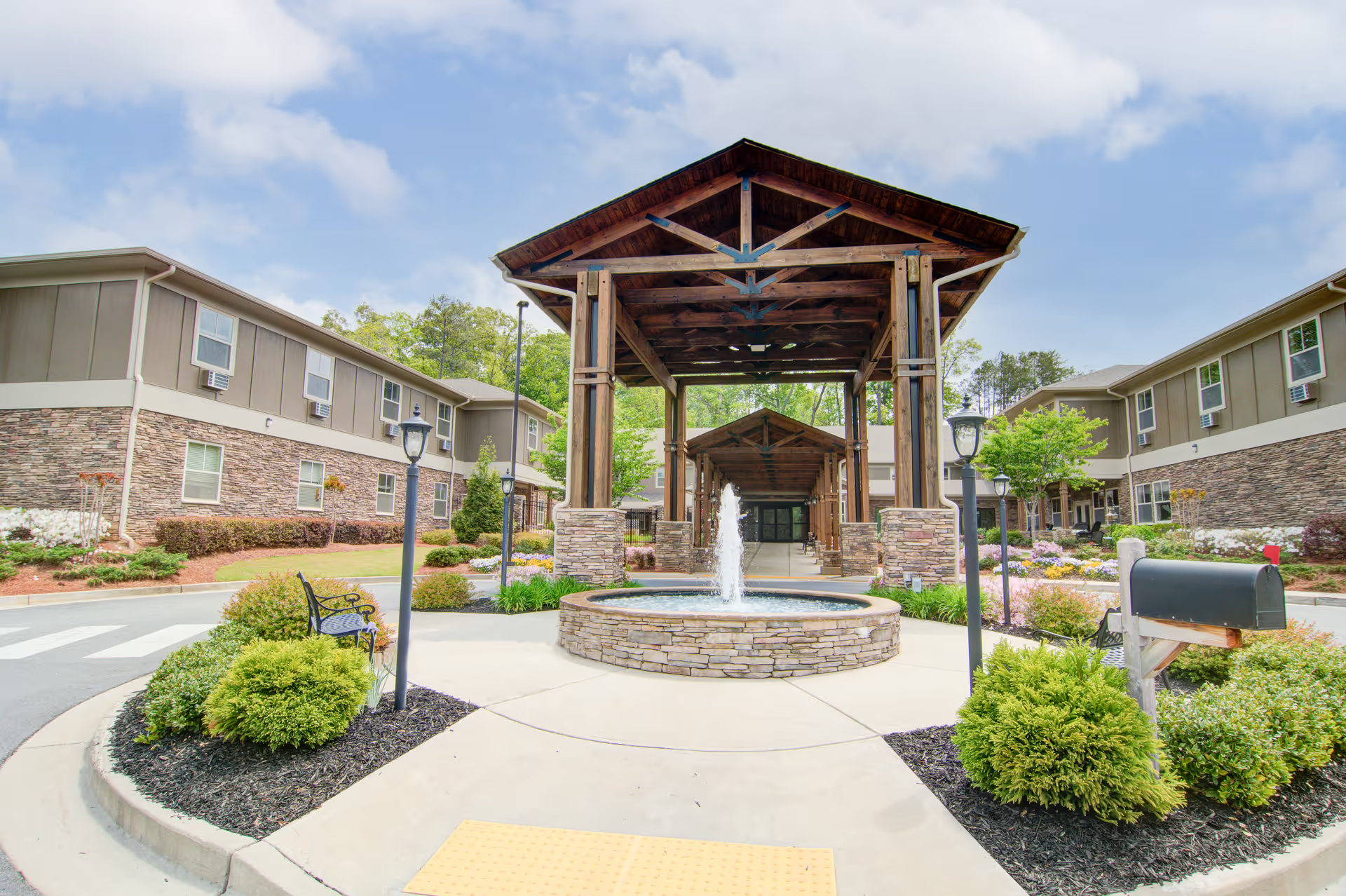
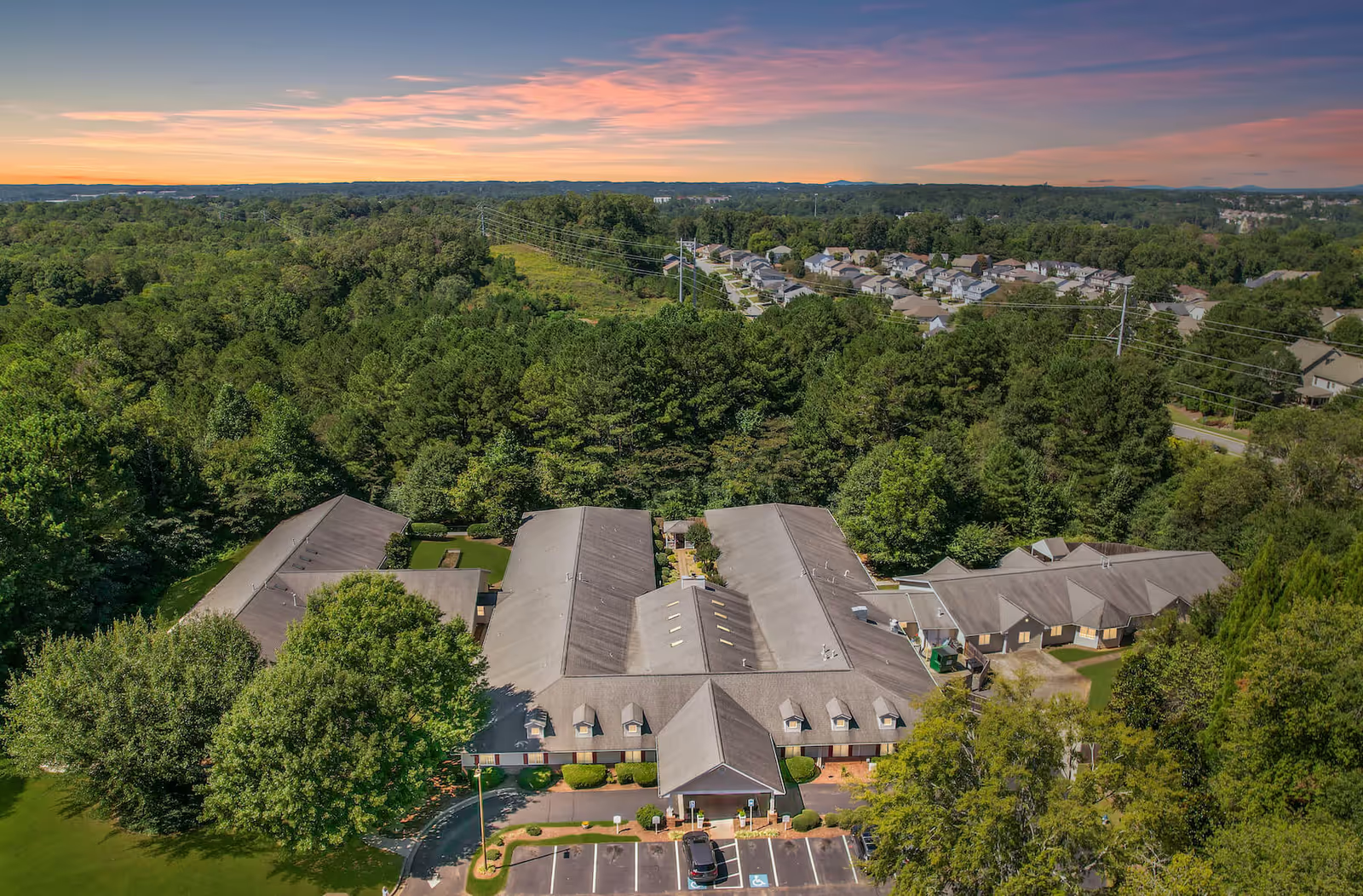
Chapters Living of Canton elicits a wide range of family impressions that cluster around strong interpersonal strengths and persistent operational weaknesses. Many reviewers describe compassionate, helpful caregiving staff and a warm, home-like physical environment: hardwood floors, cozy living/dining areas, and generally clean common spaces. The community offers on-site dining prepared by a chef, on-site therapy, a gym and salon, and a social atmosphere that many residents enjoy. Location and accessibility are frequently seen as advantages, and the memory-care unit is noted as secure.
Care quality appears uneven. Several accounts praise individual caregivers and describe meaningful progress in residents' independence and well-being, while other reports describe care variability tied to staffing and training. Reviewers indicate gaps in clinical oversight and medication administration on occasion; these are described as pattern-level concerns rather than isolated praise-worthy interactions. Staffing shortages and turnover are repeatedly raised as underlying factors that influence daily care, from personal assistance to medication knowledge and responsiveness.
Dining is a clear mixed area: the presence of a chef and an on-site kitchen yields positive meal experiences for many, but reviewers also describe inconsistent food quality, limited menu variety, long waits, and difficulties when specialized diets are required. Kitchen and dining appear under-resourced at times, with delayed deliveries and shortages of designated meal options reported. Families also noted that staff sometimes lacked familiarity with mechanical-soft or other modified-diet preparations.
Activity programming is generally adequate in the assisted-living portion, with social events and outings that residents appreciate. However, activity offerings in the memory-care unit are frequently described as limited, and some families requested a more robust, consistently delivered schedule or a dedicated activities coordinator for memory residents.
Facility maintenance and operations present a mixed picture. While many find the building comfortable and well-kept, there are intermittent sanitation and housekeeping process issues, laundry mix-ups, and occasional utility or maintenance disruptions. These operational gaps, together with documented communication breakdowns — including admissions paperwork delays, billing errors, and inconsistent follow-up after incidents — contribute to families perceiving management accountability as uneven.
Taken together, the pattern is one of a community with clear relational strengths and valuable amenities but with operational vulnerabilities that affect reliability and perceived value. Prospective residents and families who prioritize warm staff interactions, a homelike environment, and location may find Chapters Living of Canton a good fit; those who require consistent clinical oversight, reliable specialized-diet handling, and tightly managed administrative processes should probe staffing levels, medication protocols, activity schedules in memory care, and recent turnover during their tour and admissions discussions.