The reviews present a mixed but thematically consistent picture of Brookside Glen Assisted Living and Memory Care. Many families and visitors praised the day-to-day caregiving: direct-care staff are frequently described as warm, caring, and attentive, and multiple accounts emphasize that staff provide compassionate, patient support. The facility offers a homelike environment with clean resident rooms (including private rooms with en-suite bathrooms and refrigerators), welcoming common areas, and accessible outdoor spaces. Security measures and resident autonomy in the memory-care unit were highlighted positively. On-site programming such as outings, an activity bus, and interactions with a house dog contributed to improved mood and engagement for several residents.
Dining and nutritional support appear to be a relative strength in many accounts. The facility provides three meals daily plus snacks, and kitchen staff have been noted to accommodate dietary restrictions and to solicit resident preferences. Several families reported improvements in meal service over time and constructive communication from the culinary team. At the same time, some reviewers described inconsistent enjoyment of meals and occasional service hiccups, indicating variability in food quality and meal-service continuity.
Despite these strengths, there are clear operational concerns that recur across reviews. Staffing consistency is a prominent issue: understaffing, the use of temporary aides or sitters to provide basic assistance, and uneven staff coverage were reported. These staffing patterns are associated with activity cancellations or schedules not being followed, leaving residents idle at times. Safety-related issues—primarily falls and subsequent emergency visits—suggest gaps in fall-prevention practices and clinical-incident oversight; families also reported uneven communication following incidents.
Management and leadership stability emerged as another notable theme. Several reviewers described leadership turnover, an unstable executive-director position, and instances where higher-level concerns were perceived as insufficiently addressed. Conversely, other accounts cited proactive management behaviors, helpful admissions processes, and staff who followed up on affordability options—indicating variability in administrative responsiveness.
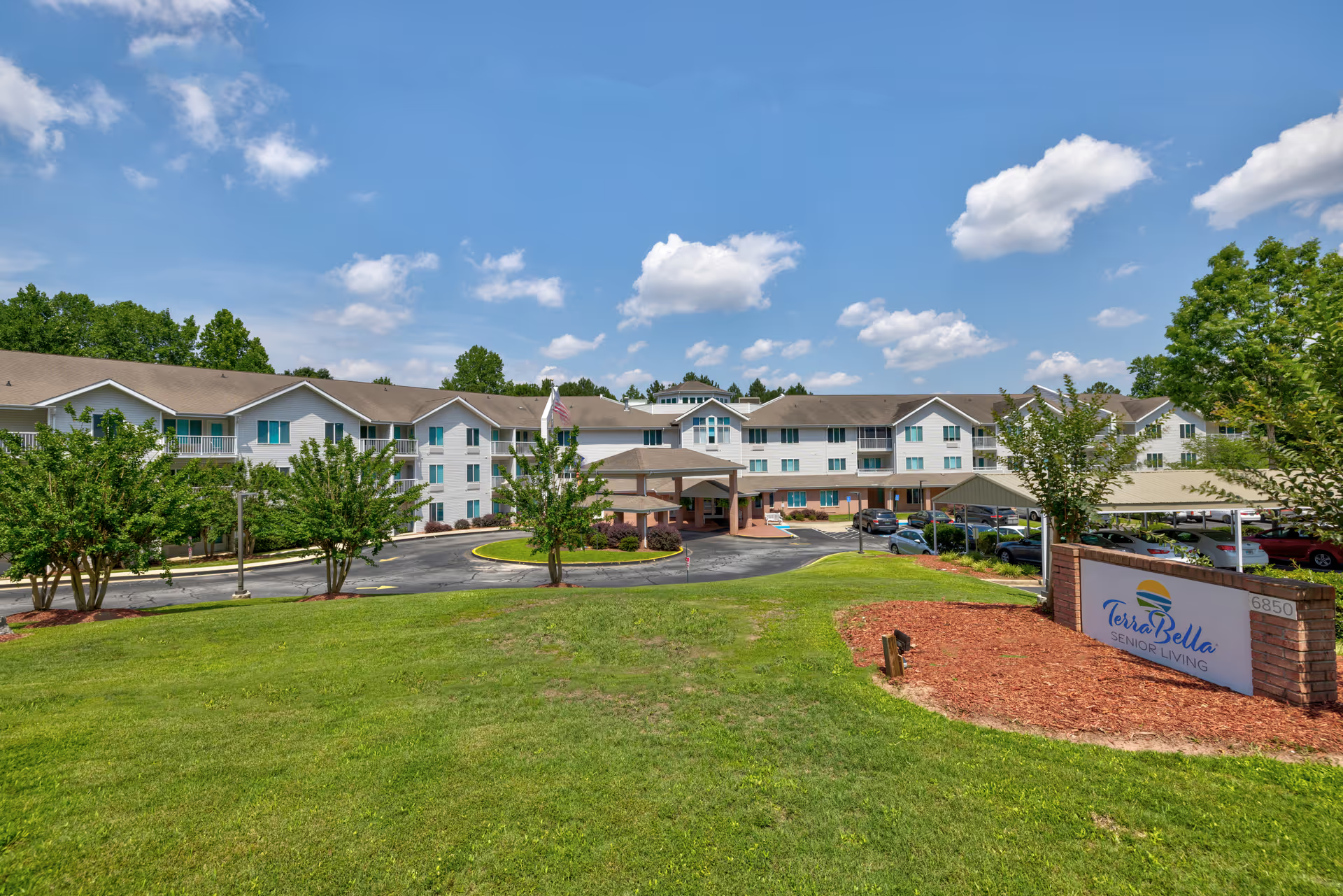
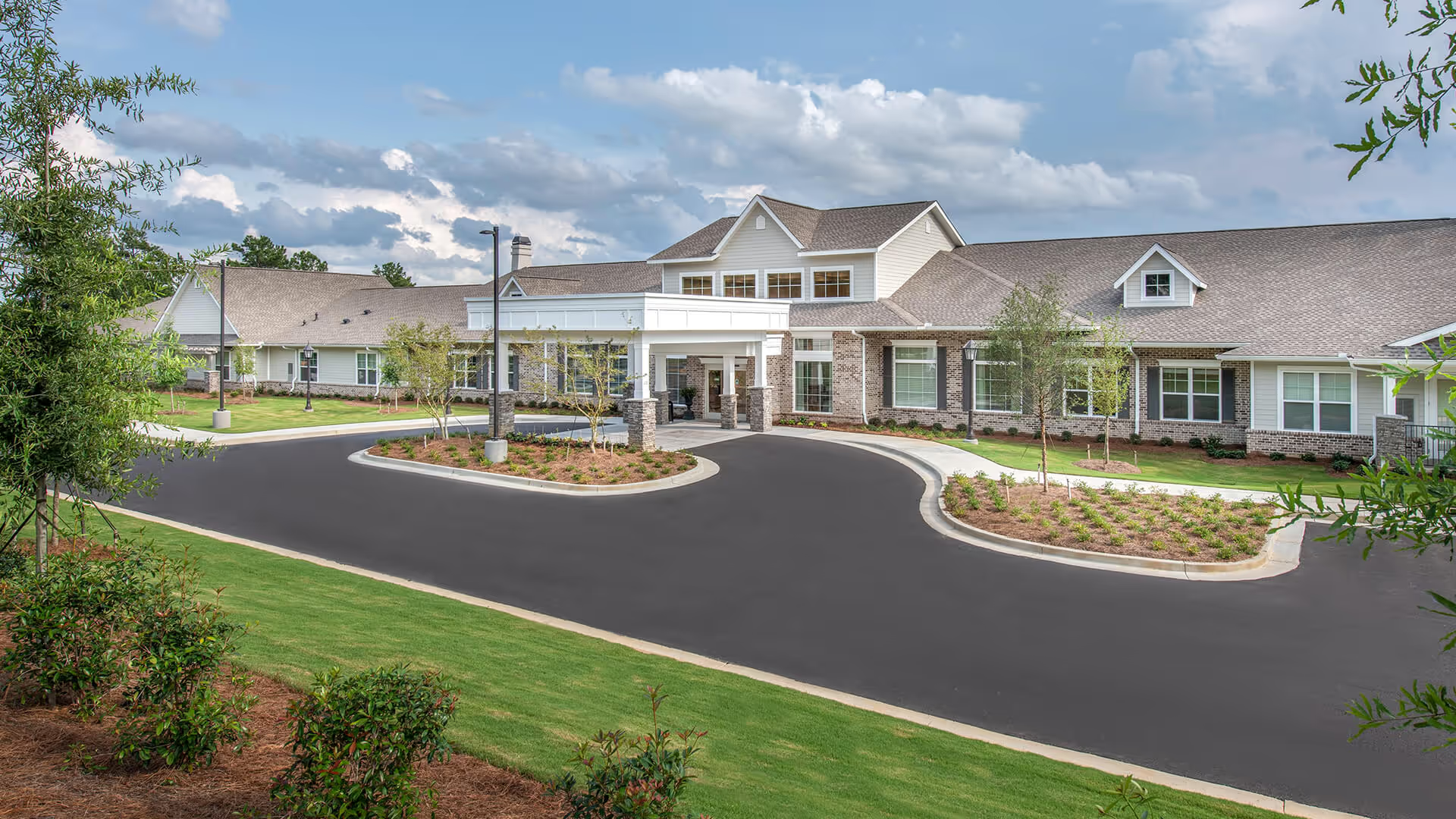
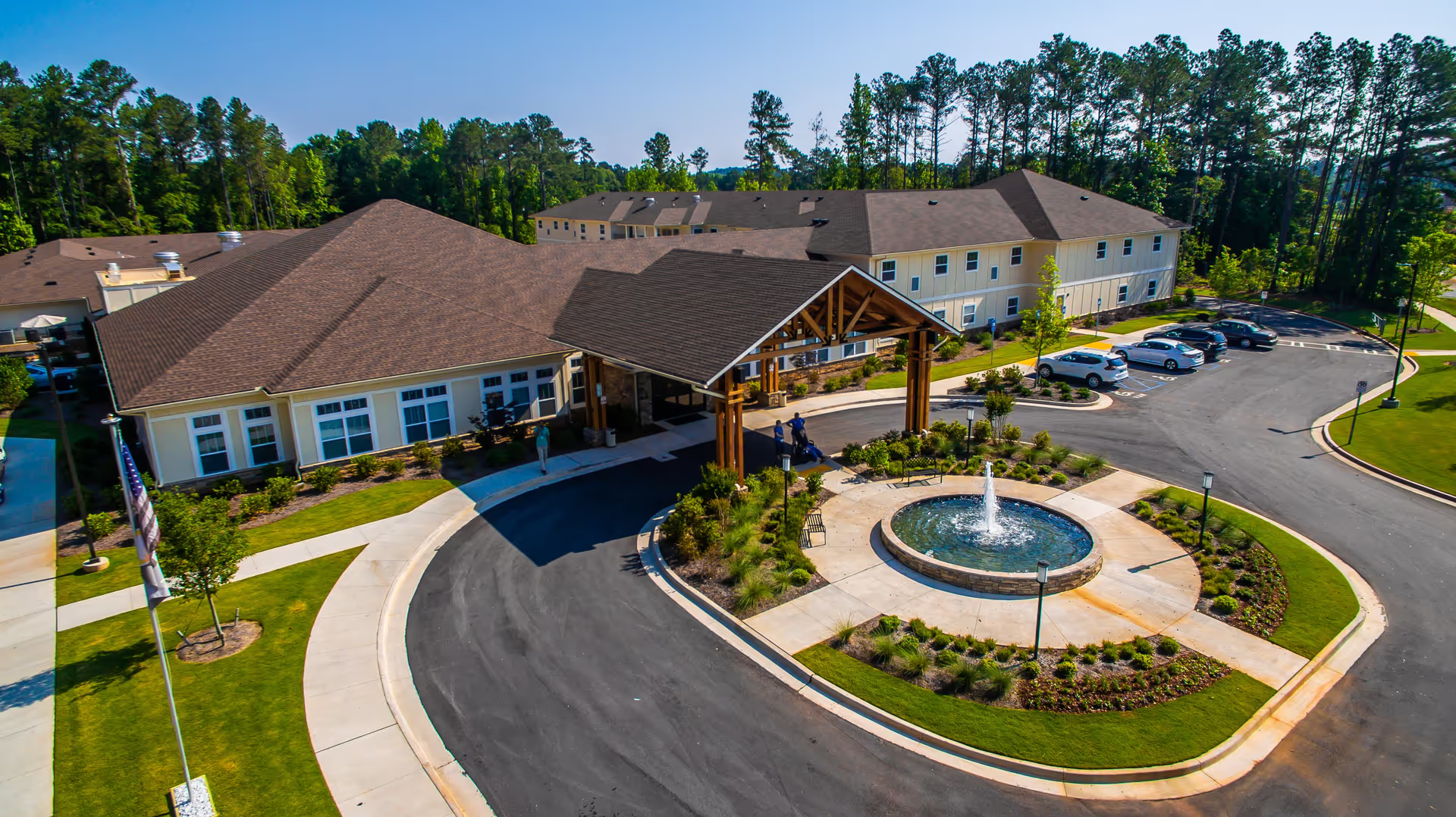
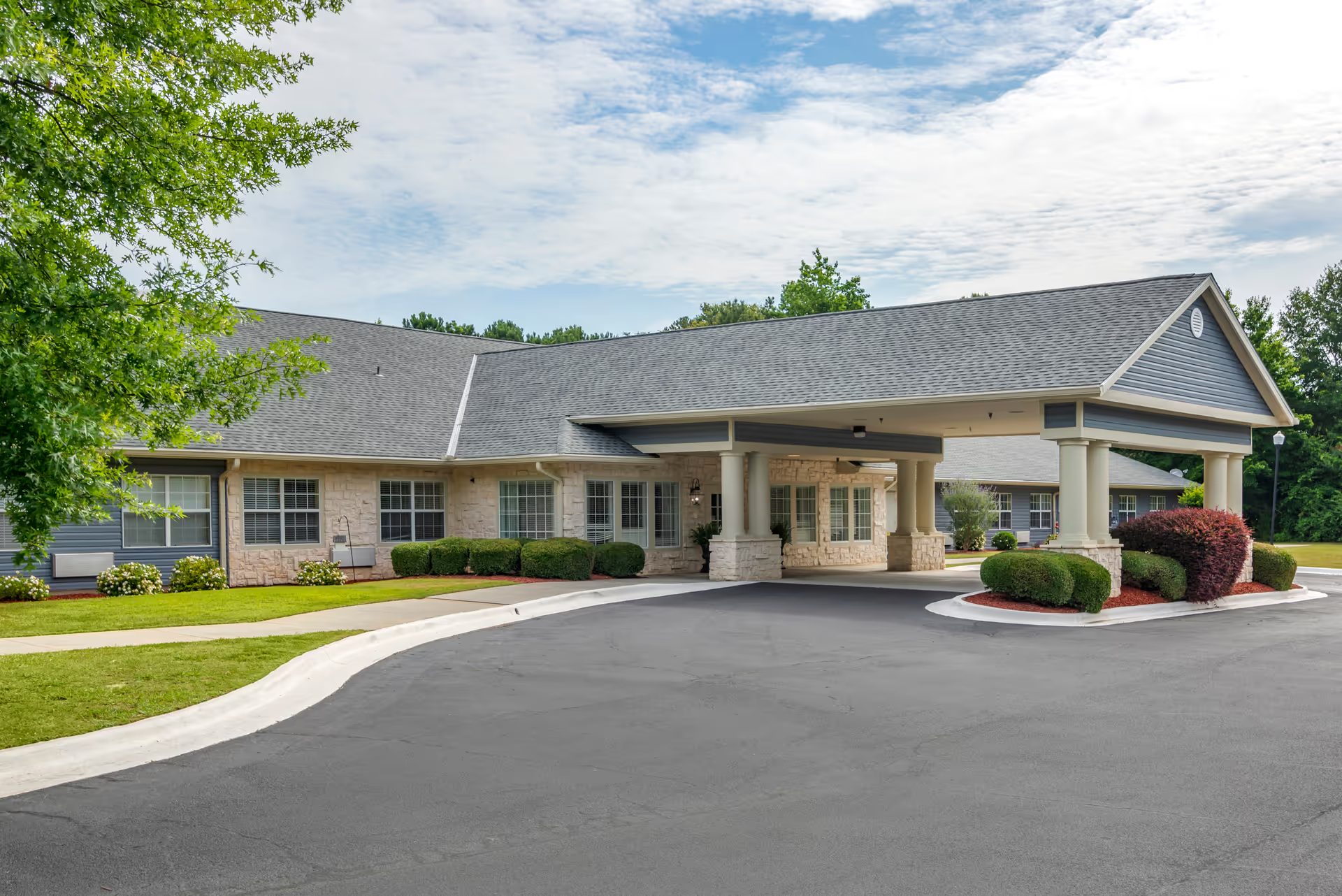
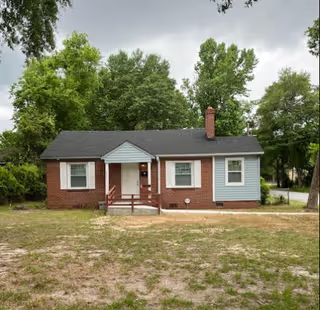
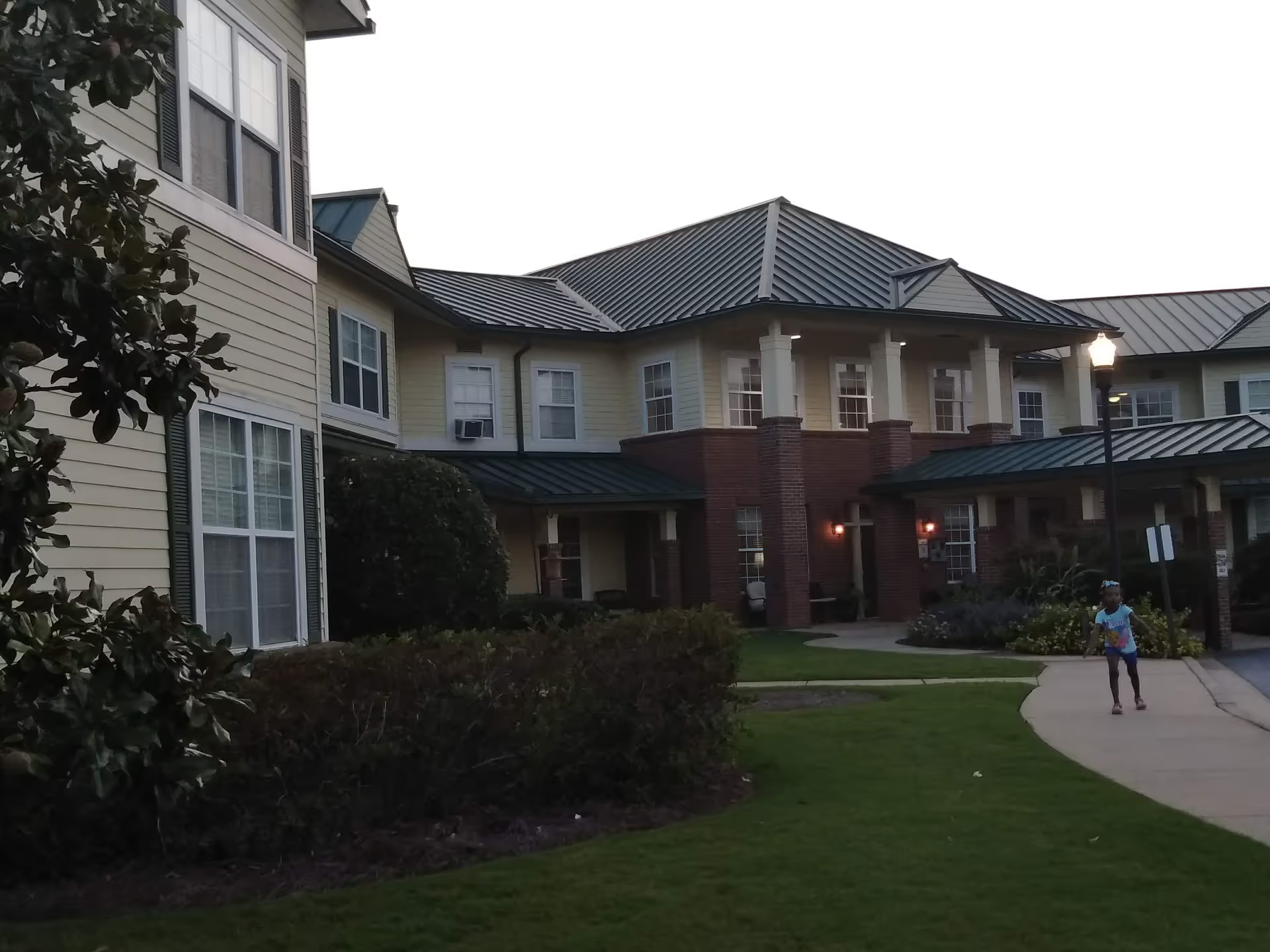
Facility condition feedback was similarly mixed. Many found the building clean and well-kept, appreciating private and spacious rooms as well as shared community spaces. However, others noted aging aspects of the facility and odor concerns in certain staff or common areas (including pet-related and stale smoke odors), along with isolated sanitation concerns such as a staff break-room issue. These comments suggest that some aesthetic and housekeeping standards may be uneven between areas.
In summary, Brookside Glen presents strengths in caregiving culture, individualized attention, and a homelike atmosphere with engaging programming for many residents. At the same time, families should be aware of operational variability: inconsistent staffing and activity delivery, leadership turnover, episodic management responsiveness, and some safety and facility-maintenance gaps. Prospective families may benefit from focused questions during a tour—staffing ratios at different times of day, recent staff turnover, fall-prevention protocols and incident-communication procedures, examples of recent activity schedules and adherence, and recent maintenance or odor-remediation efforts—to determine whether the current operational practices align with their loved one’s needs.