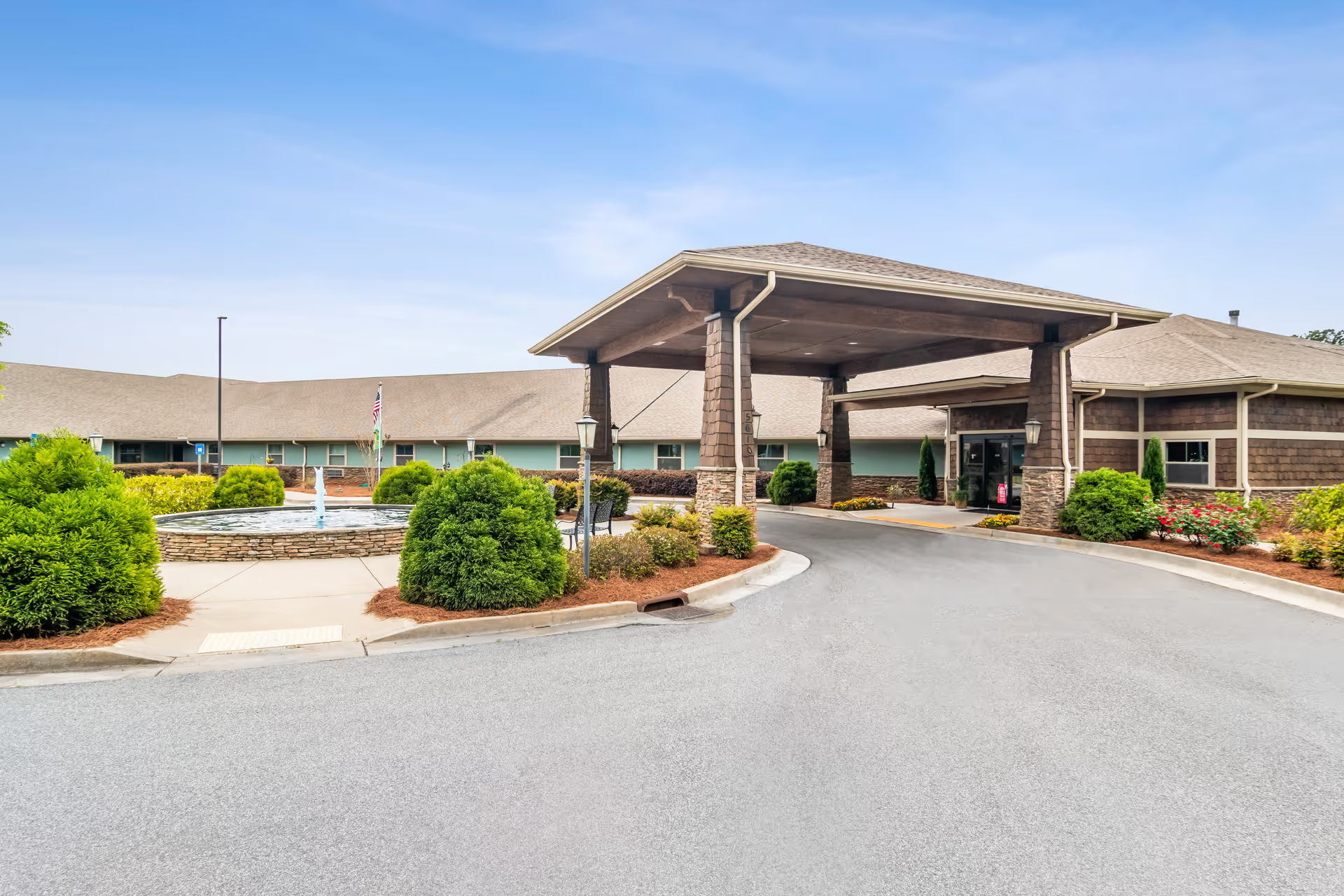
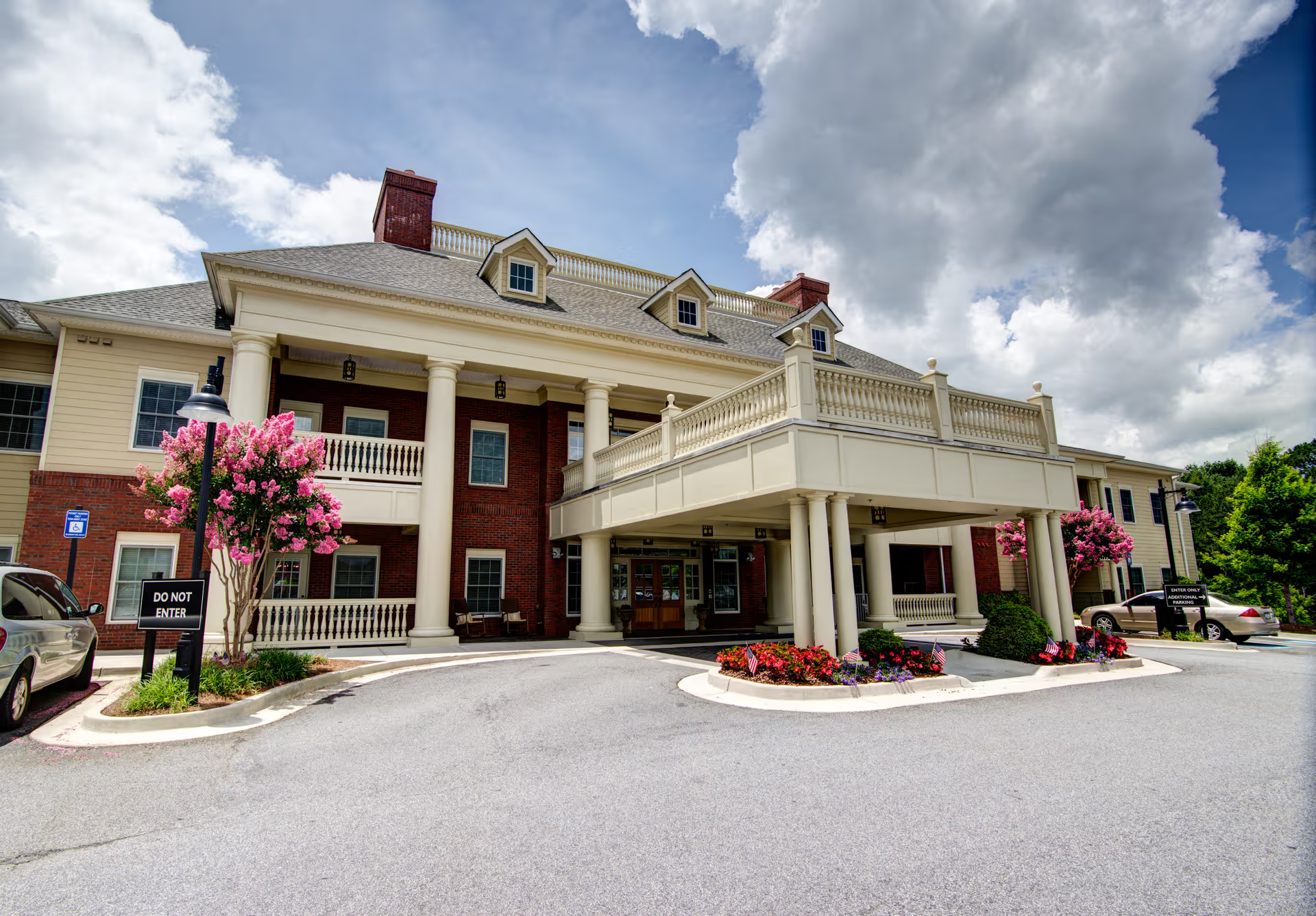
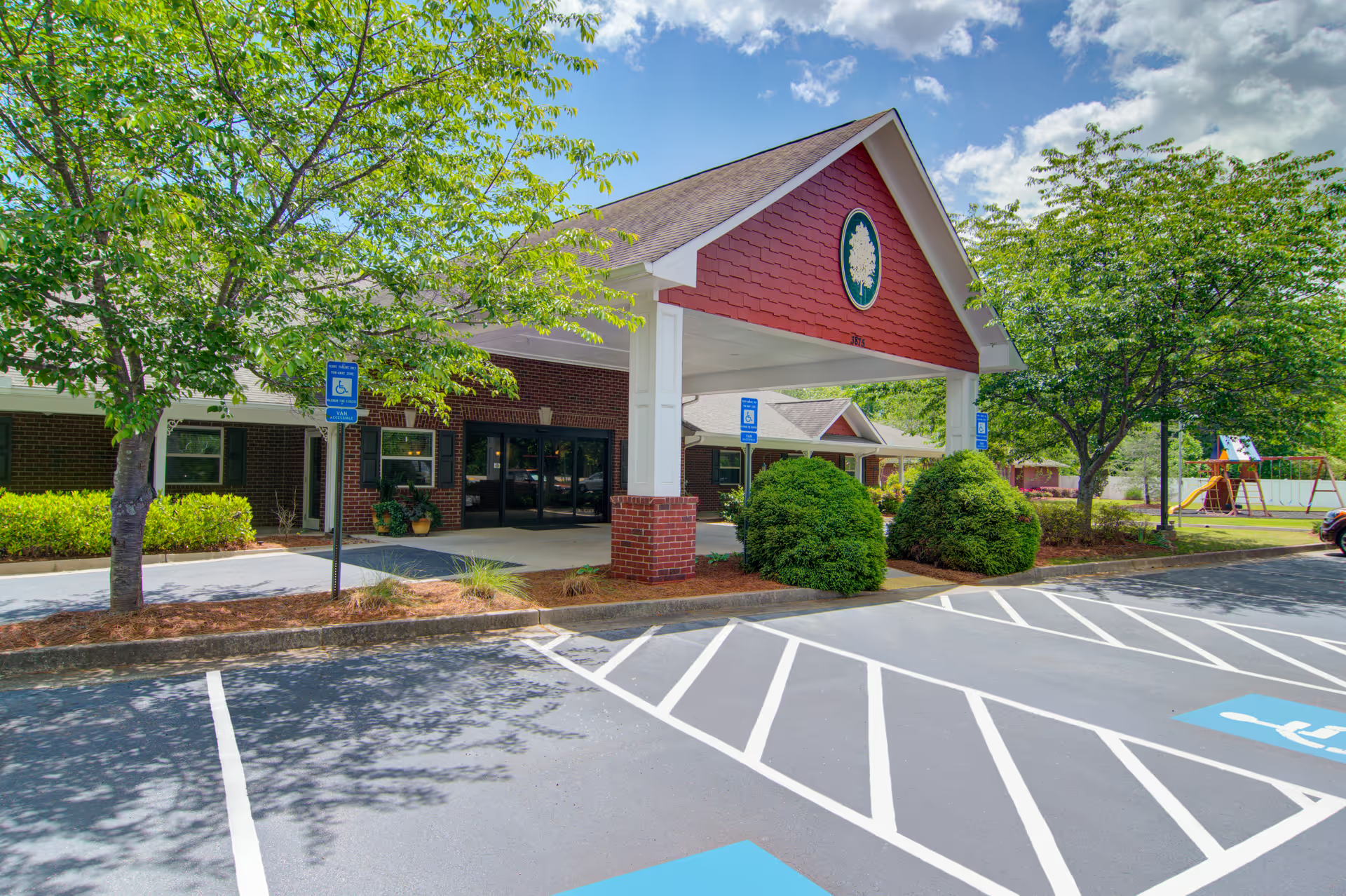
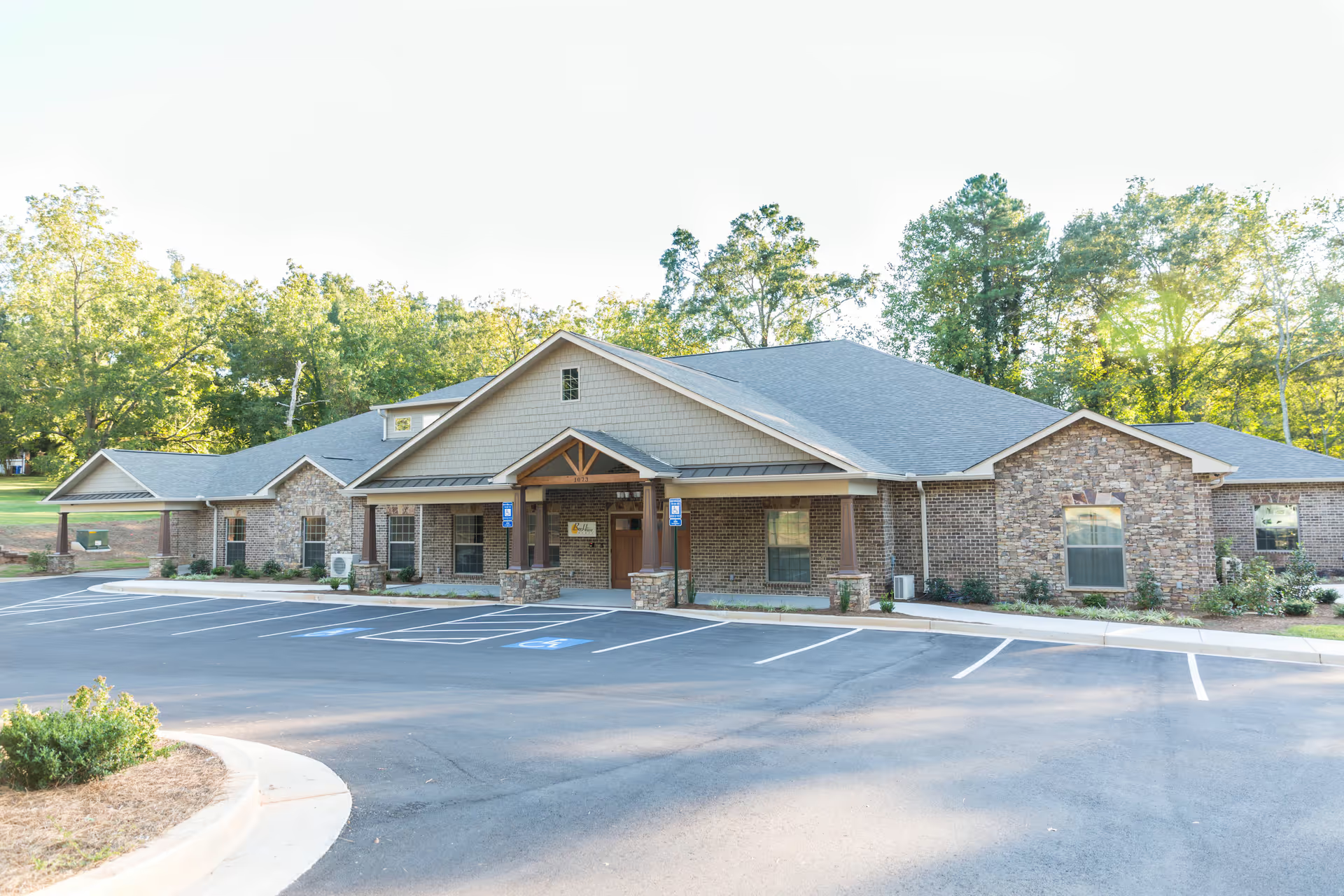
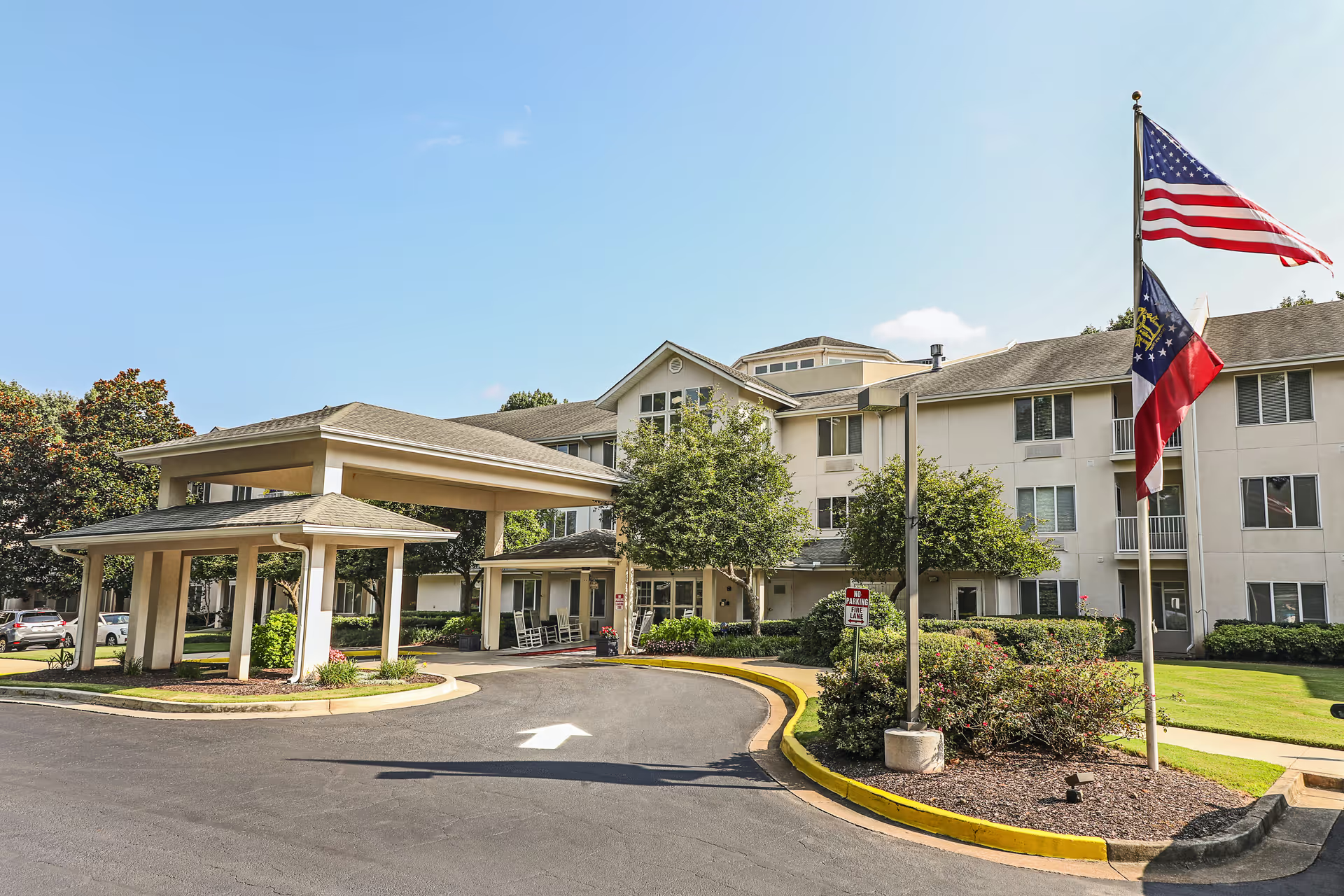
The reviews present a mixed picture: many families and residents praise the staff, physical environment, and social offerings, while a substantial portion describe operational breakdowns that affect daily care. Strengths consistently noted include warm, compassionate caregivers and supportive front‑line personnel; accessible, mobility‑friendly apartments (including roll‑in showers and handrails); attractive, bright interiors and outdoor courtyards; and an active social calendar with music and outings. The community offers memory‑care services, respite stays, and apparent all‑inclusive pricing options that several residents and families found to be good value.
Care quality and staffing are the most polarizing areas. Positive accounts describe attentive, professional caregivers and strong leadership that create a home‑like atmosphere. Conversely, many reviews describe staffing shortages and high turnover that correlate with delays in assistance, longer response times, and inconsistent day‑to‑day care continuity. Several families raised specific concerns about medication handling and missed or delayed medication administration; taken together these indicate weaknesses in medication‑management controls and tracking that prospective families should verify during intake.
Dining and nutrition emerge as an operational weak point. Early impressions during tours and initial stays are sometimes positive, but multiple comments describe a decline in food variety, portion sizes, and preparation quality over time. Some reviews note limited meal options, absence of certain meal periods or choices, and a gap between marketing materials and the actual dining experience. Prospective residents should ask about menu rotation, special‑diet accommodations, portion sizes, and whether a chef or culinary director is on staff.
Activities and social programming show uneven delivery. While organized outings, music, and events are highlighted in several favorable accounts, other reviewers describe infrequent or absent recreation staffing and canceled or unattended activities. This suggests variability in recreational staffing and program consistency, so expect to evaluate the activity calendar and observe a program in person where possible.
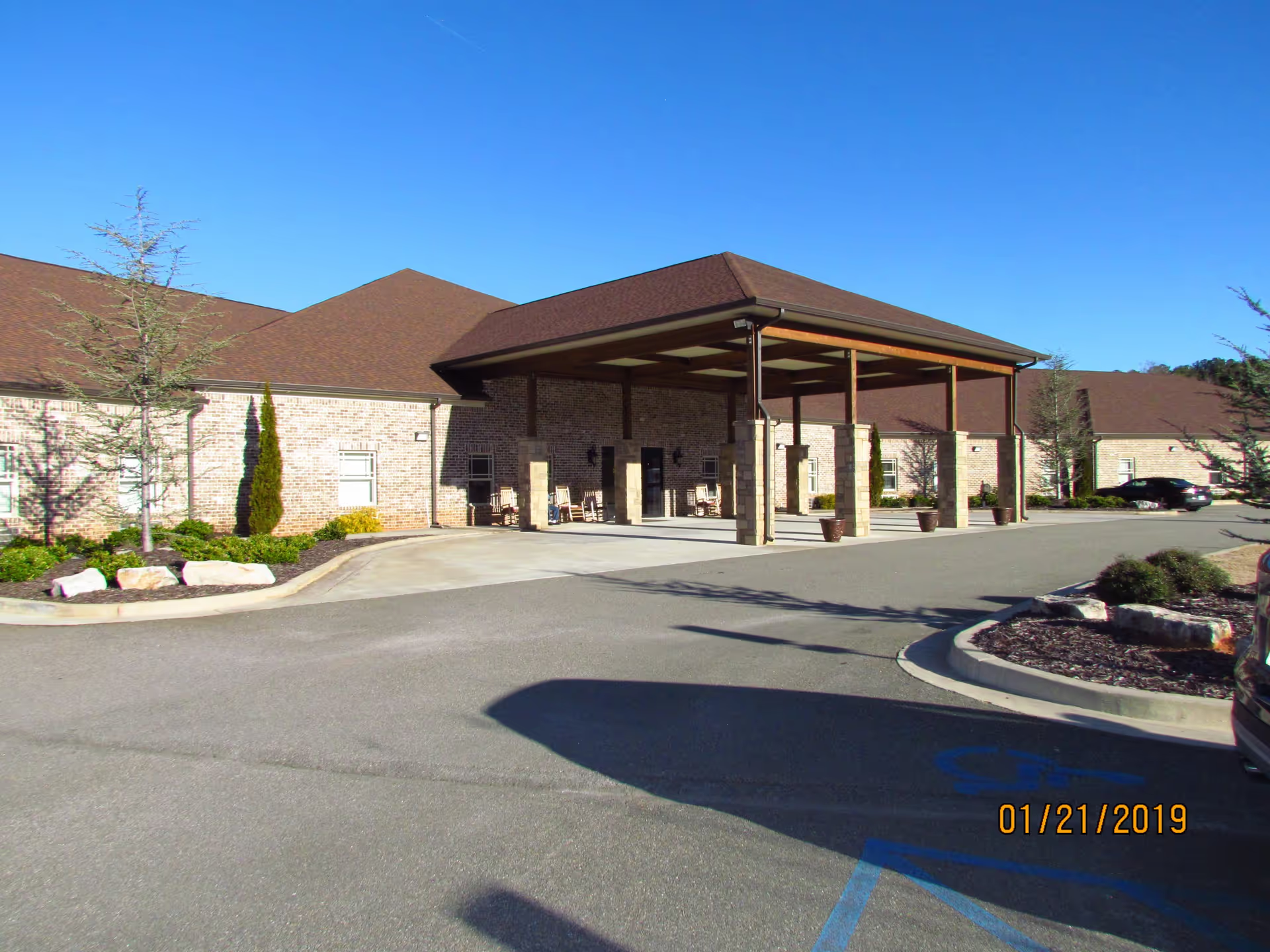
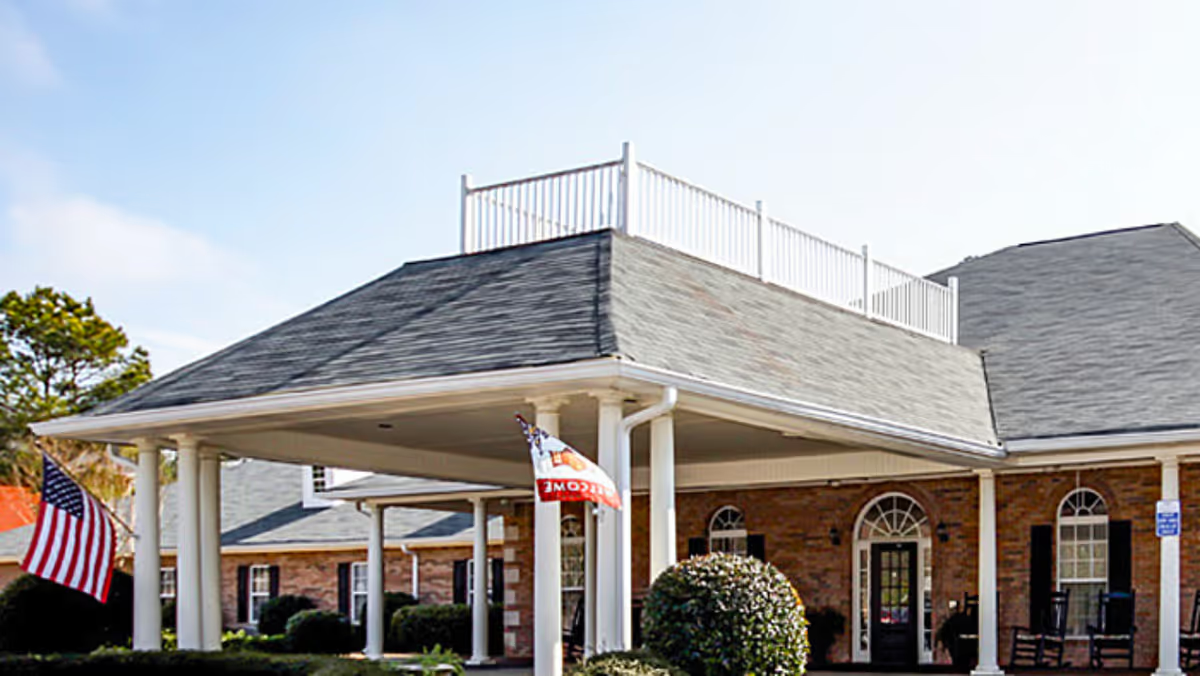
Facility maintenance and emergency readiness surfaced as notable concerns in multiple reviews. Positive comments cite a well‑kept exterior, attractive lakefront setting, and clean common areas. However, there are also sanitation and odor concerns reported in some common and residential areas, pest‑control issues, and at least one serious account of infrastructure failure that disrupted services. These indicate potential gaps in housekeeping consistency, pest control response, and emergency preparedness or maintenance responsiveness.
Management, communication, and billing issues recur across reviews. Families praised helpful administrative staff in many cases, but others described inconsistent communication, invoice errors, unclear therapy pre‑authorization handling, and a perceived mismatch between marketing materials and operational reality. Several reviewers linked a perceived decline in service quality to recent ownership or leadership changes. Prospective families should request written details on billing practices, insurance/therapy authorization processes, staffing ratios, emergency procedures, and cleaning/maintenance schedules.
Overall, Oaks at Gracemont has clear strengths in staff warmth, apartment design, and available programs, but also consistent operational concerns that merit careful vetting. Recommended actions for prospective residents and family members: tour at different times of day (including a meal period), speak directly with current residents and family members, ask for recent staffing ratios and turnover data, review medication‑management protocols, request written emergency‑preparedness plans, and obtain clear, itemized billing and therapy authorization policies before committing.