Care: Overall, families describe a level of clinical and personal care that improves day-to-day quality of life for many residents. Reports emphasize compassionate, hands-on staff and 24-hour availability of care. The community also presents an inclusive memory-care orientation that several families found social and engaging for residents with cognitive needs. At the same time, there are operational gaps—particularly around move-in coordination and occasional communication breakdowns—that can affect initial transitions.
Staff: Staff are frequently characterized as friendly, supportive, and attentive; several accounts describe proactive help with settling a new resident and emotional support for families. However, reviewer observations point to variability in staff engagement and interaction with residents. Some families described staff behavior or tone from management that felt dismissive or patronizing, indicating unevenness in staff training or supervisory oversight.
Dining: Meal service is generally viewed positively, with multiple mentions of good meals and an improvement in residents' appetites and well-being after moving in. There are no consistent operational complaints about food quality, though families considering cost should verify what dining-related items are included in fees.
Activities: The facility offers a range of communal amenities—library with a view, patio, art and music programming, social rooms, and a pool/billiard area—that create opportunities for engagement. Despite these assets, activity programming is described as limited in variety and frequency (for example, repetitive offerings such as bingo twice weekly), and some communal spaces are described as cramped or underutilized. These factors contribute to occasional resident loneliness and suggest a need for more structured, frequent programming and better use of existing space.
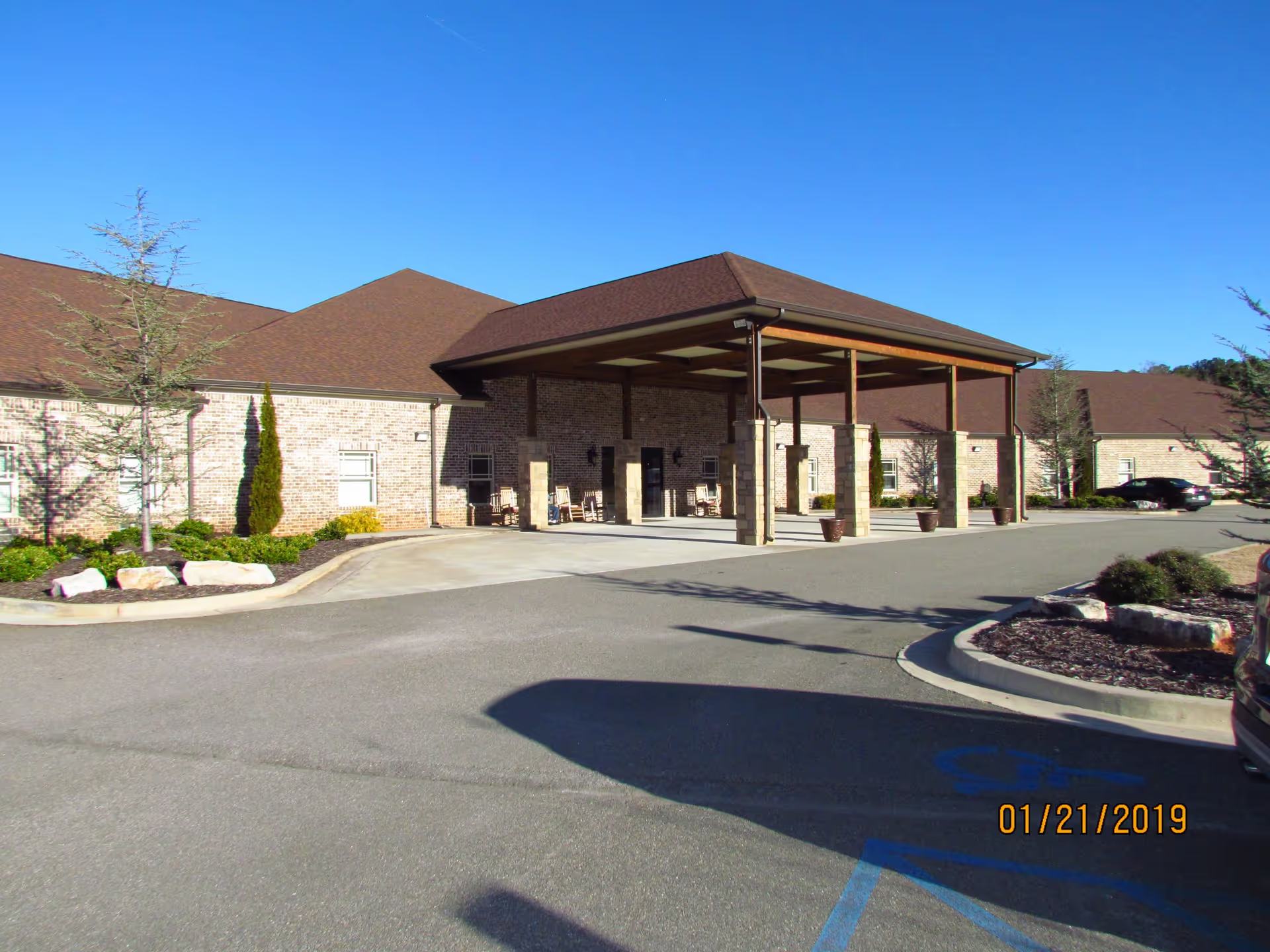
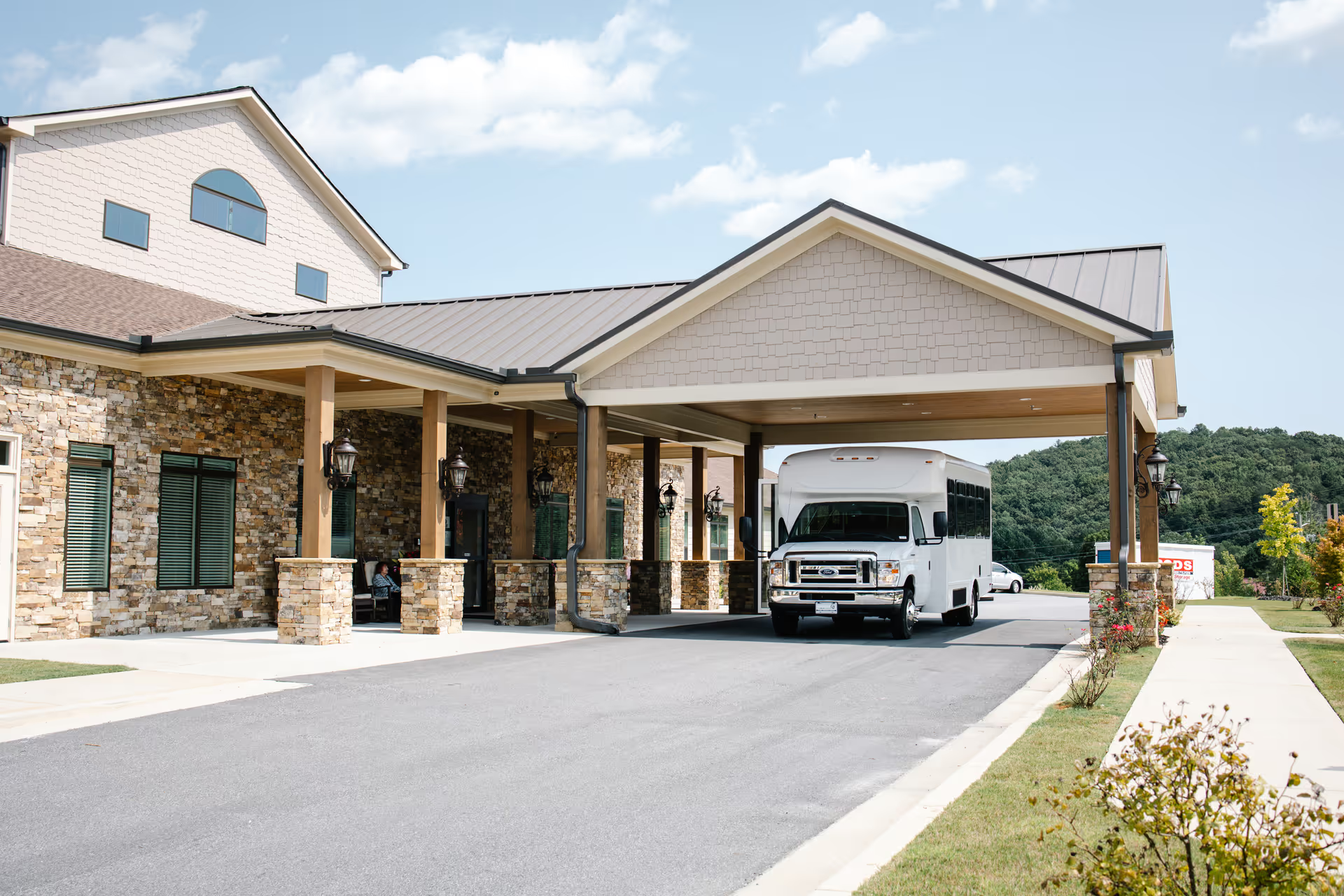
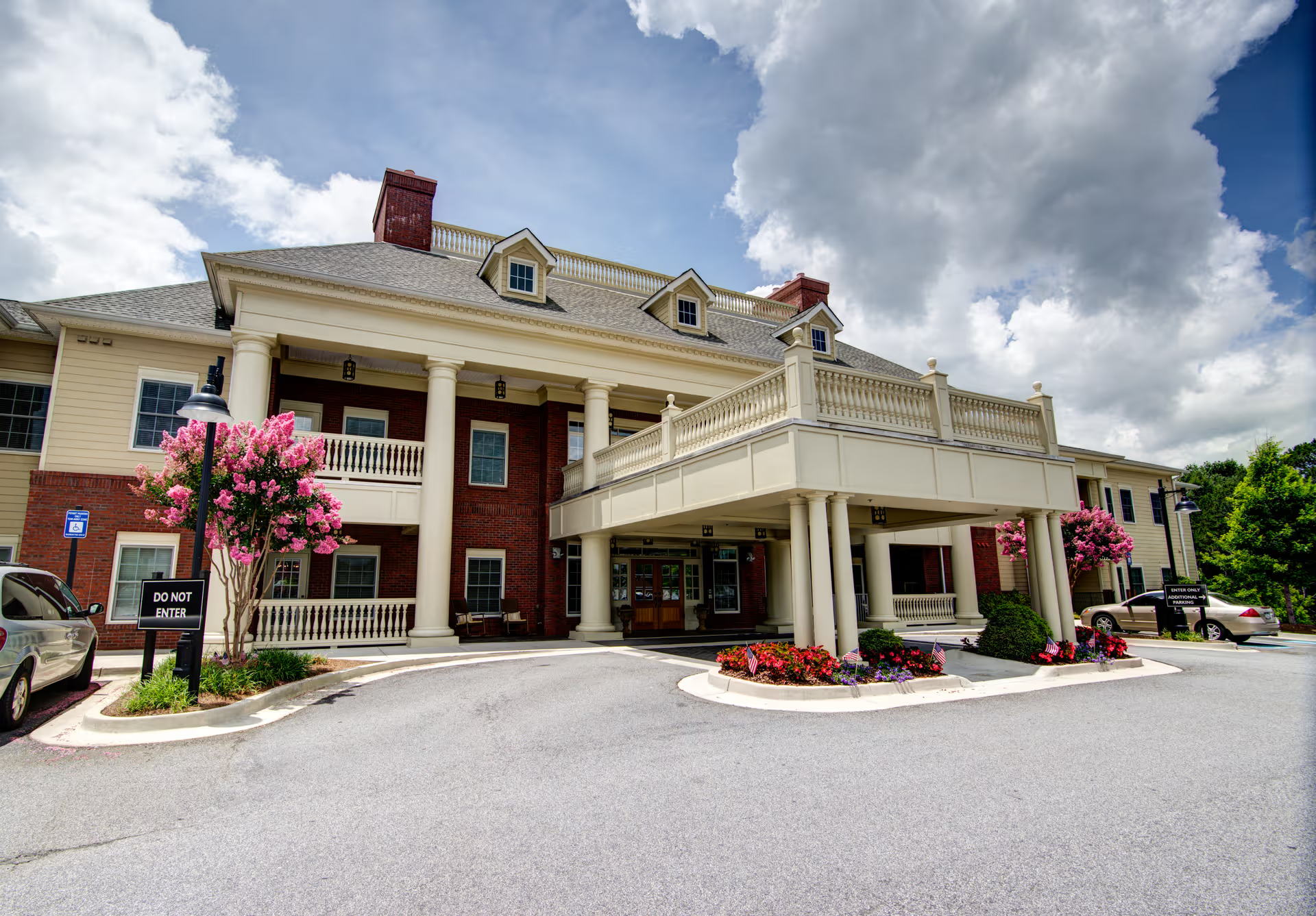
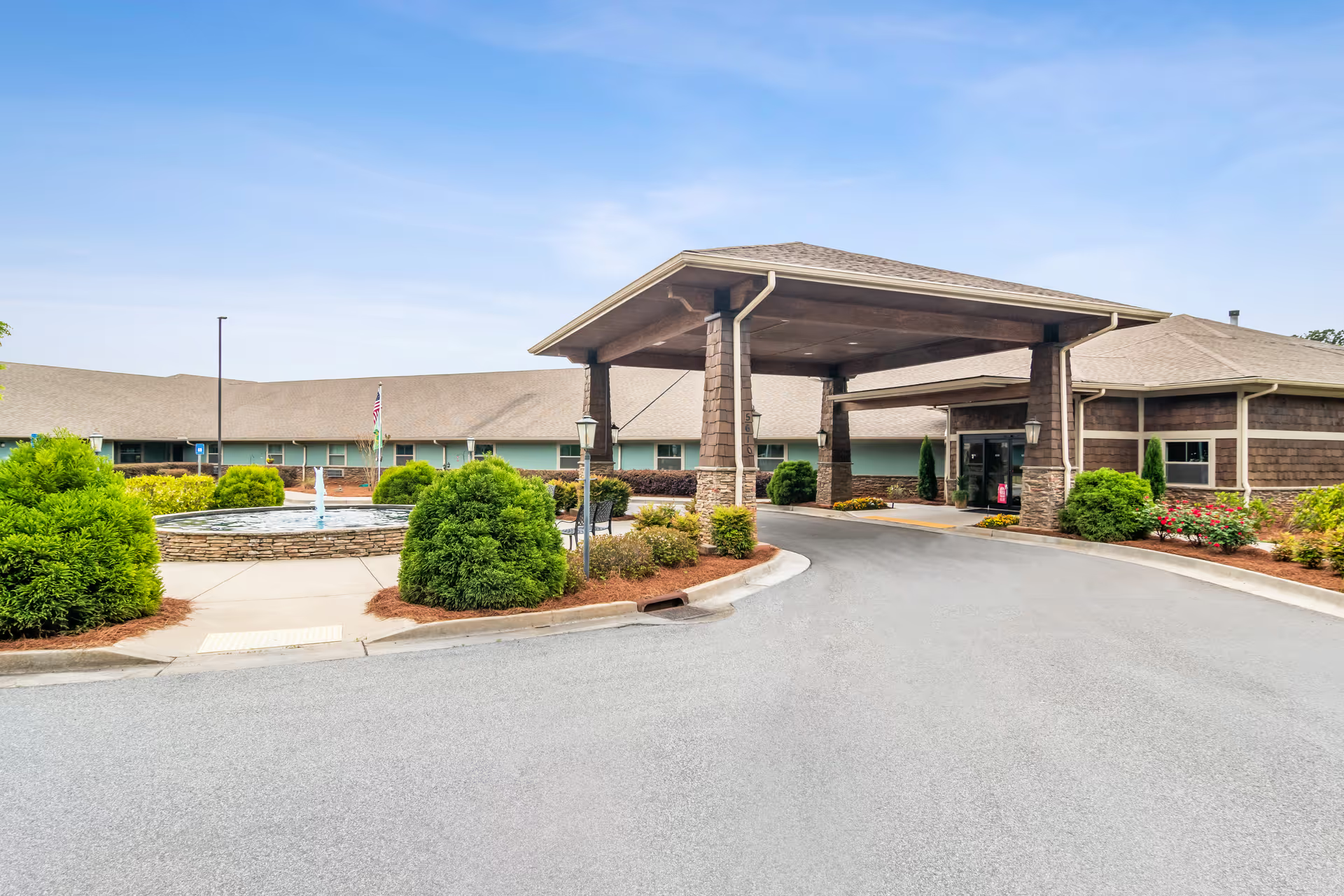
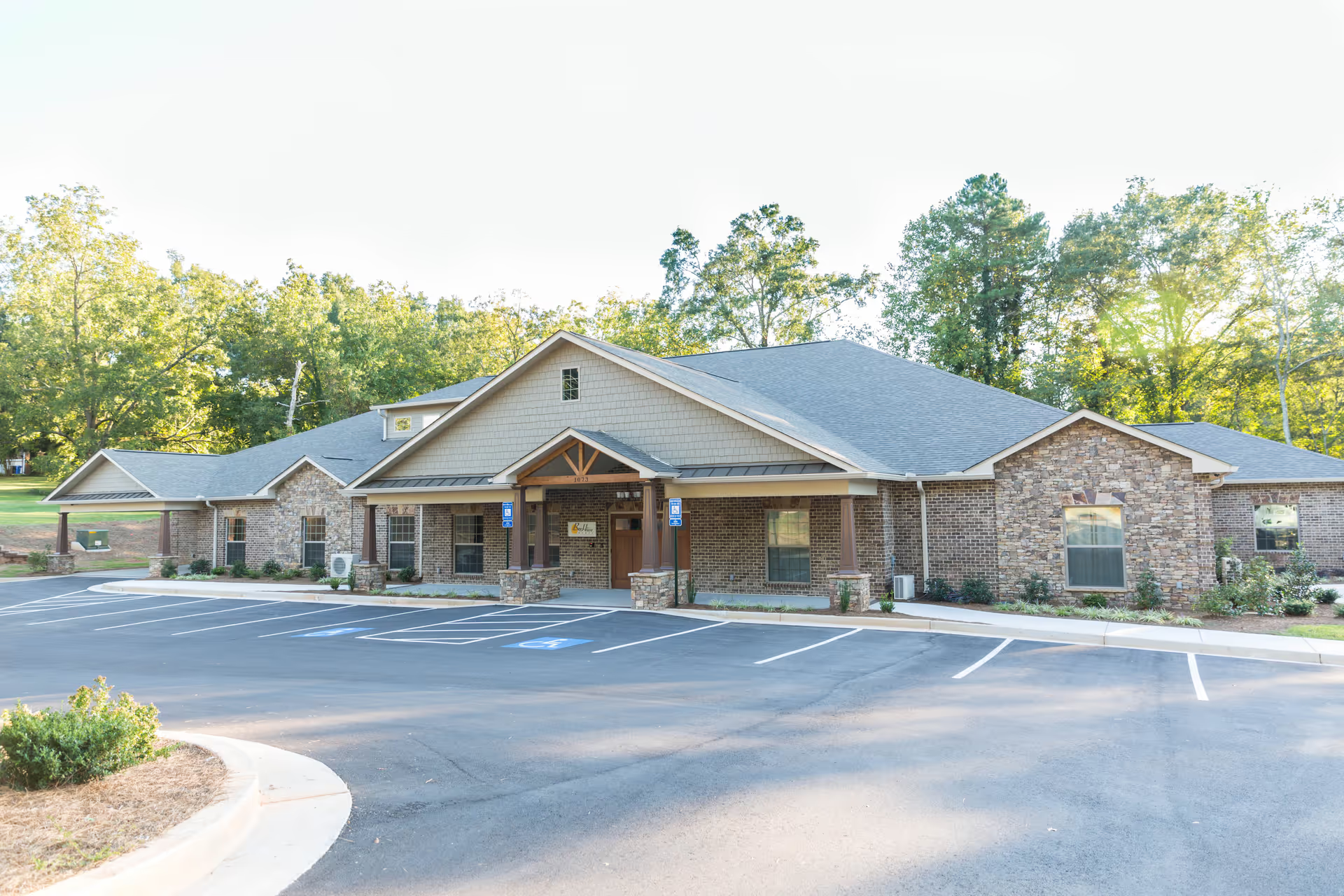
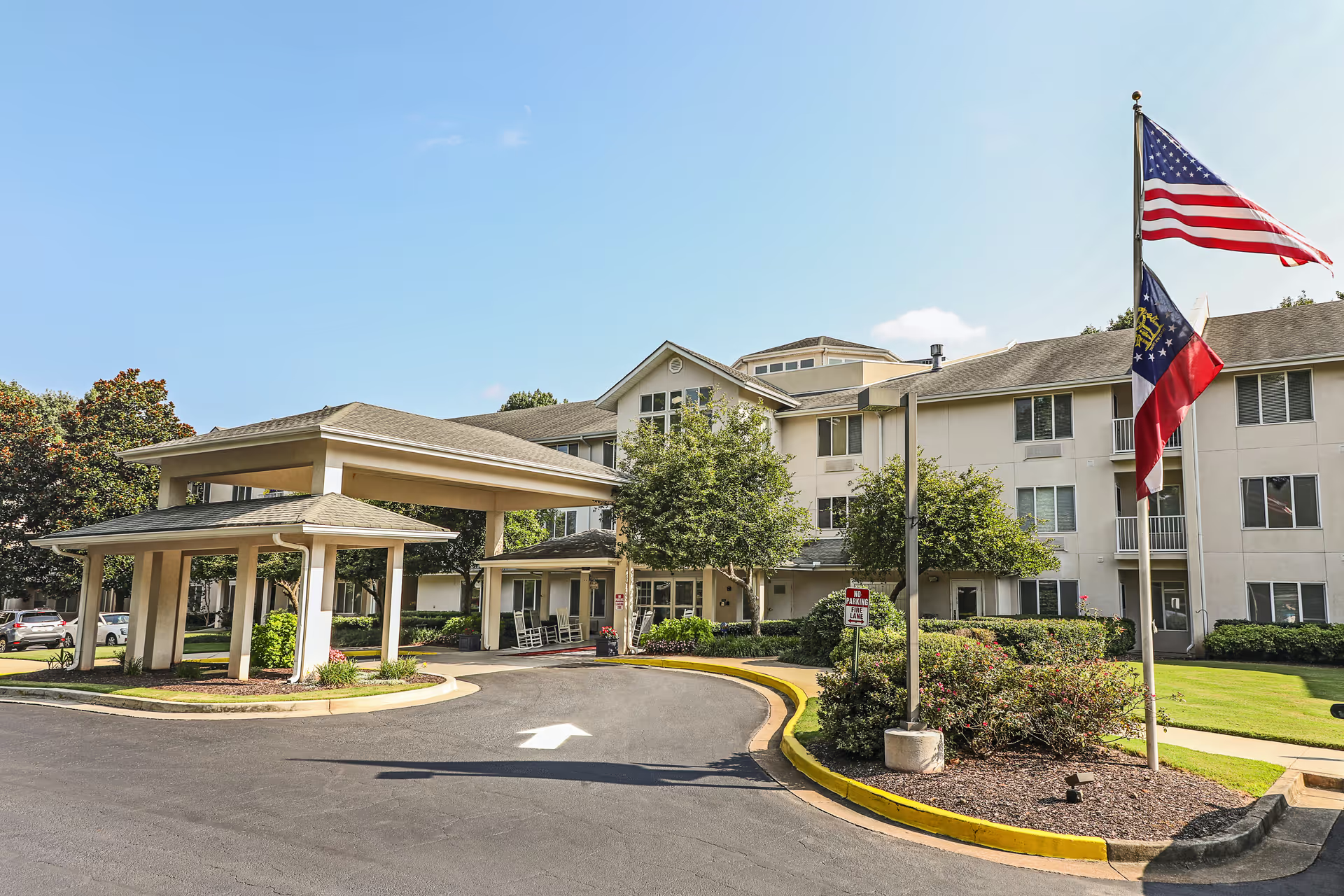
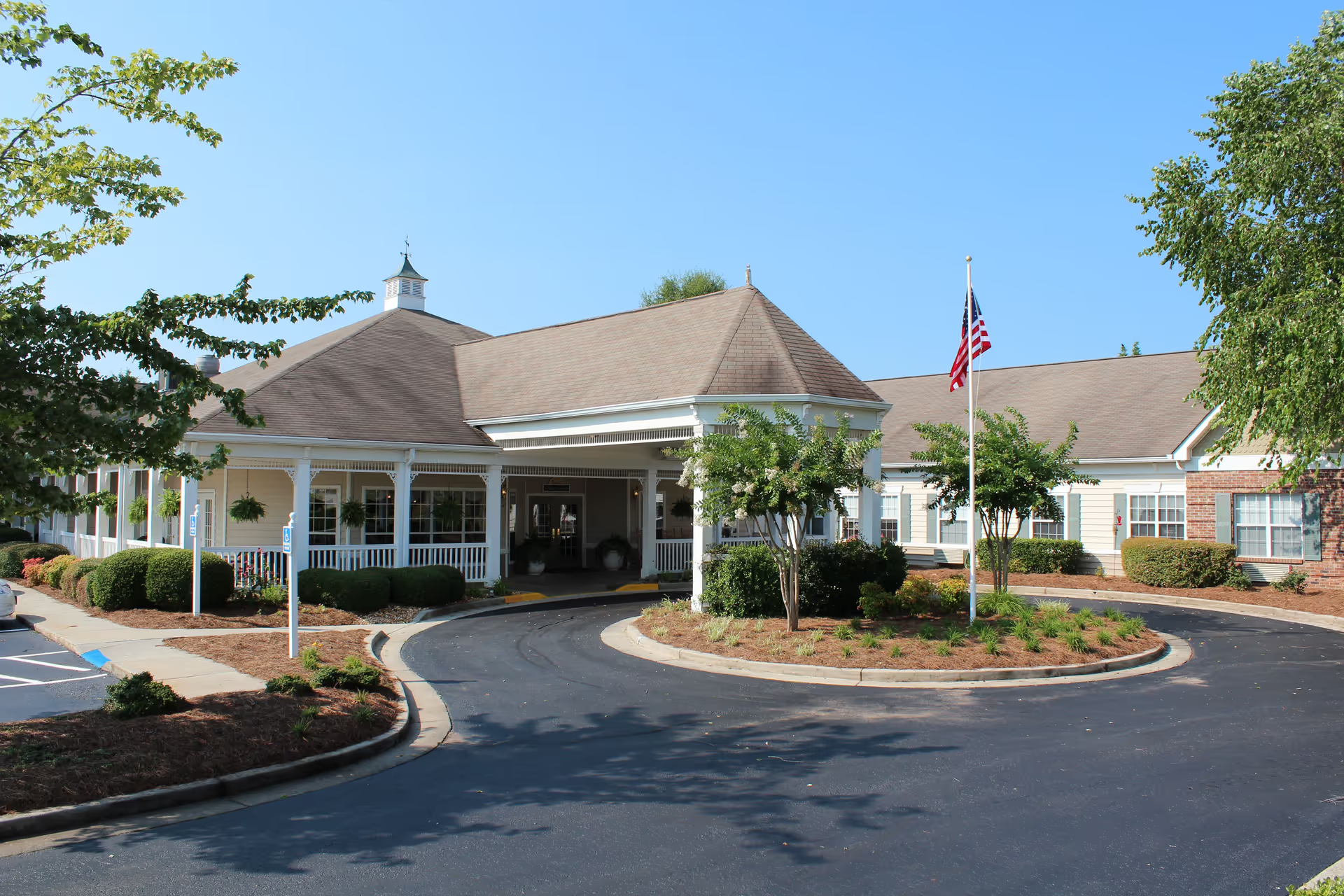
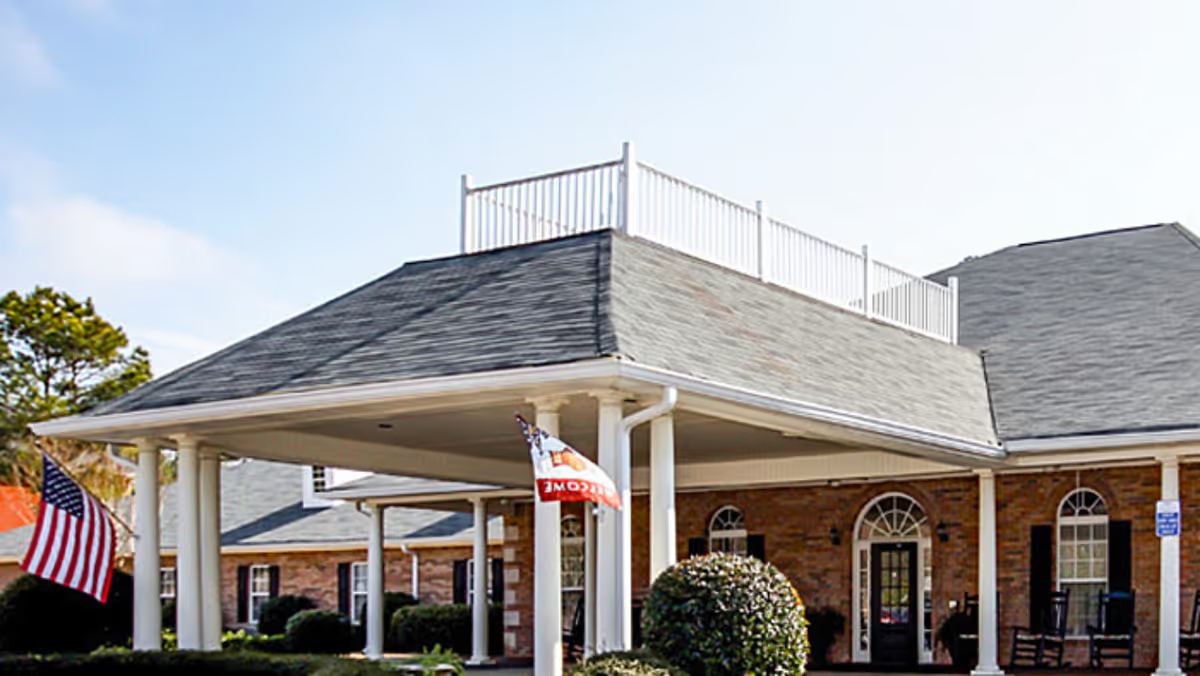
Facilities: The physical environment is consistently praised for cleanliness, upkeep, and a hotel-like presentation. Small size and private ownership are seen as positives for families seeking a less institutional setting. At the same time, reviewers noted functional limitations—non-handicap-accessible bathtubs and cramped activity areas—and mixed impressions of ambience (some callers described a homelike feeling while others perceived a more utilitarian or warehouse-like atmosphere). Prospective residents should tour spaces during activity times to assess fit.
Management and operations: Ownership and managers receive mixed assessments. Several families praised owners and specific staff for kindness and personalized attention; others described communication shortfalls, occasional unhelpful responses, and a patronizing tone from management. There are also practical concerns: extra charges for grooming services, higher pricing than comparable options, and some inconsistencies in move-in logistics. These are operational matters to clarify in contract discussions.
Notable patterns: The dominant positive themes are compassionate caregiving, cleanliness, comfortable common areas, and a small-scale, private setting that many families find comforting. The primary areas for improvement are programmatic and operational: more frequent and varied activities, consistent staff engagement, clearer communication from management, improved accessibility, and transparent fee structures. Families should weigh the facility’s strong personal-care record and intimate atmosphere against these programmatic and administrative considerations when deciding if it is the right fit.