The reviews describe a facility with a polarized pattern of experience: several families and short-stay rehabilitation patients describe skilled, professional therapy services and staff who provided attentive, respectful care, while others describe operational and clinical inconsistencies that affected safety, comfort, and communication.
Care quality and clinical operations vary across reports. Positive accounts highlight effective rehabilitation programs, competent therapists, and nurses and aides who demonstrated care and concern. At the same time, other accounts cite delayed clinical responsiveness, inconsistencies in medication administration, and interruptions to scheduled therapies. There are recurring concerns about incontinence-care and bathing schedules not being consistently met, which point to gaps in routine personal-care processes when staffing is strained.
Staff composition and conduct also present mixed impressions. Many reviewers praise individual caregivers, therapists, kitchen and housekeeping staff for going above and beyond and for maintaining dignity in family outreach. Conversely, administrative interactions and front-desk conduct are described as uneven; admissions and transfer coordination were criticized for poor communication and insensitive tone in multiple reviews. Staffing variability and turnover appear to underlie many of the operational problems cited.
Dining and nutrition receive generally favorable comments about meal variety, healthy snacks, and hydration focus, and some families noted a proactive meal coordinator. However, there are reports of dietary accommodations not being consistently honored (for example, incorrect meals for residents with specific needs) and instances where scheduled meal delivery did not reach residents, indicating weaknesses in meal-service continuity.
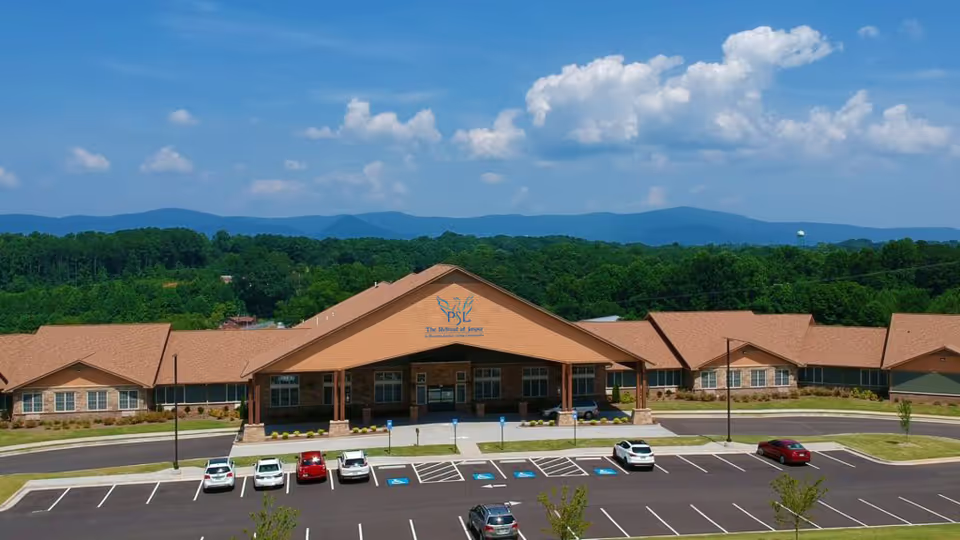
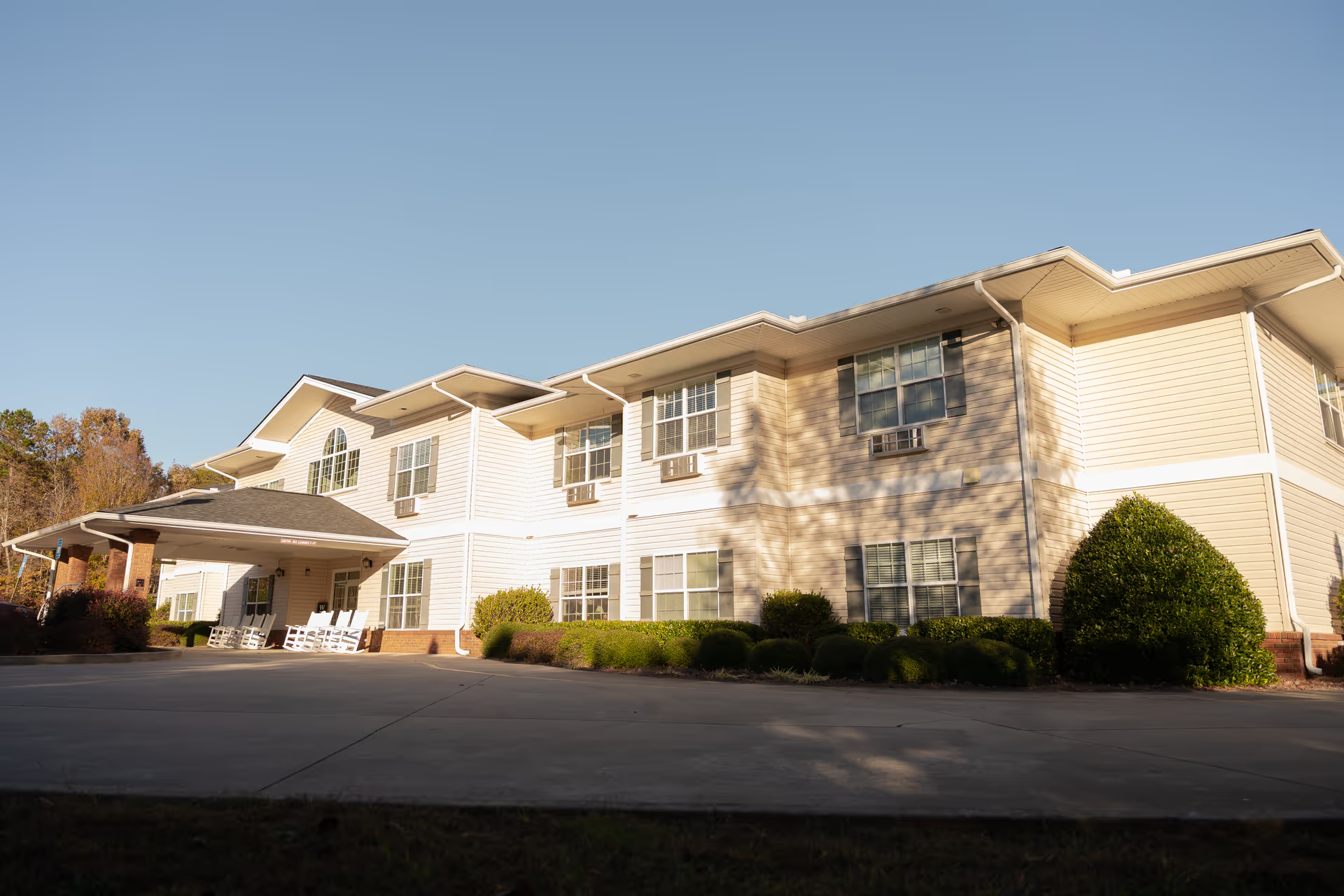
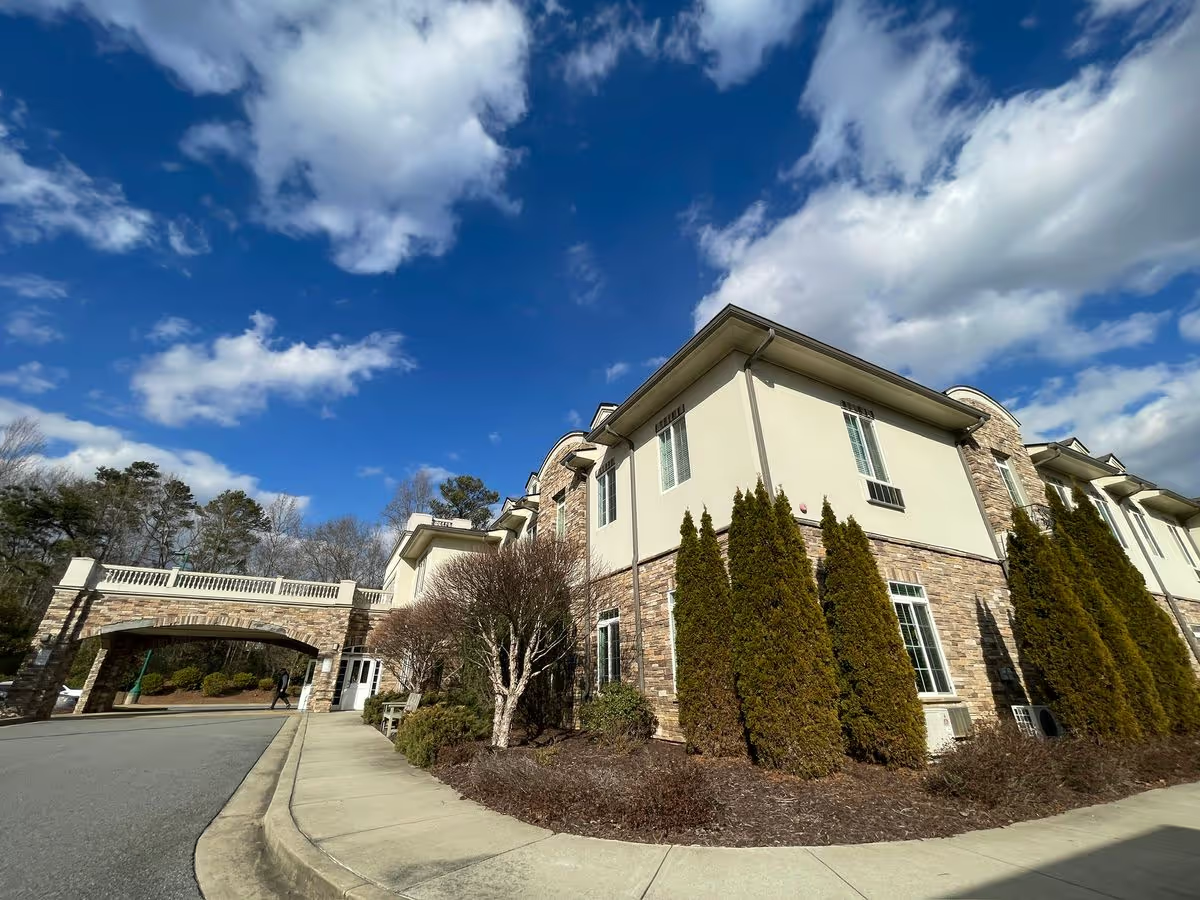
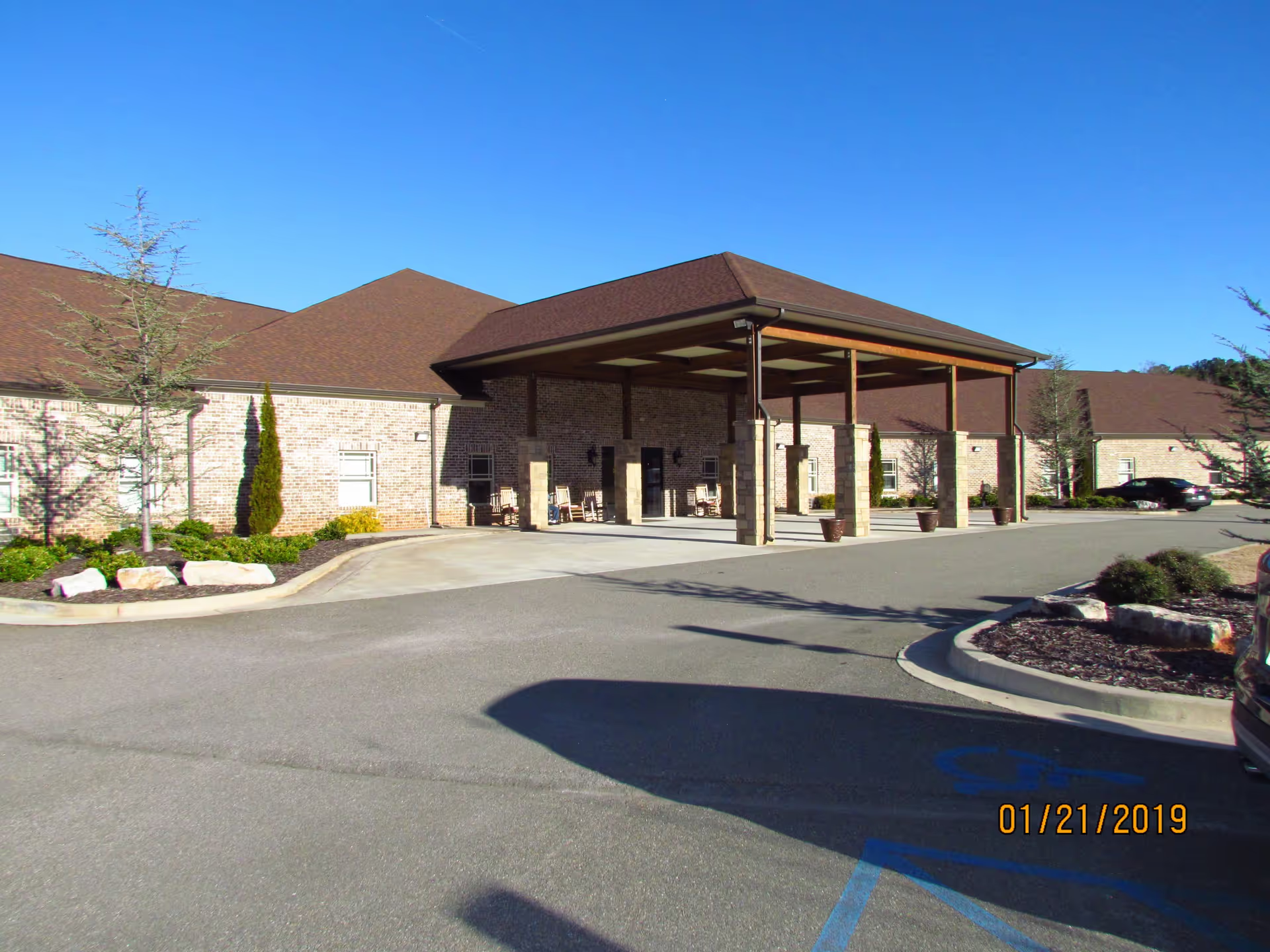
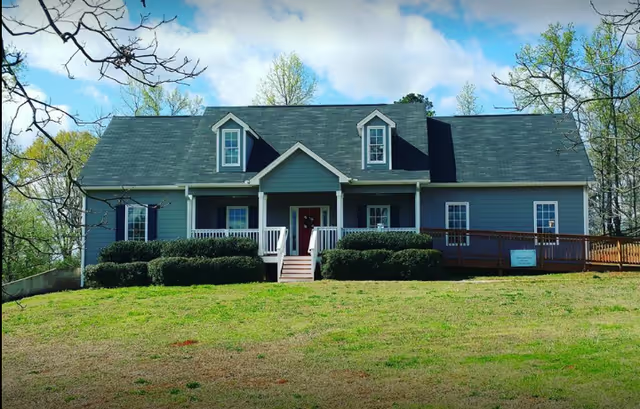
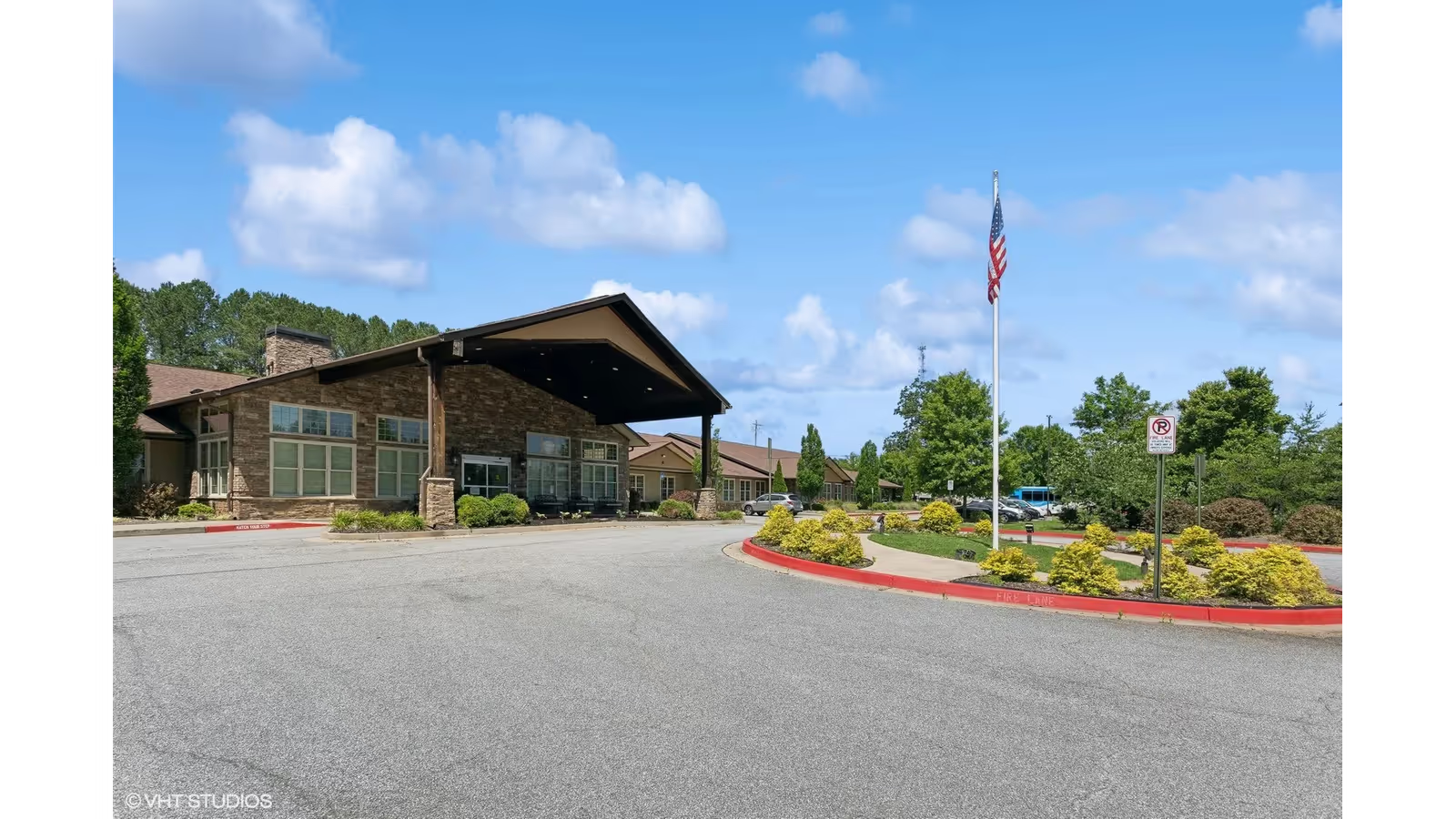
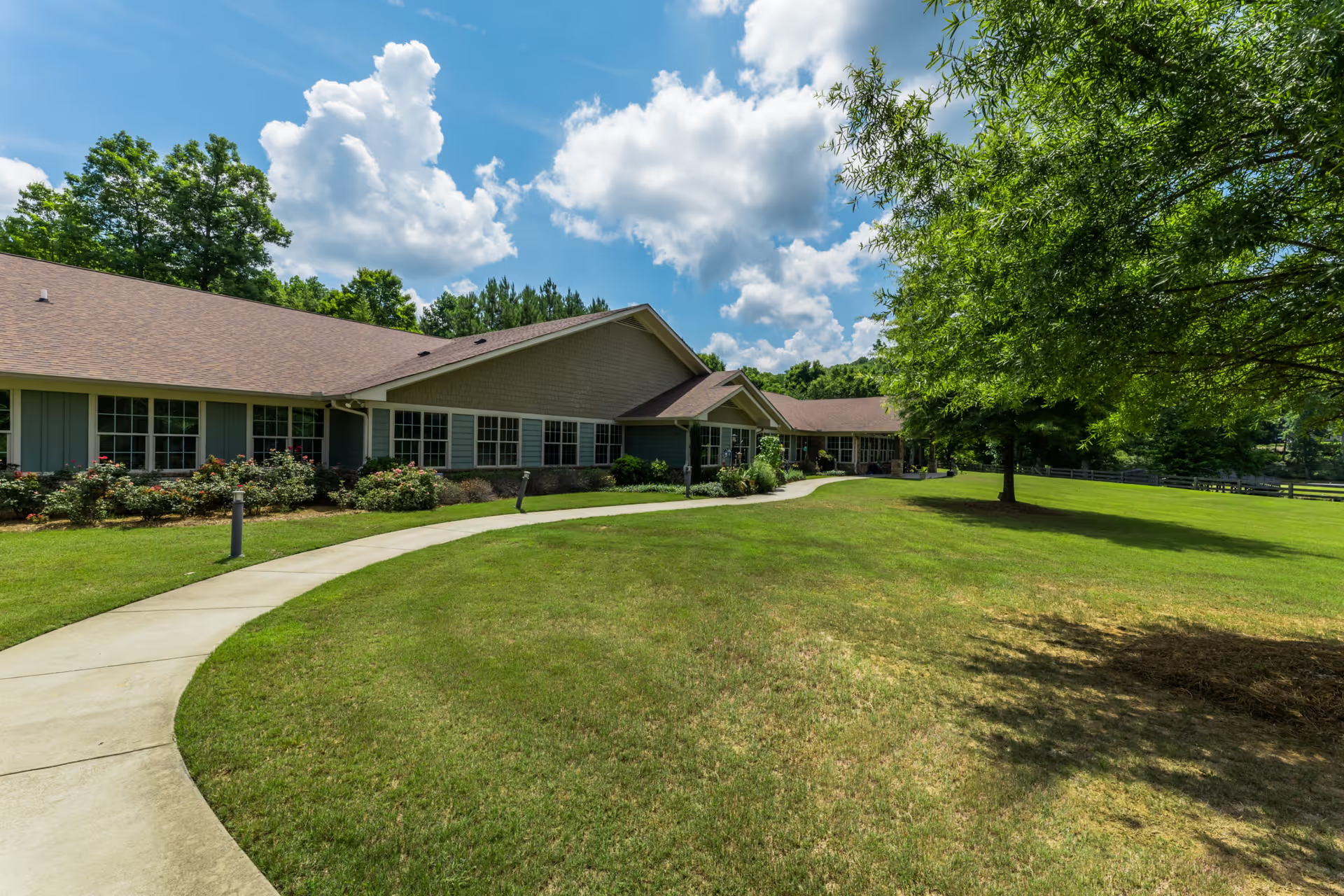
Activities and environment are another area with mixed feedback. Several reviewers appreciated organized activities, social programming, and recent facility upgrades that improved the environment. Others raised cleanliness and odor-control concerns in specific areas and noted lapses in housekeeping practices, suggesting that sanitation standards may be inconsistent across units or shifts.
Management and systems-level issues emerge as a consistent theme. Families described weak communication around admissions, transfers, and clinical changes; inconsistent documentation and resident-contact procedures; and variable leadership professionalism. There are also serious operational concerns such as property-control gaps and at least one allegation of missing personal items, which suggests a need for clearer inventory and security procedures.
Notable patterns: experiences appear to cluster — some families report positive short rehabilitation stays with effective care and communication, while others recount periods when staffing constraints and administrative breakdowns led to delayed care and poor family engagement. A few reviews indicate recent improvements in staff quality and facility upgrades, suggesting that performance may be changing over time.
For prospective residents and families, the facility may offer strong rehabilitation services and compassionate individual caregivers, but it would be prudent to inquire specifically about current staffing levels, medication-administration policies, dining accommodations, dementia-care supports, sanitation protocols, and how the facility manages admissions and family communication. Requesting recent inspection reports, speaking to the unit manager, and touring the specific unit where care would be provided can help assess whether the operational concerns described have been addressed.