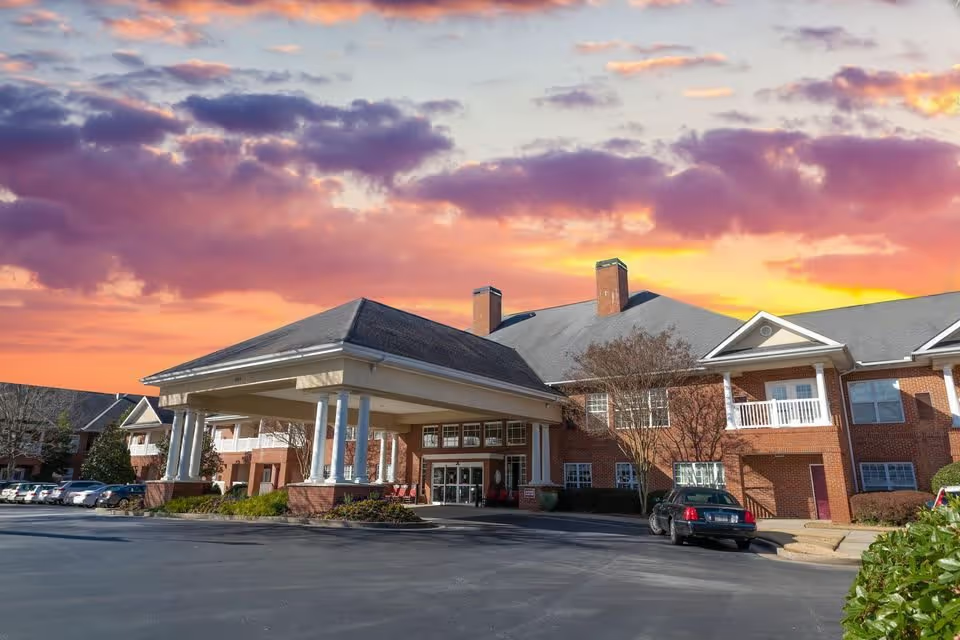
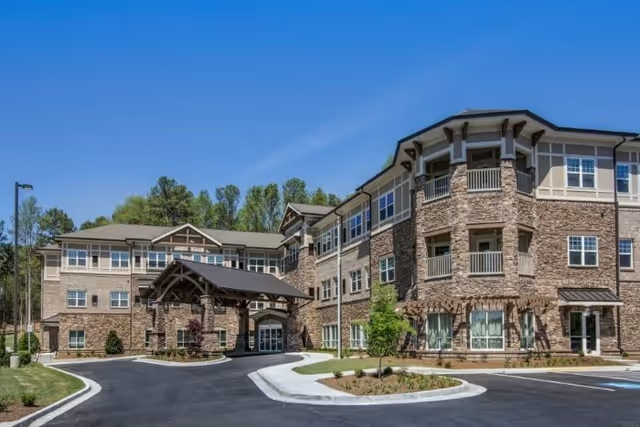
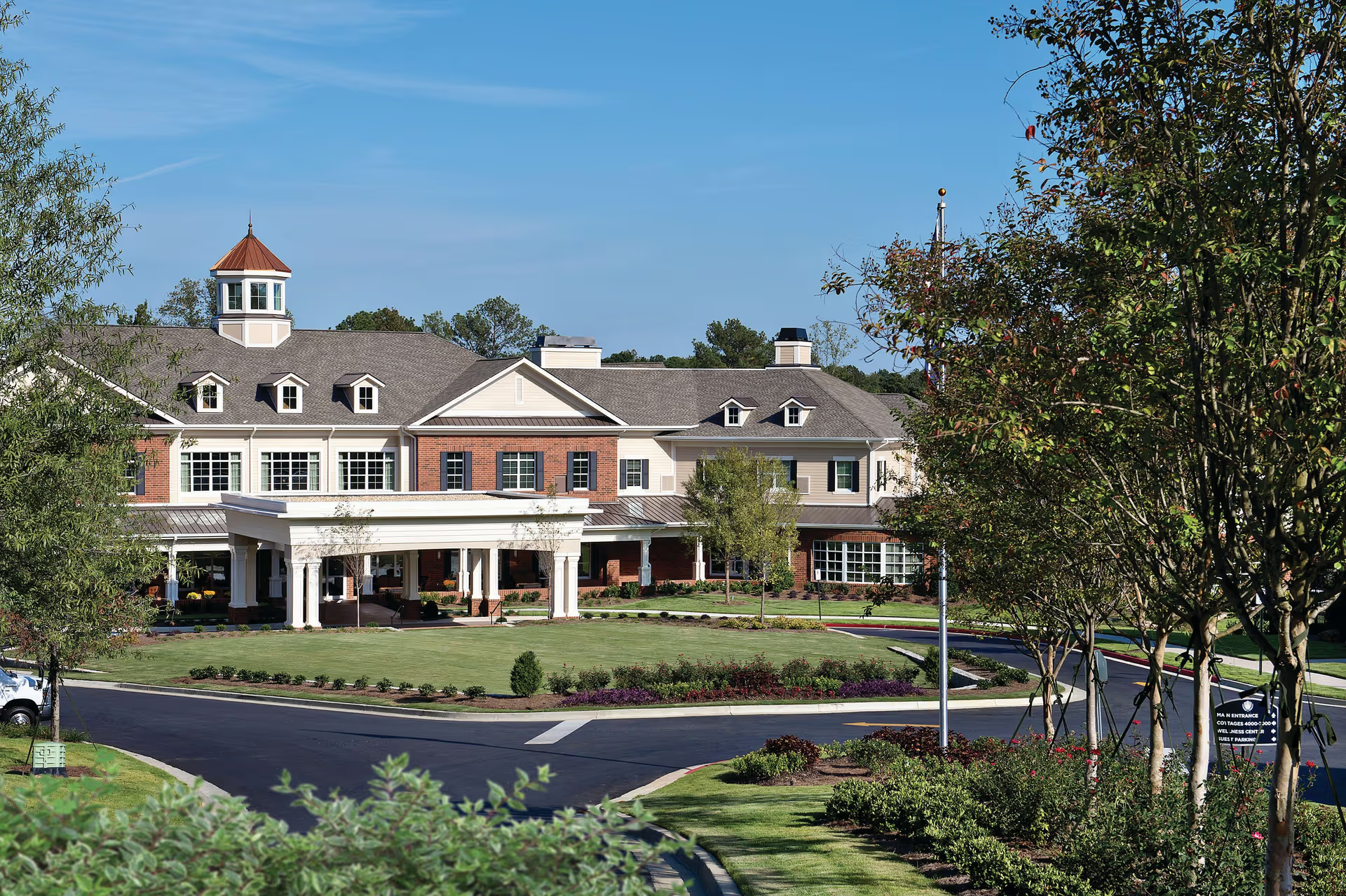
A.G. Rhodes Cobb elicits a broad range of family and resident experiences. Its consistent strengths are in rehabilitation and therapeutic programming: physical and occupational therapy are frequently described as skilled and beneficial, and many short-term rehab patients report measurable functional improvement. The facility offers several therapeutic modalities — including music therapy, horticultural programming, an indoor bird area, and structured mind–body movement — that contribute to engagement and recovery. The grounds, courtyard, waterfall and greenhouse are repeatedly praised and create a resort-like environment for residents and visitors.
Clinical and caregiving quality shows notable variation. Many reviews highlight compassionate, professional nurses, attentive CNAs, and helpful admissions and social-services personnel; individual staff members are frequently named and praised. At the same time, there are recurrent concerns about inconsistent staffing (particularly on nights and weekends), uneven training across floors, and variable staff communication and conduct. These operational gaps have been associated with delays in attending to resident requests, inconsistent bathing and incontinence-care responsiveness, and occasional medication-management issues. Families should be aware that caregiving experience can depend heavily on unit and shift.
Dining and nutrition receive mixed feedback. Numerous families describe high-quality, well-prepared, and accommodating meals, including patient-specific diets for diabetes and low-sodium needs, family dining events, and flexibility for special requests. Conversely, other accounts cite cold or delayed meals, shortages in kitchen equipment or supplies, and occasional food-safety and service-continuity problems. Overall, the facility offers a range of menu options and meal-related amenities, but consistency of delivery appears uneven.
Activities and social programming are clear strengths. There is a broad schedule of daily activities, family-inclusive events, field trips, and therapeutic offerings that many residents and families appreciate. Staff involvement in activities, the availability of music and horticultural therapy, and communal spaces like reading areas and a coffee bar support an active social environment, particularly for long-term residents.
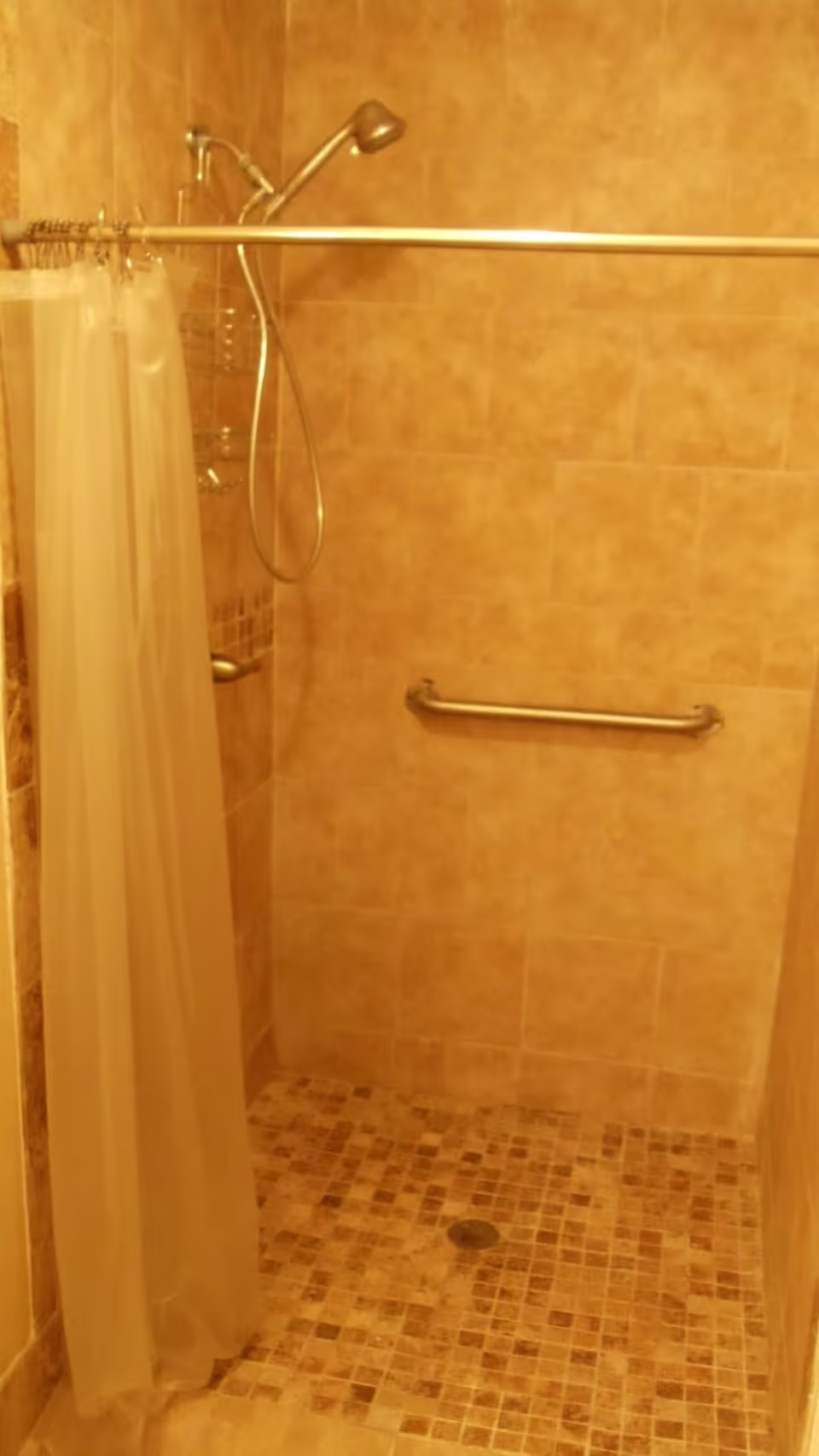
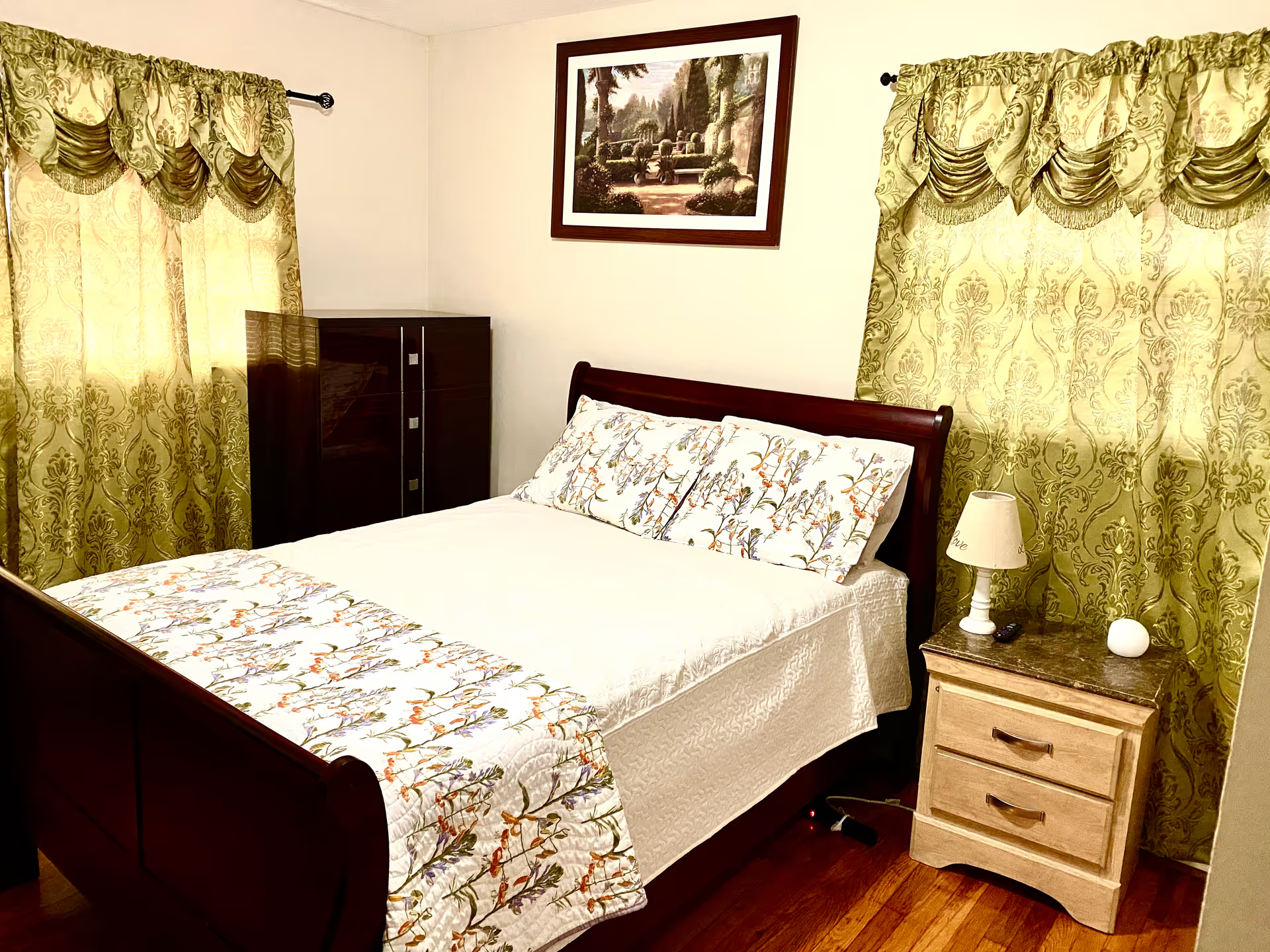
Facility condition and management present a mixed picture. Many reviewers praise cleanliness of common areas, attractive landscaping, and recent remodeling in parts of the campus; private rooms are available for an additional fee. At the same time, reviewers raise facility-level concerns: aging sections with small shared rooms, wear on furniture, infrastructure limitations, and ongoing construction can affect comfort and privacy. Administrative weaknesses are also recurrent: billing disputes, inconsistent paperwork and recordkeeping, and problems with communication and discharge planning are mentioned repeatedly. There are additional concerns about infection-prevention practices and sanitation in certain units, as well as supply-chain issues in the kitchen and occasional pest-control worries. A small number of serious allegations — including financial misconduct and significant clinical-safety events — are included in the feedback and should prompt prospective families to request documentation of regulatory history and corrective actions.
What this pattern suggests for prospective residents and families: the facility offers strong rehabilitative care, robust activities, and many caring staff members, alongside attractive grounds and amenities. However, operational inconsistency — staffing variability, training gaps, administrative disorganization, and intermittent sanitation/infection-control issues — can materially affect an individual’s experience. Visitors should tour the specific unit, ask for staffing ratios by shift, review medication-safety and infection-prevention protocols, confirm private-room promises in writing, and verify billing and insurance processes before admission. Regular family engagement and early discussion of expectations will help align care plans with the facility’s strengths and limitations.